Most "unusual berries" articles cover the same six plants and stop there. I've actually grown or written up nearly every berry a British gardener can realistically get hold of, from the well-known hybrids to the genuinely obscure, and this is the full list — grouped by what kind of gardener each one suits, with a link through to a proper growing guide for every single one. If you've exhausted strawberries and raspberries and want your garden to do something nobody else's does, start here.
Raspberry-Blackberry Hybrids
The Victorian and 20th-century plant breeders had a field day crossing raspberries and blackberries, and the results are some of the finest-flavoured soft fruit you can grow — almost none of it sold in shops.
- Loganberries — tart, wine-red, the classic jam berry. Start here if you're new to hybrids.
- Tayberries — widely considered the best-flavoured hybrid going.
- Loganberry vs tayberry vs boysenberry — my full comparison if you're choosing between them.
- Tummelberries — a hardier, disease-resistant tayberry for wetter gardens.
- Boysenberries — sweeter and softer, with a distinctive aroma.
- Japanese wineberries — small, jewel-like, on beautifully bristled ornamental canes.
- Olallieberries — California's prized blackberry hybrid.
- Marionberries and silvanberries — America's other blackberry crosses, barely grown here at all.
Currant and Gooseberry Relatives
The Ribes family goes well beyond the blackcurrant bush in every garden centre.
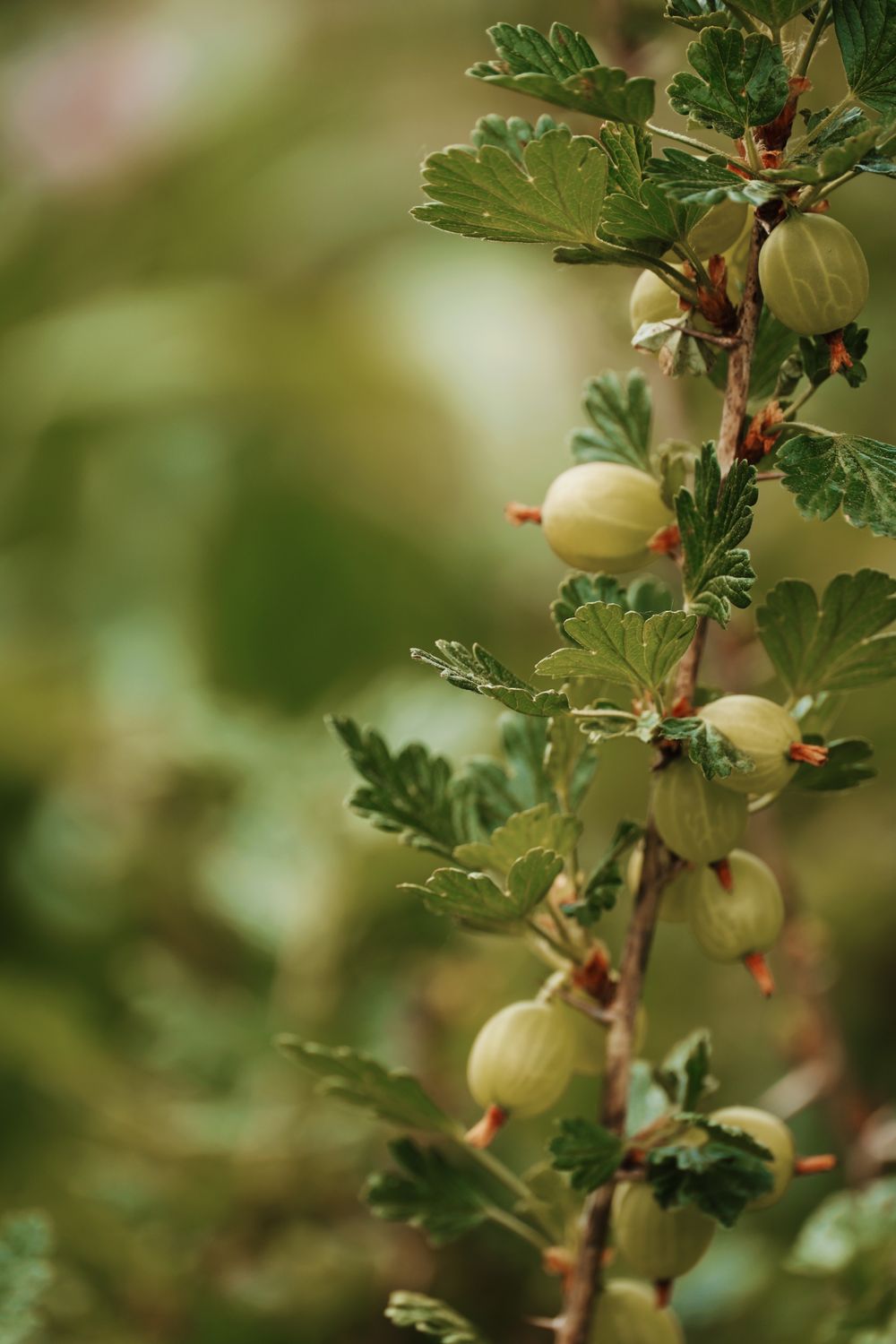
- Jostaberries — a gooseberry-blackcurrant cross with the toughness of both parents.
- Worcesterberries — everything a gooseberry does, but mildew-resistant.
- Blackcurrants, redcurrants and whitecurrants compared — if you're choosing between the classics.
Exotic Superfruits That Actually Thrive Here
These have exotic reputations and health-food-shop price tags, but every one of them grows well in an ordinary British garden.
- Honeyberries (haskap) — hardy to minus 45°C and the earliest fruit of the year.
- Goji berries — easier to grow than almost anything else on this list.
- Sea buckthorn — a native UK plant loaded with vitamin C.
- Chokeberries (aronia) — the superfood shrub that thrives on neglect.
- Cape gooseberries — the papery-lantern fruit, easier outdoors here than you'd expect.
- Kiwiberries — grape-sized, smooth-skinned, no peeling required.
- Lingonberries — Scandinavia's favourite, and a natural fit for British acid soil.
- Chilean guava — reportedly Queen Victoria's favourite; tastes of wild strawberry and candy floss.
The Genuine Challenges
Not every unusual berry is easy. These two are for gardeners who want a proper project.
- Cloudberries — the Arctic gold that fetches £20 a kilo in Scandinavia; demanding but achievable in a cool, boggy container.
- Huckleberries — tricky in British conditions; I cover what actually works and what to grow instead.
Unusual Strawberries and Raspberries
Even the familiar genera have oddities worth seeking out.
- Britain's most unusual strawberries — Purple Wonder, musk strawberries, strasberries and more.
- White, gold and black raspberries — raspberries were never just red.
- Pink Lemonade blueberries — the blueberry that ripens pink, not blue.
- Pineberries — the white strawberry that tastes like pineapple.
Wild and Native Berries Worth Foraging
Some of the best "unusual" berries aren't cultivated at all — they're growing in the hedgerow already. My complete UK wild berry identification guide covers every edible and poisonous species; the individual guides below go deeper on each:
- Bilberries — Britain's own wild blueberry, found on moorland.
- Dewberries — the wild blackberry relative most people walk straight past.
- Rosehips — Britain's own vitamin C berry, in every hedgerow come autumn.
- Wild damsons — the forgotten hedgerow plum.
- Elderberries — abundant everywhere, but must be cooked before eating.
- Sloes — the fruit behind sloe gin.
- Hawthorn (haws) — abundant, mild-flavoured, superb in jelly and ketchup.
- Rowan berries — toxic raw, exceptional cooked into jelly for game.
- Wild strawberries — smaller than a fingernail and better than anything from a shop.
Where to Start
If you only try one thing from this list, make it whichever fits your patience level. For an easy, nearly guaranteed win, plant goji berries or honeyberries. For the best flavour reward per square metre, grow a tayberry. And if you want to forage rather than plant, rosehips and hawthorn are abundant, safe, and ready in every autumn hedgerow within walking distance of almost anyone in Britain.
Frequently Asked Questions
What is the easiest unusual berry to grow in the UK?
Goji berries and honeyberries are both about as low-maintenance as fruit gets — hardy to extreme cold, tolerant of poor soil, and largely pest and disease free in British conditions. Jostaberries are a close third, combining gooseberry and blackcurrant toughness in one plant.
What unusual berry has the best flavour?
Among the cultivated hybrids, the tayberry is the one most growers rate highest — a rich, complex flavour that combines the best of raspberry and blackberry. Among foraged fruit, a fully ripe wild strawberry, eaten warm off the plant, is hard to beat for pure intensity of flavour in such a tiny package.
Can I grow several unusual berries in a small garden?
Yes — several of the plants on this list are naturally compact or take well to containers, including Chilean guava, goji berries and honeyberries. A single fence line can also carry two or three trained cane hybrids (loganberry, tayberry, wineberry) without needing much more space than one traditional raspberry row.