Slugs, birds, and aphids are the three most common strawberry pests, and all three are manageable without chemicals. Dealing with them early in the season protects the crop before the fruit develops; left until the berries are ripening, any of the three can cause significant losses.
Slugs and Snails
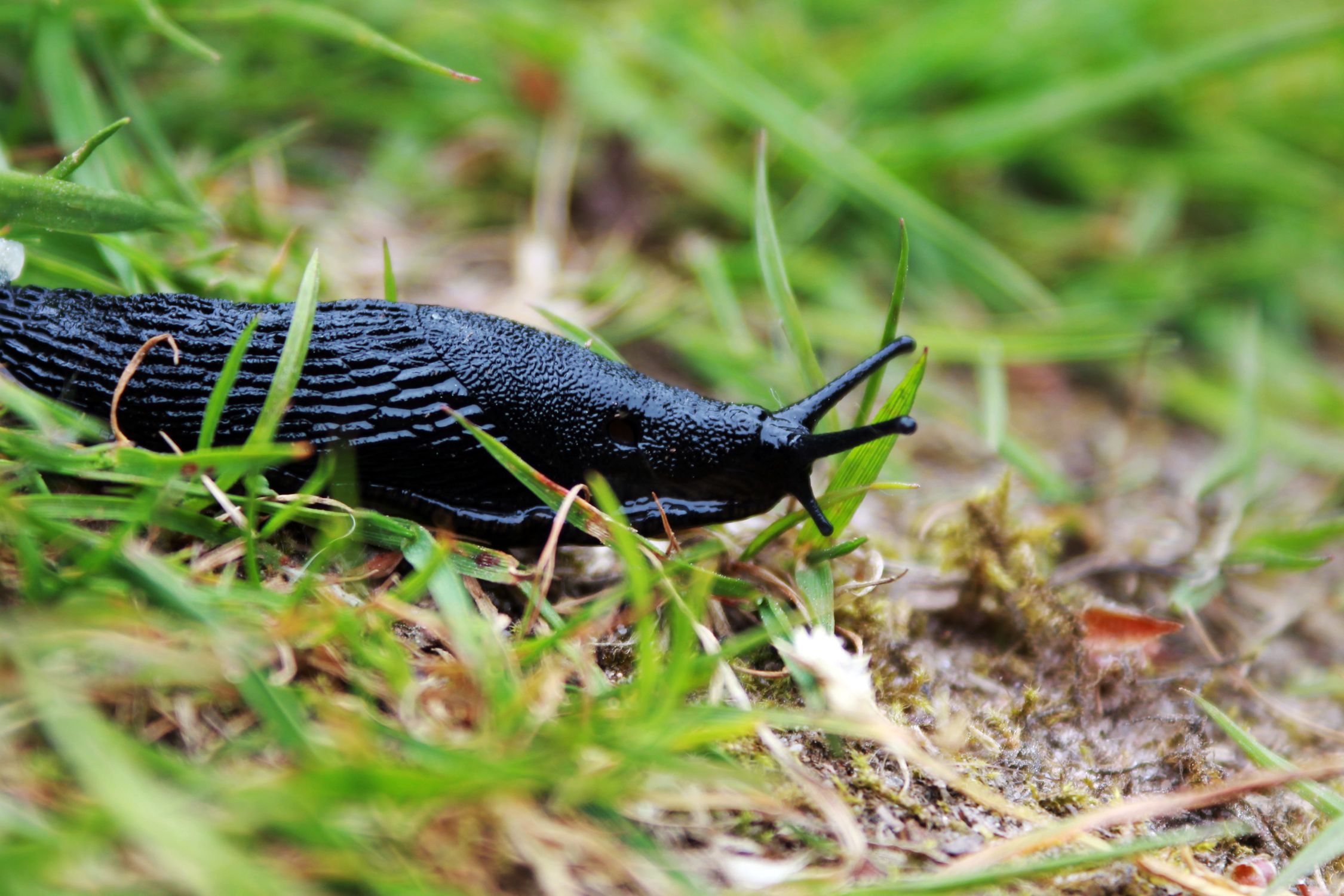
If I had to name the number one enemy of the British strawberry grower, it would be slugs without a moment's hesitation. They work at night and they love damp weather, which means they thrive in exactly the conditions our summers tend to throw at us. You will find ripe berries hollowed out, or worse, a slimy trail across fruit you were saving for tomorrow.
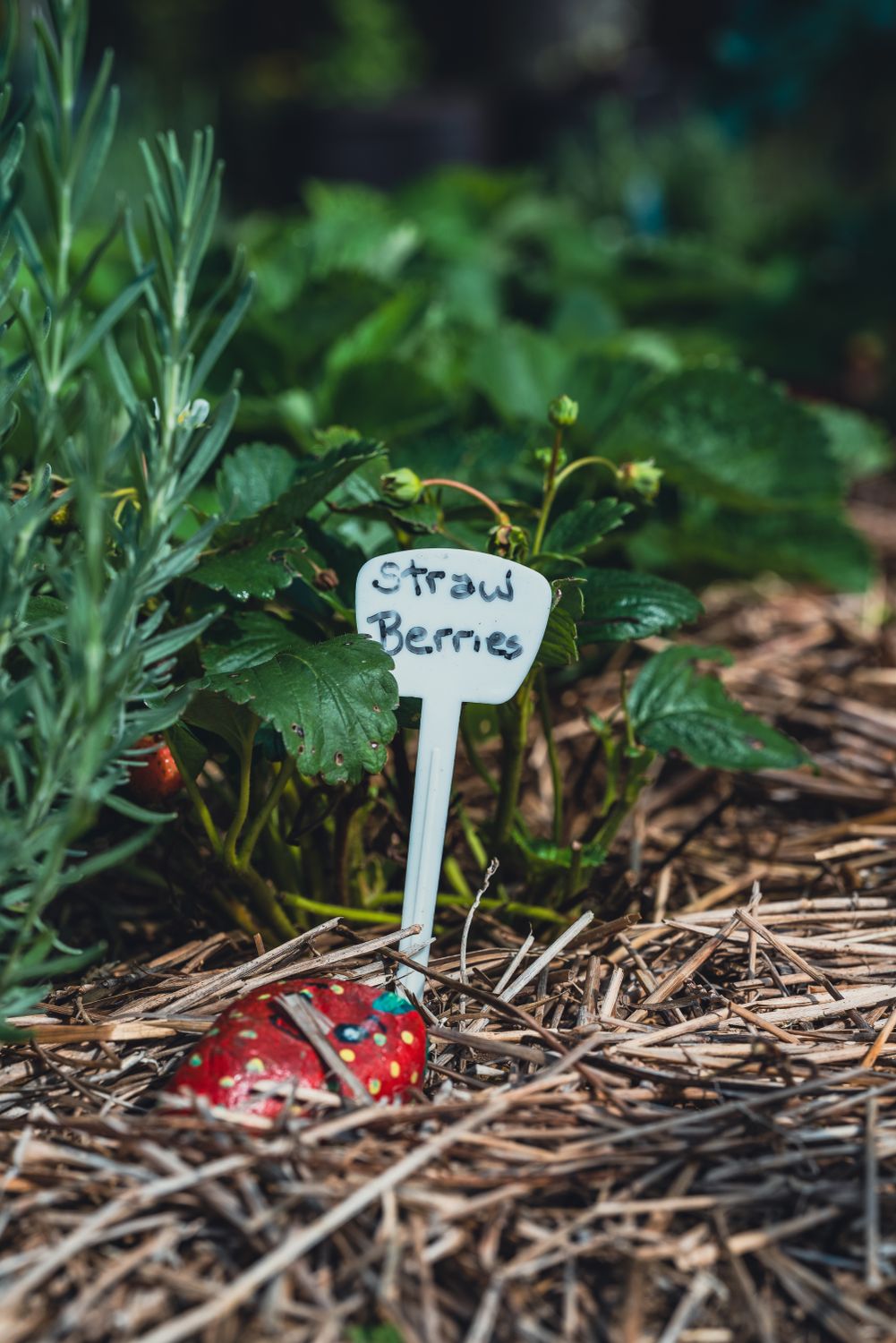
My single most effective trick is simply to grow up high. Raised beds and containers put the fruit out of easy reach, and that alone solves most of the problem before it starts. Beyond that, there is a reason these things are called strawberries: a good layer of straw mulch makes a dry, scratchy barrier that slugs would rather not cross. I also ring pots and raised beds with self-adhesive copper tape, which gives them a mild shock on contact, and I sink yoghurt pots of cheap beer into the soil as traps, since slugs fall in and drown quite happily. For a more thorough knock-back, water nematodes (Phasmarhabditis hermaphrodita) onto warm, moist soil in spring. And if you do reach for pellets, make them the ferric phosphate sort, which is the organic-approved one and safe around wildlife, pets, and children.
Birds
Blackbirds, thrushes, and pigeons are all partial to a strawberry, and they will spot a ripening berry from right across the garden. In my experience the only thing that genuinely works is netting. Use proper fruit cage netting with a mesh of 2cm or less, stretched taut over a frame. Please do not use loose, baggy netting: birds get tangled in it and it is a miserable way for them to come to grief. Some gardeners paint stones red and scatter them before the fruit ripens as decoys. The evidence is purely anecdotal, but it is harmless enough if you fancy trying it.
Aphids
Several aphid species go for strawberries, clustering on the new growth and the undersides of leaves. The good news is you rarely need to do much. Ladybirds, hoverfly larvae, and lacewings eat them voraciously, so plant a few flowers nearby and let nature do the heavy lifting. When a colony does get ahead of you, a strong jet from the hose dislodges them and most never bother to climb back. For a stubborn outbreak, a soft soap spray works well: a tablespoon of pure liquid soap per litre of water, sprayed straight onto the colonies. One last thing worth knowing is that lush, sappy growth is an aphid magnet, so go easy on the nitrogen and stick to balanced feeds.
Squirrels
Squirrels are the cheekiest of the lot, and they will chew straight through plastic netting, so the only thing that truly stops them is a proper fruit cage with chicken wire sides. If a cage is more than you want to build, spraying the berries with chilli-steeped water can put them off, though you will need to reapply it after every shower of rain.
Vine Weevil
This one is sneaky because the damage happens out of sight. The larvae eat the roots, and the first you know of it is a plant that suddenly wilts for no obvious reason. Container-grown strawberries are especially vulnerable. The most effective control is nematodes again, this time Steinernema kraussei, applied in spring or autumn. The adults are nocturnal, so if you fancy it you can go out after dark with a torch and pick them off by hand.
Grey Mould (Botrytis)
Strictly speaking this is a disease rather than a pest, but I am including it because it destroys more fruit than most pests put together. The whole battle is about keeping things dry and airy. Space your plants properly and pull off excess leaves so the air can move. Mulch with straw to keep the fruit off damp soil, pick promptly the moment berries ripen, and remove any mouldy fruit straight away before it spreads. And never, ever water strawberries from overhead; always at the base.
Prevention Is Better Than Cure
If there is one thing I have learned, it is that a healthy plant in good soil shrugs off trouble far better than a stressed one. Companion planting with flowers that draw in predatory insects builds a natural balance that does a lot of the work for you. And growing in raised beds or containers, as I keep banging on about, sidesteps the worst of the slug misery entirely. Get those foundations right and you will spend far less time fighting and far more time picking.
Frequently Asked Questions
When should I start protecting strawberries from pests?
Start as early as possible — ideally when you plant or as the first leaves emerge in spring. Slugs attack young crowns as well as ripening fruit, and aphids can establish a colony before you notice the first signs. Bird netting should go up before the flowers form, not after the fruit has already been taken. A few minutes of prevention in March or April saves a lot of frustration in June and July.
Do strawberries in hanging baskets avoid slugs?
Yes — hanging baskets are one of the most effective ways to keep slugs away from strawberries entirely. The fruit hangs in mid-air, out of reach, and slugs cannot climb a smooth basket chain. My guide to growing strawberries in hanging baskets covers the best varieties and how to set them up for a good harvest.
What role does soil health play in pest resistance?
A significant one. Plants grown in well-prepared, properly drained soil establish quickly and produce vigorous growth that is more resilient to aphid attack and botrytis. Stressed plants, especially those in waterlogged or nutrient-depleted soil, are far more vulnerable. My guide to strawberry soil covers what to aim for whether you are growing in the ground, a raised bed, or a container.
Can I grow strawberries indoors to avoid outdoor pests altogether?
Yes — indoor strawberries largely sidestep slugs, birds, and squirrels, though aphids can still appear. My guide to growing strawberries indoors covers windowsill, conservatory, and grow-light setups. For outdoor growing, the complete strawberry growing guide covers the full picture including pest prevention in context.
More in this series: The Complete Guide to Growing Strawberries in the UK • Why Alpine Strawberries Taste Like No Strawberry You've Ever Bought • The Best Soil for Strawberries: Getting Your Mix Right • Growing Strawberries Indoors: The Best Varieties for Windowsills and Conservatories • The 6 Best Strawberry Varieties for Hanging Baskets • Cambridge Favourite: Britain's Most Popular Strawberry • Mara des Bois: A Strawberry That Actually Tastes of Strawberry • Top 6 Sweetest Strawberry Varieties to Grow in the UK • Top 7 Highest-Yielding Strawberry Varieties for British Gardens