Alpine strawberries are the easiest fruit I grow, and the one most people overlook. They don't send out runners, they don't sprawl across the bed, and they'll crop steadily from June right through to October instead of dumping the whole harvest on you in one sweaty week in July. If you've only ever grown the fat supermarket-style strawberries in your garden, alpines are a different plant altogether — and once you've tasted one warm off the plant, you'll wonder why you didn't grow them years ago.
What makes alpine strawberries different from garden strawberries
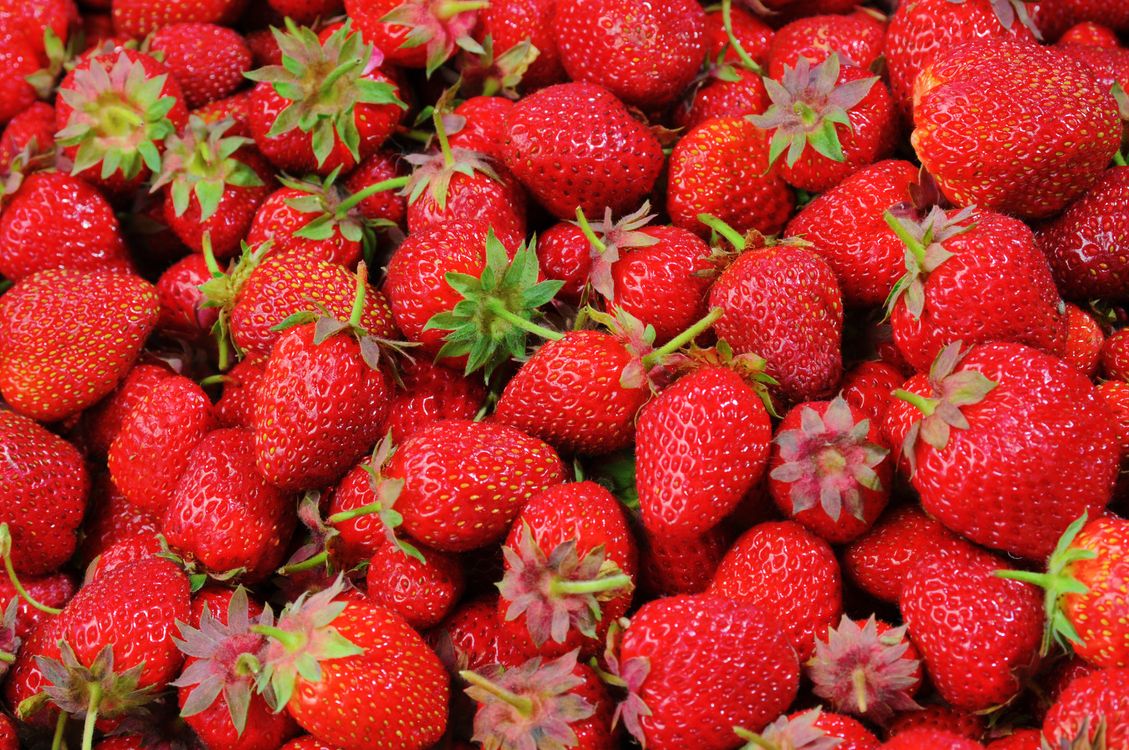
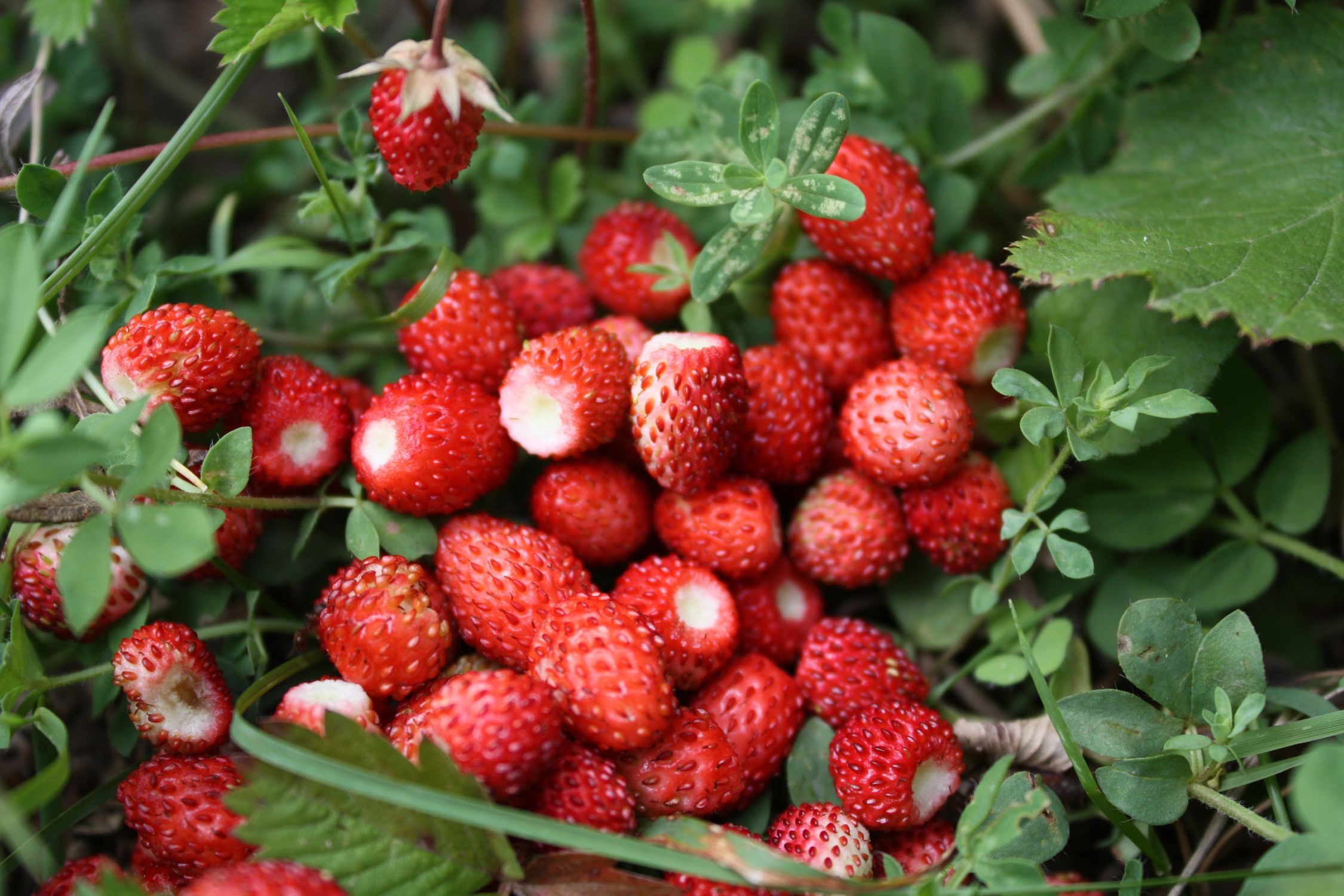
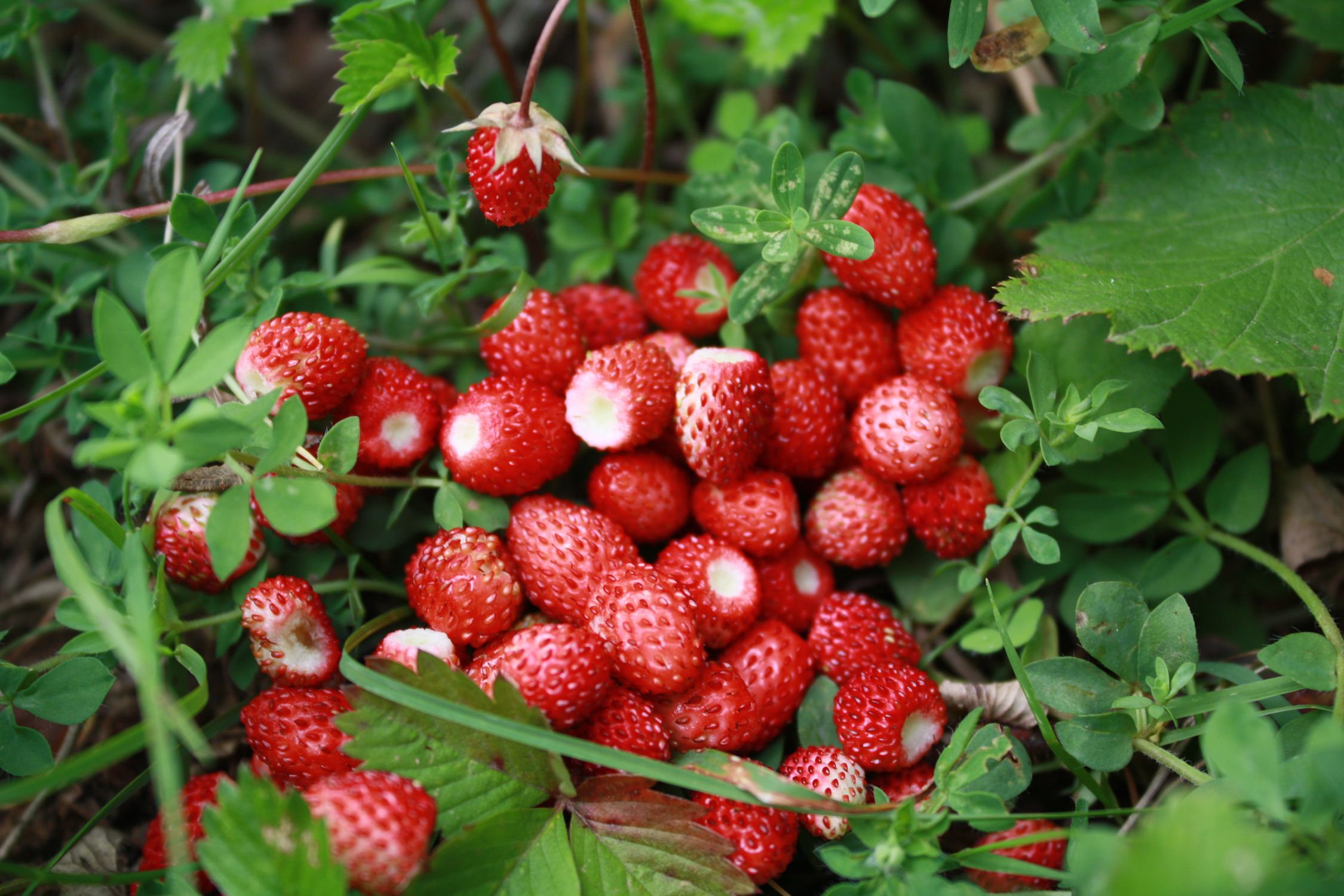
Alpine strawberries are a different species from the strawberries you buy in punnets. Garden strawberries are Fragaria x ananassa, a modern hybrid bred for size and yield. Alpine strawberries are Fragaria vesca — essentially a cultivated form of the wild woodland strawberry — and they've never been bred to bulk up. The fruit stays small, usually about the size of your thumbnail, but the flavour is far more concentrated: sweet, slightly musky, with a perfume that a big watery garden strawberry just doesn't have.
The other practical difference is how they grow. Garden strawberries spread by throwing out runners that root and form new plants, which is great for multiplying stock but means constant management if you don't want a strawberry patch taking over the bed. Alpine strawberries don't send out runners at all. They grow as neat, tidy clumps that just get slightly bigger each year, which makes them one of the few fruiting plants you can plant and largely leave alone. I've got a row of Mignonette edging a vegetable bed that hasn't needed touching beyond a trim in three years.
How to plant alpine strawberries
Plant alpine strawberries in spring or autumn, whichever suits your garden better — both work, and I've had good results with each. They're not fussy about soil as long as it's reasonably well-drained and has some organic matter dug in. Unlike garden strawberries, which sulk in shade, alpines will happily crop in partial shade, which makes them useful for spots under fruit trees or along a north-facing border where a normal strawberry bed wouldn't perform.
Because they don't spread by runners, alpine strawberries are one of the best small fruits for containers and edging. I grow mine along the front of a raised bed where they act as a low, permanent border, and they do just as well in pots on a patio. Space plants around 20-25cm apart if you're planting a row or block — they'll fill in as neat clumps rather than sprawl into each other.
Grow from small plug plants for the quickest results, or from seed if you're patient. Seed-grown alpines take a full season to bulk up before they crop properly, so plug plants or divisions from an existing clump will get you fruit much faster.
Caring for alpine strawberries
Alpine strawberries need very little looking after once established. Water them during dry spells, particularly if they're in containers, since pots dry out faster than open ground. A light feed with a general liquid feed in spring gives them a boost going into the main cropping season, but they don't need the heavy feeding regime that bigger strawberry varieties do.
Deadhead spent flowers if you want to tidy the plant up, though it's not essential — alpines flower and fruit continuously through the season rather than in one flush, so there's always a mix of flowers, green fruit and ripe fruit on the plant at once. The absence of runners means there's no summer job of snipping them off and potting up new plants, which is one less task than you'd have with garden strawberries.
Clumps will slowly increase in size year on year. After three or four years you can lift and divide an established clump in autumn if it's getting congested, which also gives you free plants to fill in gaps elsewhere.
Harvesting alpine strawberries
Alpine strawberries crop from June through to October, giving you a long, steady trickle of fruit rather than one big glut. This is one of the main reasons I'd recommend them over garden strawberries for anyone growing fruit for fresh eating rather than jam-making — you get a handful every few days across five months instead of everything ripening in the same fortnight.
Pick when the fruit is fully red all over. Alpine strawberries don't ripen much further once picked, so leaving pale or pink fruit on the plant "to finish" doesn't work the way it can with some other fruits — wait for full colour. The fruit bruises easily and doesn't store well, so treat picking as a little-and-often job and eat them the same day if you can. They're too delicate and too good to be worth freezing in my opinion; save your freezer space for loganberries or blackcurrants and eat alpine strawberries fresh.
Popular UK varieties
Mignonette is the variety most commonly sold in the UK and a reliable starting point — compact, heavy-cropping for its size, and widely available as plug plants. Alexandria is another popular choice, slightly larger-fruited with good vigour. Reine des Vallées (sometimes sold simply as "alpine strawberry") is an older French variety prized for its flavour and is worth seeking out if you want the most intensely perfumed fruit. All three are runnerless and behave the same way in the garden, so the choice comes down to fruit size and where you can source plants or seed.
Frequently Asked Questions
Do alpine strawberries need a lot of space?
No. Because they don't produce runners, alpine strawberries stay as compact clumps and are one of the best small fruits for containers, pots and edging borders where a spreading garden strawberry would be unsuitable.
Can alpine strawberries grow in shade?
Yes, alpine strawberries tolerate partial shade better than garden strawberries and will still crop reasonably well in a spot that only gets a few hours of direct sun a day, though full sun gives the best flavour.
How long do alpine strawberry plants live?
An established clump can keep producing well for three to four years before it benefits from being lifted and divided in autumn, which also gives you free new plants.
Why are my alpine strawberries so small?
Small fruit is normal — alpine strawberries are a different species (Fragaria vesca) from garden strawberries and have never been bred for size, only flavour. If fruit seems unusually tiny or dry, check the plant isn't short of water during warm spells, since containers in particular dry out fast.
If you want to know why alpine strawberries taste so different in the first place, I've written more on that in why alpine strawberries taste like no strawberry you've ever bought. And if you're curious about their wild cousins growing hedgerows and woodland edges, see my guide to foraging wild strawberries in the UK.