What Are Loganberries?
The loganberry is one of the great happy accidents of horticulture, and I never tire of telling the story. Back in 1881, Judge James Harvey Logan of Santa Cruz, California, was tinkering with blackberry varieties in his garden when a nearby raspberry naturally cross-pollinated with one of his blackberry plants. What came up was something nobody had seen before: a large, elongated, deep reddish-purple berry with a flavour more complex and intense than either of its parents.
Loganberries (Rubus × loganobaccus) took off quickly in British gardens in the early 20th century, especially for jam and cooking, and for a good while they were a staple of allotments and cottage gardens up and down the country. Then, sad to say, they slipped out of fashion, edged aside by flashier newer hybrids like the tayberry and the boysenberry, and the ease of grabbing fruit from a shop. I think that's a genuine shame, because loganberries crop abundantly, taste wonderful, and ask very little of you in return. If any old berry is due a revival, it's this one.
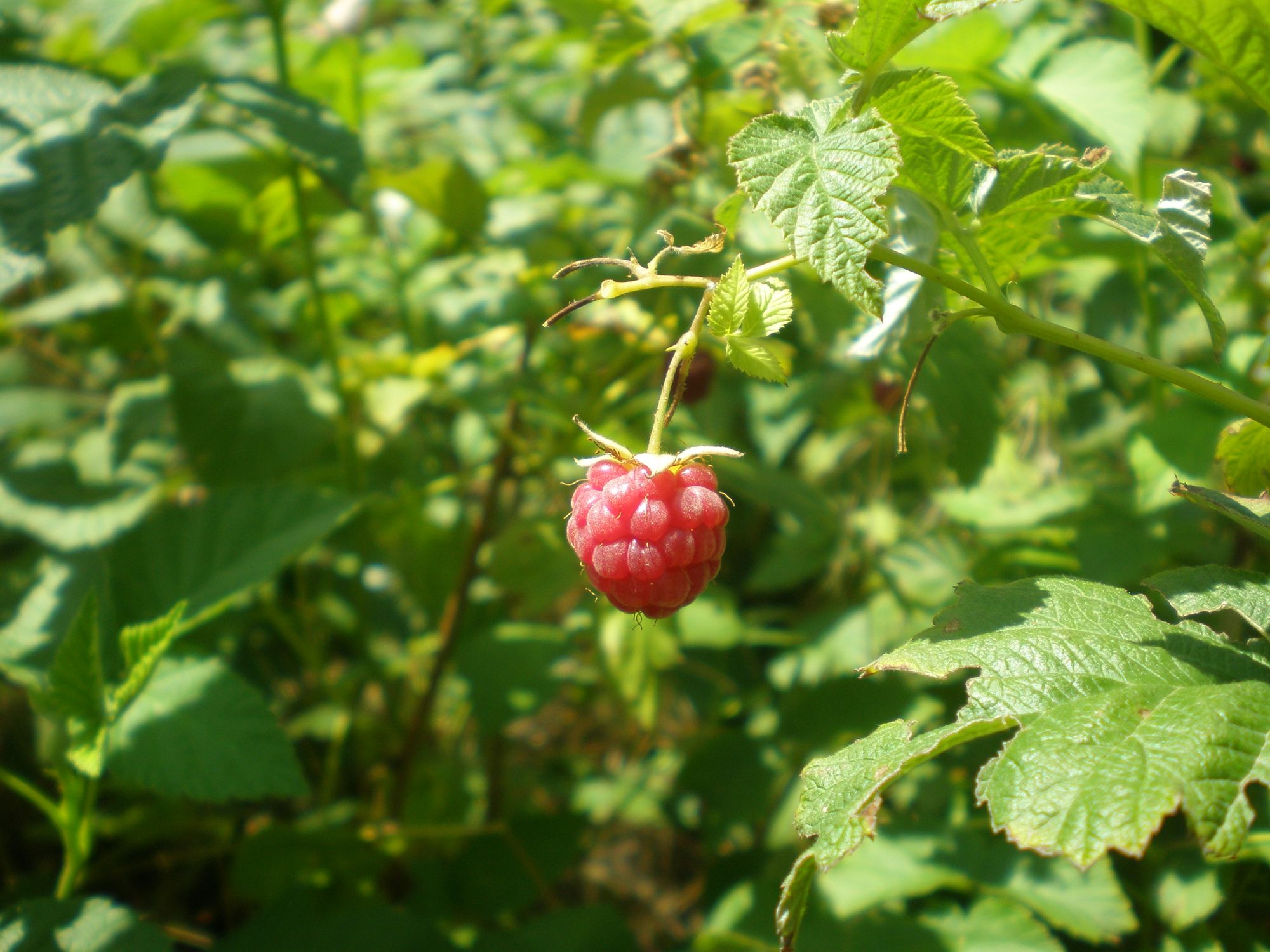
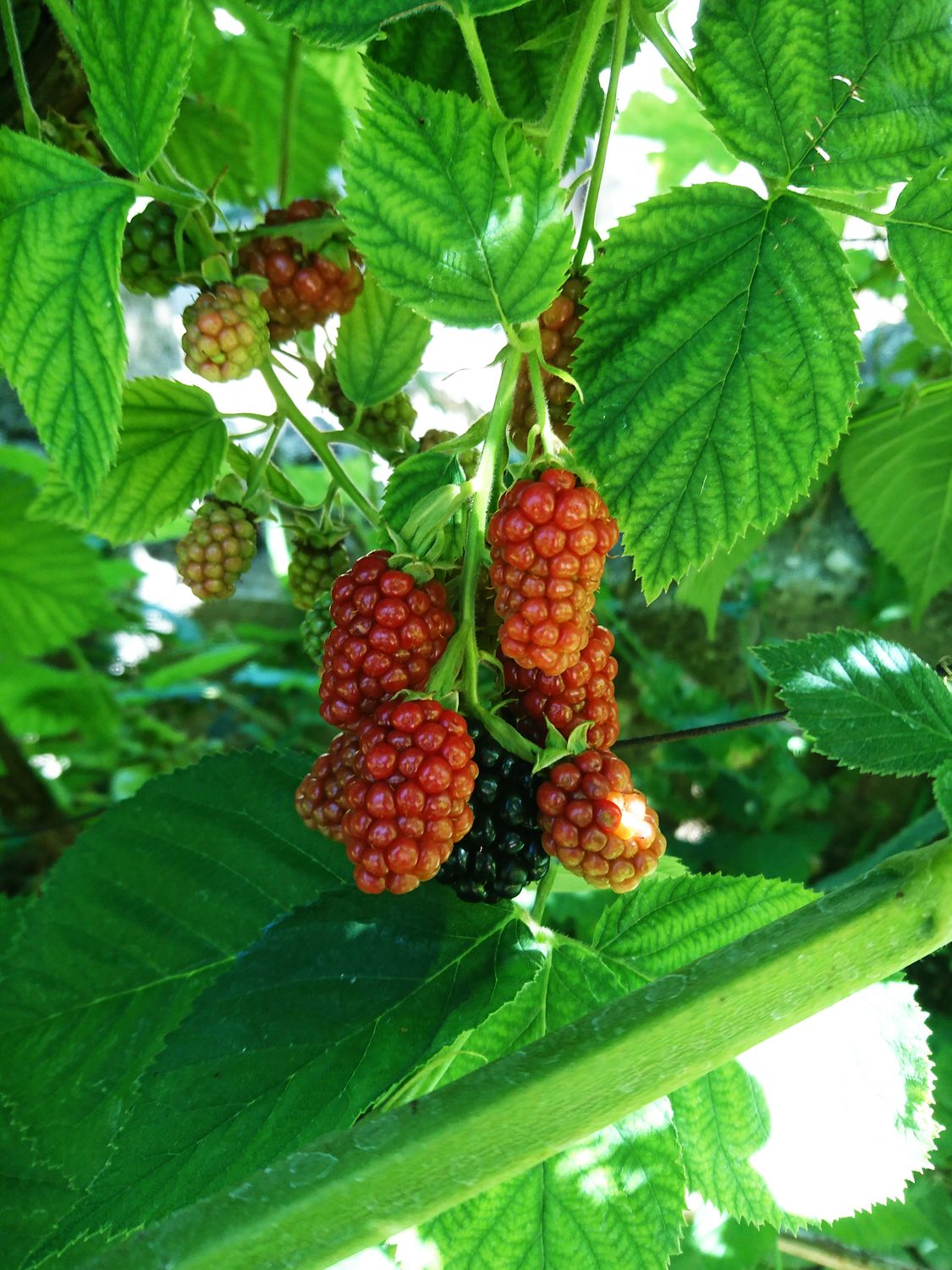
The berries themselves are larger and more elongated than raspberries, typically 3 to 4cm long, ripening to a deep wine-red. The flavour is sharper and more complex than either raspberry or blackberry, and gloriously tart when cooked, which in my view makes them just about the finest berry for jam and pies you can grow in a British garden.
How to Grow Loganberries in the UK
Site and Soil Requirements
Soil requirements: fertile, well-drained; pH 6.0–6.5 preferred (tolerates 5.5–7.0). Avoid waterlogged ground. Position: full sun to partial shade; south or west-facing wall or fence ideal, not essential.
Loganberries are remarkably undemanding. They'll grow in any fertile, well-drained soil in full sun or partial shade, and while a slightly acidic to neutral pH of 6.0 to 6.5 is the sweet spot, they'll tolerate a fair bit either side without grumbling. The one thing they won't forgive is waterlogged ground, which invites root rot.
If I had a spot to spare, I'd give them a sunny wall or fence where the canes can be trained along horizontal wires. A south or west-facing aspect is ideal, but don't despair if you haven't got one, because loganberries still crop well in partial shade and are altogether less fussy about light than raspberries.
Planting
Plant bare-root canes between November and March while they're dormant. Container-grown plants can go in at any time of year, though I'd choose autumn if I had the choice. Whatever you do, dig in plenty of well-rotted compost or manure first.
Space the plants 2.5 to 3 metres apart, because these are vigorous growers and they need room to spread. Against a wall or fence, fix horizontal wires at 60cm, 1m and 1.5m high, using vine eyes and properly tensioned wire. Set each plant at the same depth as the nursery soil mark on the stem, water it in well, and finish with a thick mulch of bark chippings or compost around the base.
Training and Support
Loganberry canes are long and whippy, often reaching 2 to 3 metres, so they need support and training to keep the patch tidy and the picking manageable. The simplest method is to fan the canes out along your horizontal wires, tying them in with soft garden twine.
Here's a trick worth its weight in gold: train this year's fruiting canes to one side and the new growth to the other. Come autumn, pruning becomes a breeze, because you can cut out the whole fruited side without so much as touching next year's canes.
Growing Loganberries in Pots
Yes — loganberries can be grown in containers, and with the right setup they crop reliably. You'll need a large pot of at least 50 litres with a sturdy obelisk or trellis for support. Use John Innes No. 3 mixed with multipurpose compost, water consistently through the growing season, and feed fortnightly with a balanced liquid fertiliser. For a full guide to variety choice, pot size, and care, see the dedicated guide to growing loganberries in pots.
Best Varieties for UK Gardens
| Variety | Description | Where to Buy |
|---|---|---|
| LY 59 (Original) | The classic thorny loganberry. Extremely vigorous with the most intense flavour. Heavy cropping. Best for gardeners who do not mind thorns. | Chris Bowers, specialist nurseries |
| LY 654 (Thornless) | A thornless sport of the original. Slightly less vigorous but much easier to handle when pruning and picking. The flavour is excellent and nearly identical to the thorny form. My recommended choice for most gardeners. | Thompson & Morgan, Crocus, Chris Bowers |
Care and Maintenance
Pruning
Loganberries fruit on canes that grew the previous year, the floricanes. The pruning couldn't be simpler: once you've harvested in late summer or early autumn, cut all the canes that have fruited right down to ground level. Tie in this season's new canes, which will carry next year's crop, and thin out any weak or overcrowded ones, keeping the 6 to 8 strongest.
Feeding and Mulching
In early spring, around March, scatter a general-purpose fertiliser such as Growmore at roughly 70g per square metre around the base of the plant. Follow that with a generous mulch of well-rotted manure or garden compost, keeping it clear of direct contact with the stems. That one job feeds the plant, locks in moisture and keeps the weeds down all at once.
Propagation
Loganberries are wonderfully easy to multiply by tip layering, and it's free. In July or August, bend the tip of a healthy new cane down to the ground and bury it 10 to 15cm deep in a small hole, pinning it with a wire peg if it won't stay put. By the following spring the tip will have rooted, and you can sever it from the parent and transplant it. I'd happily fill a whole patch this way.
Pests and Diseases
Loganberries are generally robust and trouble-free, but a handful of things are worth keeping an eye on:
- Raspberry beetle — the most common pest. Small brown beetles lay eggs on the flowers, and the grubs then feed inside the fruit. Spray with an approved insecticide at first flower, or use pheromone traps.
- Aphids — they'll colonise young shoots in spring. Encourage natural predators or reach for an organic insecticidal soap.
- Cane spot — purplish spots on the canes from a fungal infection. Cut out and burn affected canes, and keep the air moving around the plants.
- Botrytis (grey mould) — can take hold of the fruit in a wet summer. Pick regularly and whip off any mouldy berries the moment you spot them.
- Birds — they'll strip ripe loganberries with great enthusiasm. Net the plants or grow them in a fruit cage if you want a reliable crop for yourself.
Harvesting, Storage, and Preserving
Loganberries ripen from mid-July to late August across most of the UK. The berries shift from red to a deep, dark wine-red when they're fully ready. Pick them when they come away from the plug with a gentle tug; if you find yourself pulling hard, give them another day or two.
Fresh loganberries are delicate and won't keep, so use them within a day or two of picking. That's one of the reasons you so rarely see them in the shops, and as far as I'm concerned, another excellent reason to grow your own.
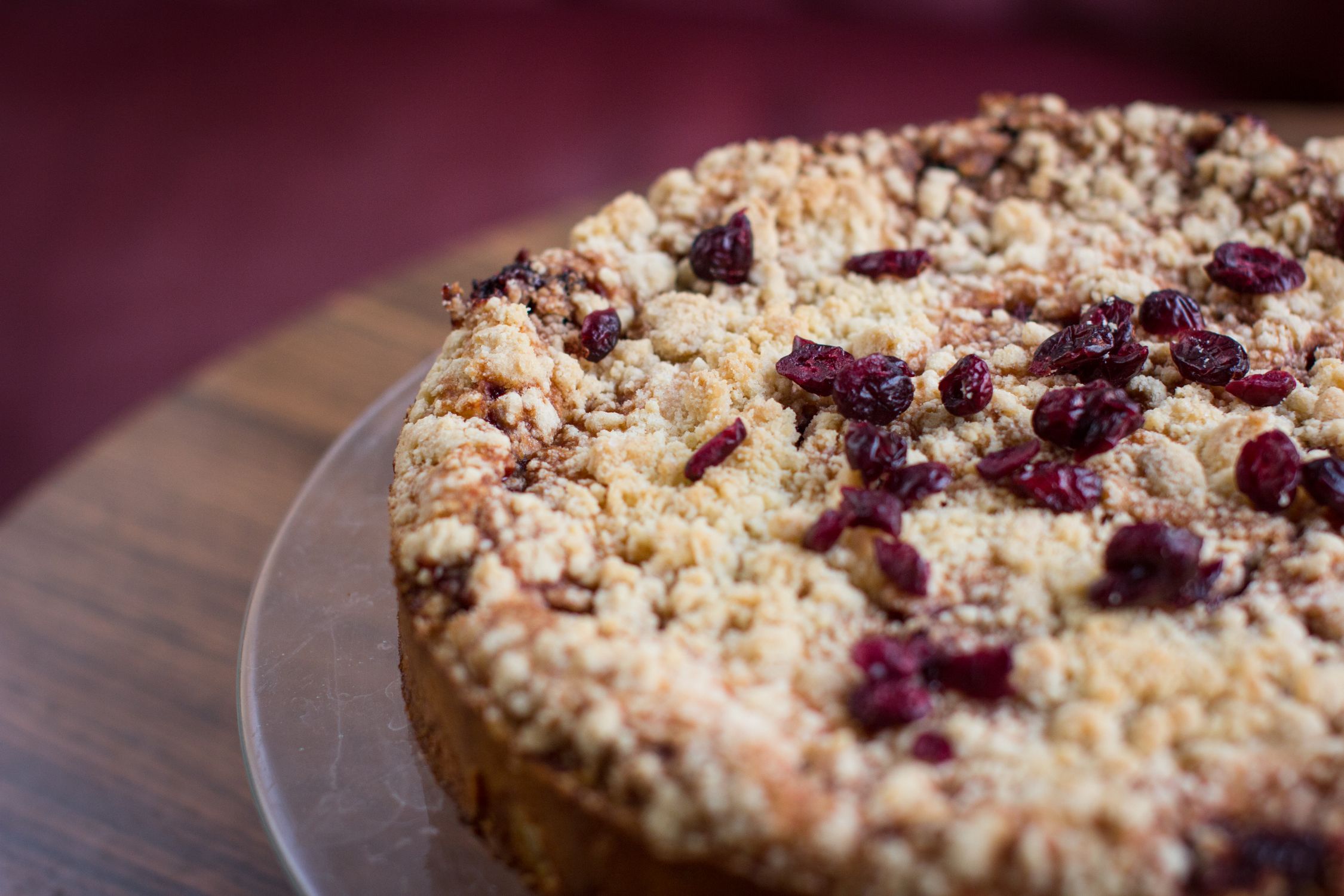
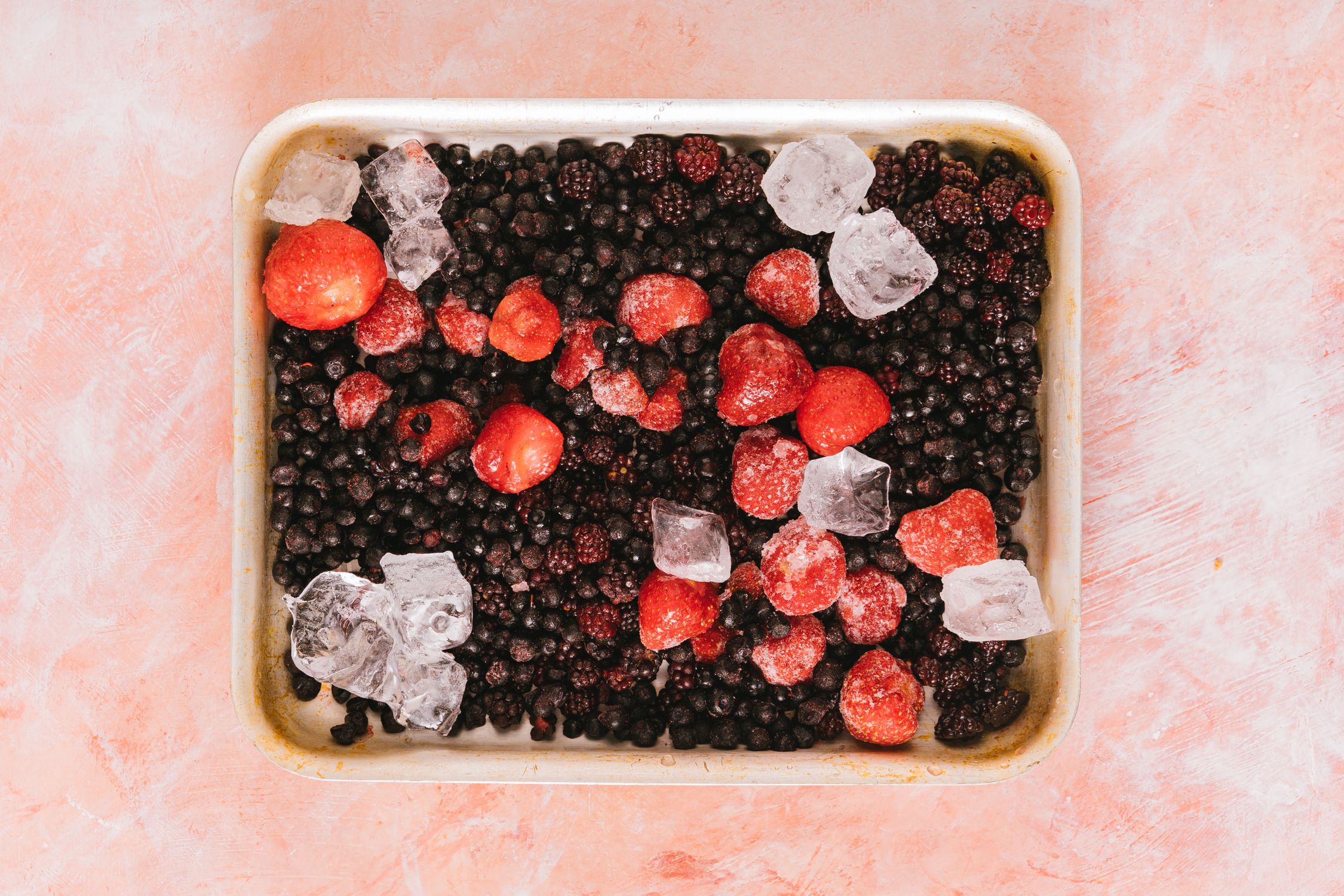
When it comes to preserving, freezing is the easiest route: spread the berries on a tray in a single layer, freeze until solid, then tip them into bags, where they'll keep their flavour for up to a year. Jam, though, is where they truly come into their own. Loganberry jam is the stuff of legend, the natural tartness and high pectin content giving a deep, complex flavour and a reliable set, and plenty of jam connoisseurs rate it the finest of all British preserves. They're superb in pies and crumbles too, where the sharpness mellows and sweetens with sugar and heat, and loganberry wine has a long tradition here, producing a beautifully coloured, rich fruit wine.
Eating and Recipes
The flavour of a ripe loganberry is unmistakable: sharper and more acidic than a raspberry, with deeper, more complex fruity notes handed down from its blackberry parent. There's a rich, wine-like quality that only intensifies once you cook it. Eaten fresh from the garden on a warm day, though, that tart sweetness is something I find utterly irresistible.
A few of my favourite ways with them: loganberry jam, made by combining equal weights of fruit and sugar and bringing it to a rolling boil, which gives you one of the finest jams imaginable; loganberry crumble, the berries tossed with a little sugar under a classic butter, flour and oat topping, served with custard; and loganberry fool, sweetened stewed berries folded through whipped cream for a simple but stunning British pudding.
Nutritionally they're no slouch either, being an excellent source of vitamin C, manganese and dietary fibre, and carrying anthocyanins, the pigments behind that deep colour, which are powerful antioxidants.
Frequently Asked Questions
Can you eat loganberries fresh?
You can, yes, though they're noticeably tart next to a raspberry. Most people prefer them lightly sweetened or cooked, where the flavour really sings. But if you're one of those who loves a sharp, tangy fruit, a fresh loganberry is a proper treat.
What is the difference between a loganberry and a tayberry?
Both are raspberry-blackberry hybrids, but the tayberry came along much later, bred in 1979 at the Scottish Crop Research Institute, and it has larger, sweeter fruit. Loganberries are sharper, smaller, and better suited to cooking and jam, while tayberries are generally the ones you'd reach for to eat fresh. If you're weighing up the hybrids, my tayberry vs tummelberry comparison digs into the differences.
How long do loganberry plants live?
A well-looked-after loganberry will crop productively for 15 to 20 years or more. They're remarkably long-lived for soft fruit, which makes them excellent value for the space they take up.
Do loganberries need a pollination partner?
No, they don't. Loganberries are self-fertile, so a single plant will fruit happily on its own. Plant more than one, though, and you'll boost yields through better cross-pollination and end up with a bigger harvest.
Are loganberries good for jam?
They're widely reckoned to make the finest jam of any berry. The high acidity and natural pectin mean they set easily, and the flavour is deep, rich and complex. Plenty of preserve makers prize loganberry jam above all others, and I wouldn't argue with them.
Do loganberries spread?
Happily, no — not in the invasive way raspberries do. Loganberries grow from a single crown, throwing up their long canes from the base rather than sending suckers running off through the bed, so they stay where you put them and are easy to keep in bounds. If you do want more plants, you increase them deliberately by tip layering rather than digging up stray suckers. After years of chasing wandering raspberry canes across the garden, I find that restraint rather refreshing.
Are loganberries good for you?
Very. They're an excellent source of vitamin C, manganese and dietary fibre, and they're low in calories. Their deep wine-red colour comes from anthocyanins, the same family of antioxidant pigments found in blackberries and blackcurrants. So while I mostly grow them because they taste wonderful, you can feel thoroughly virtuous eating them too.
When is the best time to plant loganberries in the UK?
The best time for bare-root loganberries is between November and March, while they're dormant. Container-grown plants can go in whenever, but autumn planting gives them a chance to settle their roots before the growing season gets going.