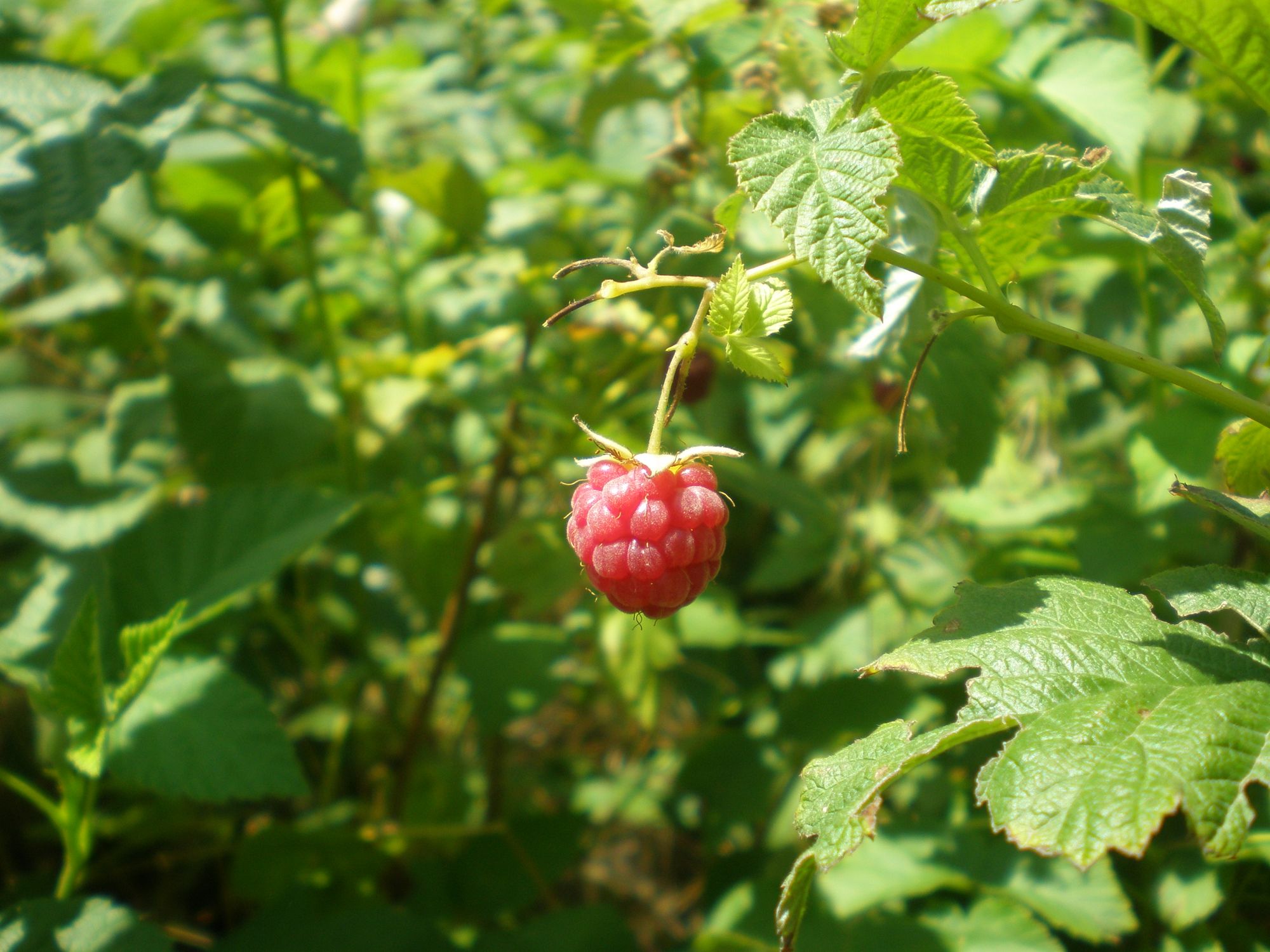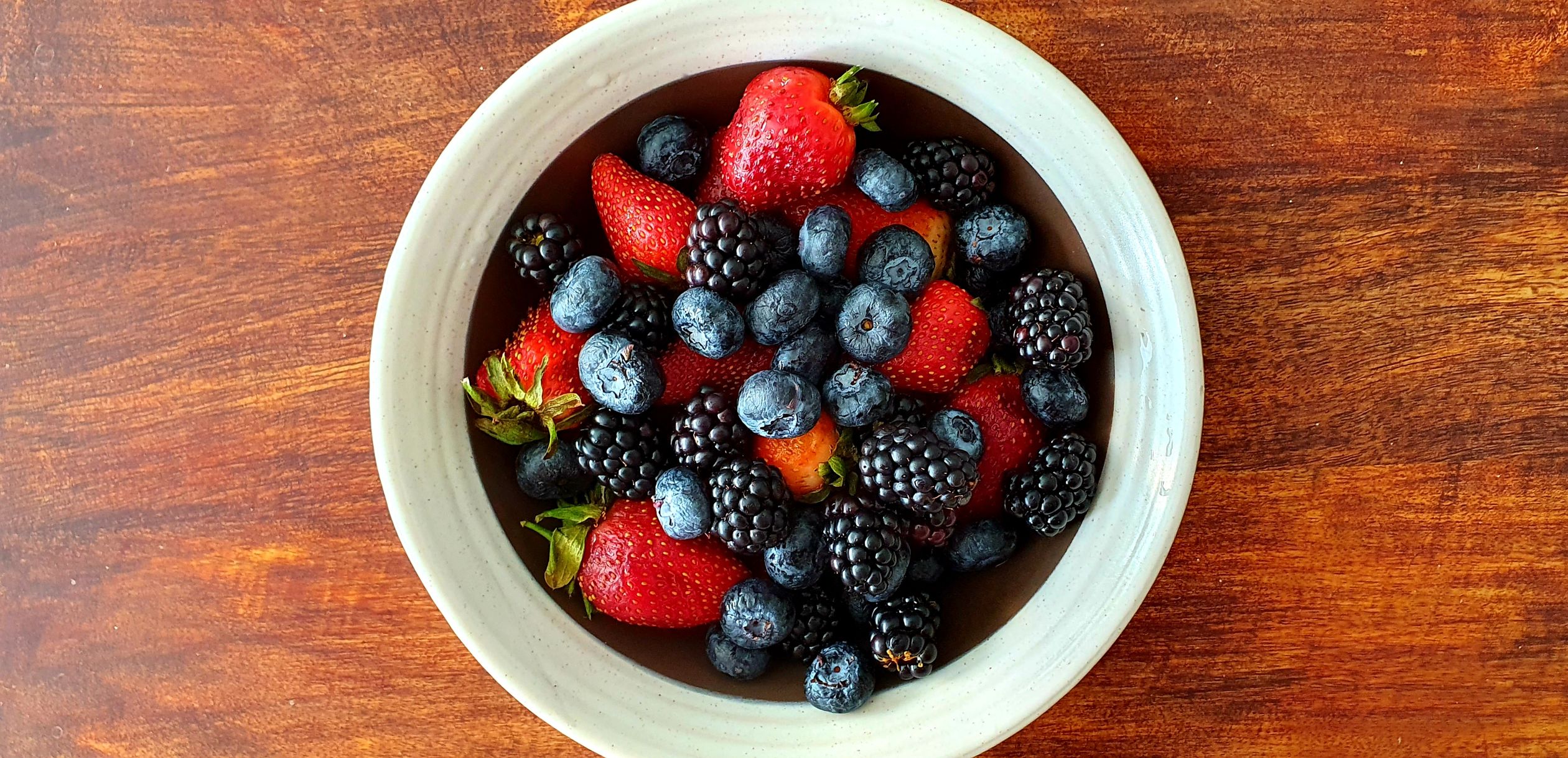
By late July, every loganberry grower faces the same happy problem: the plant is producing faster than anyone can eat with cream, and the question shifts from "how do I grow these" to "what on earth do I do with them all?" The short answer is that the loganberry is one of the best cooking berries in existence — that sharpness which makes it too much for some people raw is precisely what makes it magnificent against sugar, pastry, cream and spirits. Here's everything worth making, roughly in order of how quickly it deals with a glut.
Loganberry Jam — The Definitive Use
If you make one thing, make this. High pectin, high acidity and deep flavour make loganberry jam nearly foolproof — it sets without jam sugar and tastes far more expensive than it is. The full method, ratios and troubleshooting are in my step-by-step loganberry jam recipe; a kilo of fruit becomes four or five jars that keep a year.
Loganberry Crumble
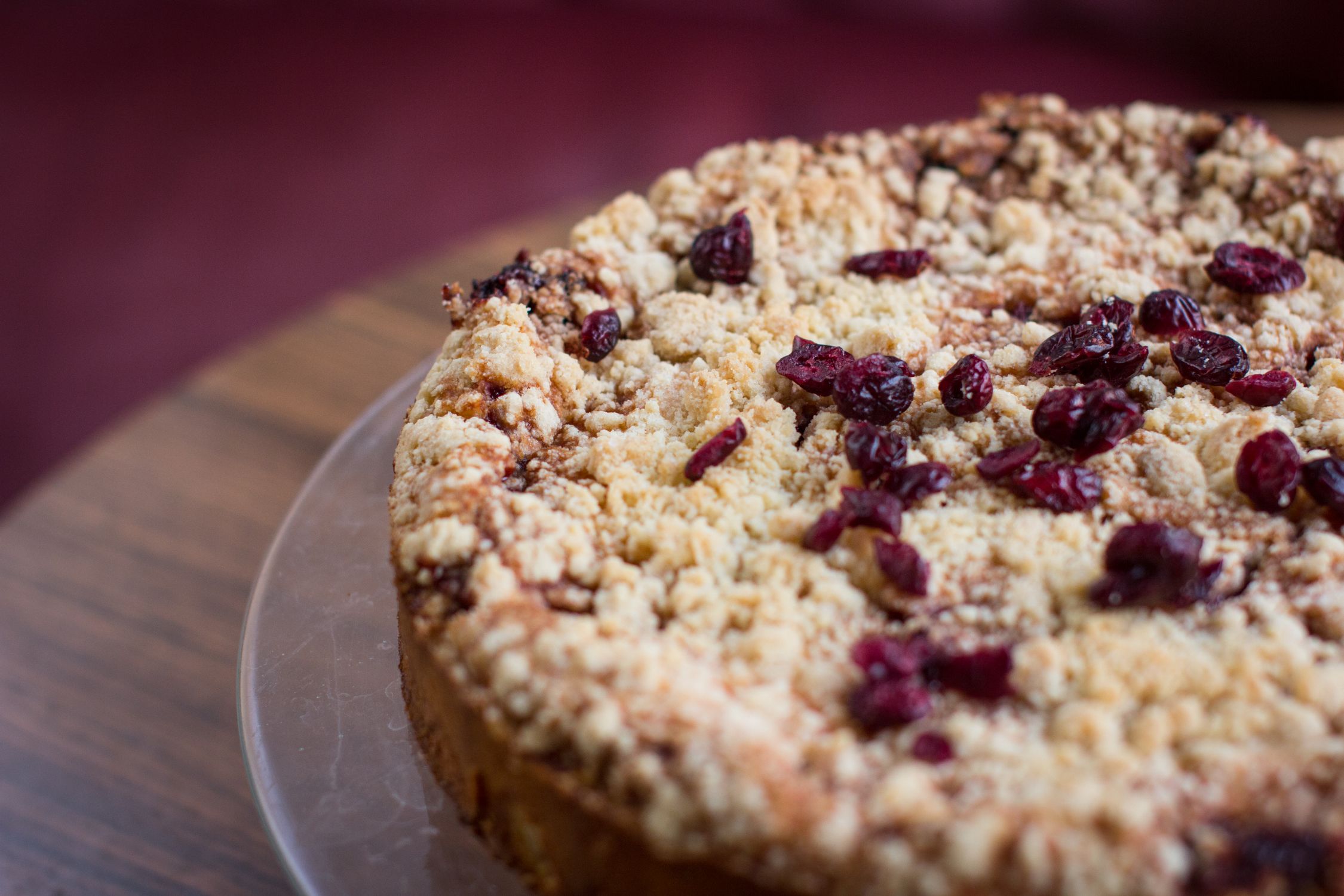
The best fruit crumble most people have never eaten. Use 600–700g of loganberries (straight from frozen works perfectly), toss with 3–4 tablespoons of sugar and one of cornflour to catch the abundant juice, and top with a rubble of 150g flour, 100g cold butter and 75g sugar — plus a handful of oats if you like texture. 35–40 minutes at 180°C until the juice bubbles crimson through the topping. The loganberry's sharpness stands up to the sweet topping the way a blackberry never quite does; pairing half-and-half with apple stretches the fruit and softens the edge for children.
Summer Pudding
The classic British use for exactly this kind of berry. Line a pudding basin with day-old white bread, fill with 700–800g of mixed berries (loganberries plus blackcurrants, raspberries and redcurrants) briefly simmered with 100–150g sugar until just bursting, seal with a bread lid, weight it, and refrigerate overnight. The loganberries do the heavy lifting here — their colour soaks the bread a spectacular deep crimson and their sharpness keeps the whole thing from cloying.
Loganberry Cordial
Simmer a kilo of fruit with 300ml water for ten minutes, strain through muslin without pressing (pressing clouds it), then dissolve 350–400g sugar per 500ml of juice back over a low heat with a squeeze of lemon. Bottle, refrigerate, and dilute one part to four with cold or sparkling water. It keeps two to three weeks in the fridge or freezes in bottles — and a splash makes a better kir than most things sold for the purpose.
Loganberry Gin
Everything sloe gin does, the loganberry does faster and brighter. Half-fill a jar with fruit, add 100g sugar per 400g of berries, top up with a bottle of gin, and shake every few days. Where sloes need three months, loganberry gin is drinkable in four to six weeks — a rich pink-red with the fruit's sharpness cut to a warm tartness. Strain, bottle, and the boozy leftover berries are outstanding over ice cream.
Loganberry Fool, Coulis and Ice Cream
For a fool: stew 300g fruit with 60g sugar, cool, sieve out the seeds if you prefer, and fold through whipped cream or a cream-and-custard mix. For a coulis: the same stewed, sieved purée, loosened with a little lemon — freeze it flat in bags and you've got cheesecake and pavlova sauce until next season. For ice cream: ripple that coulis generously through softened vanilla and refreeze. All three trade on the same trick — loganberry sharpness against dairy richness.
And Whatever's Left: The Freezer
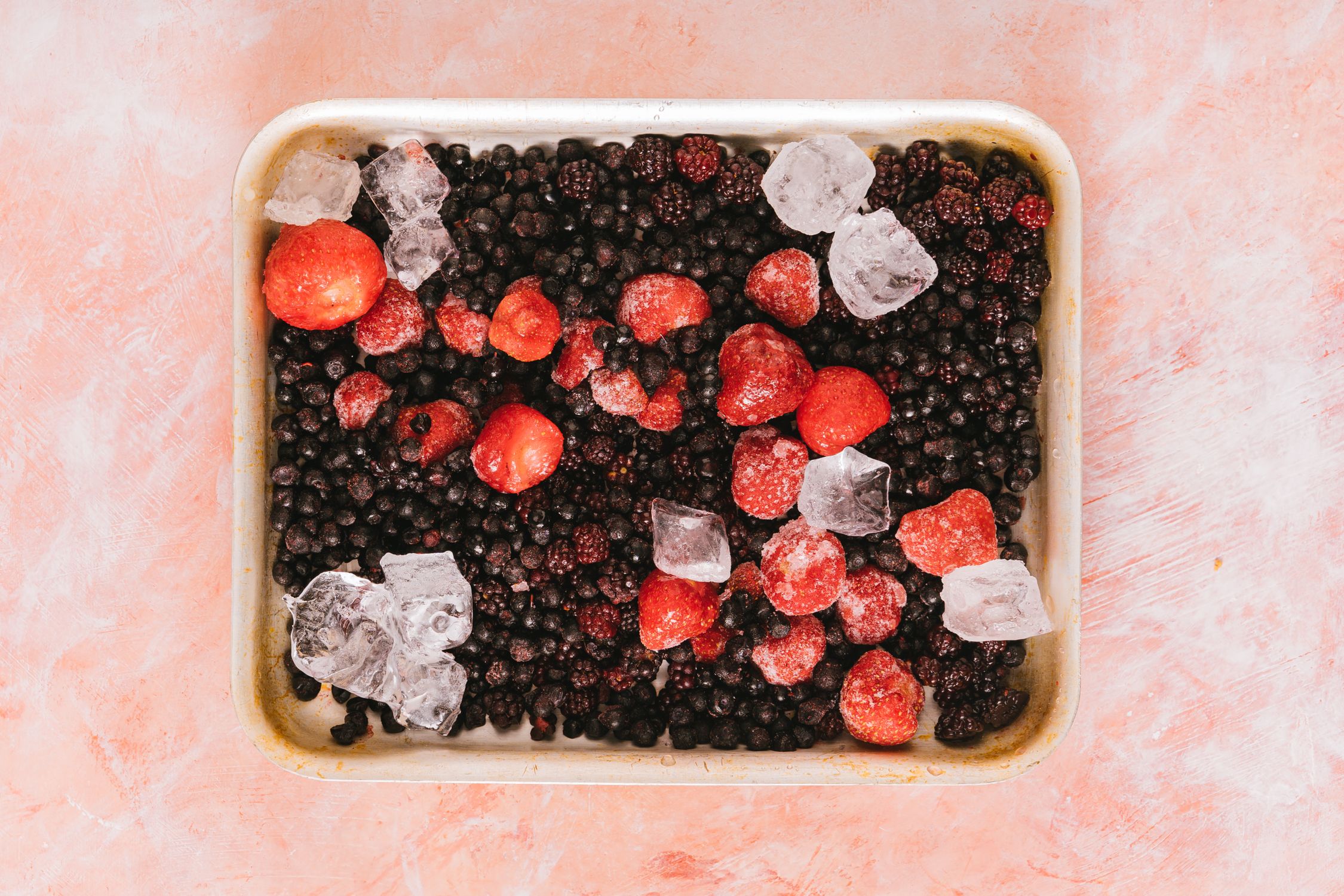
Anything you can't process this week, open-freeze on a tray and bag — loganberries freeze better than nearly any berry and cook from frozen without complaint. The full method (and why you shouldn't wash them first) is in my loganberry freezing guide, and every recipe above works from frozen fruit except eating them with cream — which is the one job only a fresh berry can do.
If the glut hasn't arrived yet and you're wondering when it will, the loganberry ripeness calendar covers exactly when and how to pick; and if you don't grow them yet, the complete growing guide is where the whole delicious problem starts.
Frequently Asked Questions
What can I do with a glut of loganberries?
In rough order of glut-clearing efficiency: freeze them (open-freeze on trays, then bag), make jam (a kilo of fruit per batch), make cordial or loganberry gin (500g+ per batch), then crumbles, summer pudding and fools for this week's eating. A mature plant's 4–5kg season is very manageable across those five uses.
Do you need to add pectin to loganberry recipes?
Not for jam — loganberries are naturally high in both pectin and acid, so jam sets reliably with ordinary granulated sugar. For crumbles and pies a spoonful of cornflour helps thicken the generous juice, but that's about texture rather than set.
Can you use frozen loganberries in these recipes?
Yes, in every cooked recipe — jam, crumble, cordial, coulis and gin all work from frozen fruit with no thawing needed, just a few extra minutes of cooking. The only uses that genuinely need fresh berries are eating them raw with cream and decorating desserts.
Are loganberries too sour to eat without sugar?
A properly ripe loganberry — deep matte claret, slightly soft — is sharp but pleasant raw, closer to a tart raspberry than anything unpalatable. Bright red berries are underripe and genuinely sour. Most people enjoy them raw with a little sugar and cream; in cooking, that acidity is exactly what makes them the best jam and pudding berry going.