| Botanical name | Rubus fruticosus agg. |
|---|---|
| Family | Rosaceae |
| Fruiting season | Late July–October |
| Habitat | Hedgerows, woodland edges, heaths, waste ground — everywhere |
| Edible raw? | Yes — the classic British wild fruit |
| Dangerous look-alikes | None among UK Rubus species |
Blackberrying is the one bit of foraging almost every British person has done, usually before they'd ever heard the word "foraging" — and yet most people's haul is a fraction of what the same hedgerow would give someone who knows what they're doing. Where to look, when each spot peaks, which berries to leave, and what the law actually says: here's the complete guide to Britain's favourite free harvest.
Identifying Wild Blackberries
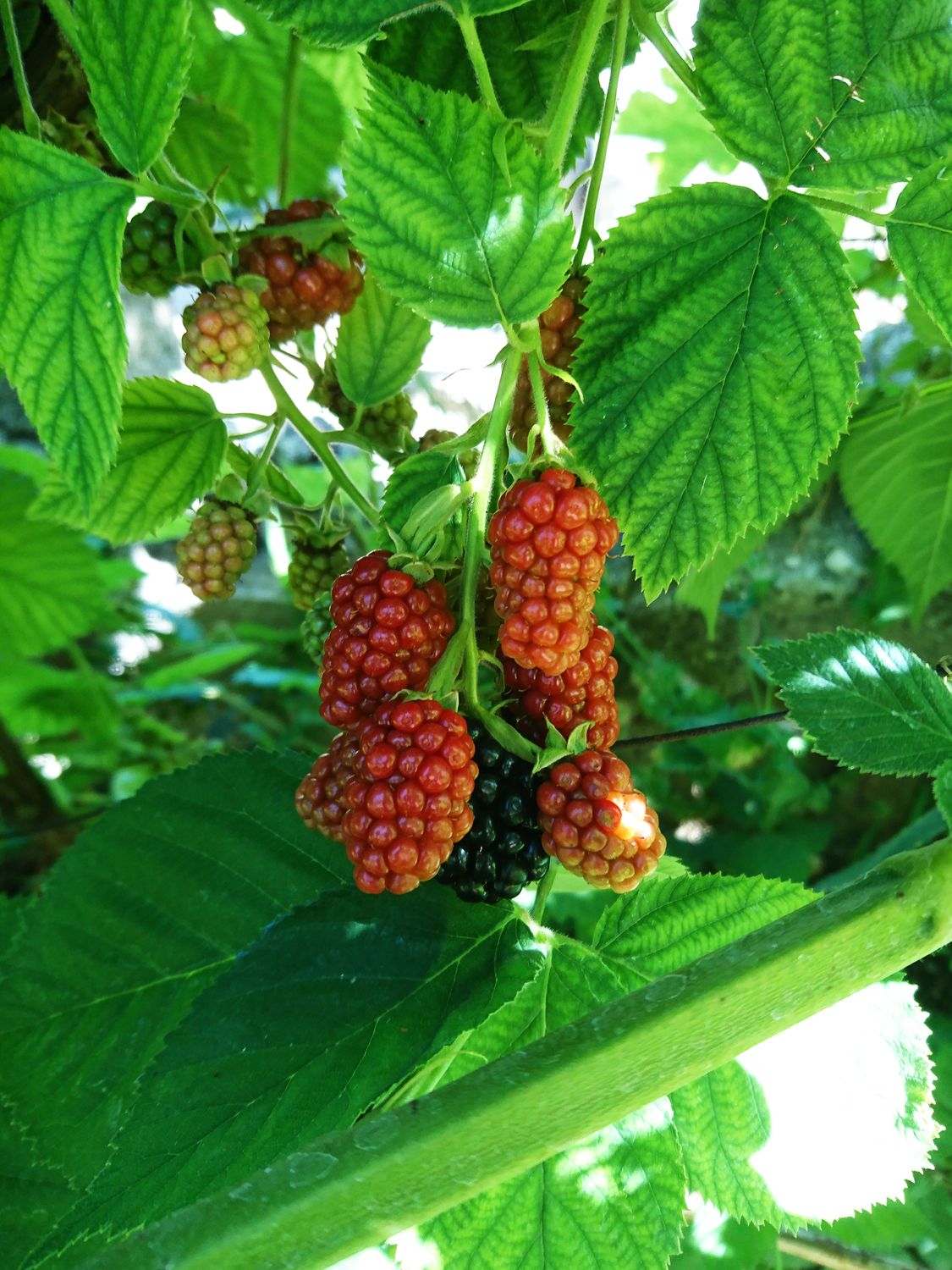
The bramble needs little introduction: long, arching, viciously thorned canes; leaves of three to five toothed leaflets; white or pale pink five-petalled flowers from May to August; and the familiar berry made up of many small, glossy drupelets that ripens from green through red to deep purple-black.
What most people don't know is that "the blackberry" is really an aggregate of over 300 microspecies in the UK, which is why the bush at the end of your road fruits two weeks earlier than the one in the park, and why some patches are consistently sweeter, larger or seedier than others. All of them are edible — and there are no dangerous look-alikes among British Rubus species, which is exactly what makes blackberrying the perfect first foraging skill. The one plant worth telling apart is the dewberry, a smaller, earlier, blue-bloomed cousin — and that's a bonus find, not a hazard.
When Are Blackberries Ripe in the UK?
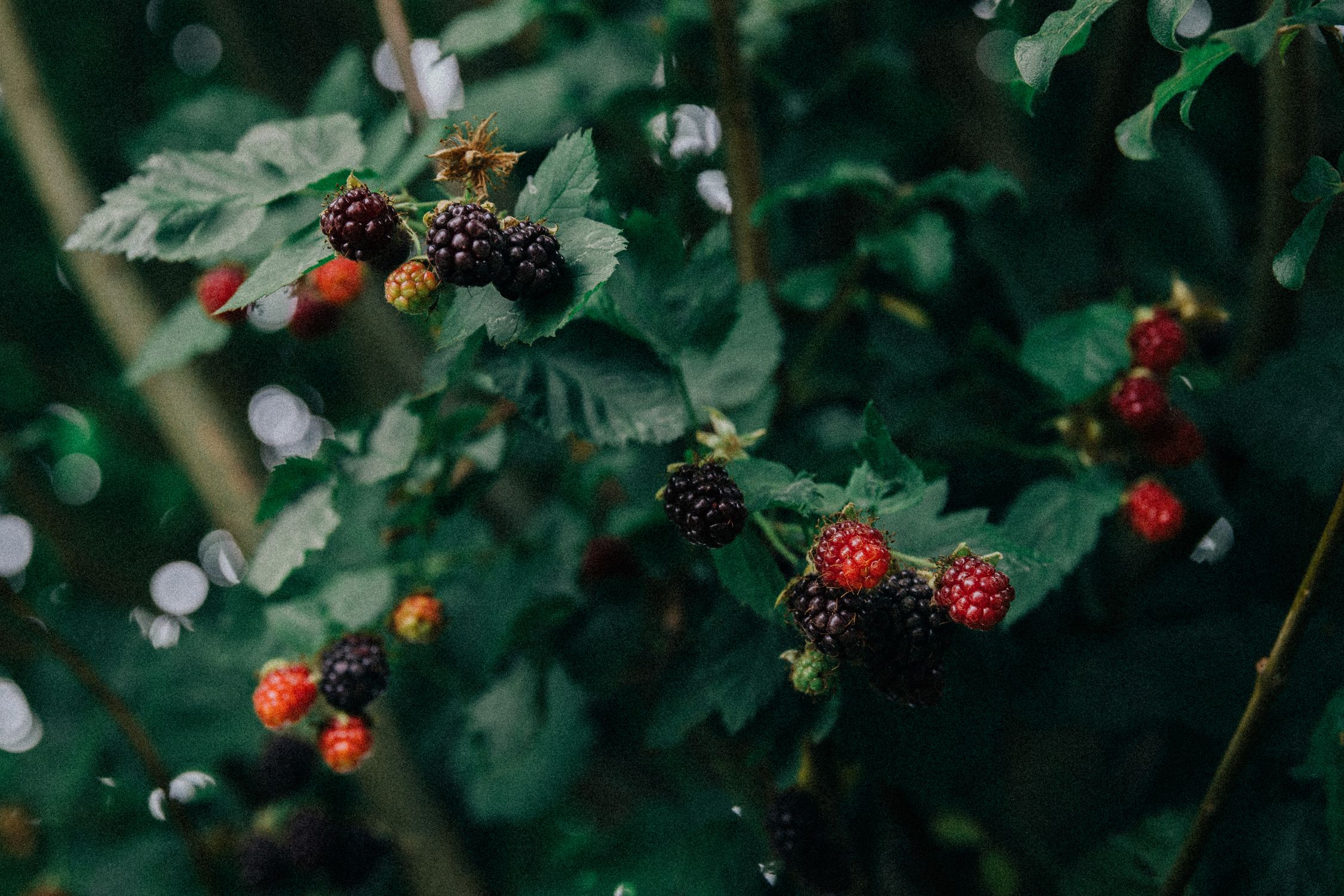
The season runs from late July in warm southern spots through to October, peaking in late August and September for most of the country. Individual berries on the same cluster ripen at different times — the tip berry (the "king" berry, first to flower) ripens first and is usually the largest and sweetest of the cluster.
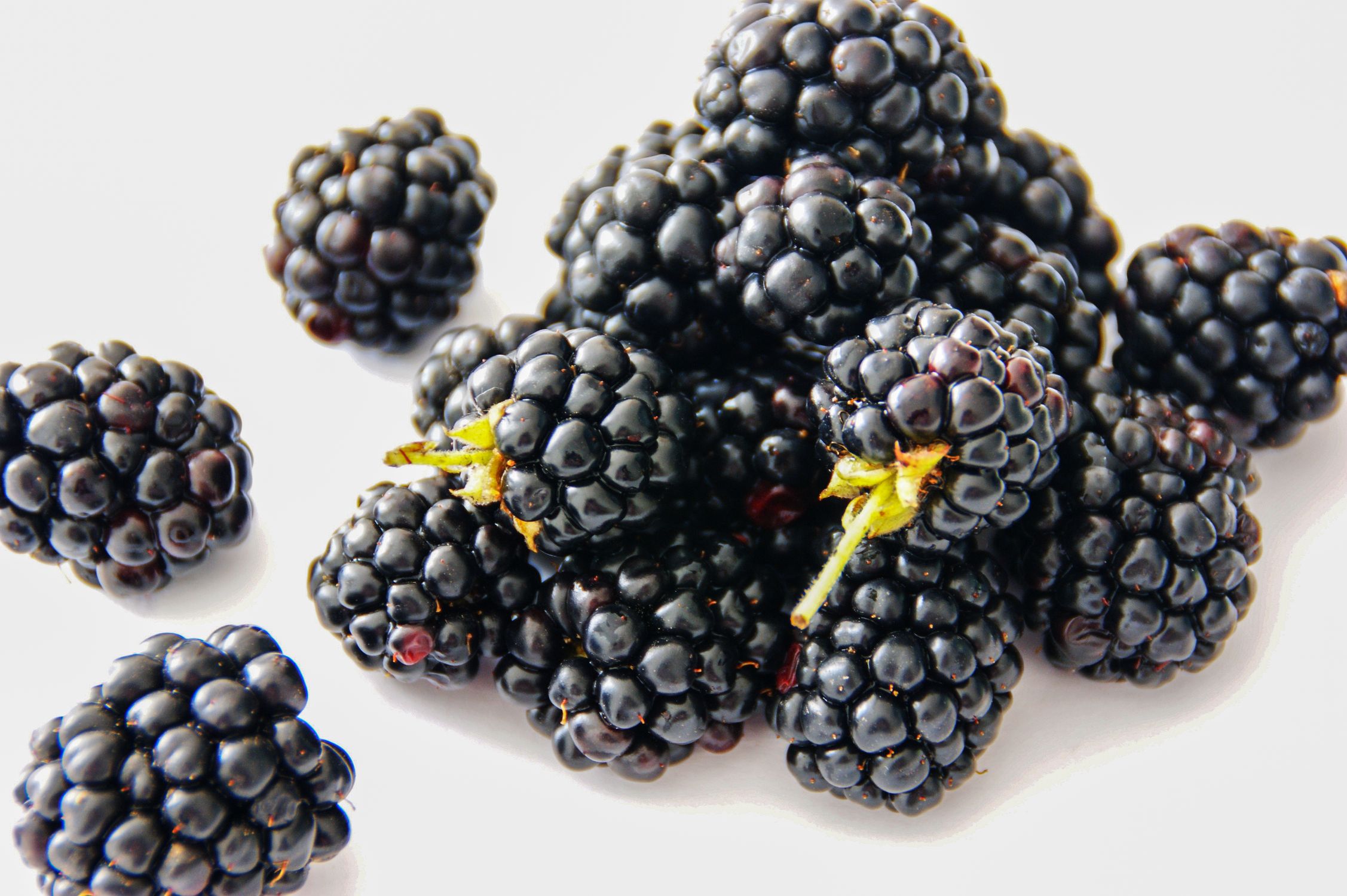
A ripe blackberry is fully black, plump and slightly soft, and comes away from the stalk with the gentlest pull, leaving its core behind (unlike a dewberry, which keeps its core). Any berry that needs a tug isn't ready — and unlike shop fruit, a wild blackberry never sweetens after picking, so there's no point taking red-tinged ones.
Tradition says don't pick blackberries after Michaelmas (29 September), when the devil is said to have spat on them. The folklore has a practical core: by October the fruit is often mushy, flyblown and losing flavour, and the late berries are better left for the birds anyway.
Where to Find the Best Blackberries
Brambles grow almost everywhere, but the best picking spots share a few traits:
- Sunny, south-facing edges — sun ripens fruit sweeter and earlier. The shady side of the same hedge can be two weeks behind the sunny side.
- Away from busy roads — berries absorb little pollution, but road dust and spray drift coat the surface. Pick at least a few metres back from traffic and above knee height (below that is dog territory).
- Field margins, commons, old railway lines and woodland rides — big, established thickets crop far heavier than young growth.
- Somewhere slightly awkward — the accessible face of every popular bramble patch is stripped by mid-August. A walking stick to hook down high canes, and sleeves you don't mind sacrificing, reach the fruit everyone else left.
Is It Legal to Pick Blackberries?
Yes — in England, Wales and Northern Ireland, the Theft Act 1968 explicitly allows picking wild fruit, flowers, foliage and fungi growing wild on any land, for personal use. You cannot legally pick for commercial sale without the landowner's permission, you shouldn't uproot any plant, and ordinary trespass law still applies to where you're standing — stick to footpaths, commons and access land unless you have permission. In Scotland, the right of responsible access under the Land Reform Act covers foraging for personal use in most places. In short: filling a tub for the freezer is fine anywhere you're entitled to be.
Picking Technique and Kit
Take shallow containers rather than deep bags — blackberries crush under their own weight beyond a couple of layers, and a crushed haul turns to juice before you're home. Old ice cream tubs are perfect. Pick into one container and decant into a second in the shade; on a warm day, fruit left in the sun deteriorates within hours.
Leave the red and part-ripe berries for a return visit (a good patch gives two or three pickings a fortnight apart), leave the lowest fruit for wildlife and the dogs to argue over, and don't strip any single bush bare — blackberries are a serious autumn food source for birds, small mammals and late insects.
What to Do With Wild Blackberries
Eat the best raw within a day — wild blackberries don't keep. For the rest:
- Freeze them — open-freeze on a tray then bag, exactly as in my berry freezing and preserving guide. Frozen wild blackberries carry a crumble through the whole winter.
- Blackberry and apple — the classic pairing, in crumble, pie or jam. The apple adds pectin that blackberries lack, so the jam sets properly.
- Hedgerow jelly — combine with elderberries and haws from the same hedge for the definitive autumn preserve.
- Blackberry whisky or gin — the same method as sloe gin, ready faster.
Wild vs Cultivated Blackberries
Wild blackberries are smaller, seedier and more variable than garden varieties — and at their best, noticeably more intense. If you'd rather have the harvest without the scratches and the lottery, my guide to growing thornless blackberries covers garden varieties that crop heavily on smooth canes; the honest trade-off is that most thornless types give up a little wildness of flavour for their convenience.
Frequently Asked Questions
When is the best time to pick blackberries in the UK?
Late August through September for most of Britain, starting late July in warm southern spots. Pick on a dry day — wet blackberries turn mouldy within hours — and go back to the same patch every ten days or so through the season rather than trying to take everything at once.
Are there any poisonous berries that look like blackberries?
No British berry that could genuinely be mistaken for a blackberry is dangerous — the compound berry of many drupelets on a thorny cane is distinctive. The plants worth knowing about (deadly nightshade, woody nightshade) bear smooth single berries on thornless plants and look quite different once you know the features; my wild berry identification guide covers every one.
Should you wash wild blackberries?
Yes, briefly, just before eating or cooking — not before storing, since wet berries collapse quickly. A short rinse in cold water floats out the dust and the occasional resident insect. For freezing, most foragers freeze unwashed fruit from clean spots and rinse after thawing straight into the pan.
Why are the blackberries near me small and seedy?
Partly the microspecies lottery — over 300 subtly different wild blackberries grow in Britain and some are simply better than others — and partly conditions: drought makes small, seedy fruit, and shaded canes never develop full sweetness. If one patch disappoints, try another; the variation between bushes a mile apart can be remarkable.