There's a glorious, slightly panicked moment every summer when the berries all seem to ripen at once. The bushes are heaving, the bowls are full, and you've already eaten enough fresh fruit to feel faintly ill. This is the point where preserving stops being a nice idea and becomes a small emergency. The good news is that freezing berries is about the easiest preserving job there is, and done well it gives you a freezer full of summer to dip into all winter. Here's how I do it, plus a few other ways to make a glut last.
Open-freezing versus bagging straight away
If you tip a bowl of soft berries straight into a bag and freeze it, you'll get one solid, fused brick of fruit that's a nuisance to portion. The trick to avoid that is open-freezing. Spread the berries in a single layer on a tray lined with baking paper, so none of them are touching, and pop the tray in the freezer for a few hours until the berries are frozen hard. Then tip them into bags or boxes. Because each berry froze separately, they stay loose and free-flowing, and you can shake out exactly how many you need.
It takes ten extra minutes and it's worth every second. The only time I skip it and bag straight away is when I know the fruit is heading for jam or cordial anyway, where a clumped block doesn't matter a jot.
Which berries freeze well?
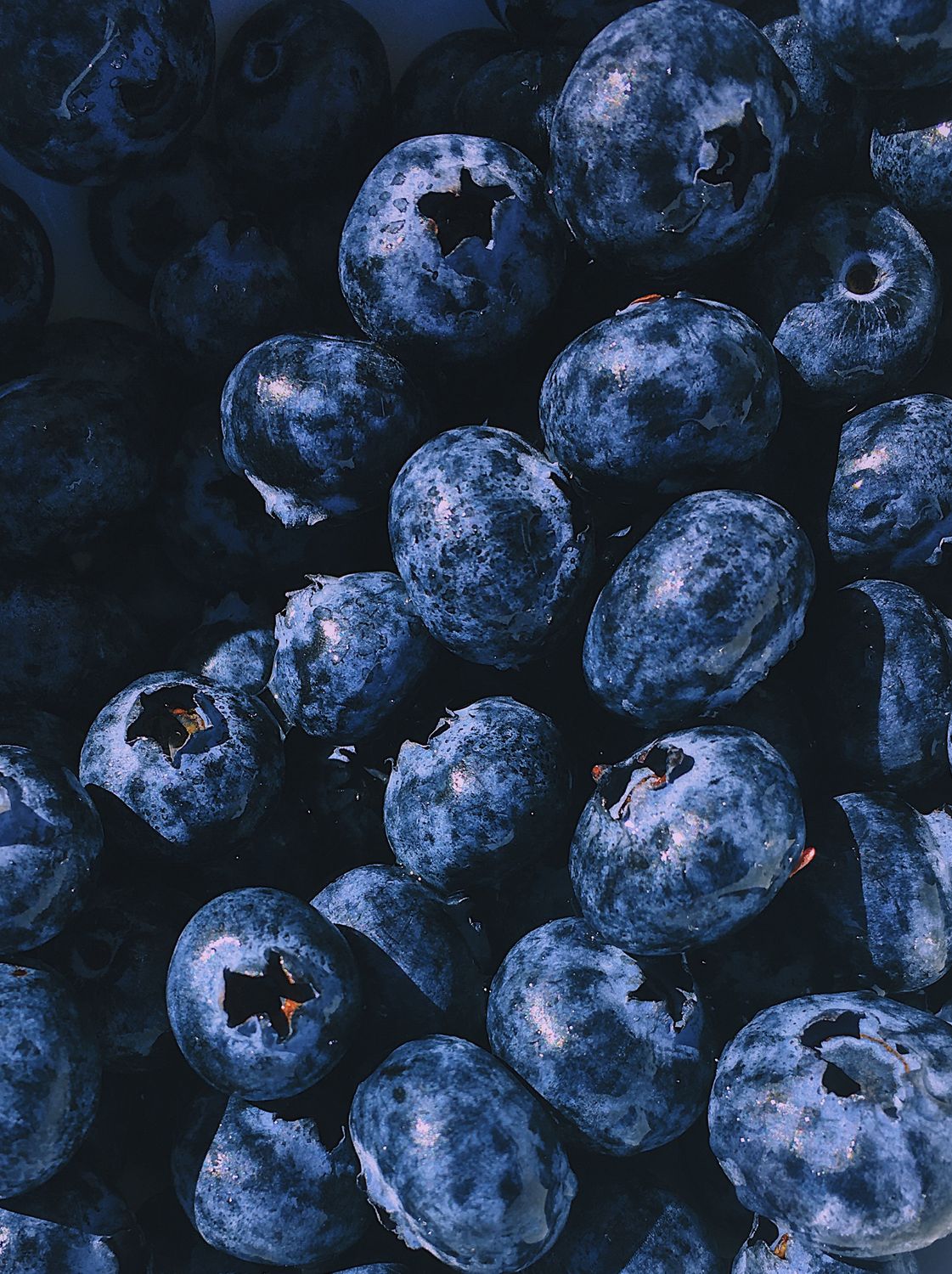
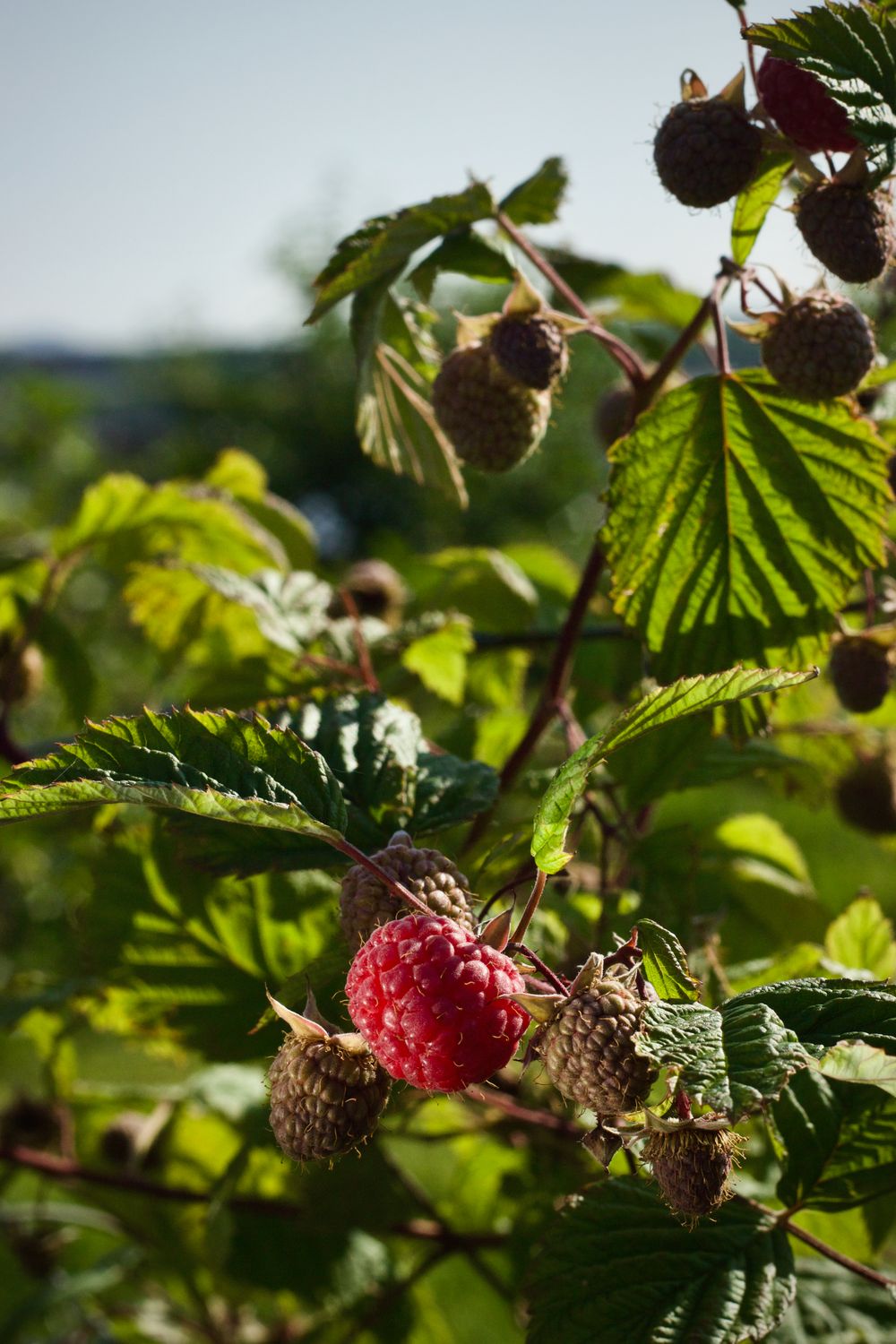
Some berries come out of the freezer almost as good as they went in, and some, frankly, don't. The sturdier fruits handle it best. Currants — black, red and white — freeze brilliantly and are a doddle to strip from their stalks while still frozen. Raspberries hold up well too, keeping their shape if you've open-frozen them. Blueberries are practically made for the freezer, staying firm and separate. Gooseberries freeze excellently and, like currants, they're easy to deal with straight from frozen.
Do strawberries freeze well?
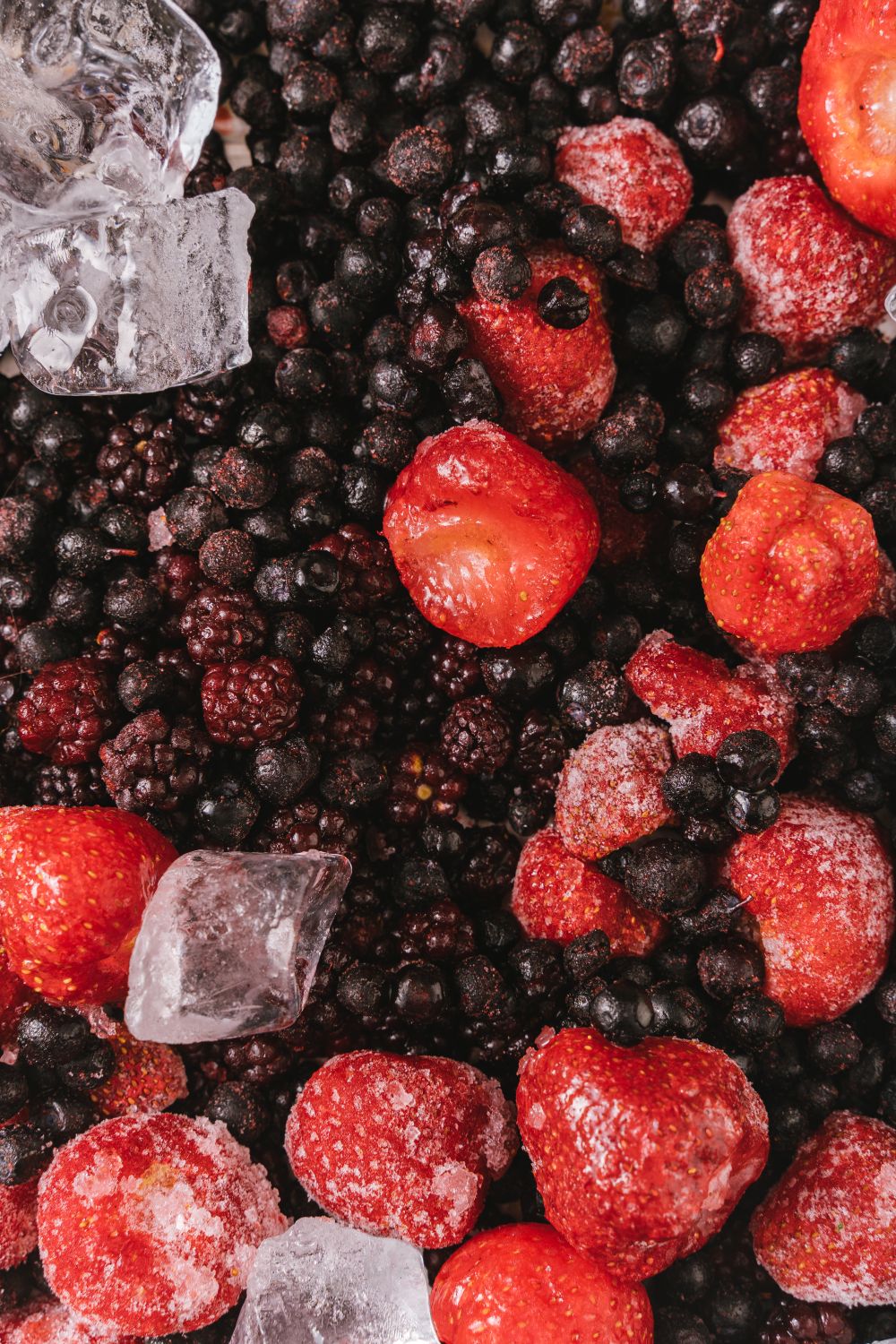
Not really, and it's worth being honest about it. Strawberries have such a high water content that the freezing process bursts their cell walls, so they thaw into something soft and slumped rather than the perky fresh berry you put in. That doesn't make them useless — far from it. Frozen strawberries are wonderful blitzed into smoothies, simmered into a quick sauce, or cooked down for jam. Just don't expect to defrost them and serve them with cream as if nothing happened. Think of frozen strawberries as cooking fruit, and you'll never be disappointed.
Prepping berries before they go in
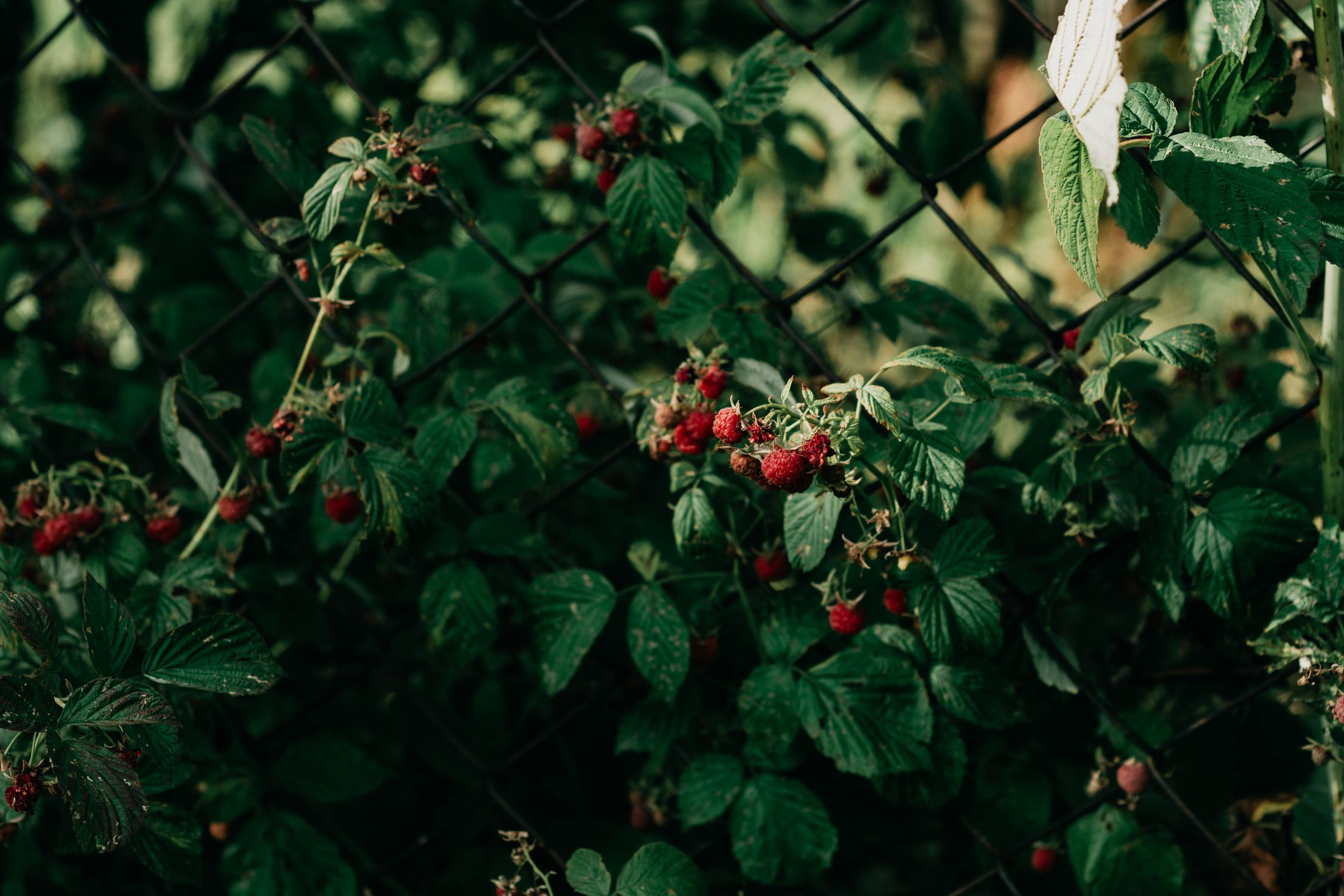
A little preparation now saves a lot of grumbling later. Pick over the fruit and discard anything mouldy, squashed or underripe. Pull off leaves and stalks — though with currants and gooseberries I often freeze them on the stalk and strip them afterwards, which is much quicker. Only wash berries if they really need it, and if you do, dry them as well as you can first, because surface water just turns to ice crystals. I tend to pick on a dry day and skip washing altogether where I can.
How long do frozen berries keep?
For best flavour and texture, aim to use frozen berries within about a year — they'll still be perfectly safe beyond that, but the quality slowly tails off. Bag them in sensible portions, squeeze out as much air as you can, and label everything with the contents and the date. I promise you will not remember in February whether that anonymous bag is blackcurrants or redcurrants. Freezing in flat, thin packets also helps them freeze fast and thaw quickly when you need them.
Other ways to preserve a glut
Freezing is my first port of call, but it isn't the only string to your bow, and a big harvest is a good excuse to try a few methods. Jam is the classic — currants and gooseberries are especially good as they're high in natural pectin and set readily. Cordial is a lovely way to use a lot of fruit fast; gently cook the berries with sugar and water, strain, and you've got a syrup to dilute through the summer. Drying works well for smaller fruits if you've a dehydrator or a very low oven, giving you chewy little berries for porridge and baking. And bottling — preserving fruit in syrup in sterilised jars — is an old-fashioned method that keeps fruit looking gorgeous on the shelf, though it does ask a bit more care over sterilising.
Using your frozen berries
Here's the lovely thing: most of the time you don't even need to defrost them. Throw frozen berries straight into crumbles, pies and cakes — they release their juice as they cook and you barely notice the difference. Drop them frozen into smoothies. Stir frozen currants into a pan with a little sugar for an instant compote over porridge or ice cream. If you do want them thawed, do it slowly in the fridge and use them promptly, as thawed soft fruit doesn't hang about. Once thawed, don't refreeze.
So when the bushes go into overdrive and you can't possibly eat it all, don't let a single berry go to waste. A couple of trays, a stack of labelled bags, and you'll be pulling handfuls of summer out of the freezer long after the garden's gone bare. That first winter crumble made with your own frozen fruit is a proper little triumph. Happy harvesting — Ash.
Berry-Specific Preserving Guides
This is the general method for every berry in the garden — for fruit-specific detail, freezing loganberries covers the berry that freezes best of all, and the jam guides for loganberries and blackcurrants turn a frozen glut into something that keeps for a year.