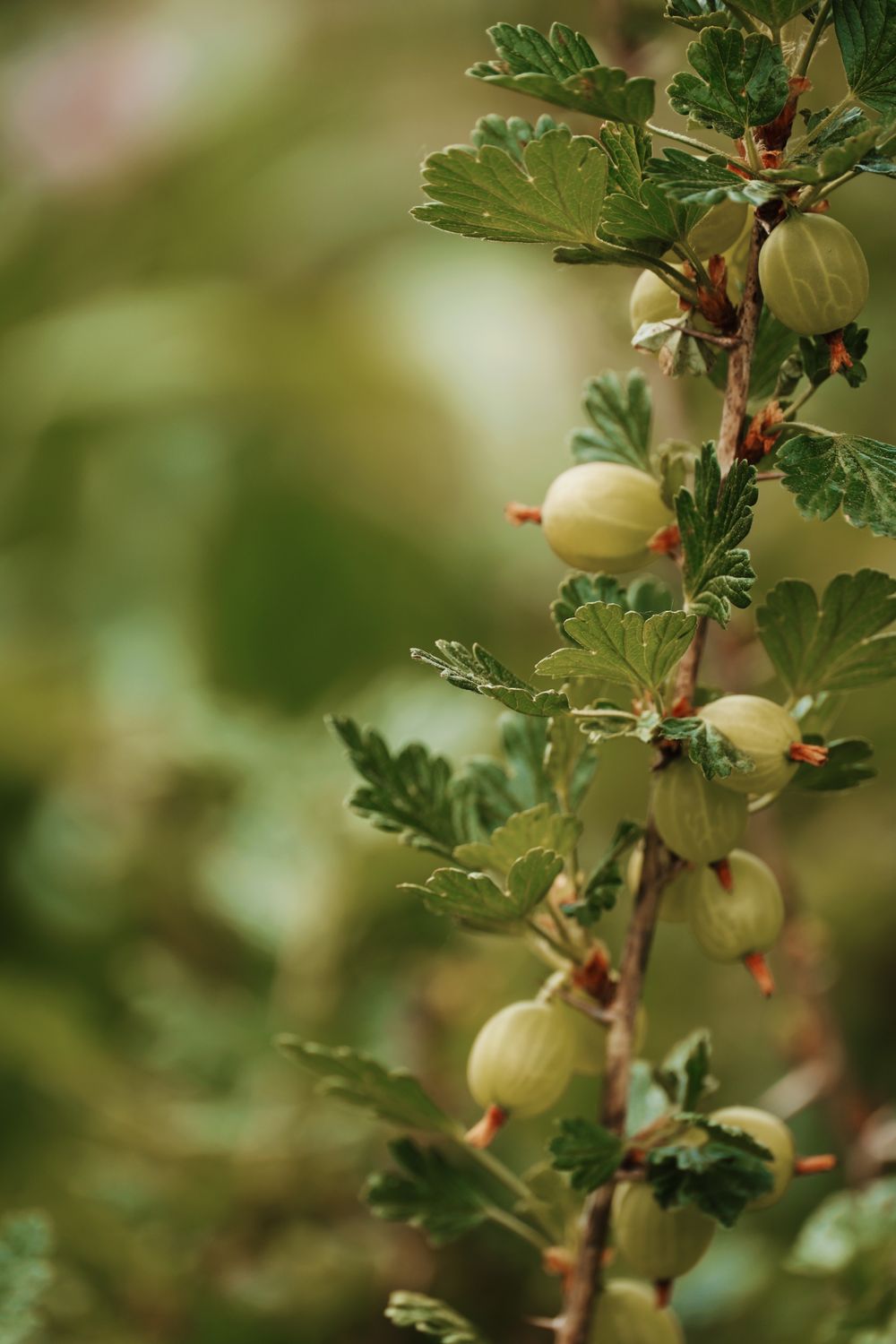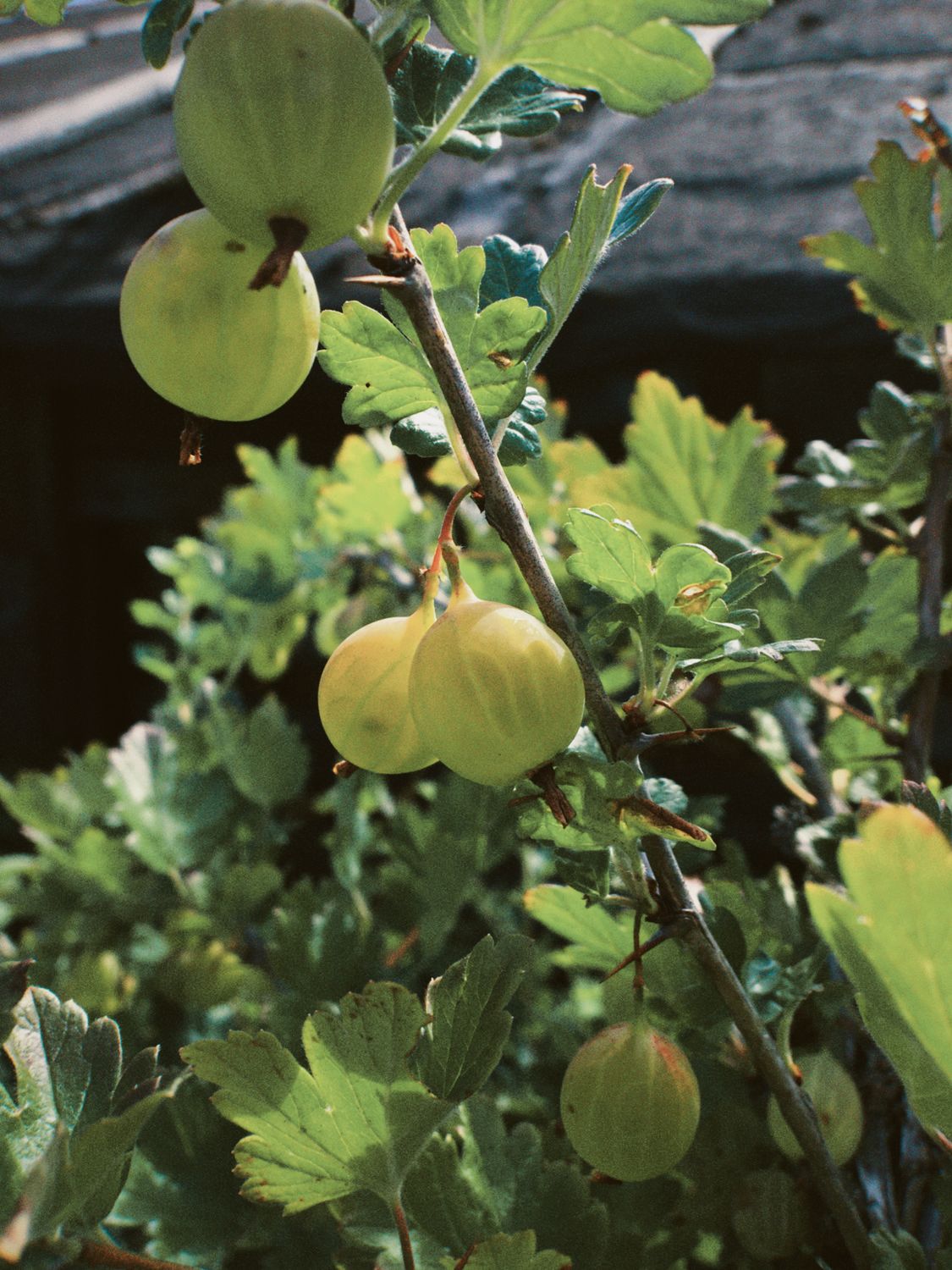
If you've never grown gooseberries, let me make the case in a single sentence: there is no fruit better suited to the British garden. They shrug off our cold winters, they ripen happily through a grey, damp summer that would have a peach sulking, and they give you two harvests in one — tart green berries for cooking in early summer, then sweet, blushing dessert berries if you have the patience to leave them. I grow them every year, and apart from a couple of pests I'll come to (and the small matter of the thorns shredding my forearms every June), they are about as forgiving as fruit gets.
Why grow gooseberries at all?
Partly because the shop-bought ones are a pale imitation. A properly ripe dessert gooseberry, warm off the bush, is a revelation — soft, honeyed, faintly grape-like — and you simply cannot buy that. Partly because they crop reliably in conditions that defeat fussier fruit. And partly because a single established bush will keep you in crumbles, fools and jams for years with very little fuss. They tolerate shade better than almost any other fruit, which makes them brilliant for that awkward north-facing corner most of us have.
Which varieties should I choose?
This matters more than people think, mostly because of disease resistance. American gooseberry mildew can be a real nuisance, and modern resistant varieties save you an awful lot of grief. Here's how I'd steer you:
- Invicta — a green culinary variety with excellent mildew resistance and heavy crops. The thorns are vicious, but if you want a workhorse for cooking, this is it.
- Hinnonmaki Red — my pick if you want dessert berries. Wine-red when ripe, properly sweet, and reasonably tough against mildew.
- Careless — a classic green cooking gooseberry, big berries, long-established and much loved, though less mildew-resistant than Invicta.
- Captivator — nearly thornless and red-fruited, which makes picking a joy. A good choice if you've had enough of bleeding for your breakfast crumble.
If disease resistance and an easy life are your priorities, Invicta for cooking and Hinnonmaki Red for dessert is a hard combination to beat.
Where and how do I plant them?
Gooseberries aren't demanding about soil, but they do best in ground that's moisture-retentive yet free-draining — they hate sitting in winter wet. Dig in plenty of well-rotted compost or manure before planting. Full sun gives you the sweetest dessert berries, but they'll crop perfectly well in partial shade, which is one of their great virtues.
Plant bare-root bushes from late autumn to early spring while they're dormant; pot-grown ones can go in almost any time the soil isn't frozen or baked. Space bushes about 1.5m apart. Set them at the same depth they grew before, firm them in well, and water thoroughly. Then mulch — a thick collar of compost around the base keeps moisture in and weeds down, and gooseberries genuinely appreciate it.
Feeding is simple. A handful of a balanced general fertiliser scattered around the base in early spring, followed by that annual mulch, is plenty. Gooseberries are a bit prone to potassium deficiency, which shows as browning leaf margins, so if you spot that, a sprinkle of sulphate of potash sorts it out.
How do I prune a gooseberry bush?
This is where people freeze up, but it's genuinely straightforward once you understand the goal: an open goblet shape. You want a bush built like a wine glass — a short clear stem (or "leg") at the base, then a framework of branches arching outward, with an open, airy centre. Open and airy is the whole point: good airflow keeps mildew at bay, and it lets light and your hands into the middle, which you'll appreciate when those thorns are involved.
The main prune is done in winter when the bush is dormant. Aim for:
- Cut out anything dead, damaged or crossing.
- Remove growth crowding the centre, and any low shoots heading for the ground.
- Shorten the previous season's main branch growth by about half, cutting to an outward-facing bud to keep that goblet opening outwards.
- Shorten the sideshoots coming off those main branches to two or three buds — this is where a lot of your fruit forms.
If you've ever struggled to reach into a tangled, congested bush to pick, you'll understand instantly why the open centre matters. There's also a light summer prune you can do — shortening the new leafy sideshoots back to about five leaves around midsummer — which improves airflow and lets sun onto the ripening fruit. I do it when I remember; it's helpful rather than essential.
Can I train a gooseberry as a cordon?
You can, and it's a lovely option for small gardens. A cordon is a single upright stem trained against wires or a fence, with all the fruiting spurs along it. You get less fruit per plant, but you can grow several varieties in the space of one bush, picking is a doddle, and the open form makes mildew far less likely. Prune the sideshoots back to a few buds in winter and pinch them back again in summer. If space is tight, cordons are well worth the bother.
For the full walkthrough of the open goblet shape and the annual winter prune, see my dedicated gooseberry pruning guide.
Why is my gooseberry bush stripped to bare stems?
Two words, and they strike fear into every gooseberry grower: gooseberry sawfly. The caterpillar-like larvae — pale green with black spots — hatch low down in the centre of the bush and eat outwards, and I am not exaggerating when I say they can reduce a healthy, fully leafed bush to bare twigs in a matter of days. The first time it happened to me I genuinely thought the bush was dying of disease before I parted the leaves and found the underside heaving with them.
The key is vigilance. From mid-spring onwards, check the centre and the undersides of the lower leaves regularly. Catch them early and you can simply pick them off by hand — a grim job, but effective. There are often two or three generations through the season, so don't relax after the first attack. A bush that's been stripped will usually releaf and recover if you act, but it puts a real dent in your crop. This is the single thing I'd urge any new gooseberry grower to watch for.
The other classic problem is American gooseberry mildew — a powdery white coating on shoots and berries that later turns felty and brown. Choosing resistant varieties like Invicta does most of the heavy lifting here. Beyond that, it's all about airflow: prune to that open goblet, don't overcrowd your bushes, and avoid drenching the foliage with overhead watering. Cut out and bin any badly affected shoots.
Growing gooseberries alongside pest-confusing companions helps too — my guide to companion planting for berry bushes covers what to interplant to keep sawfly and aphids in check naturally.
When and how do I harvest?
Here's the clever bit, and the reason gooseberries earn their space. You can pick the same bush twice, in effect. In early summer, while the berries are still small, hard and tart, thin them out by picking every other one — these go straight into cooking, for pies, crumbles and that classic gooseberry fool. The thinning isn't wasted; it lets the berries you leave swell larger and ripen properly. Then, a few weeks later, those remaining berries soften, plump up and sweeten into dessert fruit you can eat off the bush.
A word on the picking itself: wear long sleeves, and ideally a thick pair, because the thorns are unforgiving and reaching into the bush in a t-shirt is a mistake you make exactly once. This is where the open goblet shape and the nearly-thornless varieties like Captivator earn their keep.
How do I store gooseberries?
They keep in the fridge for a week or so, but their real party trick is freezing. Open-freeze them on a tray, then tip into bags, and they keep their shape beautifully for months — perfect for a crumble in the depths of winter. They cook straight from frozen. You can also turn a glut into jam; their high natural pectin means gooseberries set readily without any added help, which makes them one of the easiest fruits to preserve.
Give gooseberries a corner of your garden and a bit of attention with the secateurs and the sawfly patrol, and they'll repay you for years. They were a fixture in British gardens for generations, and I think they're overdue a comeback. Plant one this winter — just mind the thorns. Happy growing.
Gooseberries have one of the earliest harvests of the whole British berry calendar, ready well before most soft fruit gets going. See my month-by-month guide to what's in season for exactly how their timing lines up with everything else in the garden.