The jostaberry is a cross between a blackcurrant and a gooseberry, so it is easy to wonder whether it can replace a gooseberry bush. In many gardens it can: it is thornless, vigorous and resistant to the diseases that plague gooseberries. But the fruit is different, and it needs more room.
Where the jostaberry came from
The jostaberry was developed in Germany and released in the 1970s. The name comes from the German words for blackcurrant (Johannisbeere) and gooseberry (Stachelbeere). Its parents include the blackcurrant and the gooseberry, and it inherits useful traits from both.
Fruit and flavour
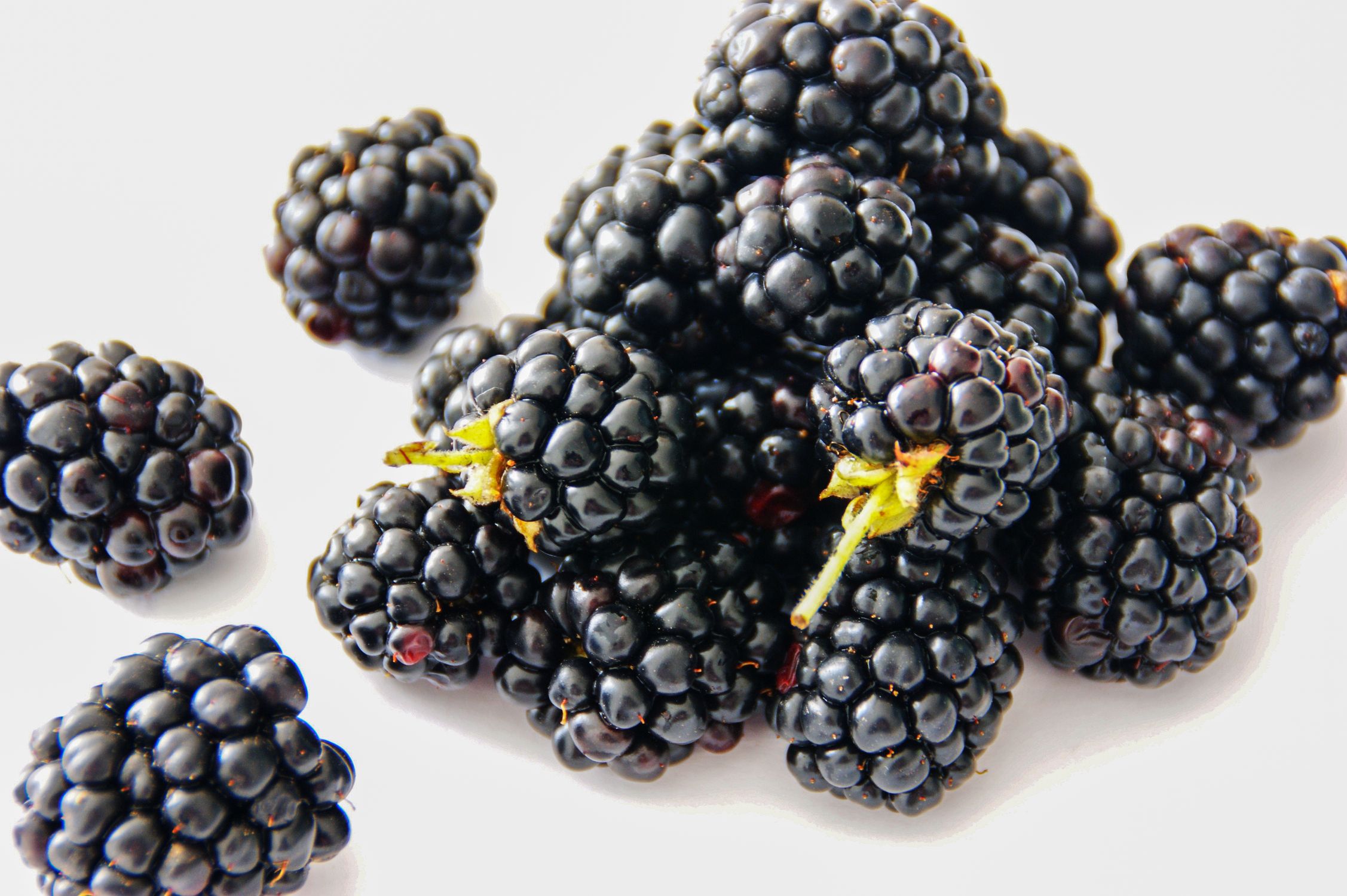
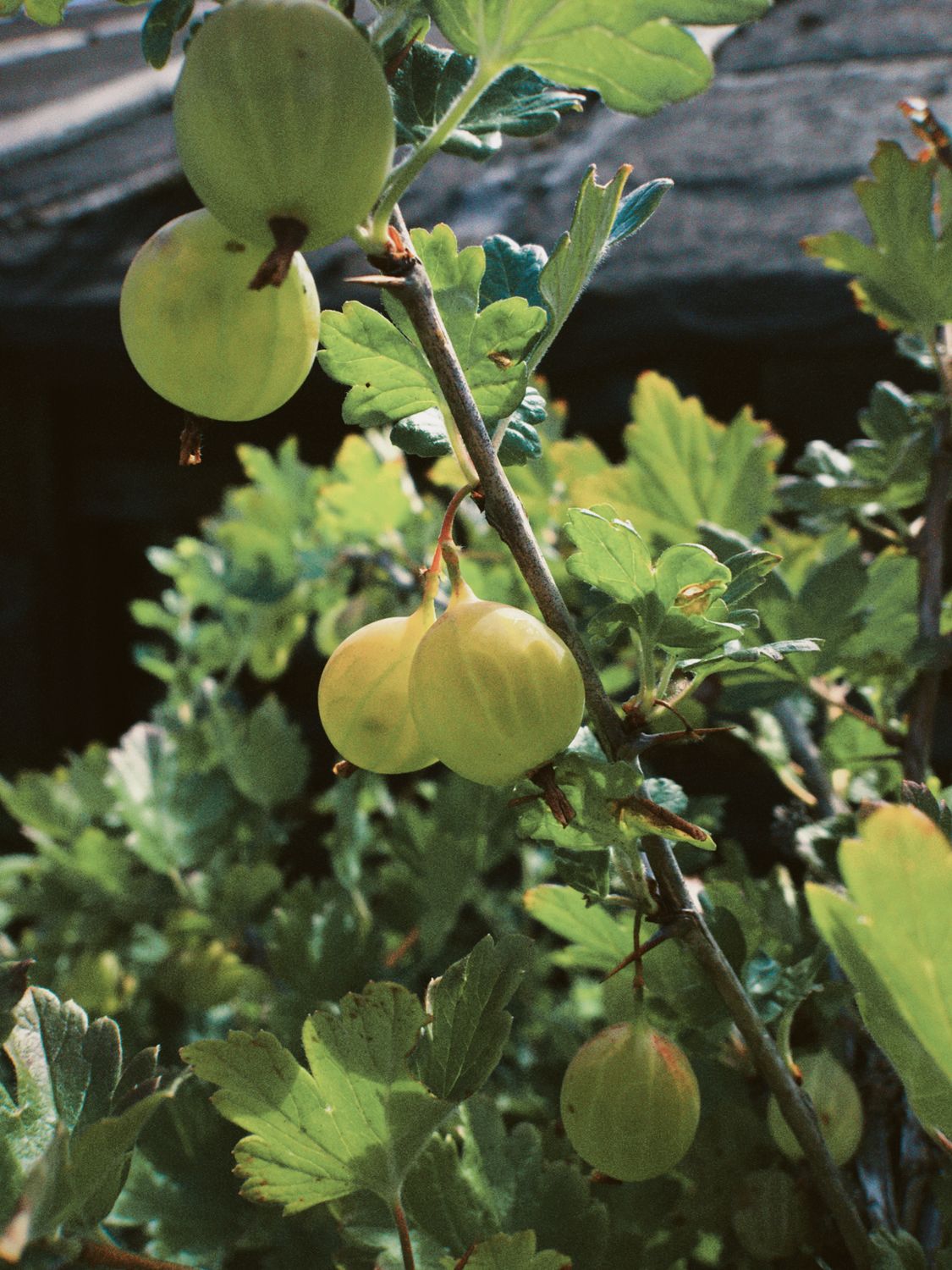
Jostaberries are dark purple-black and roughly halfway in size between a blackcurrant and a gooseberry. The flavour is sweet and tangy, more like a mild blackcurrant with a gooseberry note, and it is good both fresh and cooked. Gooseberries come in green, red and yellow, and range from sharp cooking varieties, picked early for pies and crumbles, to sweet dessert varieties that are lovely eaten ripe.
Thorns and disease
The jostaberry's two big advantages are that it is completely thornless and resistant to American gooseberry mildew, which can ruin a gooseberry crop. Gooseberries are notoriously thorny, which makes picking and pruning painful, and they are also targeted by gooseberry sawfly caterpillars. If you have struggled with either problem, the jostaberry is a much easier bush.
Size and growing
Jostaberries are vigorous and grow to about 2 metres tall and wide, so give them plenty of space. Gooseberries are more compact and easier to fit into a small garden, and they cope better with light shade. Both are hardy, self-fertile and planted in the dormant season; see how to plant gooseberry bushes, which applies to both.
Which should you grow?
If you want a low-maintenance, thornless bush and have the space, choose the jostaberry. If you love the sharp taste of cooking gooseberries or need something compact, stay with the gooseberry. See my jostaberry growing guide and complete gooseberry guide for more.
Frequently Asked Questions
Is a jostaberry a gooseberry?
It is part gooseberry: the jostaberry is a cross between a blackcurrant and a gooseberry.
Do jostaberries have thorns?
No. They are completely thornless, unlike gooseberries.
What do jostaberries taste like?
Sweet and tangy, like a mild blackcurrant with a hint of gooseberry.