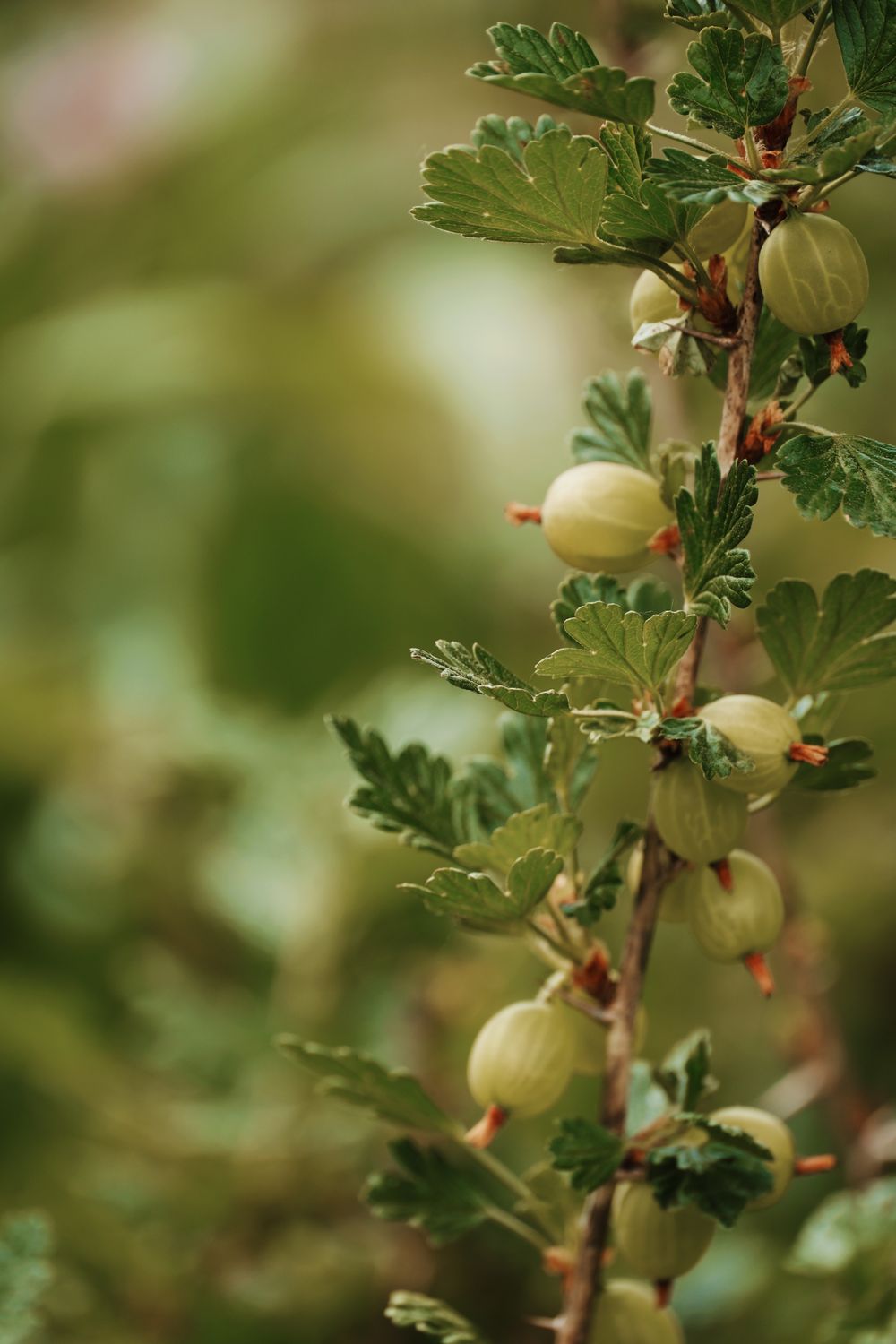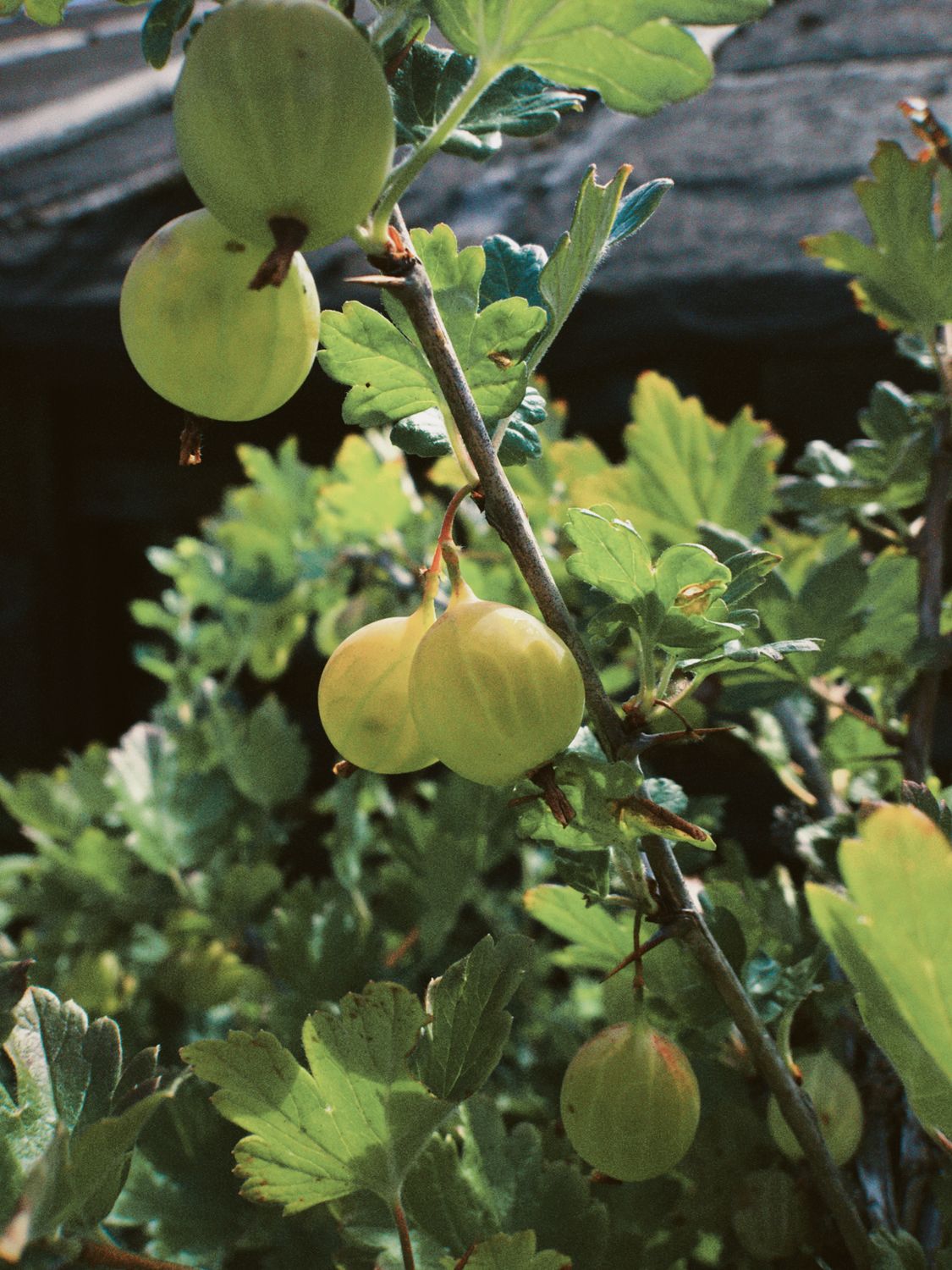
Gooseberries are tough, long-lived and well suited to the UK climate, and planting them well gives you many years of fruit. They are one of the few fruit bushes that will tolerate a little shade, and they are usually sold as bare-root plants in the dormant season.
Where and when to plant
Plant from November to March while the bushes are dormant, avoiding frozen or waterlogged ground. Gooseberries like well-drained soil enriched with compost, and they crop best in sun, although they cope with light shade. Give each bush room, and avoid cramped, airless corners where mildew thrives.
Planting step by step
- Dig a hole wide enough for the roots and add a little compost.
- Plant at the same depth as the soil mark, or slightly deeper, and try to keep a short clear stem of about 10 to 15cm.
- Firm the soil and water in.
- Cut the main shoots back by roughly half to encourage a well-branched bush.
- Mulch around the base, keeping it clear of the stem.
Pests and problems
Gooseberry sawfly caterpillars can strip a bush of leaves in weeks, so check the undersides of the leaves in late spring and remove them by hand. Choosing a variety with some mildew resistance also helps, and good air circulation does the rest.
Keep learning
My complete gooseberry guide covers varieties and care, and how to prune gooseberries explains the yearly routine once your bush is established. If you like the idea of a gooseberry alternative, look at the worcesterberry.
Feeding and watering
Gooseberries like a spring mulch of well-rotted compost and benefit from a potash-rich feed, which encourages fruiting. Water during dry spells while the fruit swells, and avoid letting the soil become waterlogged in winter.
Picking and choosing
You can pick gooseberries early, while they are still hard and green, for cooking, or leave them to ripen fully for a sweeter fruit you can eat fresh. Thorny stems make picking painful, so wear gloves, or look for thornless varieties. Avoid overcrowding the bush, because poor air circulation encourages mildew.
Common mistakes
- Planting too close together, which encourages mildew.
- Not pruning after planting, leading to a congested bush.
- Ignoring sawfly caterpillars until the leaves have been stripped.
- Planting in a waterlogged spot.
Frequently Asked Questions
When should I plant gooseberry bushes?
Between November and March while they are dormant, provided the ground is not frozen or waterlogged.
How far apart should gooseberries be planted?
Around 1.2 to 1.5m apart.
Can gooseberries grow in shade?
They tolerate light shade, although fruit is sweeter and more plentiful in sun.