Foraging Blackberries in the UK: The Complete Bramble Guide
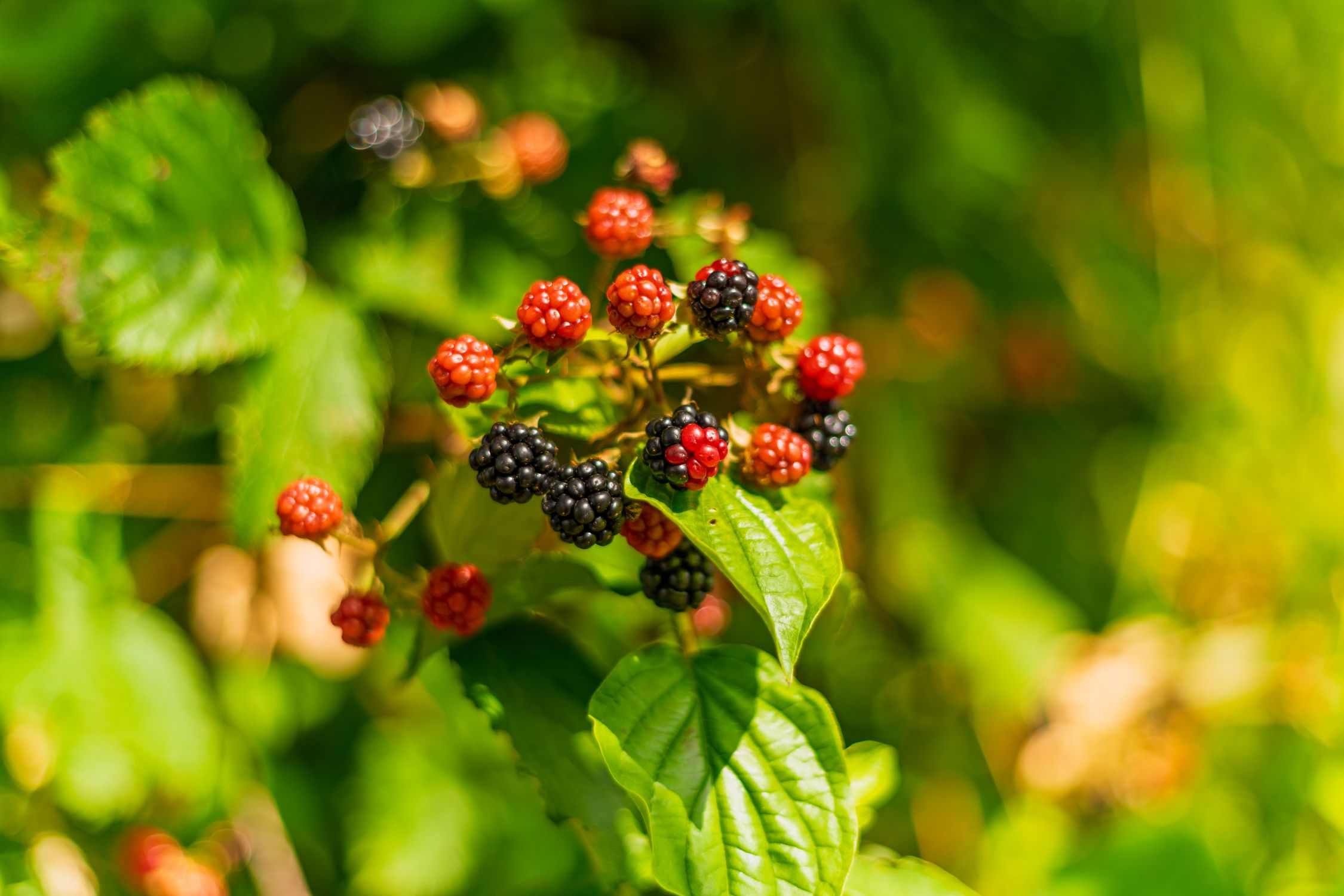
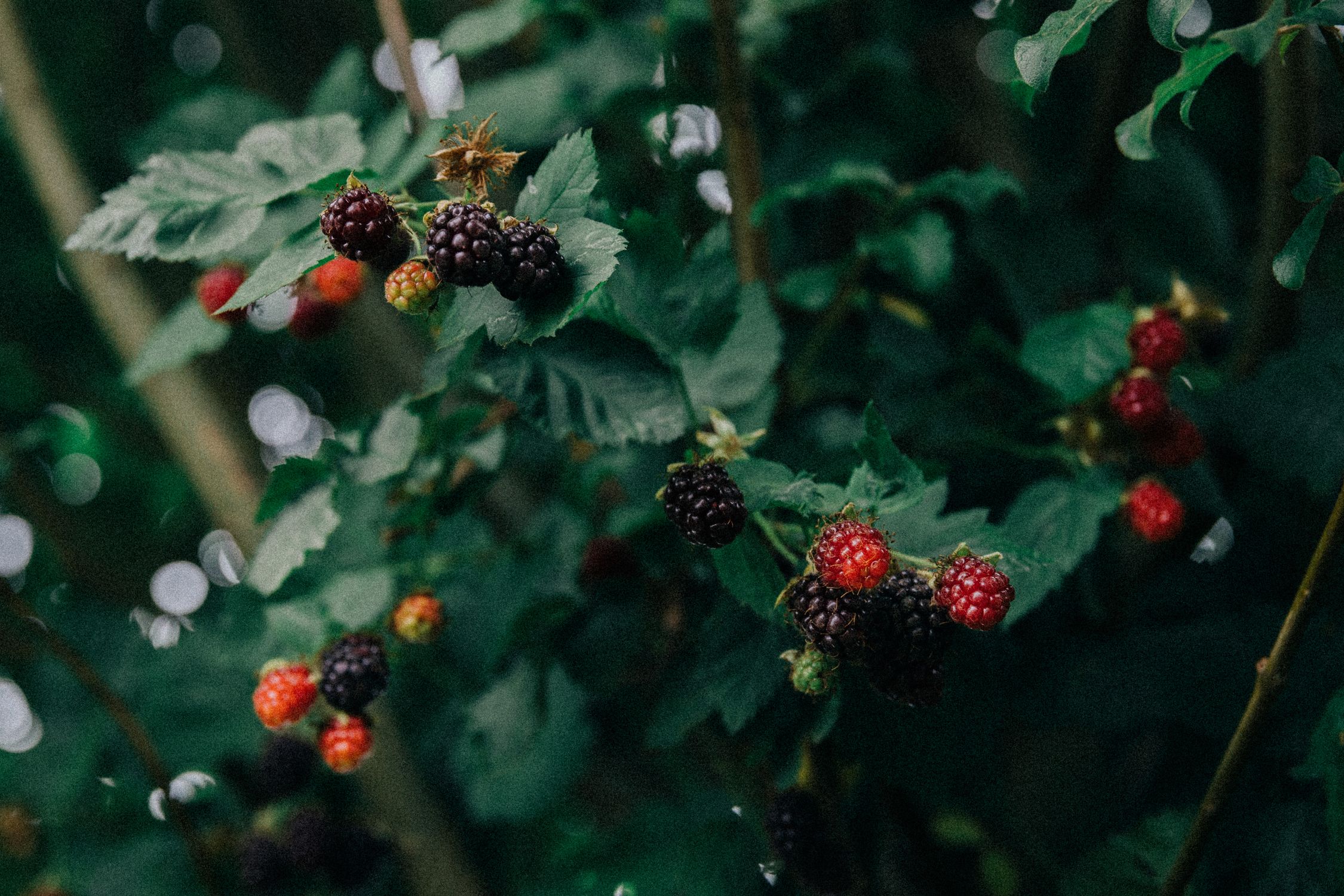
Blackberrying is the one bit of foraging almost every British person has done, usually before they'd ever heard the word "foraging" — and yet most people's...
Foraging guide →A guide to finding, identifying and using wild berries growing in the British countryside.
Hedgerows and woodland edges across Britain carry more edible berries than most people realise, and this is where I cover identifying and safely picking them. Always cross-check anything you're unsure of against my wild berry identification guide before you eat it.
Blackberrying is the one bit of foraging almost every British person has done, usually before they'd ever heard the word "foraging" — and yet most people's...
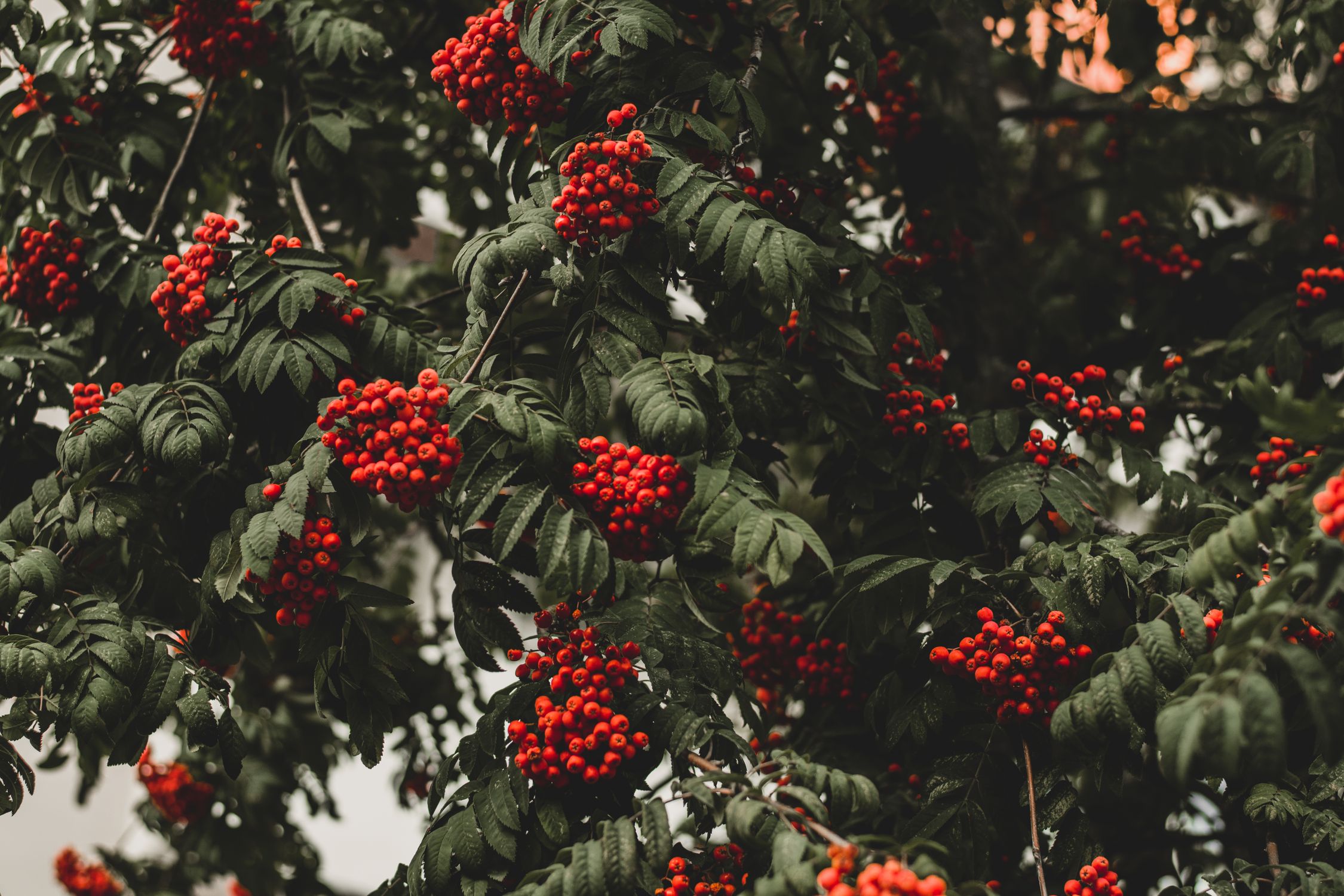
Foraging guide →The rowan tree — also called mountain ash, though it's not related to the ash family — is one of the most beautiful native trees in Britain, particularly in...
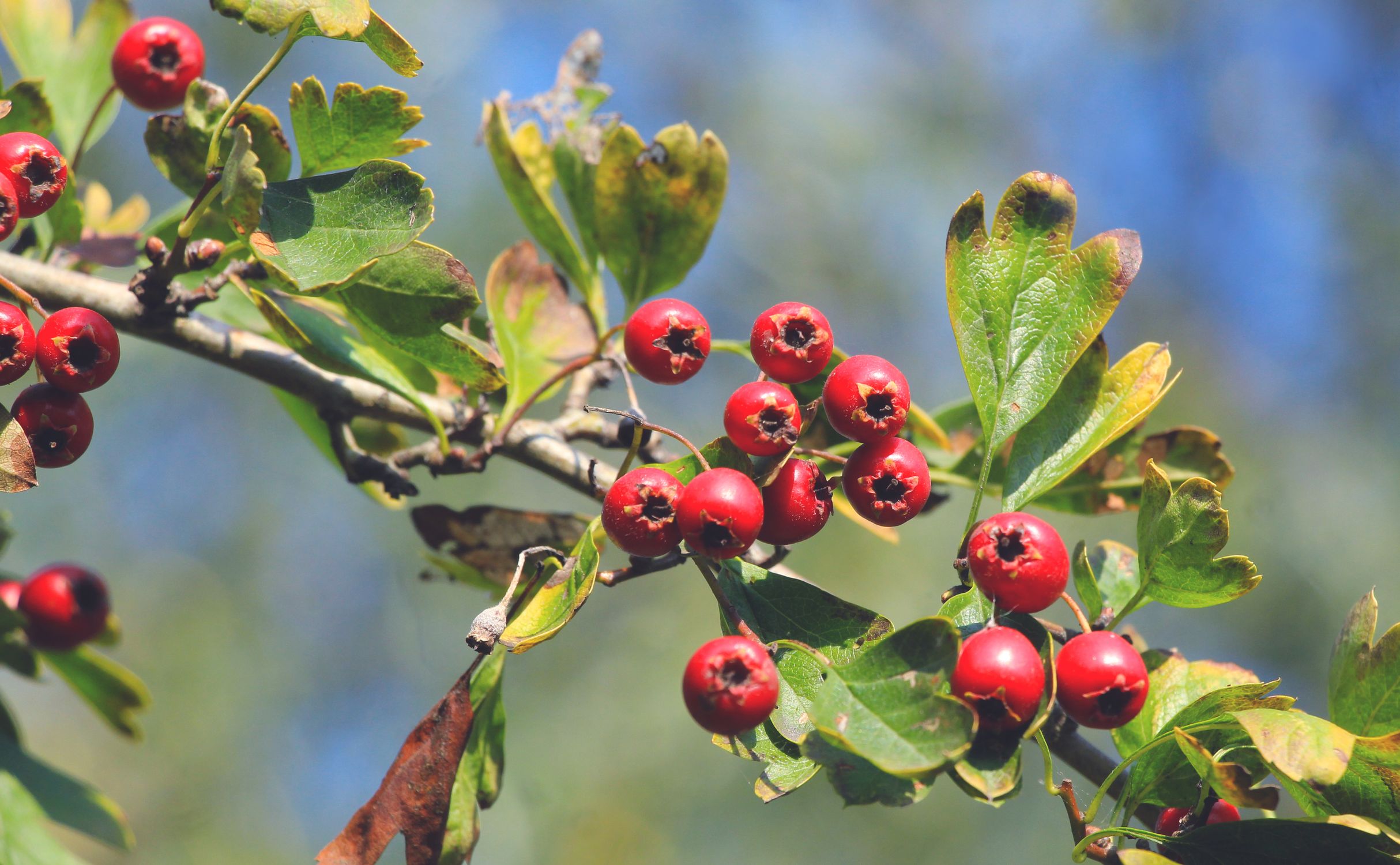
Foraging guide →Hawthorn is everywhere in Britain — one of the most common trees and hedgerow shrubs in the country, found from sea level to 600 m, from Cornwall to the...
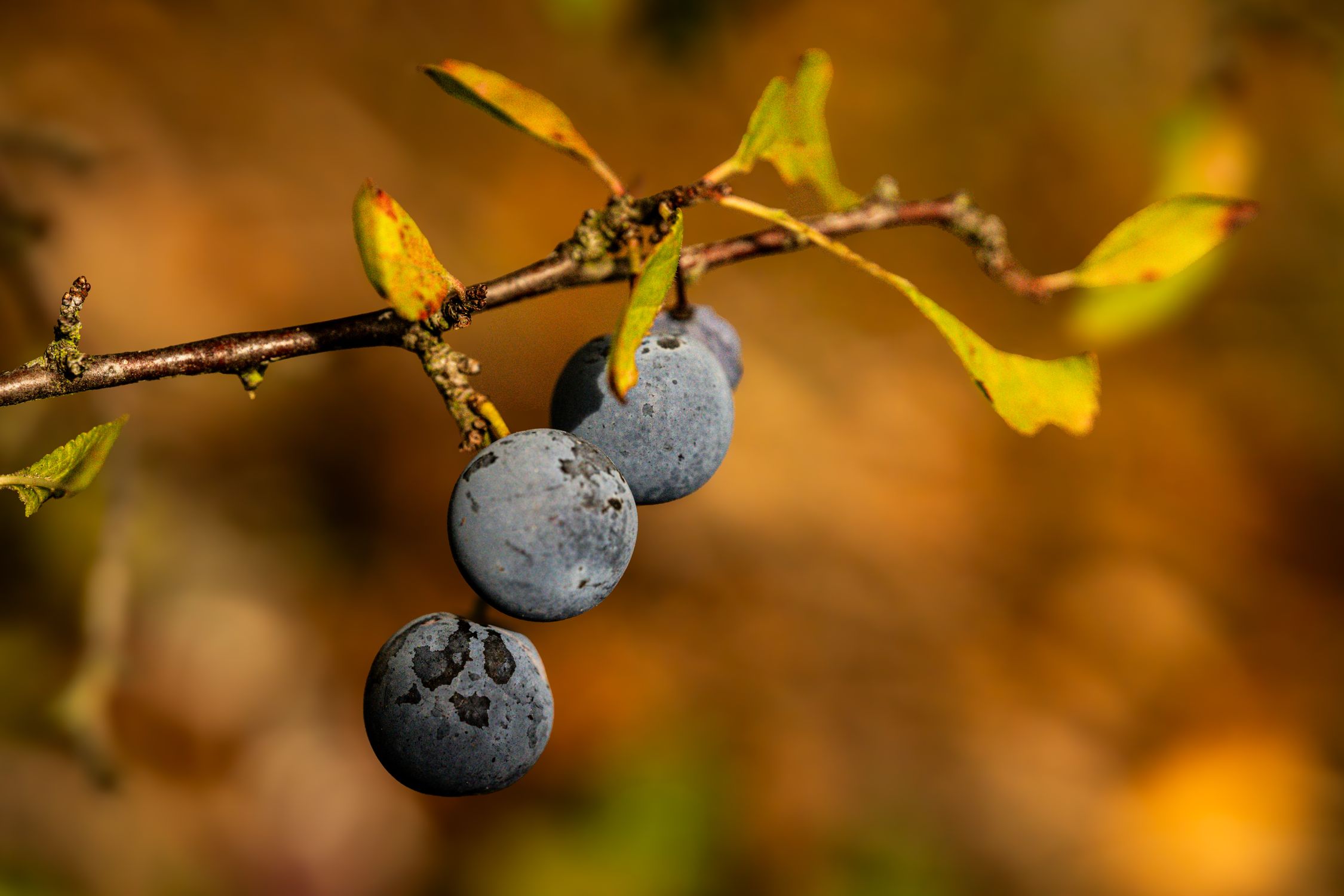
Foraging guide →Sloes are one of the most distinctive wild fruits in the British countryside, and one of the most underused. The small, dark blue-black berries of the...
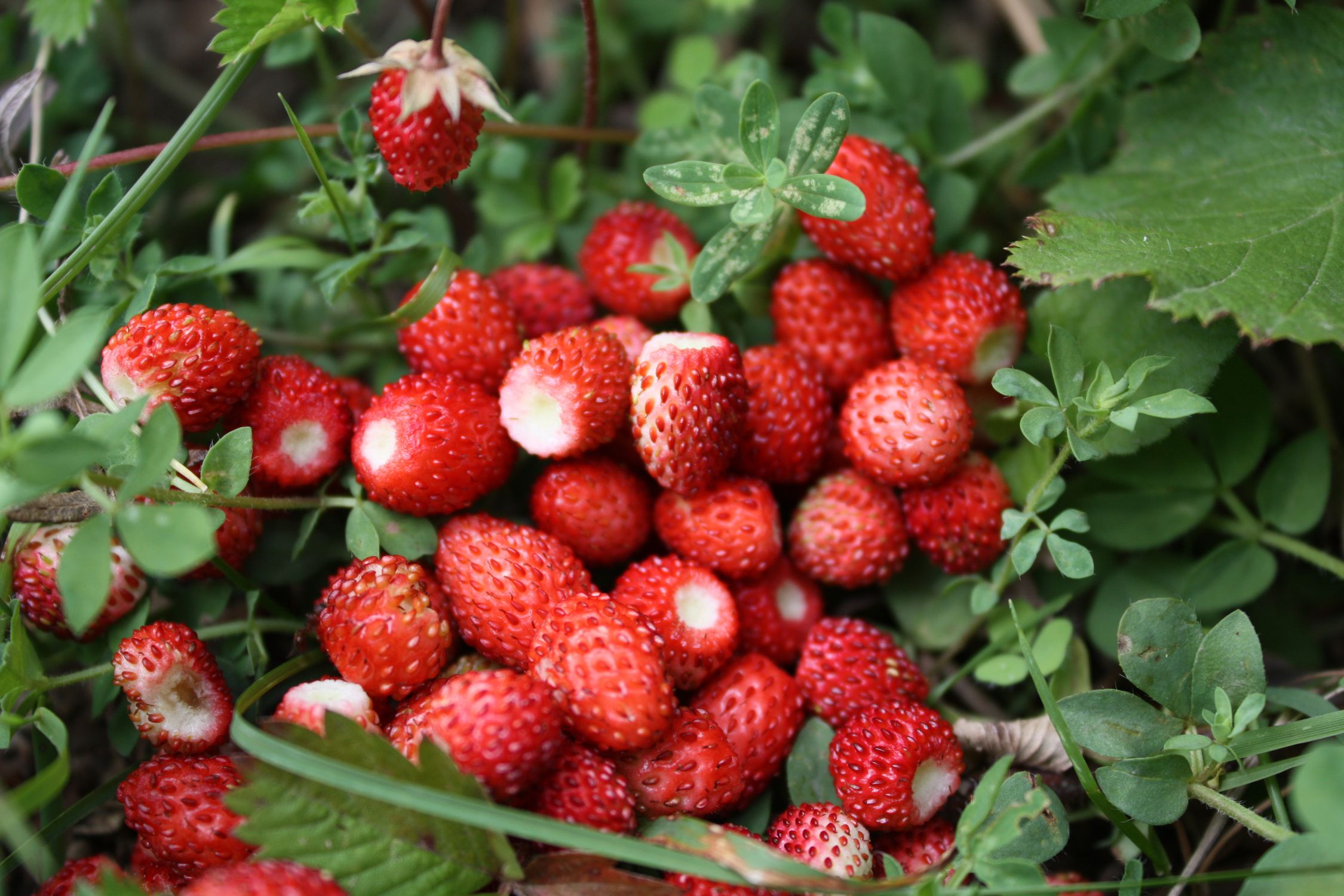
Foraging guide →The wild strawberry is, by almost any measure, a better strawberry than the ones you buy in shops. It's smaller — often barely the size of a fingernail — and...
Foraging guide →Quick answer: the berries most likely to poison you in a UK hedgerow are deadly nightshade (glossy black, single berries, star-shaped calyx), woody nightshade...
Foraging guide →The dewberry (Rubus caesius) is a native British wild berry that grows in hedgerows, clifftops, sand dunes and chalk grassland throughout the UK, ripening...
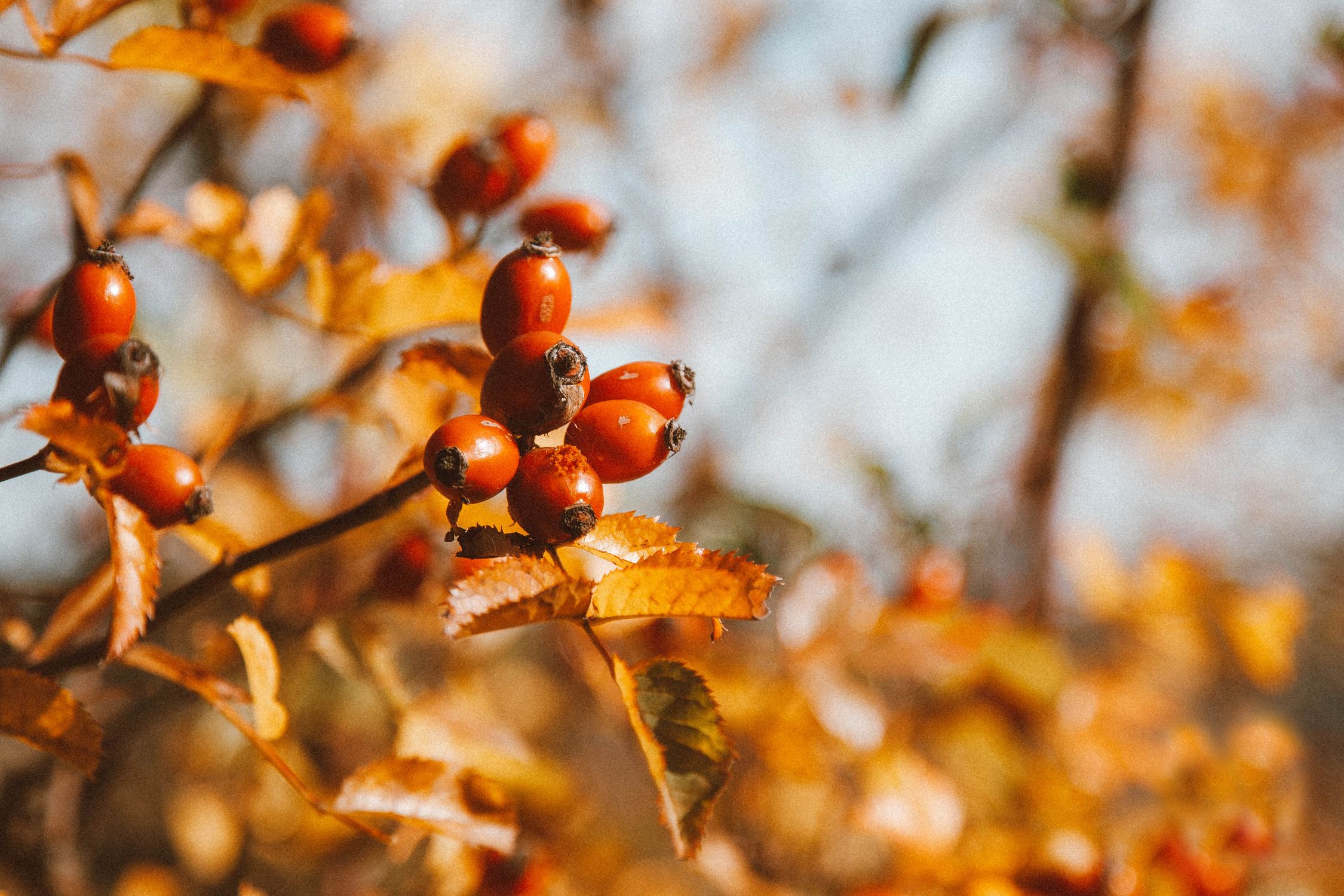
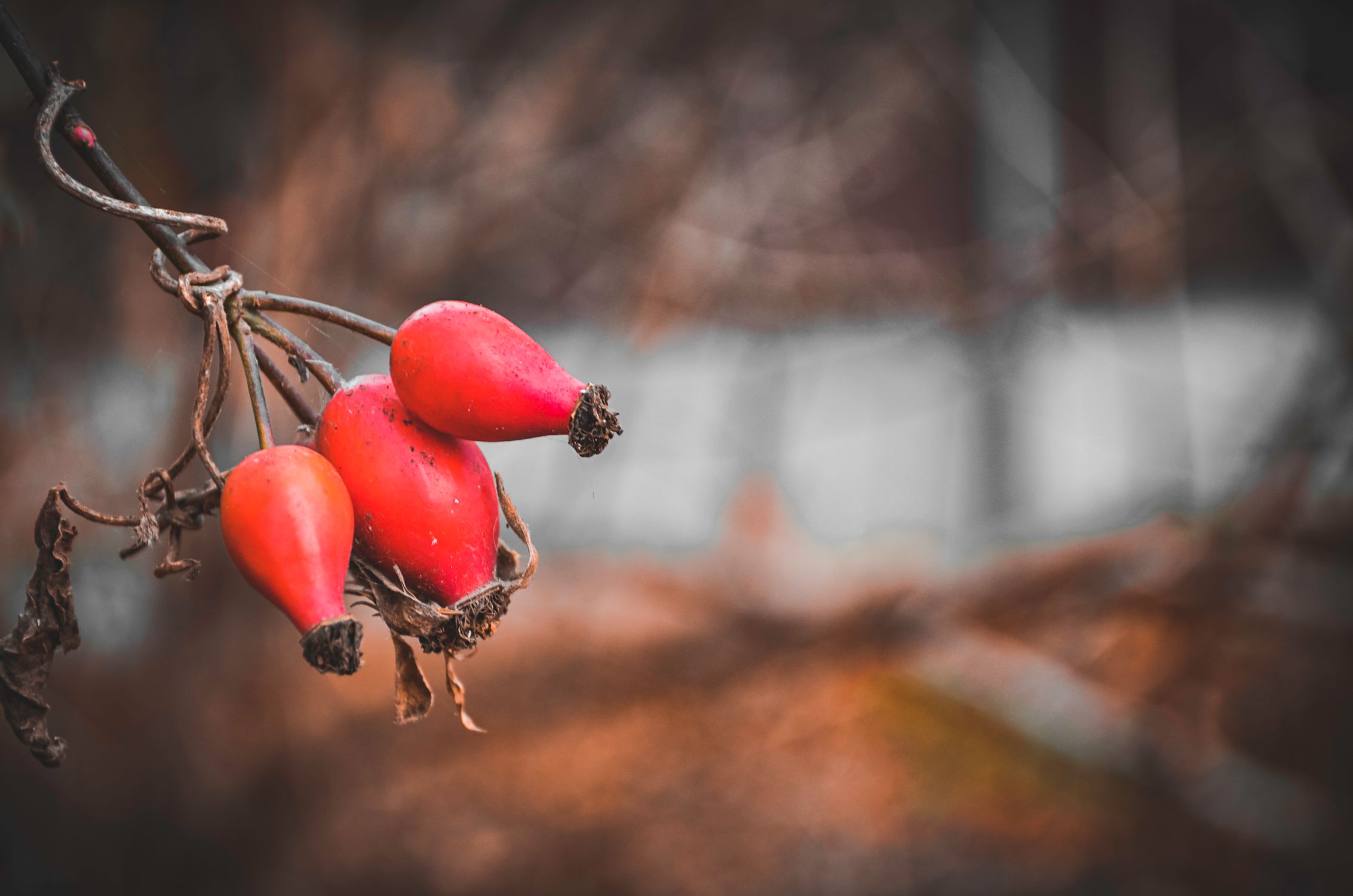
Foraging guide →Every autumn, Britain's hedgerows turn red with rosehips. Millions of them, hanging in clusters from wild roses and dog roses along every country lane, and the...
Foraging guide →Walk across any British moorland in late summer and there's a fair chance you'll tread on bilberries without even noticing. These tiny dark berries grow on low...
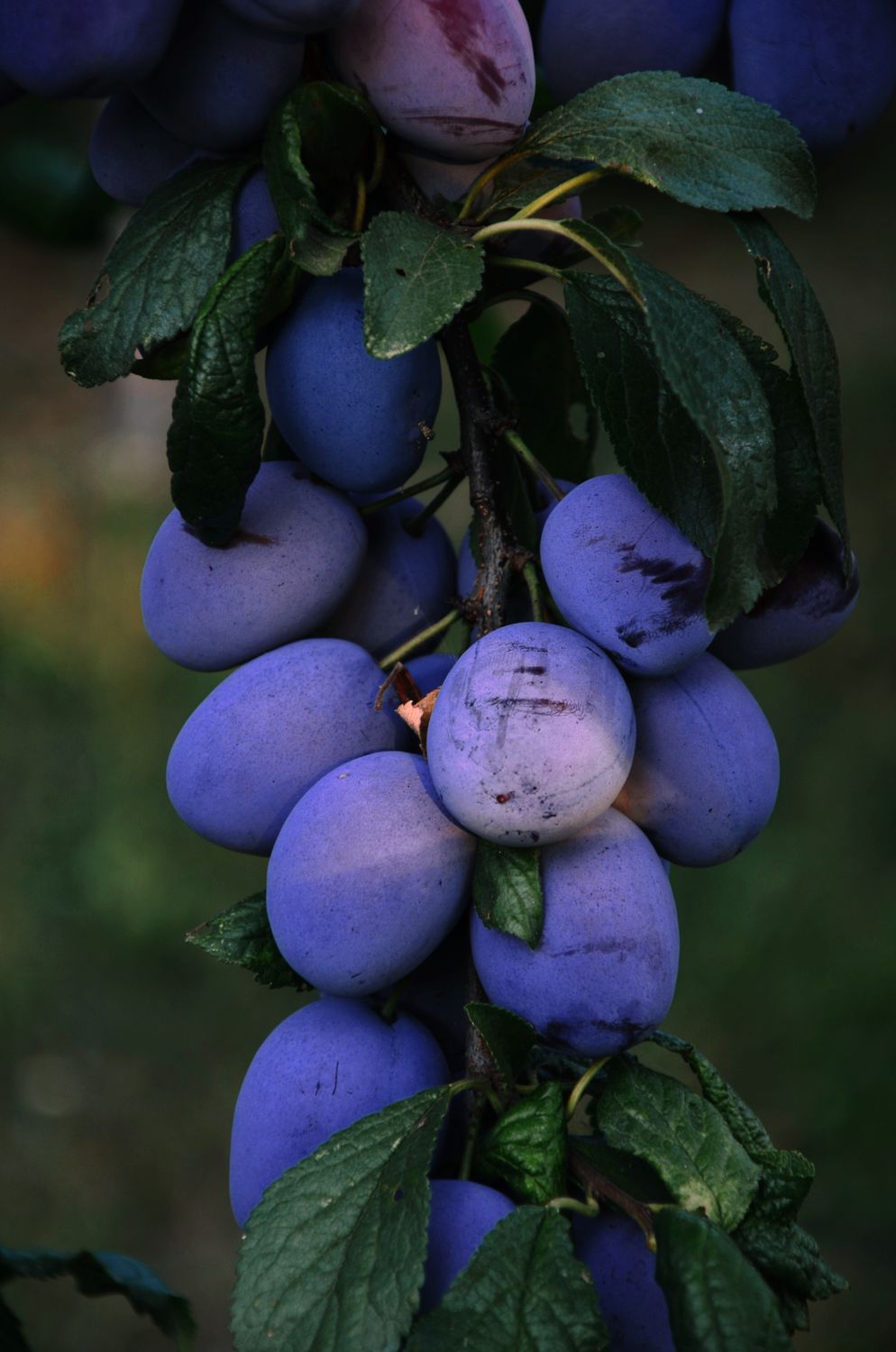
Foraging guide →Every autumn the hedgerows of Britain hang heavy with small, dark-purple plums that most people stroll straight past without a second glance. Wild damsons...
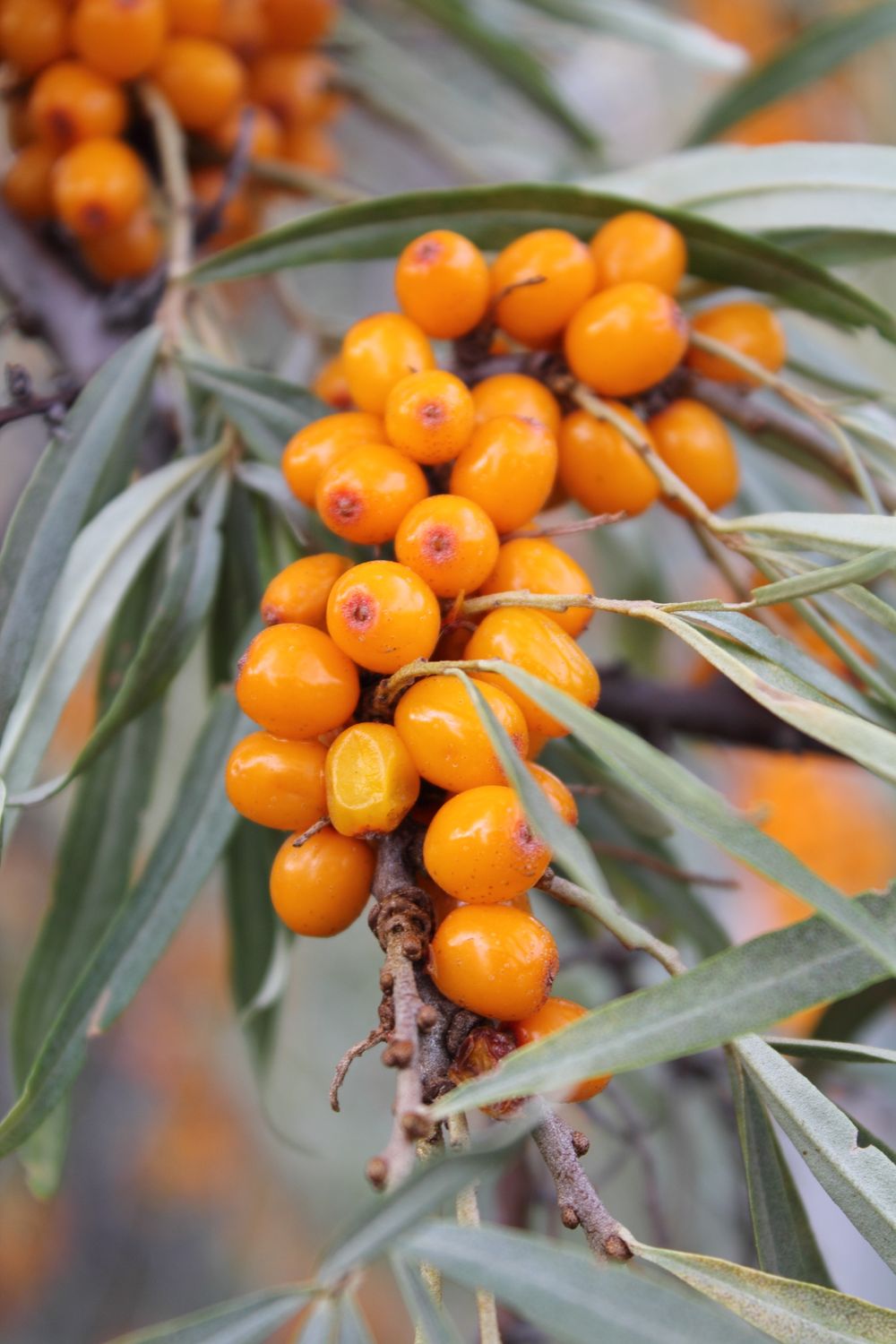
Foraging guide →Walk along the sand dunes of the Norfolk, Lincolnshire or East Lothian coast in late summer and you'll spot dense thickets of silvery-leaved bushes studded...
Foraging guide →Never rely on a single feature — cross-check colour, leaf shape, growing habit and cluster pattern against a proper identification guide, and if there's any doubt at all, don't eat it.
Late summer into autumn, roughly August through October, when most hedgerow berries ripen in sequence.
Very few, but deadly nightshade and yew berries are the ones to be genuinely careful with, especially with children foraging nearby — see the wild berry identification guide for what to watch for.