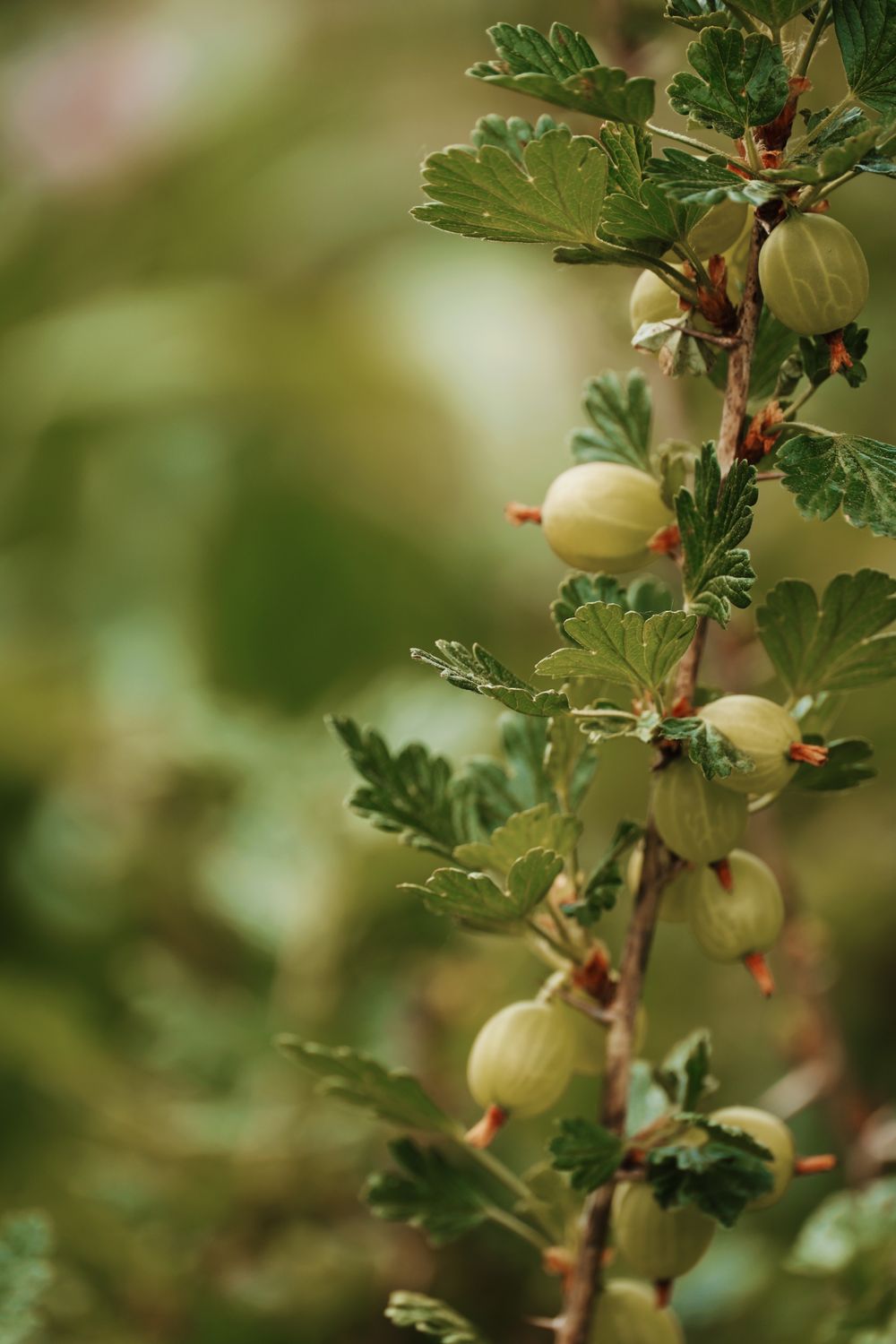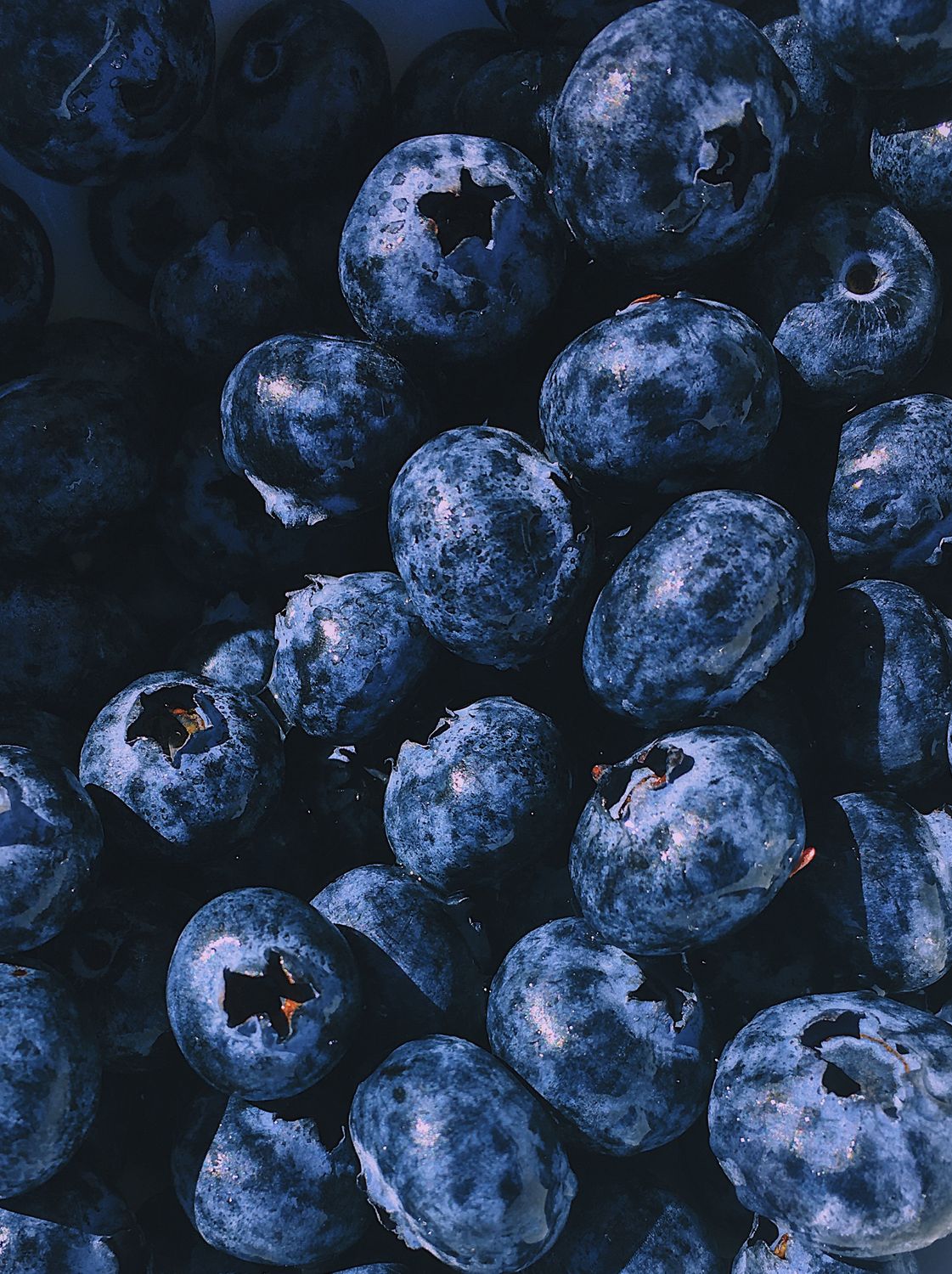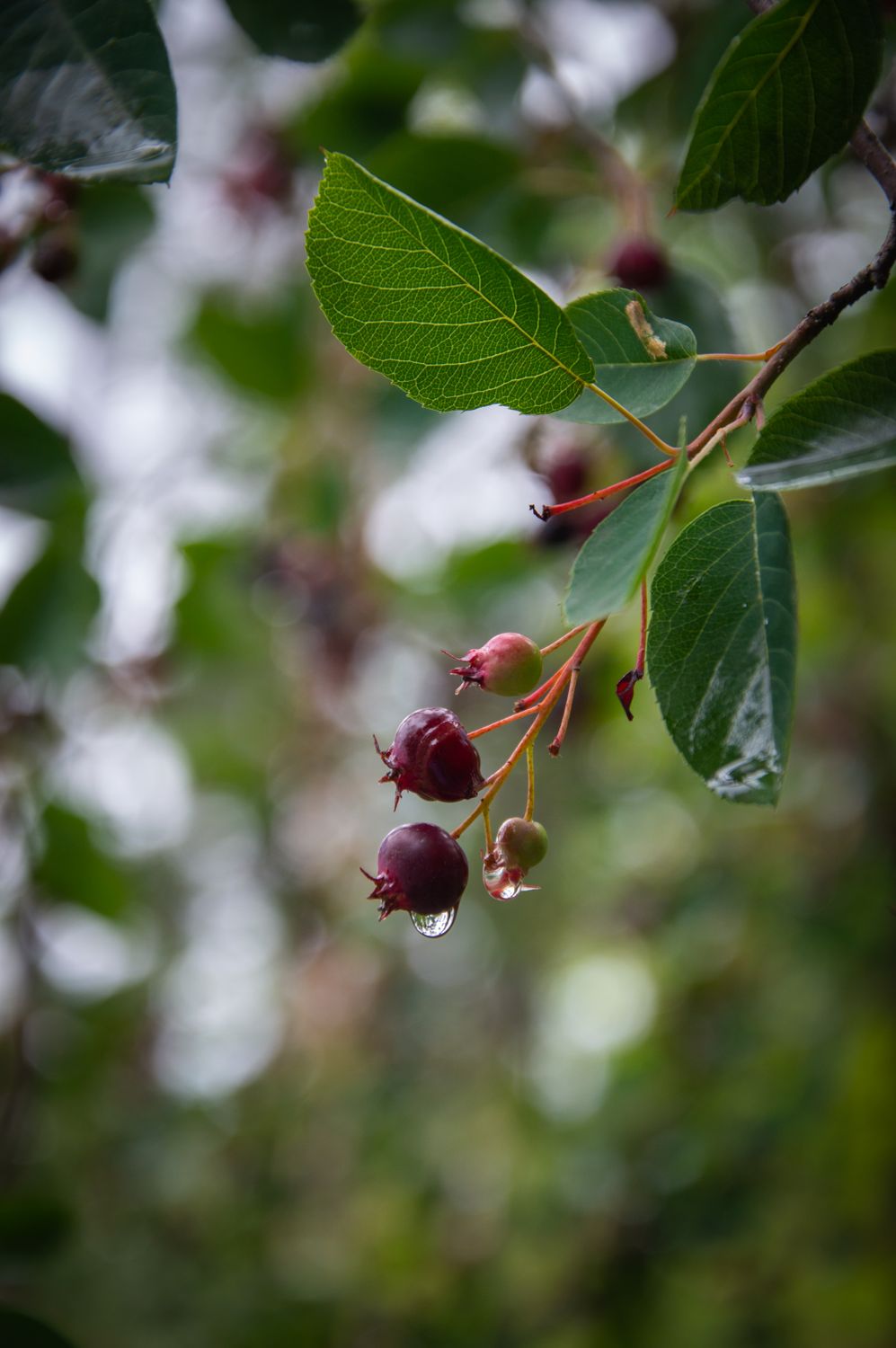
Every now and then I stumble across a fruit that makes me wonder why on earth it isn't in every British garden, and the saskatoon is right at the top of that list. You'll also hear it called the juneberry, the serviceberry, or the shadbush, depending on who you're talking to and which side of the Atlantic they grew up on. It's a handsome little tree that smothers itself in white blossom each spring, drops a generous crop of sweet purple-blue berries in early summer, and then bows out in autumn with a flush of fiery leaf colour. Honestly, it earns its keep three times over, and I'd love to see far more of them in our gardens.
What exactly is a saskatoon berry?
The fruiting species you want is Amelanchier alnifolia, which is the one bred and grown commercially across Canada and the northern United States for its berries. You may already know its close cousin Amelanchier lamarckii, which is hugely popular over here as an ornamental tree, planted for its blossom and autumn colour rather than its fruit. They belong to the same family and look broadly similar, but if it's a proper crop you're after, it's the alnifolia you need to track down.
It grows as a large shrub or small multi-stemmed tree, so it slots neatly into the kind of space where a full-sized fruit tree would feel like too much. The berries themselves look a lot like blueberries — round, dusky blue with a soft bloom — though botanically they're more closely related to apples and pears than to anything in the blueberry camp. That distant kinship to the rose family is partly where the lovely almond note comes from, but more on the flavour in a moment.
What do saskatoon berries taste like?
This is the bit that wins people over. Imagine a sweet, ripe blueberry, then add a gentle, nutty undertone — a whisper of almond or marzipan that comes from the soft, edible seeds inside. It's a richer, rounder flavour than a blueberry, and it works beautifully both fresh off the bush and cooked. They're wonderful baked into pies, simmered down into a deep ruby jam, or folded through muffins, where that marzipan note really sings.
If you're already a fan of unusual berries, I'd put saskatoons in the same exciting bracket as honeyberries — another hardy, under-appreciated fruit that deserves to be far better known on this side of the Channel. Both are the sort of thing you can't easily buy in the supermarket, which is half the fun of growing your own.
Are saskatoons easy to grow in the UK?
Refreshingly, yes. This is a tough, forgiving plant, and that's no small part of why I'm so keen to champion it. Amelanchier alnifolia is fully hardy here — it shrugs off even very hard winters without a murmur, having evolved on the windswept Canadian prairies — so frost is genuinely the least of your worries. If anything, our mild damp climate is the gentler option.
It isn't fussy about soil, either. It'll cope with most ordinary garden conditions, the one real exception being ground that stays waterlogged — like most fruit, it resents having permanently wet feet. Give it a spot in full sun for the heaviest crop, though it'll still produce in part shade, which makes it useful for those trickier corners. And here's the part I find most appealing for anyone short on time: it's largely self-fertile, so a single plant will set fruit on its own. You don't need to find room for a pollination partner, although a second bush never hurts if you've the space and the appetite.
That low-maintenance nature stands in nice contrast to fussier crops. If you've ever battled to get the soil acidic enough for blueberries, you'll appreciate just how undemanding the saskatoon is — though if acid-loving fruit is your thing, do still have a read of my guide to growing blueberries, because the two make a lovely pairing in a fruit garden.
A quick word on the birds
There is one catch, and it's a familiar one to anyone who grows soft fruit: the birds adore saskatoons every bit as much as we do. Those berries ripen in June and July, and a hungry blackbird can strip a small bush astonishingly fast. The simple answer is netting. Throw some over once the fruit starts to colour up and you'll keep the lion's share for yourself. Leave the bush unprotected and, well, you'll have made some very happy blackbirds and not much jam.
Which varieties should I look out for?
If you're shopping around, a few named varieties are worth seeking out. These are the ones that come up again and again for good reason:
- 'Smoky' — a long-established favourite, prized for sweet, well-flavoured berries and reliable, heavy cropping. A great all-rounder if you just want a dependable producer.
- 'Northline' — another proven cropper with good-sized fruit, and a tidy, productive habit that suits most gardens.
- 'Obelisk' — the one to choose if space is tight. It's a narrow, columnar form that grows upright rather than spreading, so you can tuck it into a small garden, a border, or even a large pot without it taking over.
That 'Obelisk' in particular is a clever bit of breeding, because it removes the main objection people have to growing a small tree — the room it takes up. A slim column of spring blossom, summer fruit and autumn fire, all in the footprint of a fence post, is a hard thing to argue with.
So why aren't we all growing them?
That's the question I keep coming back to. The saskatoon is hardy, easy-going, self-fertile, genuinely beautiful across three seasons, and it produces a fruit that tastes better than the blueberries we cheerfully pay a fortune for. About the only reason it hasn't caught on here is simple unfamiliarity — it just hasn't had its moment yet. I haven't grown one myself, I'll be honest, but the more I read and the more growers I speak to, the more convinced I am that it deserves a far bigger following in British gardens.
If you've a sunny corner going spare and you fancy trying something a little different this season, I'd say give the saskatoon a go. Net it from the birds, let it settle in, and you may well find yourself wondering, as I do, why it took us so long to notice.
Happy growing,
Ash
More Unusual Berry Bushes
Saskatoons sit alongside a few other blueberry-adjacent shrubs worth knowing: honeyberries crop even earlier and tolerate any soil, blueberries are the familiar comparison point, and the unusual berries roundup has the full field.