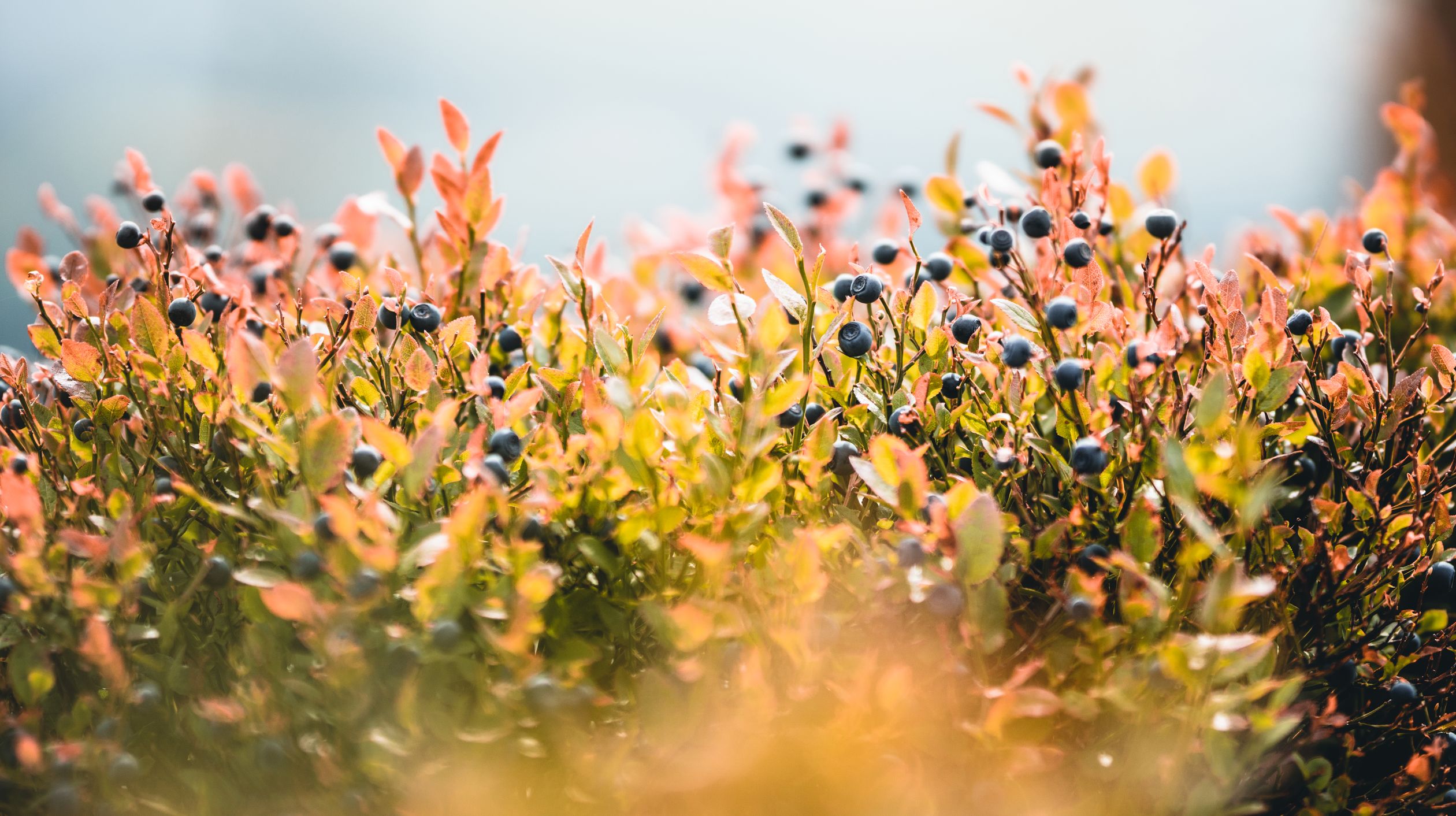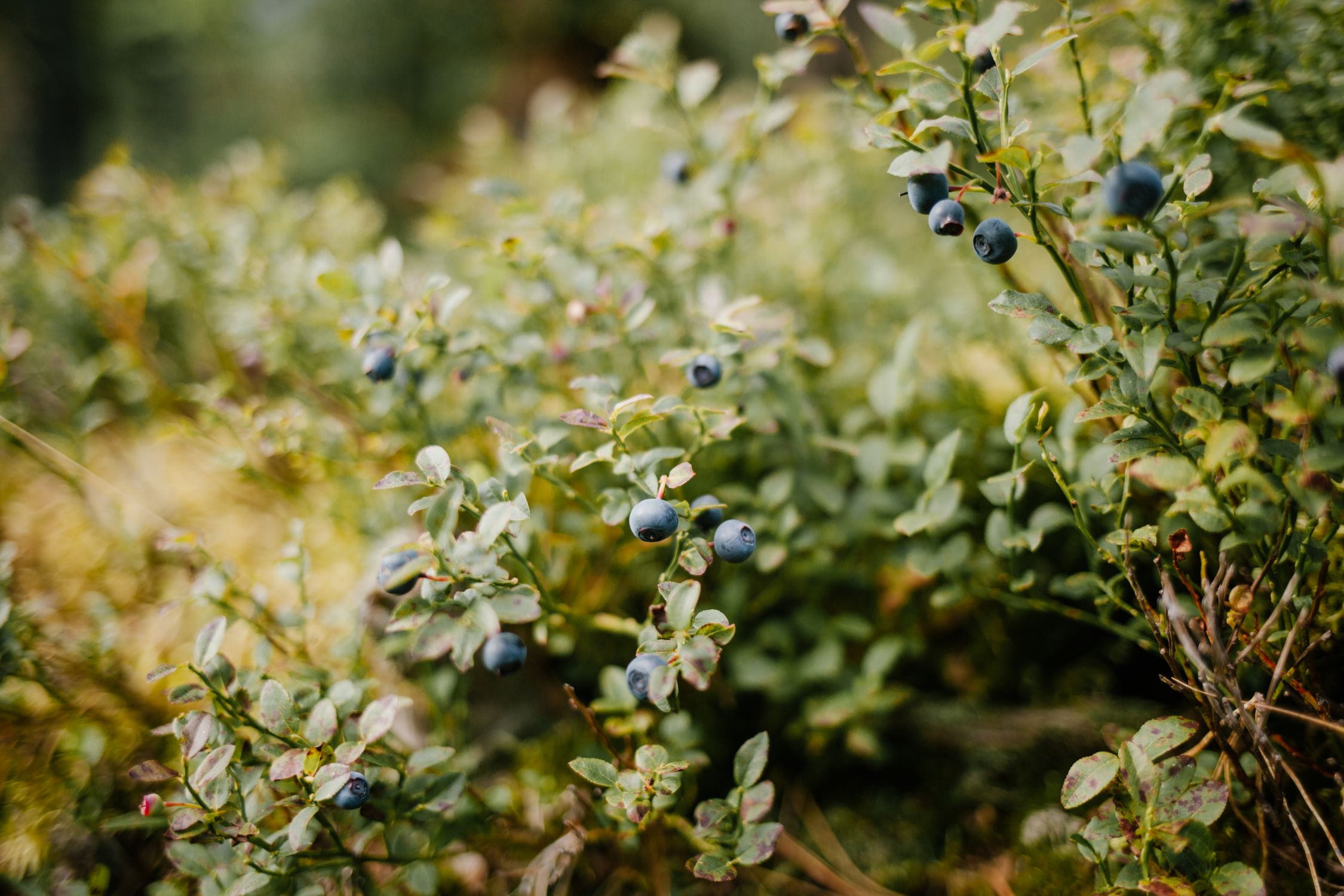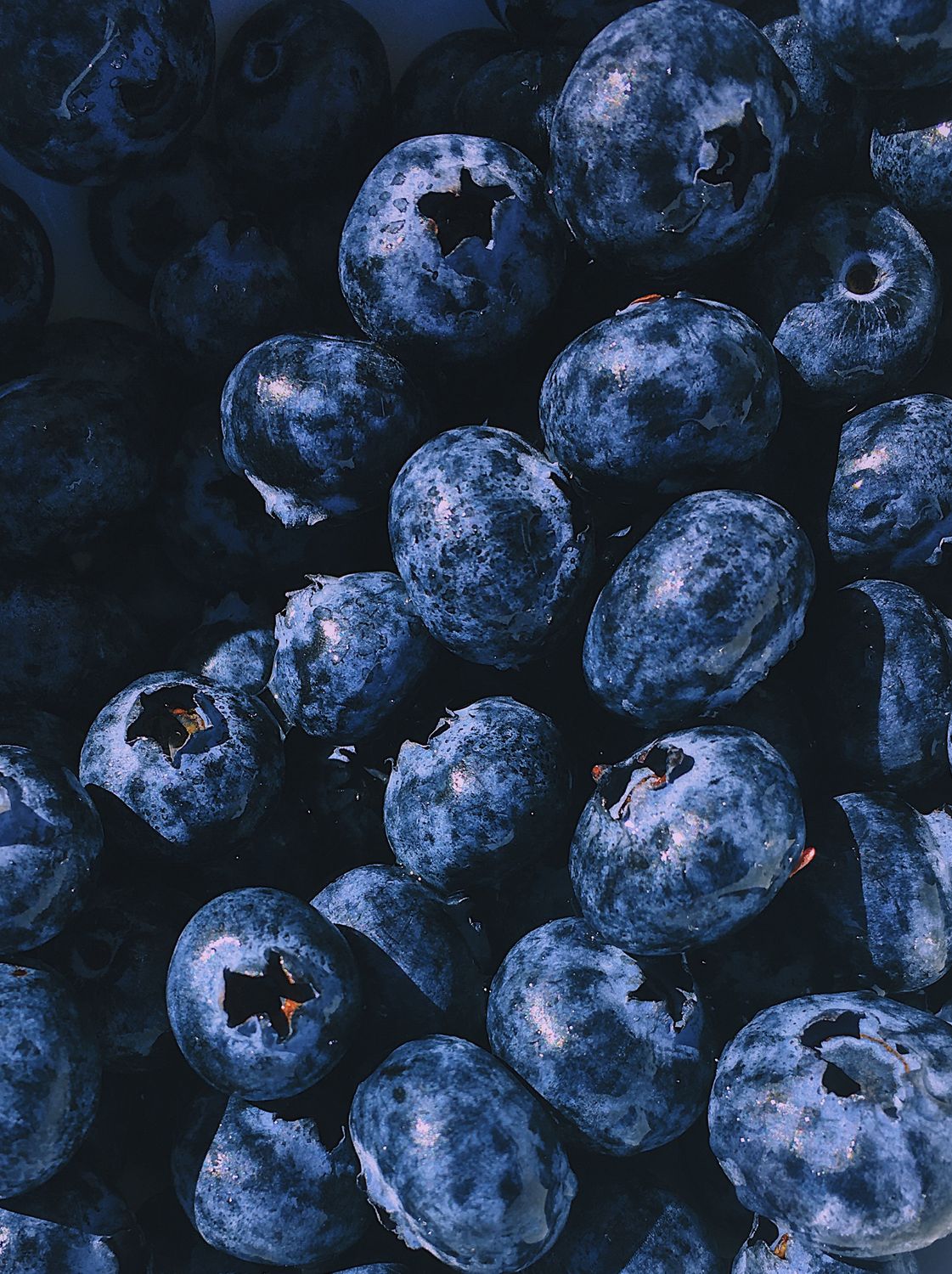
Every year I get some version of the same question from a garden centre newsletter or a fellow allotment holder: "I want a blueberry hedge, but my soil's not acidic — what else is there?" Nine times out of ten, the answer I give is saskatoon. It looks and tastes close enough to a blueberry that most people can't tell the difference in a crumble, but it grows in almost any soil, shrugs off a British winter without a second thought, and doesn't demand the ericaceous compost and constant watering that keeps blueberries fussy in a UK garden. That said, they're not simply interchangeable — each has a real edge over the other depending on what you're working with. Here's how they actually compare, having grown both.
What's the difference between a saskatoon and a blueberry?
Despite looking almost identical once picked — both are round, dusky-blue and roughly the size of a large blackcurrant — saskatoons and blueberries aren't closely related at all. Saskatoons (Amelanchier alnifolia) are in the rose family, the same broad group as apples and pears, and technically their fruit is a pome, like a tiny apple, rather than a true berry. Blueberries (Vaccinium corymbosum and relatives) are in the heather family, and that ancestry is exactly why they're so fussy about soil: like rhododendrons and azaleas, they need acidic conditions to take up nutrients properly, and they simply sulk or yellow in ordinary garden soil. Saskatoons carry none of that baggage — they're closer in temperament to a hardy hedgerow shrub than a specialist fruit bush.
How do they compare at a glance?
Soil is the real dealbreaker for most gardens. If your soil is anything other than acidic — and most UK garden soil is neutral to alkaline — a blueberry bush grown straight in the ground will struggle, discolour and eventually fail, which is why most people grow them in containers of ericaceous compost instead. A saskatoon couldn't care less: it'll take clay, chalk, sand or loam, provided it drains reasonably well, and it can go straight in the border with no soil amendment at all.
Size and shape matter for where you put them. A mature saskatoon is a proper large shrub, often 3m or more if left unpruned, and works well as an informal hedge or a specimen at the back of a border. A blueberry stays compact and tidy, rarely over 1.5–1.8m, and suits a pot on a patio or a dedicated bed far better than it suits a hedgerow.
Flavour is close but not the same. Saskatoons taste like a sweeter, less acidic blueberry with a distinct nutty, almond note that comes from the small seeds — genuinely pleasant, not bitter. Blueberries have more tang and less of that background sweetness, which is why they hold their own better in a fresh fruit bowl, while saskatoons tend to shine more once cooked into a pie or jam, where that almond note comes through.
Harvest timing works differently. Saskatoons ripen in a short, concentrated window around late June, with most of the crop ready within a week or two — useful if you want one big harvest day, less useful if you wanted fruit trickling in all summer. Blueberries, by contrast, ripen in stages over several weeks and, if you mix an early and a late variety, can keep you in fresh fruit from July into September.
Both get hammered by birds, but saskatoons arguably worse — blackbirds and pigeons will strip a bush overnight the moment the fruit blushes purple, so netting isn't optional if you want any for yourself.
Which is best for a UK garden?
If your soil isn't acidic and you don't want to fight it with ericaceous compost and rainwater feeds, the saskatoon is the easier, lower-maintenance choice by a wide margin — plant it, mulch it in year one, and largely leave it alone. If you already have acidic soil, or you're happy growing in pots (which is genuinely the simplest way to get blueberries right in the UK, since it puts you in full control of the compost), blueberries reward the extra care with a longer harvest season and that classic sweet-tart flavour most people already know and expect. For a first fruit bush in an ordinary garden, I'd point a beginner towards the saskatoon; for a patio container project or if you've got acid soil already, blueberries are hard to beat.
So which one should you actually grow?
My honest advice: if you're not sure what your soil pH is, that uncertainty is itself the answer — go with saskatoon and skip the guesswork entirely. If you already grow rhododendrons, camellias or heathers successfully in open ground, your soil is doing half the work for a blueberry already, so make the most of it. And if you've got the space, there's no rule against growing both — they ripen at different times, need nothing from each other, and between them give you fresh berries from late June right through to September. I've got both in my own garden for exactly that reason. For the full growing detail on each, see my saskatoon growing guide and my complete guide to growing blueberries in Britain.