A shady garden does not rule out fruit. Several berries tolerate partial shade well, although you should expect a slightly smaller, later crop and fruit that is a touch less sweet than in full sun. Here are the best options, and the ones to avoid.
What counts as shade?
Partial shade means a few hours of direct sun each day, or dappled light through a tree canopy. Deep, dry shade under a dense tree is much harder, and few fruit will crop well there. A spot that gets sun for even half the day is usually enough for the berries below.
Currants and gooseberries
Redcurrants, whitecurrants and gooseberries are the most shade-tolerant of the bush fruit. They are hardy, reliable and happy with a north-facing wall or a bed with morning sun only. See growing redcurrants and growing gooseberries. The related jostaberry is also a good choice.
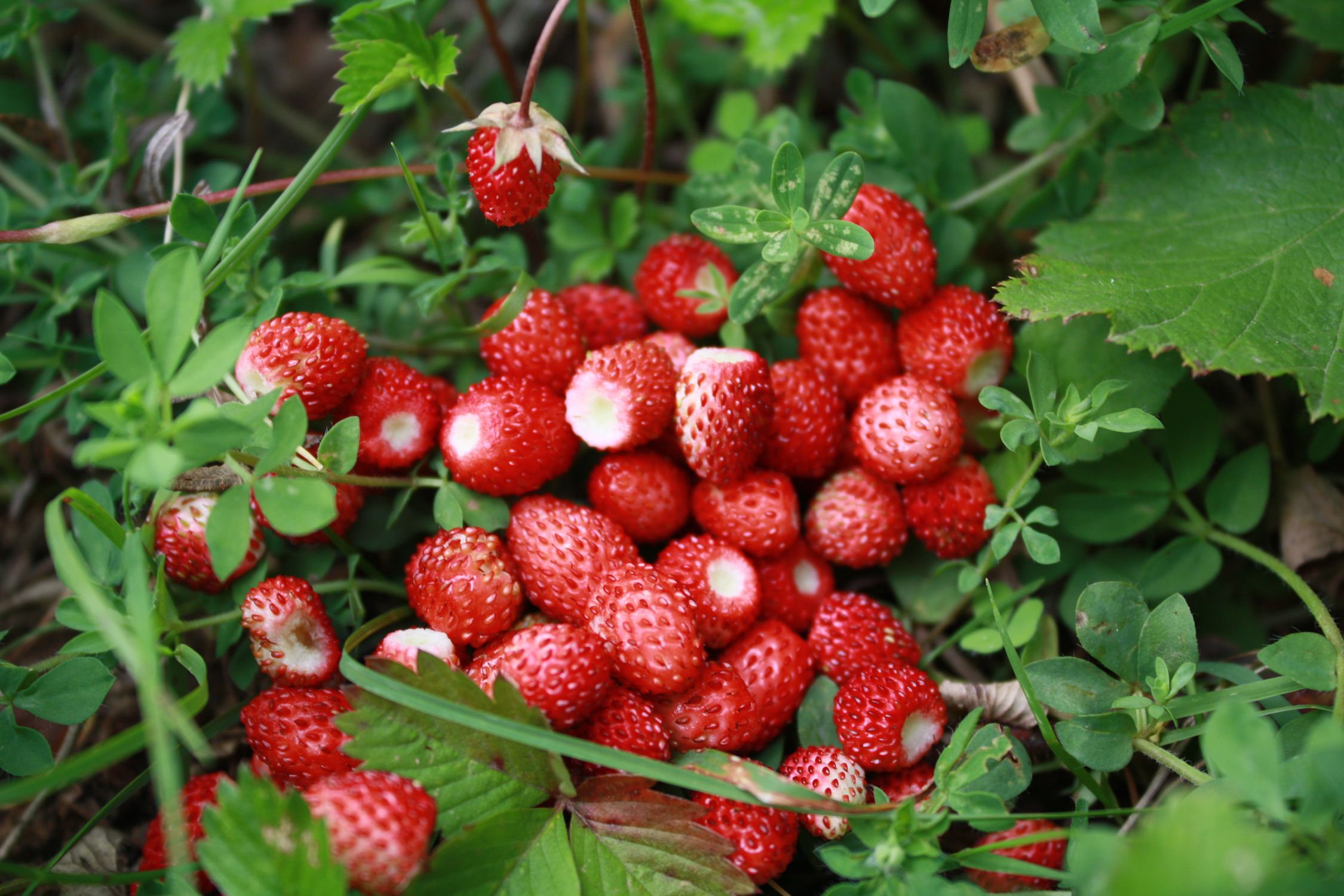
Alpine strawberries
Alpine strawberries are among the best fruit for a shady spot. They form neat, runnerless clumps and produce small, intensely flavoured berries for months. My alpine strawberry guide has the detail.
Blackberries and raspberries
Blackberries and autumn raspberries will fruit in light shade, especially on a fence or wall that gets some sun. Expect a later harvest. My guide to thornless blackberries covers easy-to-manage varieties.
Berries that need sun
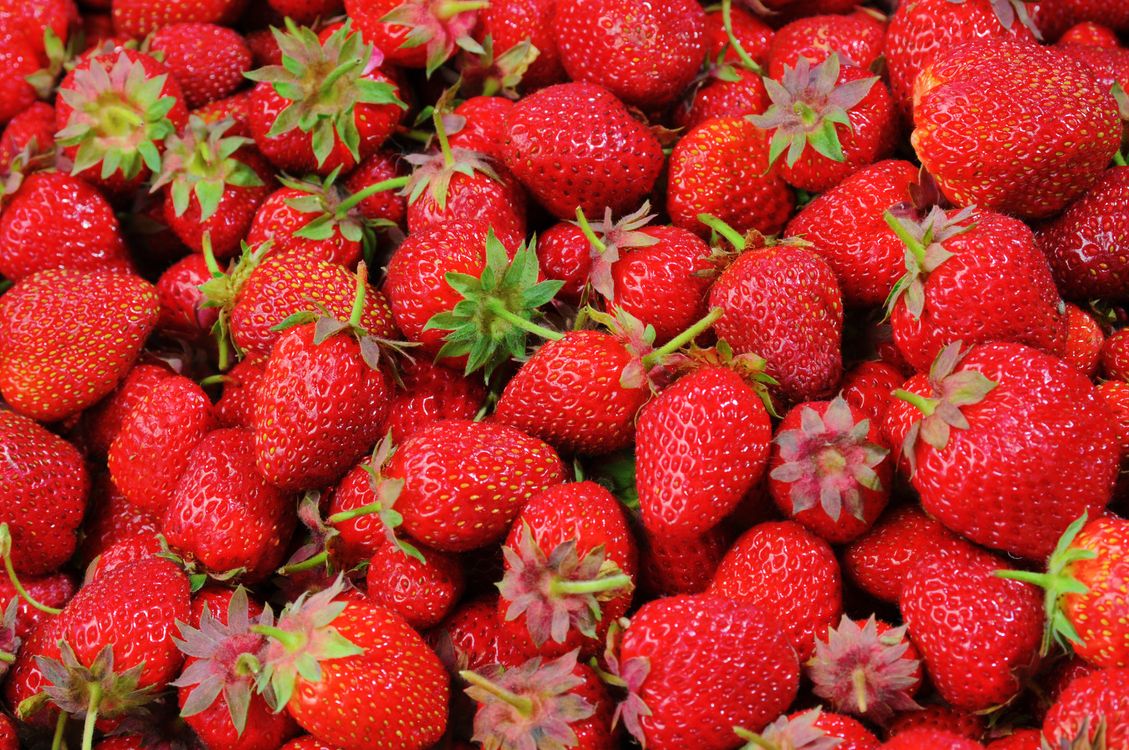
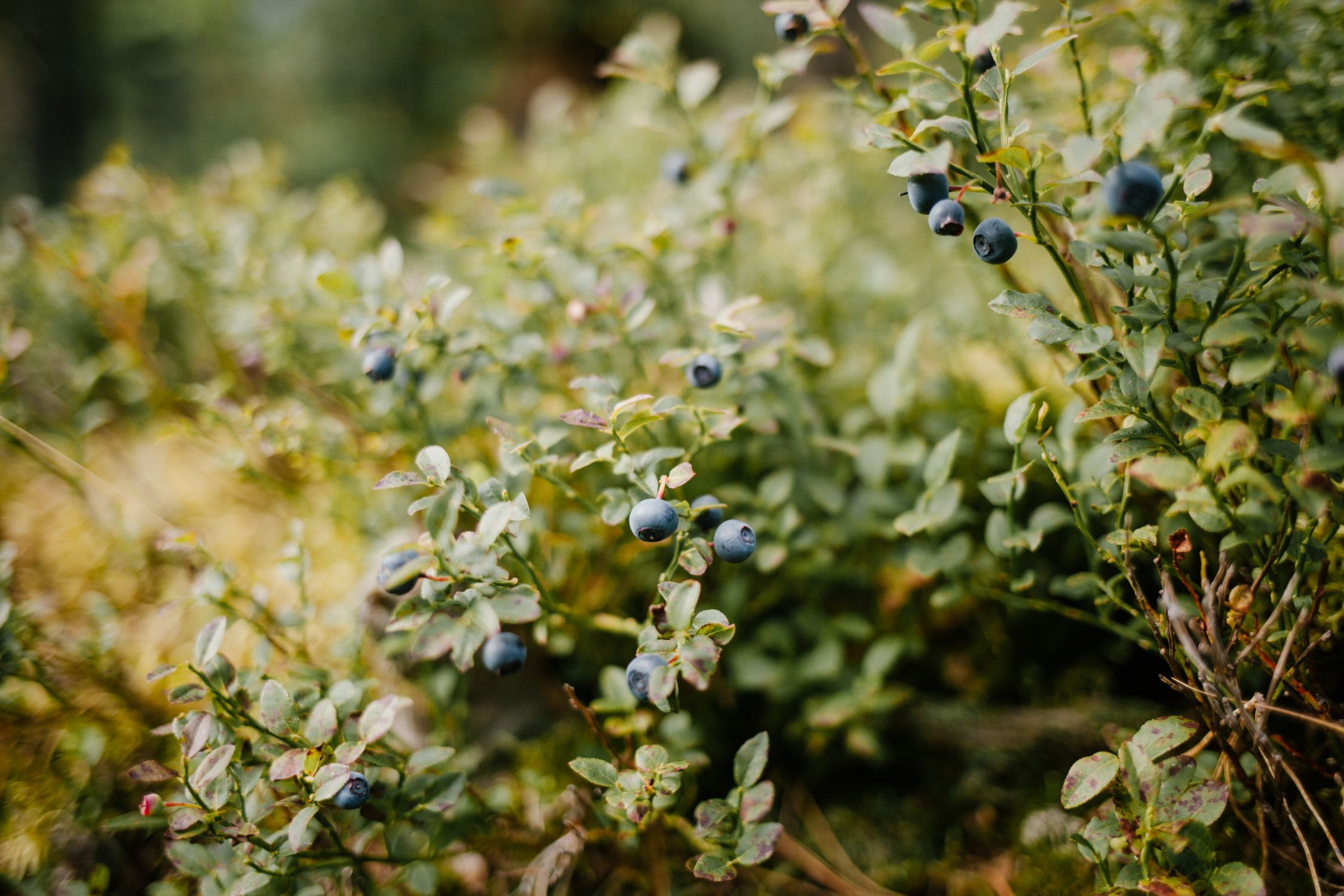
Blueberries, standard strawberries and cranberries want as much light as they can get. If your garden is shady, choose from the lists above instead. For more ideas, see my best berries for small gardens.
Getting the best from a shady garden
- Improve the soil with compost, because tree roots compete for moisture and nutrients.
- Water regularly, since shady soil beneath trees is often dry.
- Lift the canopy of overhanging trees where you can, to let in more light.
- Use a pale wall or fence to reflect light onto your plants.
- Try pots that you can move to the sunniest spot as the seasons change.
Be realistic
Shade will reduce the size and sweetness of the crop. If you want the best flavour, choose the sunniest position you have for the fruit you value most, and use the shadier spots for the more tolerant plants in the lists above.
Frequently Asked Questions
Which berries grow best in shade?
Redcurrants, whitecurrants, gooseberries and alpine strawberries are the most shade-tolerant.
Can blackberries grow in shade?
They tolerate light shade, although the crop is later and smaller than in full sun.
Can blueberries grow in shade?
They prefer full sun. In shade the crop is smaller and the fruit less sweet.