| Botanical name | Ribes rubrum |
|---|---|
| Family | Grossulariaceae |
| Hardy rating | RHS H7 (extremely hardy) |
| Soil pH | 6.0–6.5 (neutral to slightly acid) |
| Time to first harvest | Second year |
| Typical yield (mature bush) | 3–4 kg per year |
| Position | Full sun to partial shade |
| Spacing (bush) | 1.5 m apart |
Redcurrants are one of those plants that get overlooked in British gardens, which is a shame, because they're among the most reliable fruiting shrubs you can grow here. They produce heavy crops even in partial shade, they're completely unfussy about soil, they're hardy enough to handle anything a British winter can throw at them, and the fruit — those glossy, jewel-bright strings of berries — looks absolutely beautiful on the plant in midsummer.
They're also straightforward to manage once you understand one key difference from their blackcurrant cousins: redcurrants fruit on older wood, not new growth, which changes everything about how you prune them. Get that right, and you'll have a plant that produces abundantly for fifteen or twenty years.
What Are Redcurrants?
Redcurrants (and white currants, which are simply a differently pigmented version of the same species) belong to the genus Ribes, the same family as blackcurrants and gooseberries. They're native across northern and central Europe, which is part of why they thrive so naturally in British conditions — this is genuinely their climate.
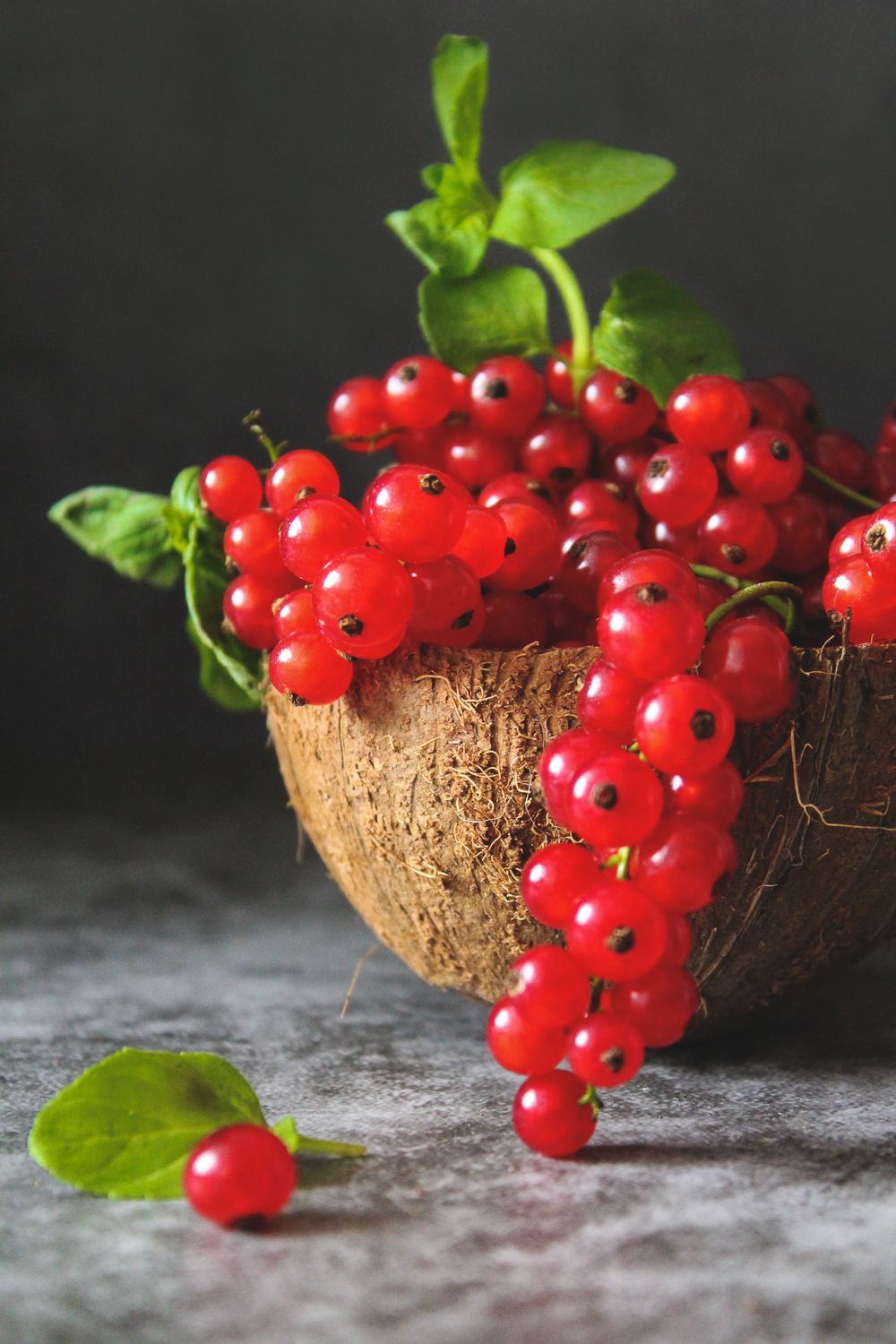
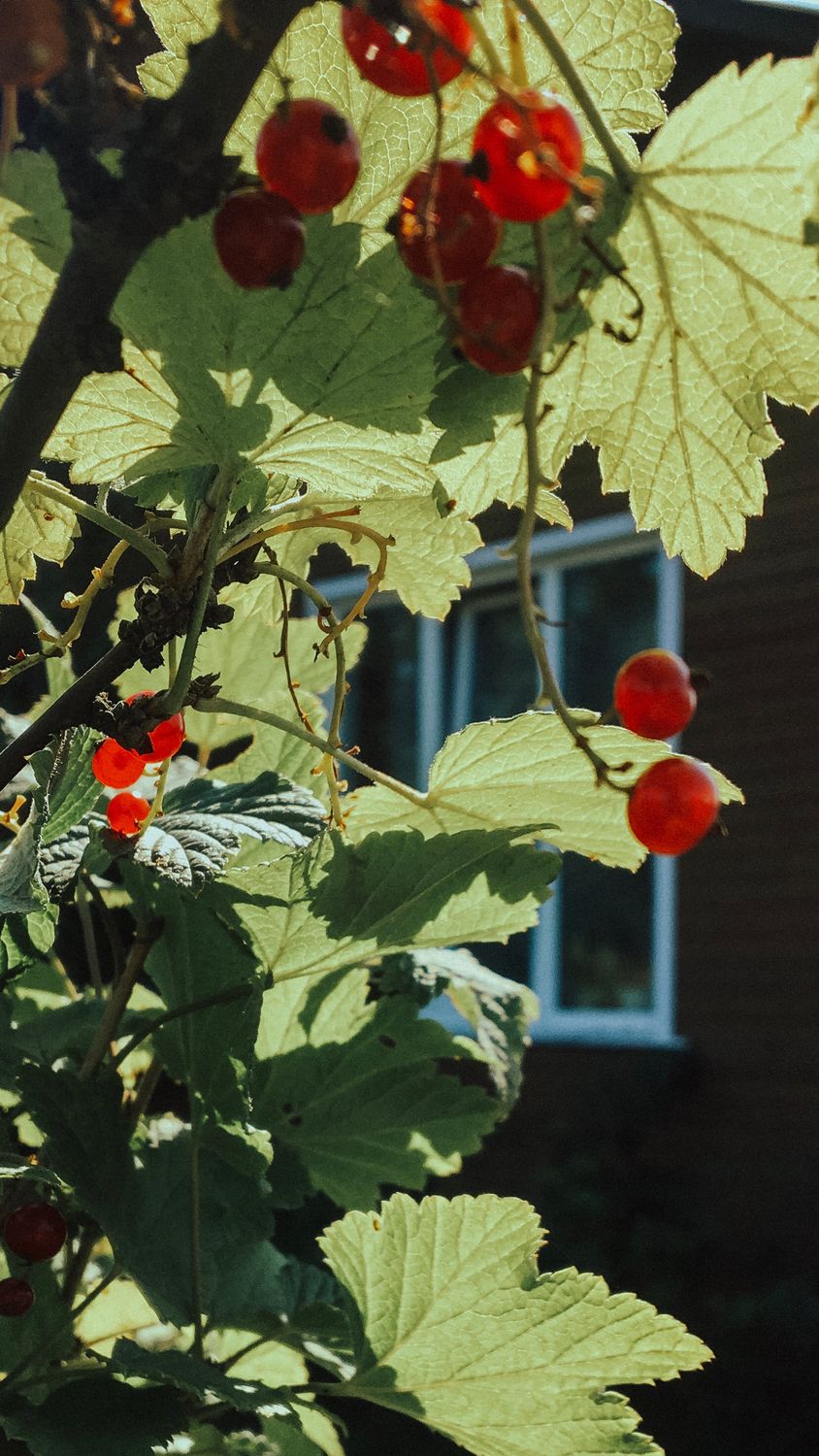
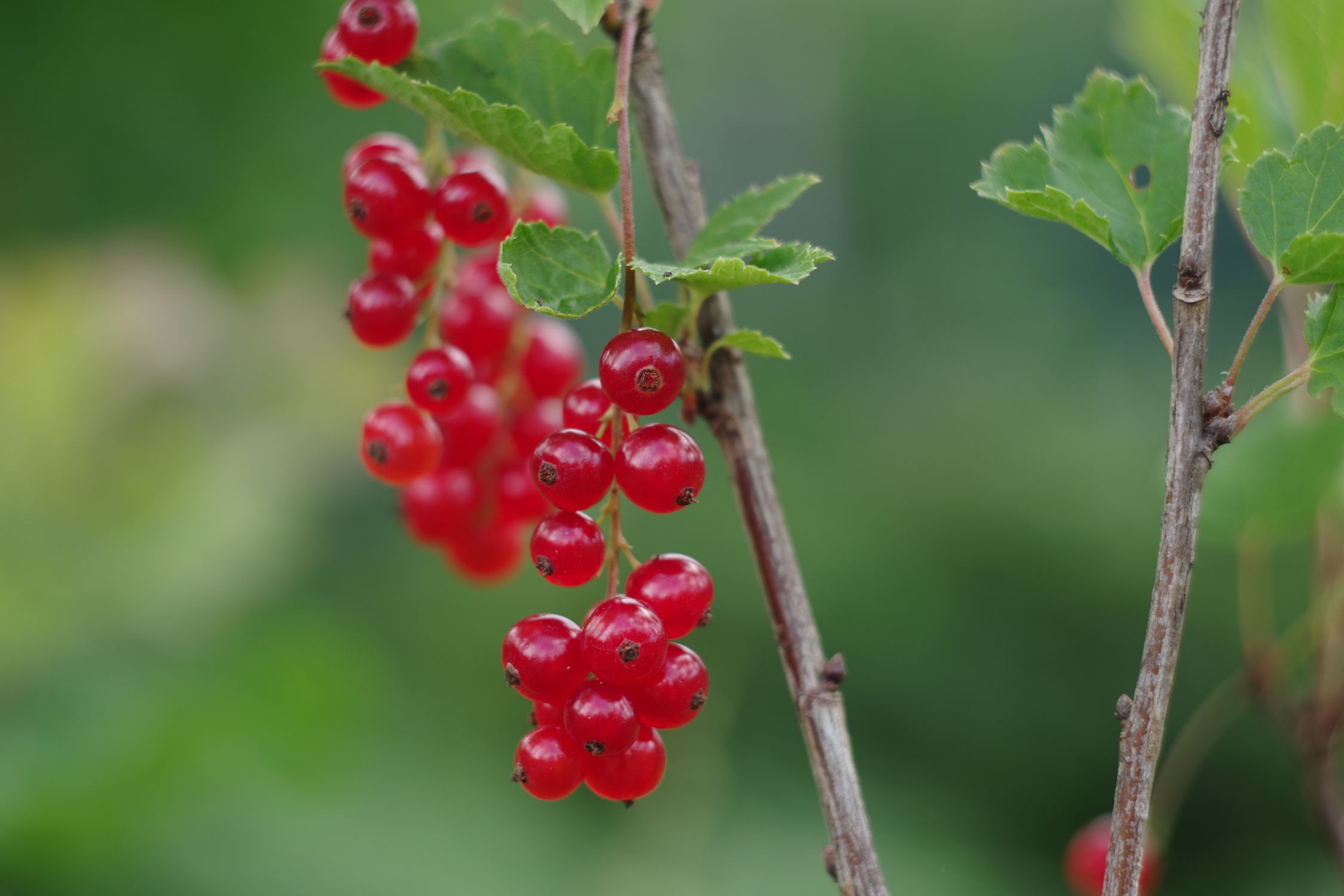
The berries grow in long, hanging clusters called "strigs," ripening from green through to a translucent red (or pale cream-yellow in white varieties) from July onwards. The flavour is sharp and intensely fruity — not really for eating raw by the handful, but extraordinary in jelly, cordial, summer pudding, and as a sauce alongside game or duck.
If you're trying to decide between redcurrants and blackcurrants, there's a more detailed comparison in the blackcurrants, redcurrants and whitecurrants guide. The short version: redcurrants are less fussy about acid soil, more shade-tolerant, and the fruit is tarter and lower in vitamin C — but the ornamental value is hard to beat.
Choosing a Site
Redcurrants are more flexible about position than almost any other fruiting plant you can grow in the UK. They'll crop well in full sun, but they're one of the few fruit plants that will also produce a reasonable harvest on a north-facing wall or in dappled shade — not many things can say that.
That said, full sun does produce the best yields and the most flavour, so give them sun if you have it. What they genuinely cannot tolerate is waterlogged soil or a frost pocket. The flowers appear in April and are vulnerable to late frosts, and standing water will rot the roots over winter.
A sheltered spot also helps — not because the plants are tender, but because the fruit clusters can be stripped by wind before they fully ripen. Against a wall or fence, they'll also ripen earlier.
Soil Preparation
Redcurrants aren't particular about soil type as long as it drains reasonably well and isn't at either extreme of the pH scale. They prefer a neutral to slightly acid soil, around pH 6.0 to 6.5 — more forgiving than blueberries, which need genuinely acid conditions. Most garden soils are fine without any adjustment.
Before planting, dig in a generous amount of garden compost or well-rotted manure to improve soil structure and water retention. Redcurrants don't like to dry out in summer. If your soil is heavy clay, work in some grit to improve drainage. If it's very sandy, extra organic matter will help it hold moisture.
Planting
The best time to plant is late autumn or early winter, when bare-root plants are available and the plants are dormant. Bare-root plants are significantly cheaper than potted ones and establish just as well — often better, since they settle into the soil while it's still warm. Container-grown plants can go in at any time of year, though you'll need to water more attentively through their first summer.
When planting a bush, set the plant at the same depth it was in the pot or nursery bed. For redcurrants grown as a bush, there's no benefit in planting deeper (unlike blackcurrants, where deep planting encourages new stems from the base — which you don't want with redcurrants).
Space bushes 1.5 m apart. For cordons, 45 cm apart along a fence or wall is enough. Dig a hole wide enough to spread the roots comfortably, firm the soil back in, and water in well even in winter.
Training and Support
Redcurrants can be trained into several different forms, and this flexibility is one of their best qualities for smaller gardens.
Bush. The most common form — a short trunk (called a "leg") of around 10–15 cm with an open, goblet-shaped head of main branches above it. Easy to manage, good for open ground or large containers.
Single cordon. A single vertical stem trained up a cane against a fence or wall, with fruiting spurs pruned in tightly along its length. Space-efficient and very productive per square metre. Good for growing several varieties in a small run.
Double cordon (U-shape). Two stems trained upward from a low horizontal branch. Takes more space than a single cordon but produces more fruit from a modest footprint.
Fan. Multiple stems trained out in a fan shape against a wall. Productive, decorative, and particularly good on a sunny wall where you want to maximise the fruit.
Standard. A tall, clear stem with a head at the top — more of an ornamental choice, and harder to net, but striking in a formal kitchen garden.
Whatever form you choose, the basic principle is the same: you're building and maintaining a permanent framework of old wood, from which short fruiting spurs are renewed each year.
Pruning Redcurrants
This is where redcurrants differ most sharply from blackcurrants, and it's worth understanding clearly before you pick up the secateurs. Blackcurrants fruit on new growth — you cut out old wood to make room for fresh shoots. Redcurrants fruit on old wood and short spurs off established branches — you keep the framework and cut back to it each year.
Winter pruning (November–February)
This is the main structural pruning session. With the plant dormant and the leaves gone, you can see the framework clearly.
On an established bush, identify the main framework branches — these stay. Cut back all the side shoots (laterals) growing off those main branches to one or two buds from their base. These short stubs are the fruiting spurs, and next year's crop will come from them. Prune the leading shoots of each main branch back by about a third to keep the plant compact and encourage branching.
Remove any crossing or congested branches, any weak shoots, and anything growing towards the centre of the bush (you want an open centre for air circulation). Also cut away any shoots growing from below the leg — these will sap energy from the head.
Summer pruning (June–July)
A secondary pruning in midsummer keeps cordons and trained forms in check and can improve fruit size by diverting energy into the developing berries. Cut back the current season's side shoots to five or six leaves from the base. Don't do this to the leading shoot — let that grow freely until winter.
Feeding
Redcurrants are reasonably self-sufficient once established, but they do benefit from an annual feed. In late winter or early spring, scatter a general-purpose granular fertiliser (such as Growmore) or a balanced organic feed around the base of each plant. Avoid high-nitrogen feeds — you want to encourage fruit, not excessive leafy growth.
In May, a potassium-rich feed (sulphate of potash, or a tomato fertiliser) helps harden growth and improve fruit development. Potassium deficiency shows as brown leaf margins — common on light soils that lose nutrients quickly.
A mulch of garden compost or well-rotted manure spread around the base each spring (keeping it away from the stems) retains moisture, suppresses weeds, and feeds the soil slowly. This matters more than any bagged fertiliser.
Watering
Established plants rarely need supplemental watering in a normal British summer. During their first year, water during dry spells to help them settle in. Once a plant is two or three years old and properly rooted, it'll handle most UK summers without help.
The exception is container-grown plants, which dry out faster and need more regular attention, particularly in June and July when the fruit is swelling.
Propagation
Redcurrants are straightforward to propagate from hardwood cuttings taken in autumn or early winter. Take a pencil-thick shoot of this year's growth, cut it to around 30 cm long, remove all but the top three or four buds, and push it into the ground or a pot of gritty compost. Most will root over winter and can be planted out the following autumn. This is a very reliable method — you should expect most cuttings to take. There's more detail on the propagation from cuttings guide.
Pests and Diseases
Redcurrant blister aphid
The most common problem you'll encounter — small aphids that cause the characteristic red or yellow blistered patches on the leaves in spring and early summer. Alarming-looking but rarely serious; the plant shrugs it off and fruits normally. The aphids overwinter in the bark and hatch in spring to feed on developing leaves before moving to their summer host (which is not the redcurrant). Improving air circulation and avoiding excess nitrogen reduces the problem. Biological controls or organic sprays can help on severe infestations.
Gooseberry sawfly
The caterpillar-like larvae of the gooseberry sawfly can strip a plant to bare stems shockingly quickly, starting from the centre of the bush outward. Check the undersides of leaves in May for the small pale-green larvae before they get going. Pick them off by hand or use an appropriate pesticide if numbers are high.
Birds
Once the fruit starts to ripen, birds — blackbirds particularly — will find it before you do. Netting is the only reliable solution. Drape fine fruit netting over the plant and secure it at the base, or grow the plant in a permanent fruit cage. It's worth doing from the moment the berries start to colour up.
Powdery mildew
A white powdery coating on leaves and young shoots, more common in dry conditions and on crowded plants. Keep the centre of the bush open when pruning, water at the roots rather than over the foliage, and remove affected growth promptly. Resistant varieties are the best long-term solution.
Varieties to Grow
There are far fewer redcurrant varieties available commercially than there are blackcurrant varieties, but the ones below cover most situations well.
Jonkheer van Tets. An early-ripening variety, usually the first to harvest from late June or early July. Heavy cropper with large, bright-red berries. Slightly more susceptible to late frost damage than later varieties because of the early flower timing, so avoid known frost pockets. A good choice if you want to extend the season.
Red Lake. The traditional mid-season choice, and one of the most widely grown in the UK. Reliable, heavy-cropping, and produces long strigs of bright red fruit. Not the most disease-resistant, but dependable.
Rovada. The variety most recommended for UK gardeners today. Late-ripening, very heavy cropper, good disease resistance, and produces exceptionally long strigs that are easy to pick. If you're choosing just one variety, this is the one.
Stanza. A mid-season variety with excellent flavour and good yields. More compact growth habit than some, which suits smaller gardens and container growing.
White Versailles. Technically a whitecurrant rather than a redcurrant, but the same species and grown in exactly the same way. Creamy-white, almost translucent berries with a milder, sweeter flavour than the red forms. Highly ornamental.
Blanka. Another whitecurrant, and one of the heaviest-cropping white varieties. Excellent flavour and less sharp than the red types — good for eating fresh as well as cooking.
Harvesting
Redcurrants ripen from late June (early varieties) to August (late varieties), and the timing shifts noticeably depending on position — a south-facing wall will ripen two or three weeks ahead of an open bed in partial shade.
The berries don't continue to ripen off the plant, so wait until the strigs are fully coloured and the fruit yields slightly to a gentle squeeze. Pick by the strig rather than individual berries — pull the whole cluster off cleanly and strip the berries over a bowl with a fork. They'll keep in the fridge for a week, or freeze extremely well for use through the winter.
A mature, well-pruned bush in good conditions will yield around 3 to 4 kg of fruit per season. Cordons produce less per plant but more per metre of fence than a bush.
What to Do With the Harvest
Redcurrants have one of the highest natural pectin contents of any berry, which makes them excellent for setting jams and jellies — even a small proportion added to lower-pectin fruits can help a jam set. Redcurrant jelly is the classic British accompaniment to lamb and game, and it's one of the simplest preserves to make well.
They're also excellent in summer pudding, mixed into a fruit coulis, stirred through yoghurt, or used fresh as a garnish. The tartness balances rich desserts well. The juice makes a striking cordial. And frozen, they hold their shape and flavour well enough to use in cooking straight from the freezer months later.
Frequently Asked Questions
Can you grow redcurrants in pots?
Yes, redcurrants grow well in containers of at least 30–40 litres, particularly as a cordon or compact bush. Use a loam-based compost (John Innes No. 3), ensure the pot drains well, and water and feed more regularly than you would in the ground. Repot every two or three years as the roots fill the container.
Why are my redcurrant leaves blistering and going red?
This is almost certainly redcurrant blister aphid — a very common problem that looks alarming but rarely affects the harvest. The distorted, reddened or yellowed patches on the upper leaf surface are caused by aphid feeding on the underside. The aphids leave the plant in summer and the damage doesn't get worse; the plant will produce a normal crop.
How long do redcurrant plants live?
A well-managed redcurrant plant can remain productive for twenty years or more. Regular pruning to maintain the framework is the key — plants that are neglected and allowed to become congested crop poorly and are more disease-prone, but this is easily avoided with an annual winter prune.
Can I grow redcurrants in shade?
More than most fruit plants, yes. Redcurrants will crop in partial shade and will even produce a reasonable harvest on a north-facing wall, though yields and sugar content will be lower than in full sun. They're one of the better choices if a shady spot is all you have to offer.
Do I need more than one redcurrant plant?
No. Redcurrants are self-fertile and will crop well from a single plant without needing a pollination partner. If you want a larger harvest, plant several, but it's not a requirement.
More Currant Guides
Redcurrants sorted? The blackcurrant growing guide covers their heavier-cropping cousin (and the completely different pruning it needs), blackcurrant jam is the classic use for a currant glut, and gooseberries round out the Ribes family for a complete currant corner.