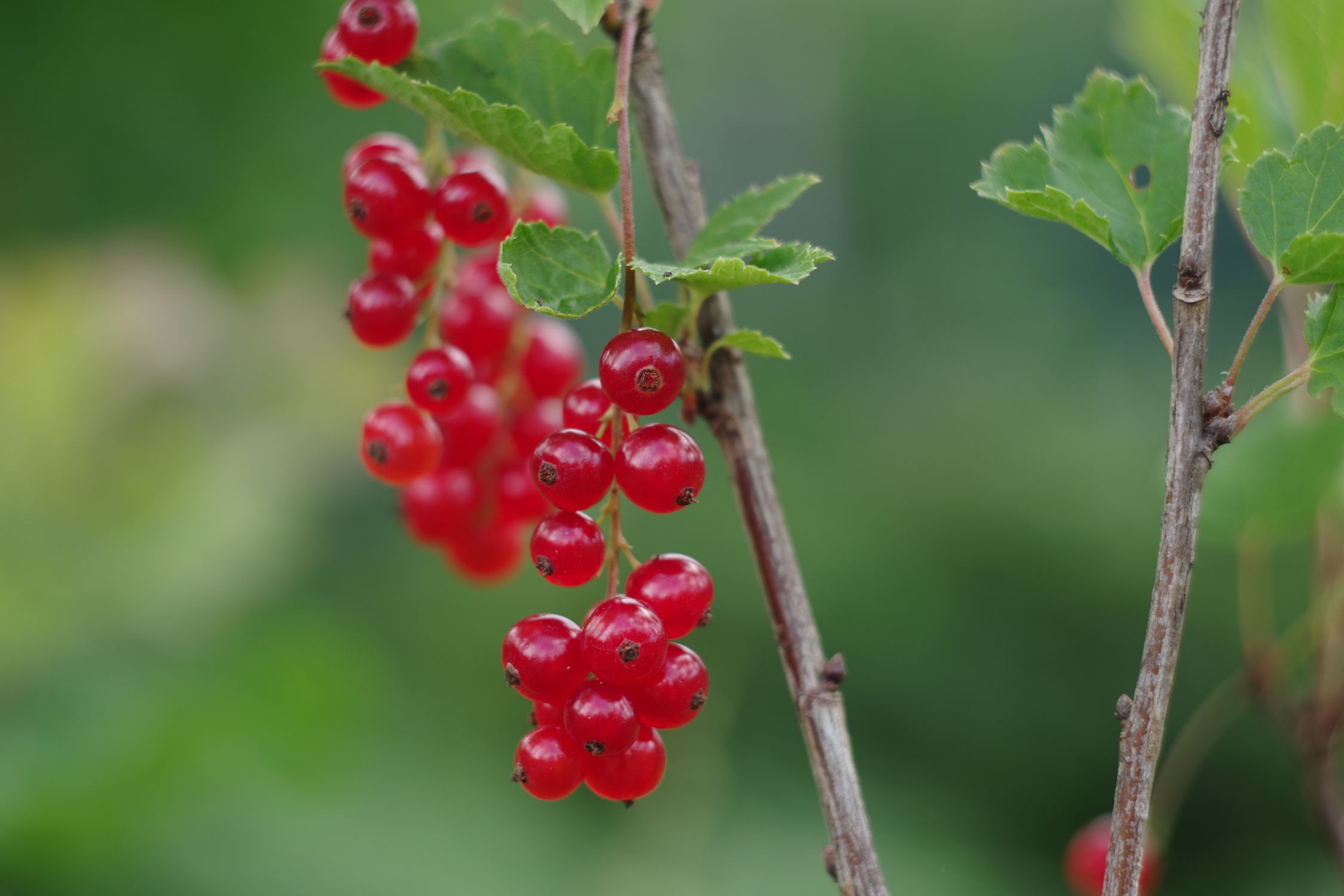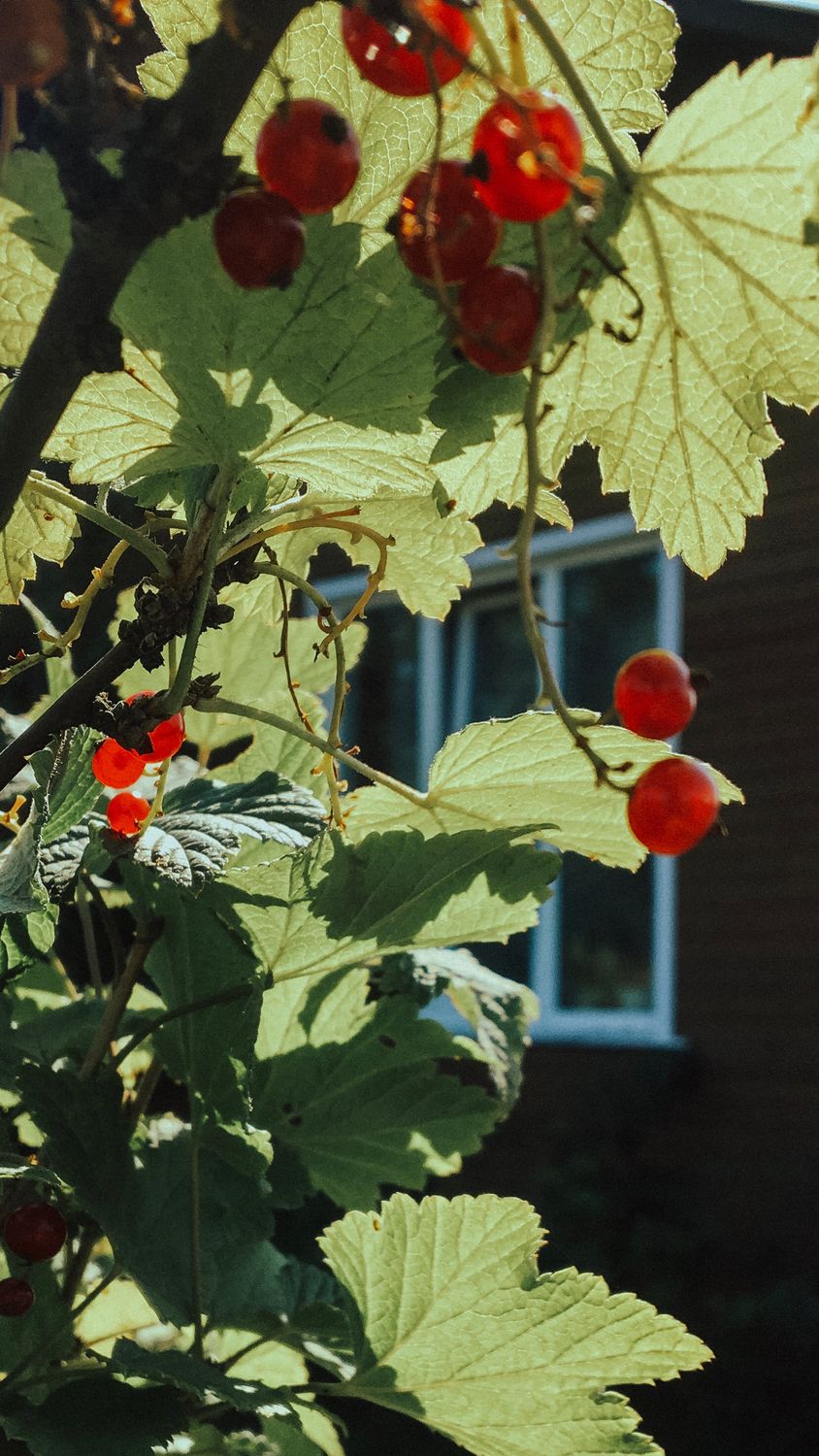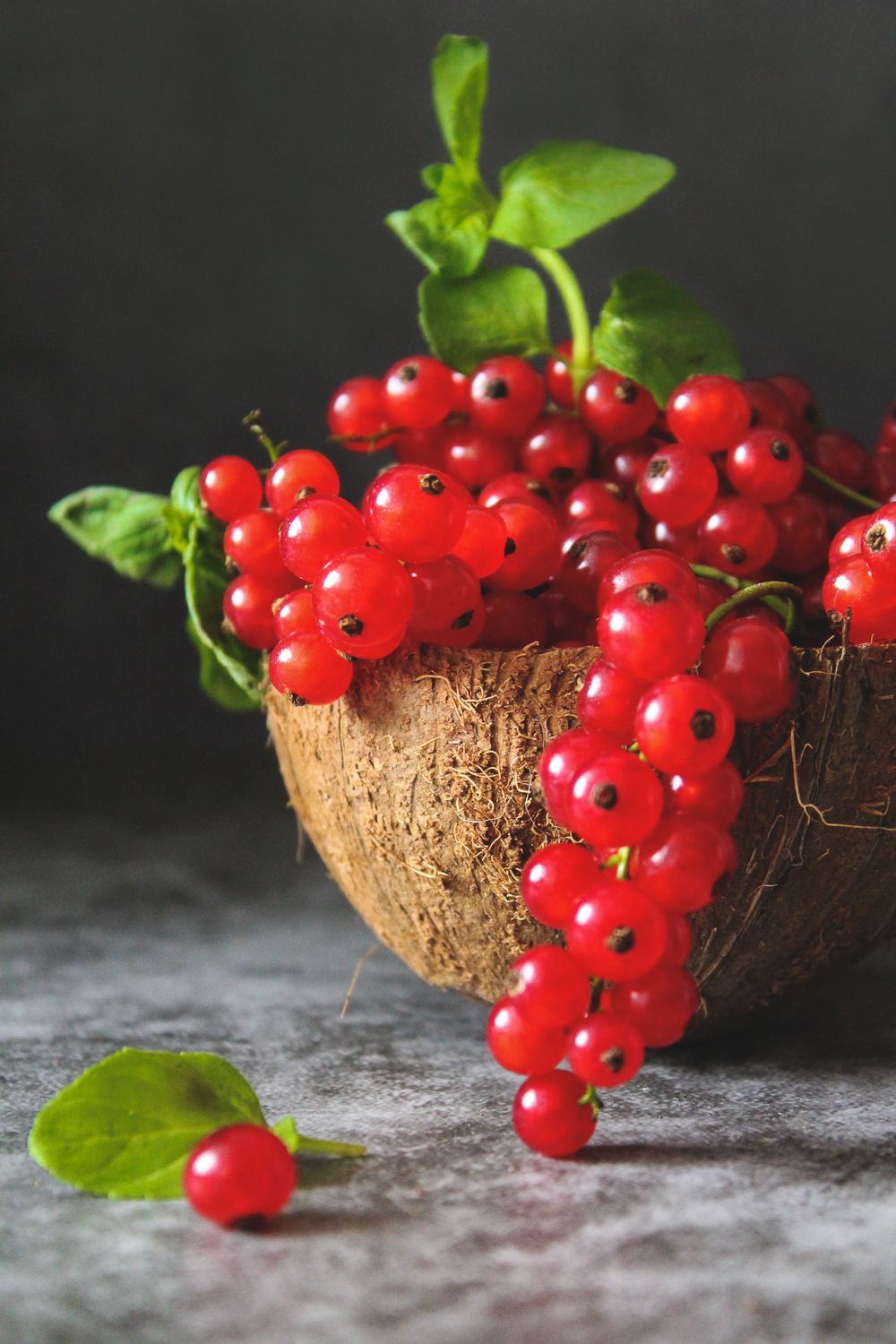
Redcurrants are one of the few fruits that genuinely need nothing but sugar to set into a proper jelly — no jam sugar, no lemon juice, no pectin sachets. They're that rich in natural pectin. If you've got a currant bush groaning under a glut in July, this is the single best thing to do with it: a glossy, ruby-red jelly that cuts through rich meat, lifts a cheese board, and keeps for a year in the cupboard.
Why Redcurrant Jelly Sets Without Any Help
Pectin and acid are what any jam or jelly needs to set, and redcurrants are stacked with both — more so than almost any other soft fruit you can grow in a UK garden. That's why the classic method is so short: simmer, strain, boil with sugar, done. No testing packets of pectin, no faffing with lemons. If you've grown redcurrants yourself, this is the reward for the wait.
Ingredients
- 1kg redcurrants, on or off their strigs (stalks) — you'll strain them either way
- Granulated sugar (roughly 500g per 600ml of strained juice — you won't know the exact amount until you've juiced the fruit)
- A splash of water
- A jelly bag or a clean muslin-lined sieve, and something to suspend it over a bowl
Method
- Tip the redcurrants (whole strigs are fine) into a large pan with a splash of water. Simmer gently for about 15 minutes, mashing them with a wooden spoon as they soften, until you have a soft, pulpy mass.
- Pour the hot pulp into a jelly bag or a muslin-lined sieve set over a large bowl. Leave it to drip for several hours, or overnight for the clearest jelly. Don't squeeze the bag — squeezing forces pulp through and clouds the finished jelly.
- Measure the strained juice and pour it into a clean pan with 500g of sugar for every 600ml of juice. Warm gently, stirring until the sugar has completely dissolved.
- Bring to a rolling boil and cook for around 8 to 10 minutes, until it reaches setting point (104–105°C), or wrinkles on a chilled saucer when pushed with a fingertip.
- Skim off any scum, then pot into warm, sterilised jars straight away and seal.
Sterilising Your Jars
Wash the jars in hot soapy water, rinse, then dry them in a low oven (around 120°C) for ten minutes and keep them warm until you're ready to fill them. Sterilise the lids separately in just-boiled water. Pouring hot jelly into a cold jar risks cracking the glass, so timing this to finish just as your jelly hits setting point saves a lot of standing around.
What to Do With Redcurrant Jelly
The classic pairing is roast lamb, where its sharp-sweet edge cuts straight through the richness. It's just as good stirred into a gravy or pan sauce, spooned onto a cheeseboard alongside a hard cheese, or swirled through natural yoghurt. A spoonful whisked into a vinaigrette with a little mustard and oil makes a genuinely excellent salad dressing too.
Frequently Asked Questions
Do I need to top and tail redcurrants for jelly?
No — and this is one of the reasons redcurrant jelly is such an easy first preserve. Because you strain the pulp through a jelly bag at the end, there's no need to strip the currants from their strigs (stalks) first. Just simmer the whole clusters, stalks and all; everything gets left behind in the bag.
Why is my redcurrant jelly cloudy?
Almost always because the jelly bag was squeezed to speed things up. Squeezing forces fine pulp through the muslin along with the juice, which clouds the finished jelly. Be patient and let it drip on its own — a few hours, or overnight for the clearest result.
How much sugar do I need for redcurrant jelly?
As a rule of thumb, 500g of sugar for every 600ml of strained juice. You won't know the exact volume of juice until after straining, since it varies with how ripe and juicy the fruit was, so measure the juice first and scale the sugar to match.
Can I use frozen redcurrants for jelly?
Yes, with no real loss of quality. Simmer them from frozen rather than thawing first — it takes a few minutes longer to break down, but the pectin content and set are unaffected. It's a good way to use up a glut you've frozen from earlier in the season.
If your currant bushes have you thinking beyond redcurrants, my guide to growing redcurrants and the blackcurrant growing guide cover the rest of the currant family, and hedgerow jelly is the natural next preserve once currant season is over.