Hedgerow jelly is the one recipe I'd tell every new forager to learn first, because it doesn't ask you to pick any one thing. Blackberries, elderberries, sloes, haws, rosehips, wild damsons — whatever your autumn walk actually turns up goes in the same pan, and the method barely changes. If you've read my wild berry identification guide and come home with a mixed bag, this is what you do with it.
Which Hedgerow Fruit Works
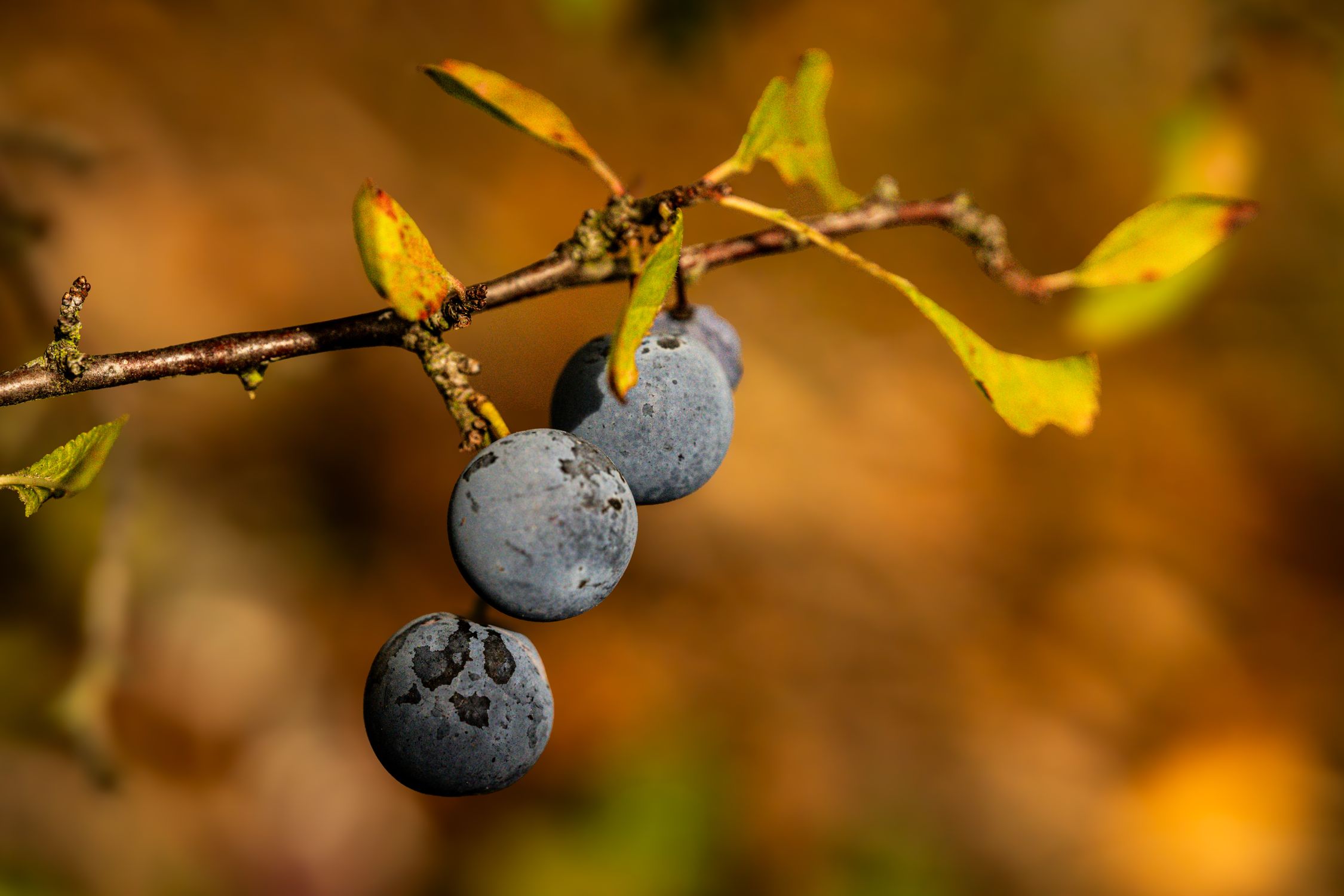
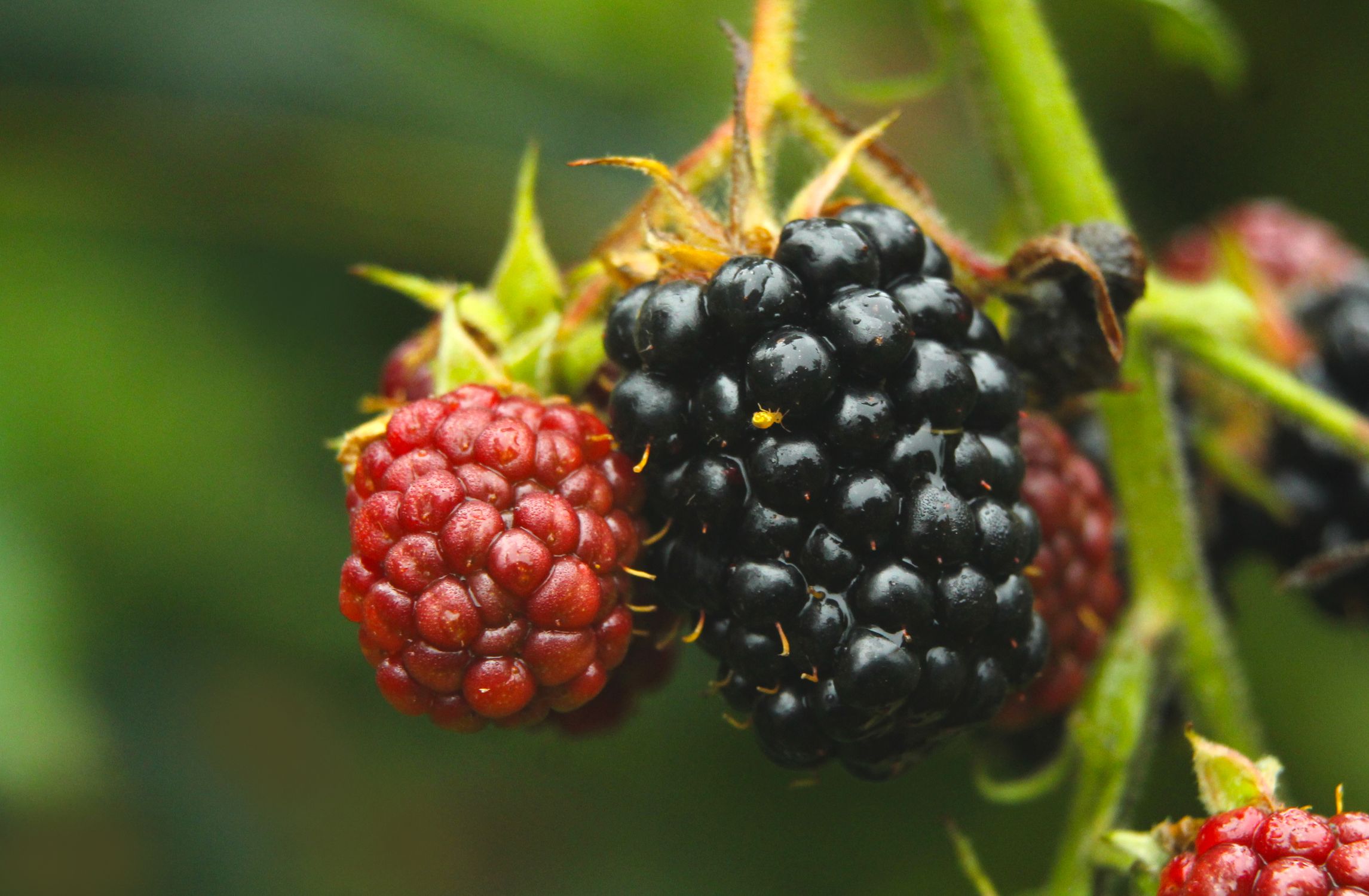
Almost anything you'd forage safely will do, and mixing several together usually makes a better jelly than any one on its own. Blackberries give bulk and body; elderberries and sloes add depth and colour; hawthorn and rosehips bring pectin and a mellow, slightly floral note. A good rule of thumb: roughly two-thirds blackberries to one-third of whatever else you've got is a forgiving starting ratio, though there's no wrong combination. Elderberries and sloes must be cooked, never eaten raw — which suits this recipe perfectly, since they're going straight in the pan.
Ingredients
- 1.5kg mixed hedgerow fruit — blackberries, elderberries (destalked), sloes, haws, rosehips or wild damsons, in any combination
- 1 large cooking apple, chopped (skin, core and all) — apple pips and skin are rich in pectin and help a low-pectin mix set
- Granulated sugar (roughly 450g per 600ml of strained juice)
- Water, enough to just cover the fruit
- A jelly bag or a muslin-lined sieve
Method
- Rinse the fruit and tip it into a large pan with the chopped apple. Add just enough water to come level with the fruit, no more.
- Simmer gently for 45 minutes to an hour, mashing occasionally, until everything is soft and pulpy and the sloes or haws have completely broken down.
- Pour the hot pulp into a jelly bag or muslin-lined sieve suspended over a large bowl. Leave to drip for several hours, or ideally overnight. Resist squeezing the bag, or the jelly will turn cloudy.
- Measure the strained juice into a clean pan with 450g of sugar for every 600ml. Warm gently until the sugar has fully dissolved.
- Bring to a rolling boil and cook for 10 to 15 minutes until setting point (104–105°C), testing on a chilled saucer — a mixed hedgerow batch can take a little longer than a single-fruit jelly, depending on how much pectin the mix contains.
- Skim any scum from the surface, then pot into warm, sterilised jars and seal immediately.
Getting the Set Right with a Mixed Batch
Because you're never working with exactly the same mix twice, hedgerow jelly is the one preserve where I genuinely test for setting point every time rather than trusting the clock. The cooking apple is doing real work here — its pectin backs up whatever the wild fruit brings, which matters most if your mix leans heavily on low-pectin fruit like elderberries. If a batch stubbornly won't set after 15 minutes of rolling boil, it usually just needs longer rather than any fix; keep testing every couple of minutes.
What to Do With Hedgerow Jelly
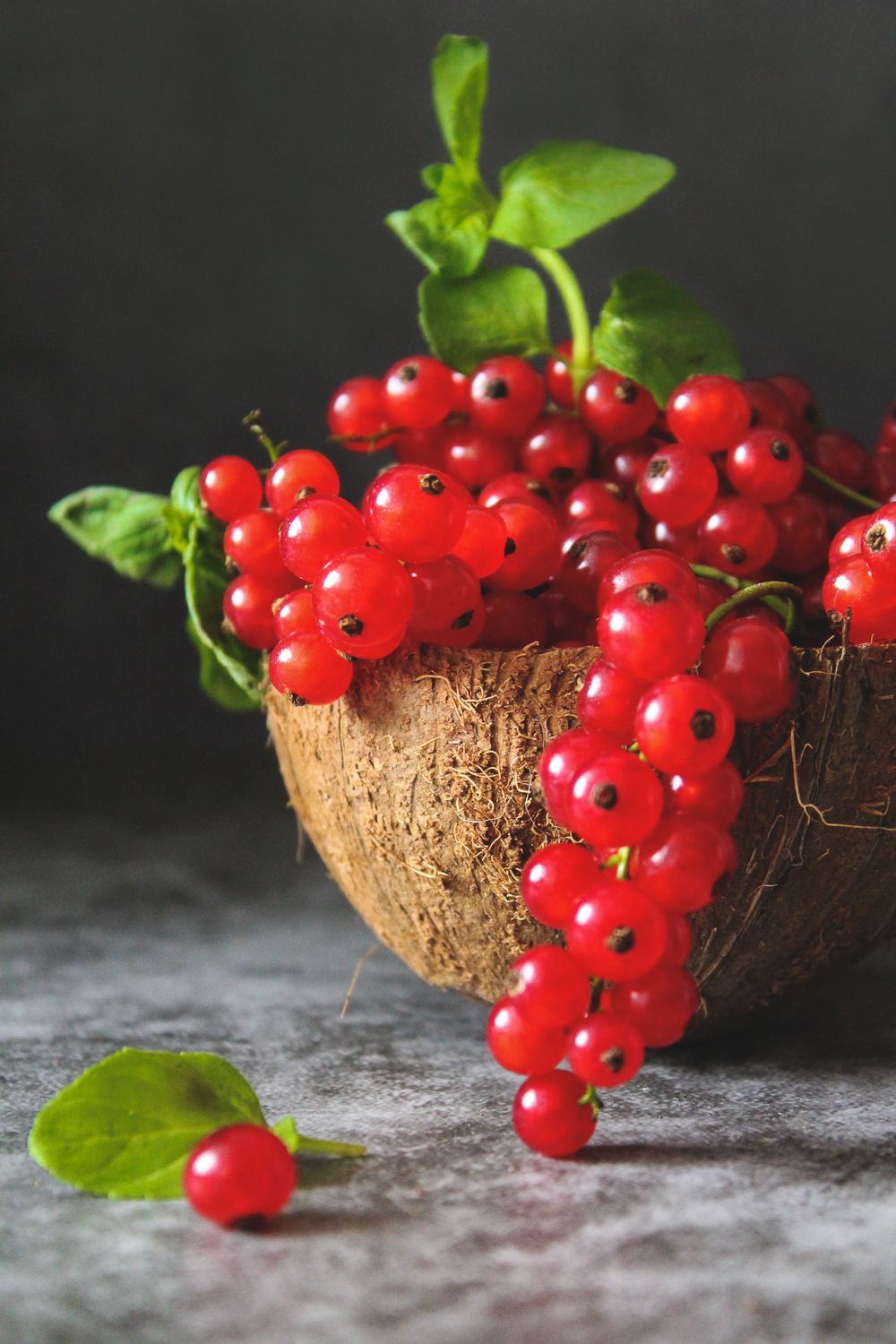
Treat it exactly as you would redcurrant jelly: alongside roast meat, particularly game or lamb, stirred into a pan sauce, or spooned onto a cheese board. It's also excellent simply on hot buttered toast, which is honestly where most of my jars actually end up.
Frequently Asked Questions
Can I use just one hedgerow fruit instead of a mix?
Yes — the method works for a single fruit too, though a mix tends to give a rounder flavour and a more reliable set, since different hedgerow fruit brings different amounts of pectin. Blackberries alone make a good, simple jelly; adding even a handful of haws or sloes lifts it further.
Do I need to remove stalks and stones before cooking?
No — simmer everything as it comes, stalks, pips and all. You'll strain the whole lot through a jelly bag afterwards, so there's no need to fiddle with destalking or stoning fruit before it goes in the pan.
Why add a cooking apple to hedgerow jelly?
For the pectin. Wild hedgerow fruit varies a lot in how readily it sets, and apple skin and pips are a reliable, natural source of extra pectin that backs up whatever the fruit itself provides. It's a traditional trick rather than a strict necessity, but it makes the set far more predictable.
How long does hedgerow jelly keep?
Properly sealed in sterilised jars, a year or more in a cool, dark cupboard. Once opened, keep it in the fridge and use it within a few weeks, the same as any homemade jam or jelly.
If this is your first time turning a foraging haul into something you can keep, my wild berry identification guide is the place to start before you pick, and redcurrant jelly is the classic garden-grown counterpart once currant season is in.