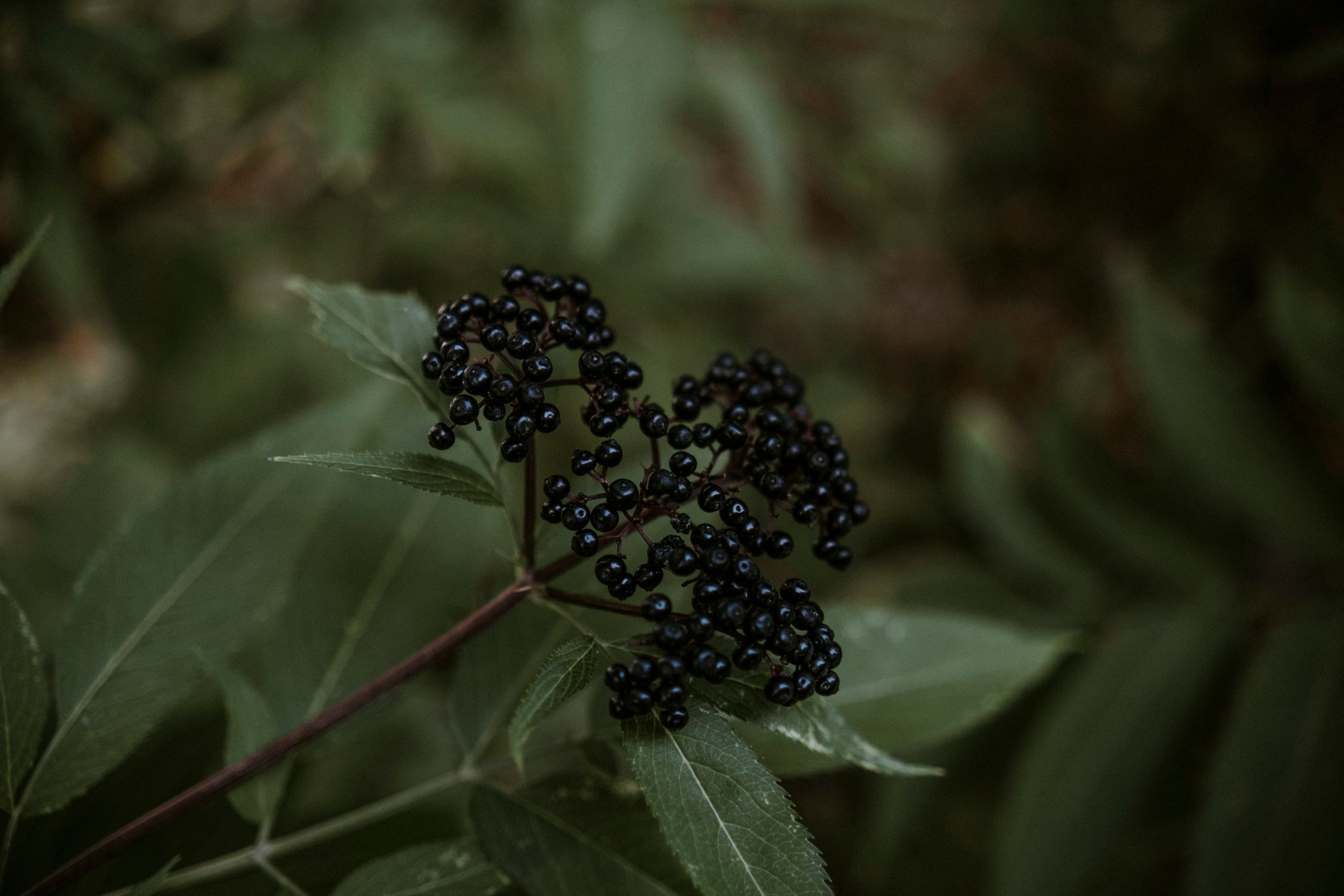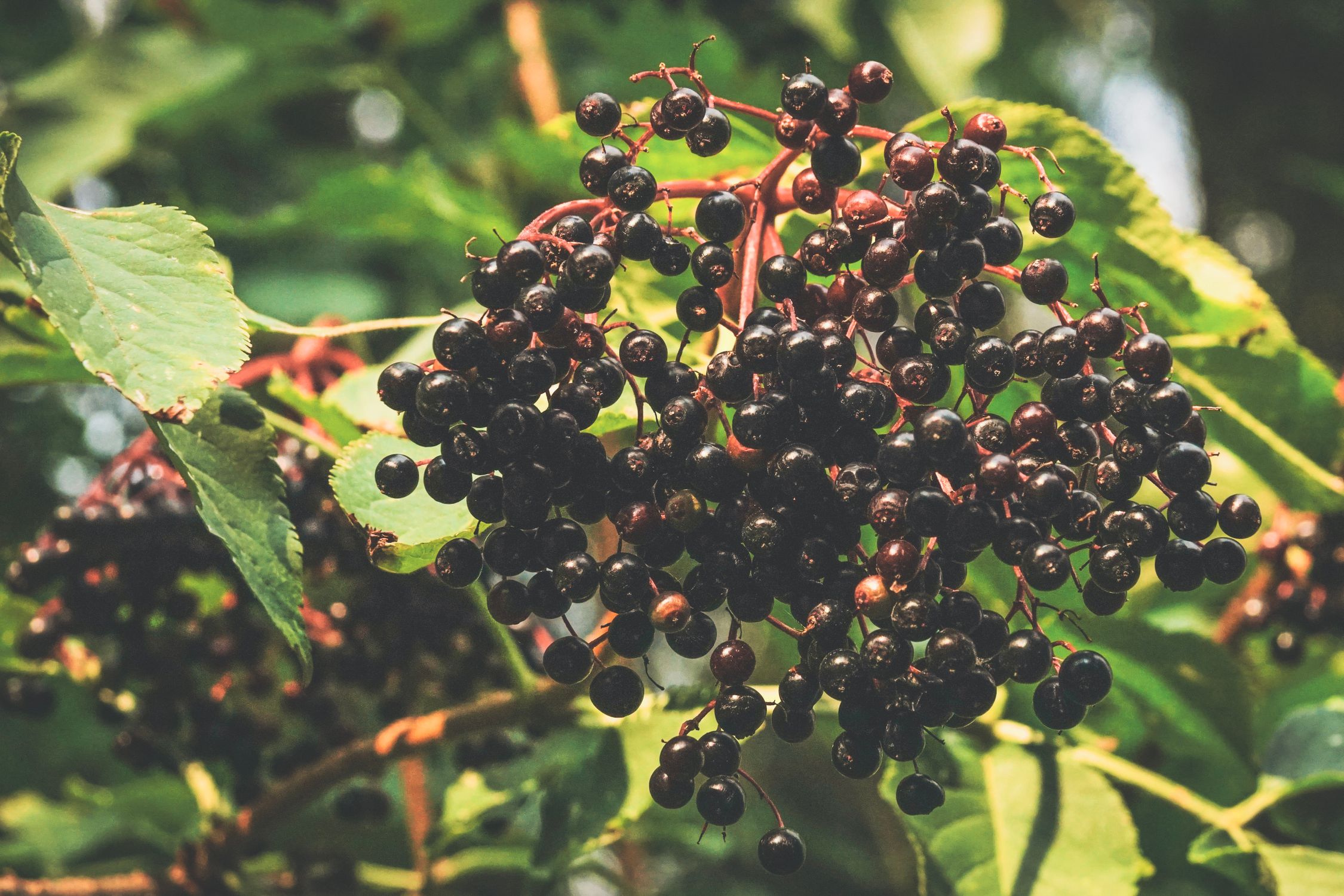
There are few plants that give as generously as the elder. From a single shrub you get two harvests in two different seasons: frothy heads of elderflower in early summer for cordial and fizz, then clusters of dark elderberries in autumn for syrups, jams and pies. Sambucus nigra grows wild in hedgerows the length and breadth of Britain, which means most of us first meet it foraging — but it's such a willing, tough plant that growing your own is almost embarrassingly easy. Let me talk you through it, and there's one important safety point I'll come to, so do stay with me.
Why grow your own elder when it's everywhere in the hedges?
Fair question. The elder is one of the most reliable wild harvests we have, and I'd never discourage a foraging walk. But growing your own has real advantages. You know exactly where your plant is and what's been near it — no worries about roadside fumes or sprayed field margins. You can pick at the perfect moment rather than racing other foragers and the birds. And if you choose one of the ornamental varieties, you get a genuinely handsome garden shrub into the bargain, rather than a scruffy hedgerow sprawl.
There's also the simple convenience of having those flower heads and berry clusters a few steps from the kitchen door, ready the instant they're at their best.
Where does elder like to grow?
Almost anywhere, frankly. Elder is famously unfussy — it's the plant that colonises waste ground, railway embankments and neglected corners without any help at all. It copes with most soils, tolerates some shade, and shrugs off our wet, windy British weather. That said, if you want the best of both crops, give it a spot in sun or light shade with reasonably fertile, moisture-retentive soil. More sun generally means more flowers and better-ripened berries.
Plant a bare-root specimen in the dormant season from autumn to early spring, or a pot-grown one almost any time the ground isn't frozen or baked dry. Dig in some compost, water it in, and keep it watered through its first summer while it settles. After that it largely looks after itself. Do give it room, though — a vigorous elder can reach three or four metres and spread accordingly, so it's not one for a tiny border.
Which elder varieties are worth growing?
The plain wild Sambucus nigra is perfectly good and crops heavily. But there are some lovely selected forms that earn their place:
- Black Lace — deep purple-black, finely cut foliage that looks almost like a Japanese maple, with pink-flushed flowers. A striking ornamental that still gives you flowers and berries.
- Black Beauty — dark purple leaves and pink-tinged, lemon-scented flower heads; a strong garden plant with good colour all season.
- Named fruiting selections such as 'Haschberg' are grown where heavier, more uniform berry crops are wanted, though they're less ornamental.
For most gardeners after both harvests and a bit of beauty, one of the dark-leaved forms is a fine choice. Just remember that even with an ornamental variety, the same picking and safety rules apply.
How do you prune an elder?
Elder is vigorous and responds well to firm handling, so don't be timid. Left alone it gets leggy and tangled, with all the action up high out of reach. The job is best done in winter while the plant is dormant. Cut out any dead, damaged or crossing wood first, then thin the rest to keep an open, manageable framework.
Because elder flowers and fruits on the previous season's growth as well as on the current year's, you can be fairly bold without losing everything. Many growers cut a portion of the older stems right back hard each winter to encourage fresh, vigorous shoots and keep the plant within bounds. With the coloured-leaf ornamentals, harder pruning often gives you bigger, more intensely coloured leaves, so it's worth doing for looks as much as crop.
When do you harvest elderflowers and elderberries?
This is the lovely two-part rhythm of the plant. The flowers come first, in early summer — flat, creamy umbels of tiny blossoms with that unmistakable heady, slightly muscat scent. Pick them on a dry, sunny morning once the dew has lifted, choosing heads where most of the florets are open but none have started to brown. Snip the whole head, give it a gentle shake to evict any insects, and use it promptly; the fragrance fades fast once cut. These are what you want for cordial, fritters and elderflower fizz.
If you pick every flower head you'll get no berries, so leave plenty behind. By autumn those leftover flowers have become heavy, drooping clusters of small, glossy, near-black berries. Harvest them when they're fully dark and ripe, ideally snipping whole bunches and stripping the berries off later — a fork run down the stalk makes quick work of it. And then comes the crucial bit.
Are elderberries and elderflowers safe to eat?
This matters, so I'll be precise. The flowers are fine to use raw — that's why elderflower cordial works. The berries are a different story. Raw and unripe elderberries are not safe to eat, and the leaves, stems, twigs and roots of the plant are toxic too. They contain cyanogenic glycosides — compounds that can release cyanide — which is why eating them raw can cause nausea, vomiting and stomach upset.
The good news is that cooking destroys these compounds, so elderberries are perfectly safe and delicious once properly cooked — in syrups, jams, pies and cordials that have been simmered. So the rule is simple: never eat elderberries raw, always cook them first, take care to strip the berries cleanly off their stalks (the green stems are the part to avoid), and discard any green, unripe berries. Treat elderberries as a cook-before-eating fruit and you'll have no trouble at all.
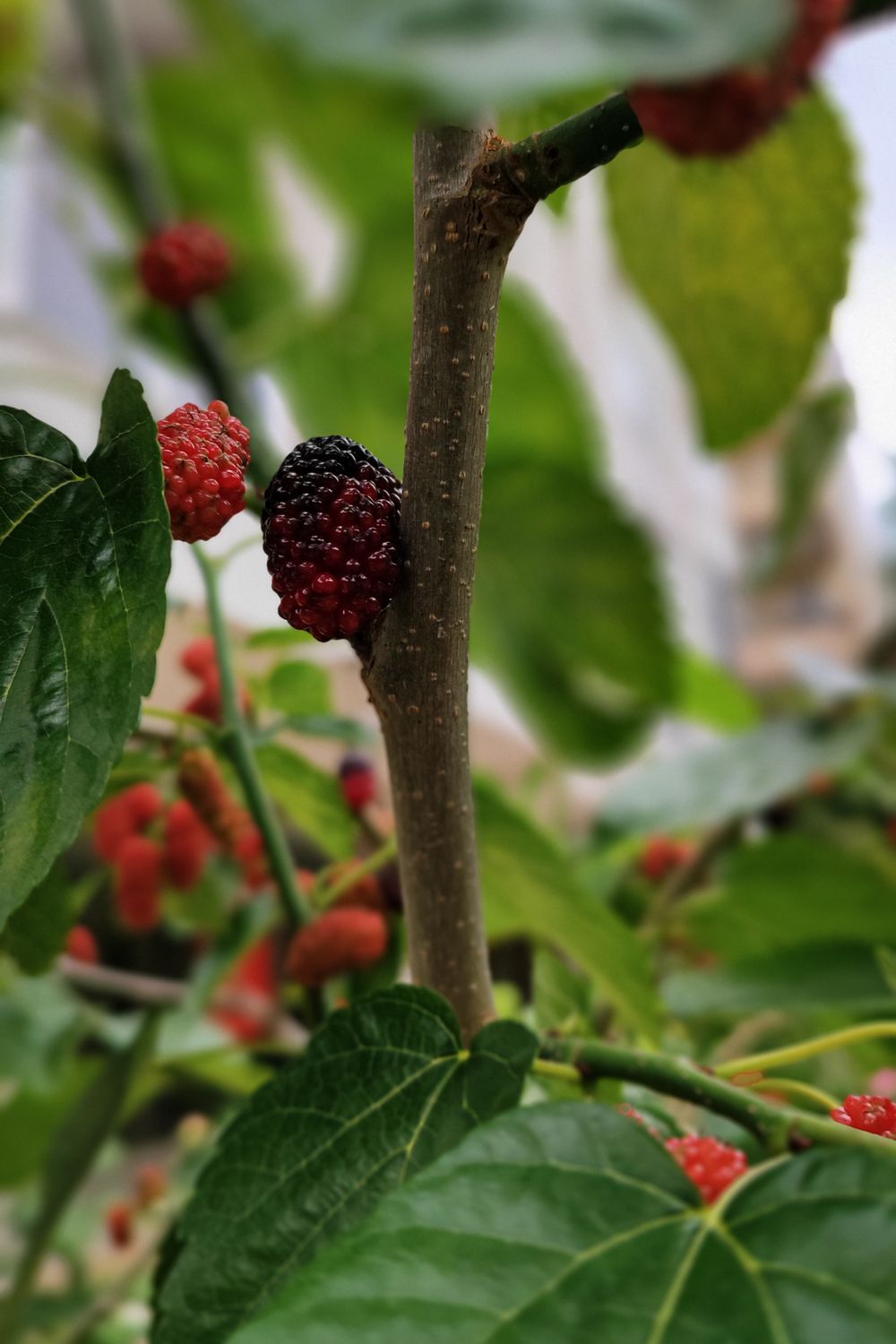
One more word, especially if you're foraging rather than growing your own: be absolutely certain of your identification. A few other plants can look superficially similar to the inexperienced eye, and some hedgerow plants with clustered berries are genuinely poisonous. If you've grown the elder yourself you'll know exactly what it is, which is one more good reason to plant your own. When foraging, learn the elder properly — its flower heads, leaf shape and bark — and if you're ever unsure, leave it.
A plant that keeps on giving
That's really the joy of the elder. It asks almost nothing of you — a sunny-ish corner, a hard prune in winter, the odd bucket of water in its first year — and in return it hands you cordial in June and syrup in September, year after year. Plant one and you'll find the whole household watching for those first creamy flower heads as a sign that summer has properly arrived.
Cook those berries, enjoy those flowers, and forage with confidence.
— Ash
Related Guides
If it's the wild harvest you're after rather than a garden tree, my elderberry foraging guide covers identifying and picking from the hedgerow — including why the berries must always be cooked. For more easy fruiting shrubs in the same spirit, the blackcurrant guide covers Britain's most reliable berry bush, and the unusual berries roundup has the full list of what else deserves a spot.