I'll let you in on the gardener's open secret: you almost never need to buy a second berry bush. A single blueberry plant will set you back eight to fifteen pounds, and a properly stocked fruit garden wants several of each kind, so the bill climbs fast. Yet most berry bushes are so easy to propagate from cuttings that, once you have one healthy plant, you have the makings of as many as you could ever want. For free.
That's been one of the quiet joys of growing soft fruit for me over the years. A patch that started with a couple of bought bushes slowly becomes a row, then a hedge, then plants to give away to anyone who'll take them.
Two Types of Cutting
Almost everything comes down to two methods, and which one you use depends on the plant and the time of year. Hardwood cuttings are the ones I'd point any beginner towards. You take them in late autumn and winter, when the plant is dormant and the wood has gone firm and mature. The beauty of them is that they ask for almost nothing in return: you push them into the ground and wait. They work brilliantly for blackcurrants, redcurrants, whitecurrants, gooseberries, and jostaberries.
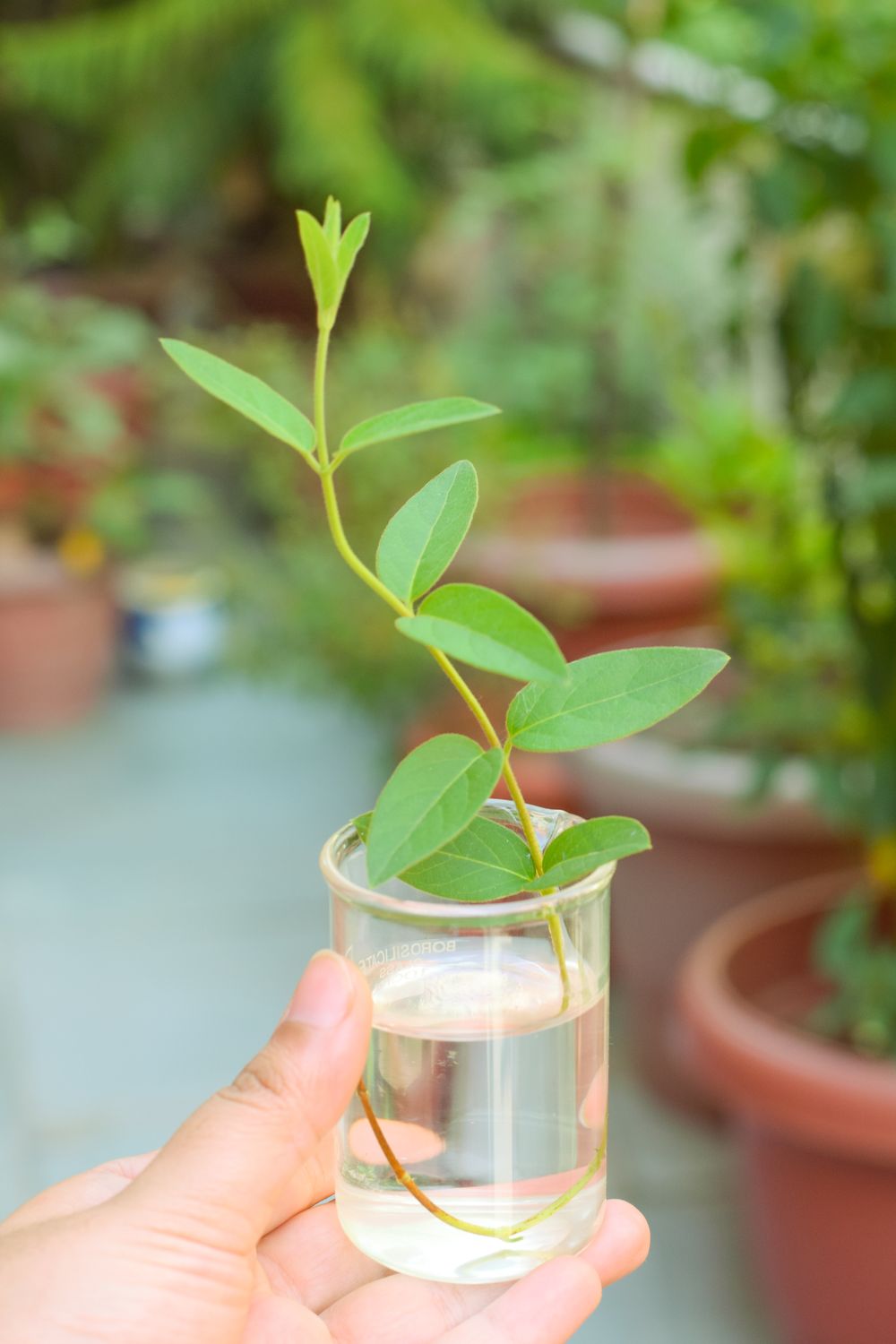
Softwood cuttings are a different proposition. These come off fresh green growth in late spring and early summer. They root faster, which is tempting, but they want fussing over — a covered propagator or a plastic bag to keep the humidity up. This is the method to reach for with blueberries and some of the hybrid berries.
Hardwood Cuttings: Step by Step
The window I aim for is between November and February, after the leaves have dropped. Look for healthy stems of the current season's growth, about pencil thickness — that's the sweet spot.
Here's the sequence I follow:
- Cut straight across the base, just below a bud, and make a sloping cut at the top, just above a bud. The angled top is a little trick to remind you which end is up — easy to muddle once you've a handful of them.
- Trim each cutting to around 20 to 25 centimetres long and strip off any leaves still clinging on.
- Push the cuttings into a prepared trench, spacing them about 15 centimetres apart, with two thirds of each cutting below ground. The trench is just a narrow slit made with a spade in well-drained soil.
- Firm the soil around them and water them in.
One detail that matters: for blackcurrants, leave all the buds intact, because you want the bush throwing up multiple stems from below ground. For redcurrants, whitecurrants, and gooseberries, do the opposite — rub off all the buds except the top three or four. Those fruits crop best on a short leg, so you're after a clean trunk at the base. If your soil is heavy clay, tip a little sharp sand into the bottom of the trench first to help with drainage.
After that, you can more or less forget about them. By the following autumn, most will have rooted and put up new shoots, and they can be lifted and moved to their permanent home the winter after.
Success Rates by Species
Blackcurrants are the easiest soft fruit there is to propagate. Hardwood cuttings root at better than 90 percent with no special treatment whatsoever — it's why they're among the cheapest bushes to buy and why commercial growers churn them out so cheaply. Jostaberries inherit that knack from their blackcurrant parent and root just as readily from winter cuttings, often matching blackcurrants for success.
Redcurrants and whitecurrants are nearly as obliging, rooting reliably from hardwood cuttings at around 70 to 80 percent — just slightly less freely than blackcurrants. Gooseberries sit in the same bracket, taken in late autumn and treated exactly like redcurrants, with the lower buds rubbed off and success rates of 70 to 80 percent. Remember that clear-stem trick with all three.
Blueberries are the awkward ones. They simply don't take from hardwood cuttings, so you switch tactics entirely: semi-ripe cuttings in midsummer from the current season's growth, each about 10 centimetres long. Strip the lower leaves, dip the base in hormone rooting powder, and insert into a mix of peat-free ericaceous compost and perlite. Keep them in a covered propagator or sealed plastic bag in bright but indirect light. Rooting takes two to three months and you're looking at 50 to 60 percent success — though bottom heat from a heated propagator mat lifts that noticeably.
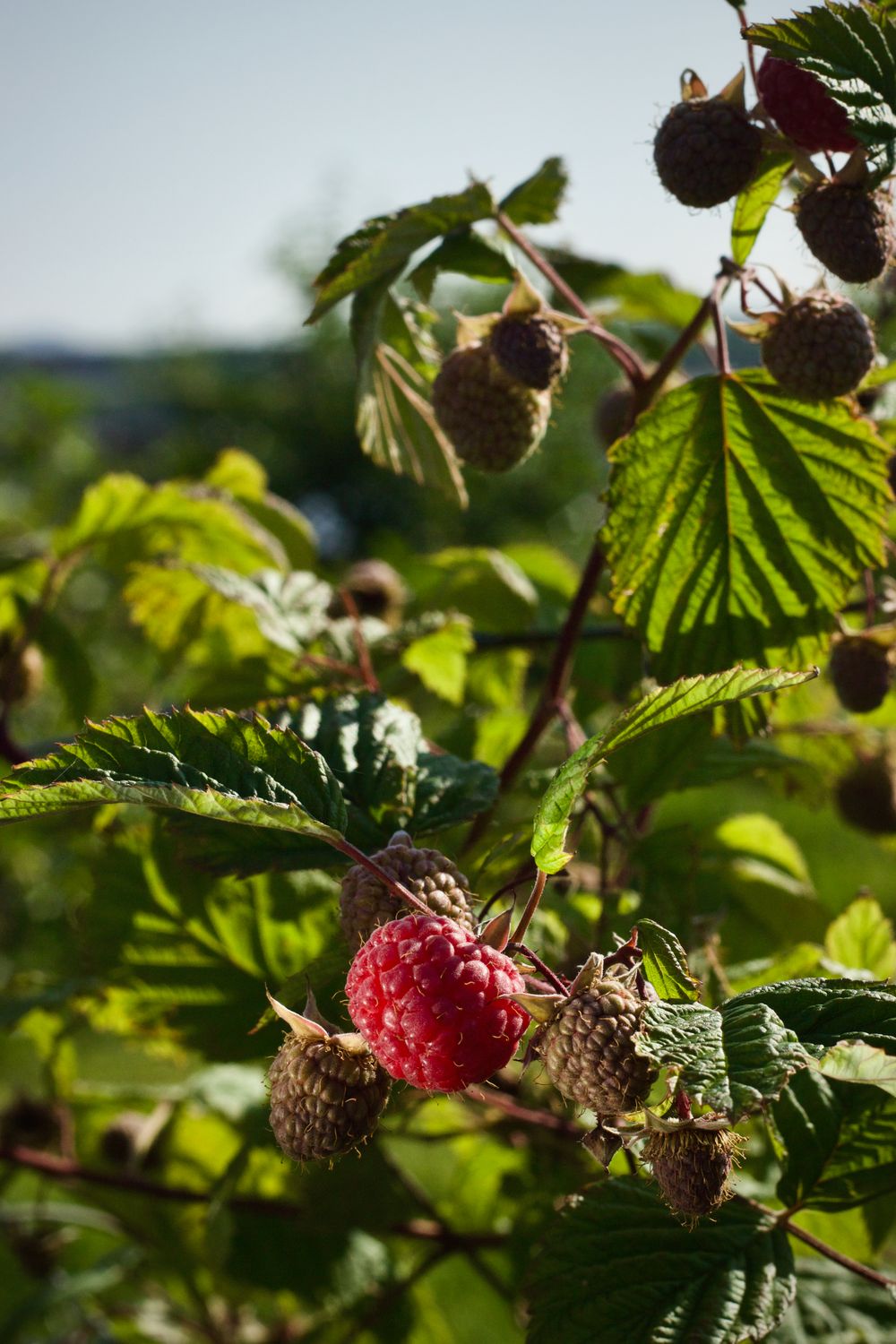
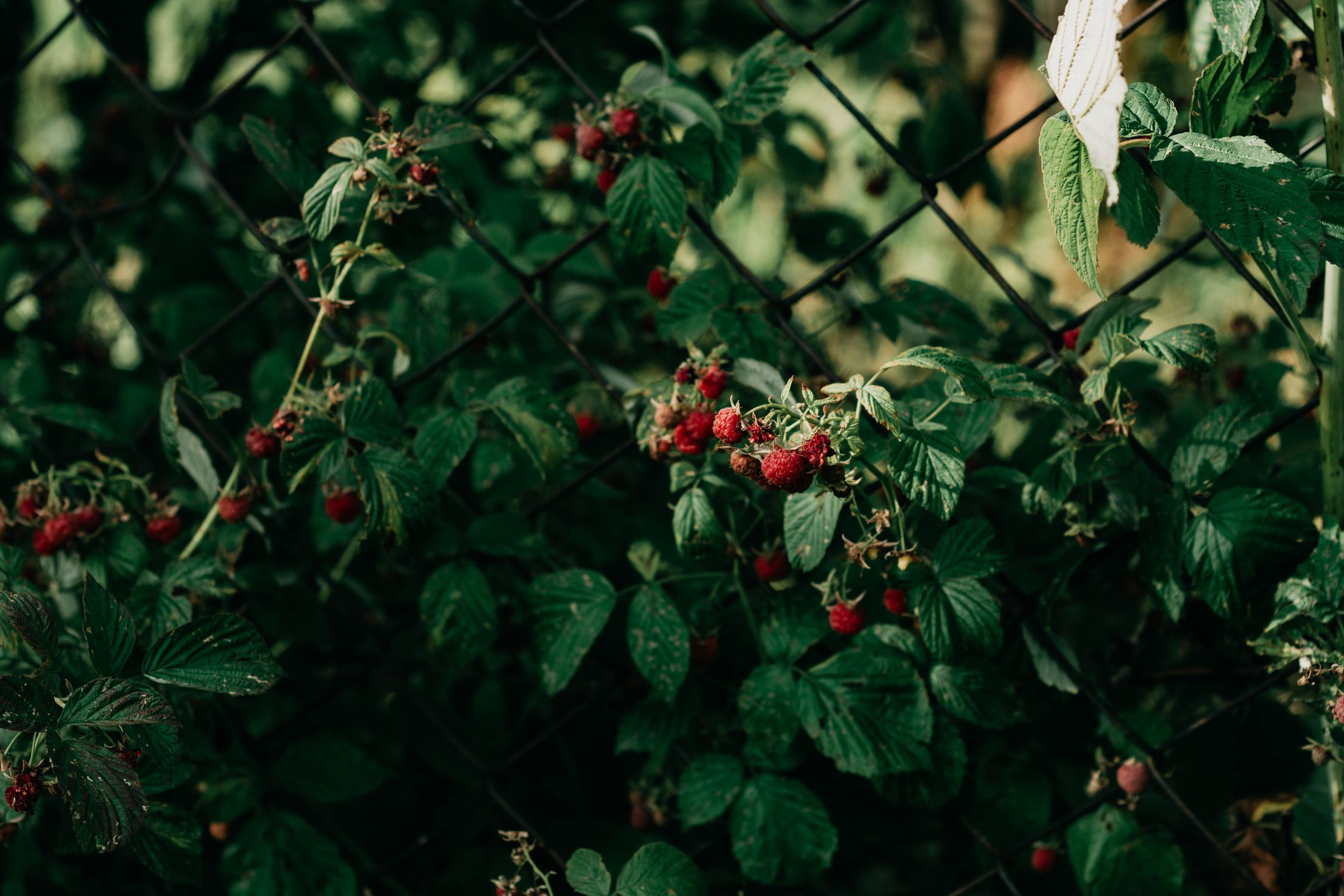
Raspberries, bless them, don't need any of this. They propagate themselves with great enthusiasm, sending up suckers from their wandering roots. To make new plants, just dig up a healthy sucker with its roots in autumn or early spring and replant it wherever you fancy. Works for every variety.
Softwood Cuttings for Hybrid Berries
For tayberries, boysenberries, loganberries, and tummelberries, I'd skip cuttings altogether and use tip layering, which is simpler still. In late summer, bend a long cane down to the ground and bury the tip about 10 centimetres deep, pinning it with a wire hoop or weighting it with a stone. By the following spring the buried tip will have rooted and sent up a new shoot — cut it free from the parent and move it on.
You can take softwood cuttings from these hybrids in early summer if you prefer, but honestly, tip layering is more reliable and needs nothing special.
Strawberry Propagation
Strawberries aren't bushes, but I can't leave them out because they're the easiest fruit of all to multiply. Most varieties throw out runners freely through summer, each one developing a little plantlet that roots the moment it touches soil. The trick is to pin the plantlet into a small pot of compost while it's still attached to its parent. After about four to six weeks it'll have rooted, and you snip the runner — one new plant, ready to go.
Alpine strawberries are the exception, as they don't make runners. With those you divide established clumps in spring or autumn, making sure each division has a healthy crown and good roots.
Rooting Hormone
You don't need rooting hormone for the easy customers like blackcurrants and gooseberries, but it earns its keep with trickier subjects like blueberries. Look for a product containing indolebutyric acid (IBA) at a concentration suited to semi-ripe cuttings, and dip the base of the cutting in it right before it goes into the compost.
Willow water is the popular organic alternative. Soak chopped willow stems in water for 24 to 48 hours and the resulting liquid holds natural rooting hormones, which you use to water cuttings after insertion. Results are variable, in my experience, but plenty of gardeners swear by it and it costs nothing to try.
Aftercare
Hardwood cuttings barely need watching. Keep the ground around them weed-free and give them water through dry spells in that first spring and summer. Don't feed them in the first year, though — it only pushes leaf growth at the expense of the roots, which is the opposite of what you want.
Softwood cuttings are more demanding. Keep the propagator or bag shut to hold the humidity, opening it briefly every few days to let air move through and stop mould taking hold. Mist them if they start to flag. Once new growth shows, harden them off gradually by leaving the propagator open for longer stretches before potting them on individually.
Whatever the method, most cuttings do best with a full growing season in their nursery spot or pot before being moved to their final home. That patience gives them the strong root system that turns into vigorous growth later on — and a bit of patience is the cheapest tool in the shed.
Frequently asked questions
When should I take cuttings from berry bushes?
It depends on the plant. Hardwood cuttings from blackcurrants, redcurrants, whitecurrants, gooseberries, and jostaberries are taken between November and February, when the plant is fully dormant. Softwood or semi-ripe cuttings from blueberries come in midsummer, from the current season's growth. For hybrid cane berries like boysenberries and tayberries, tip layering in late summer is simpler and more reliable than cuttings of any kind.
Do blackcurrant cuttings need rooting hormone?
No. Blackcurrants root so readily from hardwood cuttings that hormone is entirely unnecessary — you can expect better than 90 percent success with nothing but a garden spade and a bit of well-drained soil. Save the rooting hormone for trickier subjects like blueberries, where it genuinely makes a difference.
How long do berry cuttings take to root?
Hardwood cuttings go in during autumn or winter and are usually well-rooted by the following autumn — roughly nine to twelve months from cutting to a plant ready to move. Softwood cuttings work faster: blueberry semi-ripe cuttings taken in midsummer typically root in two to three months. Tip-layered hybrid berries root over a single winter and are ready to sever from the parent the following spring.
Can you propagate blueberries from cuttings?
Yes, but not from hardwood cuttings — blueberries simply don't take that way. You need semi-ripe cuttings taken in midsummer from the current season's growth, about 10cm long. Strip the lower leaves, dip the base in rooting hormone (IBA), and insert into ericaceous compost mixed with perlite. Keep in a covered propagator in bright but indirect light and expect rooting in two to three months. A heated propagator mat lifts the success rate noticeably.