Part blackberry, part raspberry, part loganberry — the boysenberry is a deeply flavoured hybrid that was once one of the most popular berries in the world, and then very nearly disappeared. It fell out of commercial production in the 1960s, yet it remains one of the finest berries you can grow at home. If you've ever had boysenberry jam or pie, you'll already know why I think it deserves a proper revival. If you haven't, let me try to talk you into it.
What is a boysenberry?
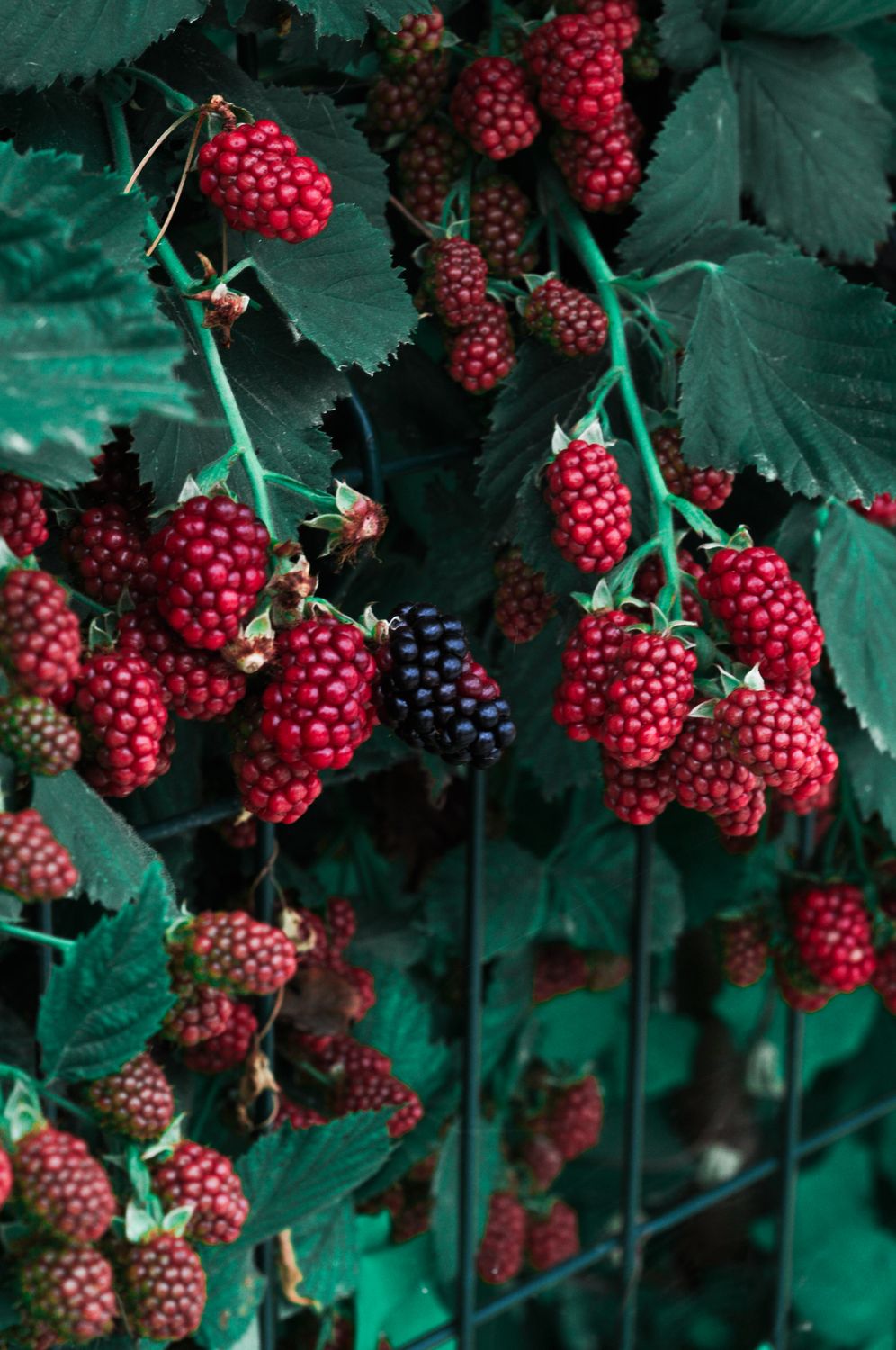
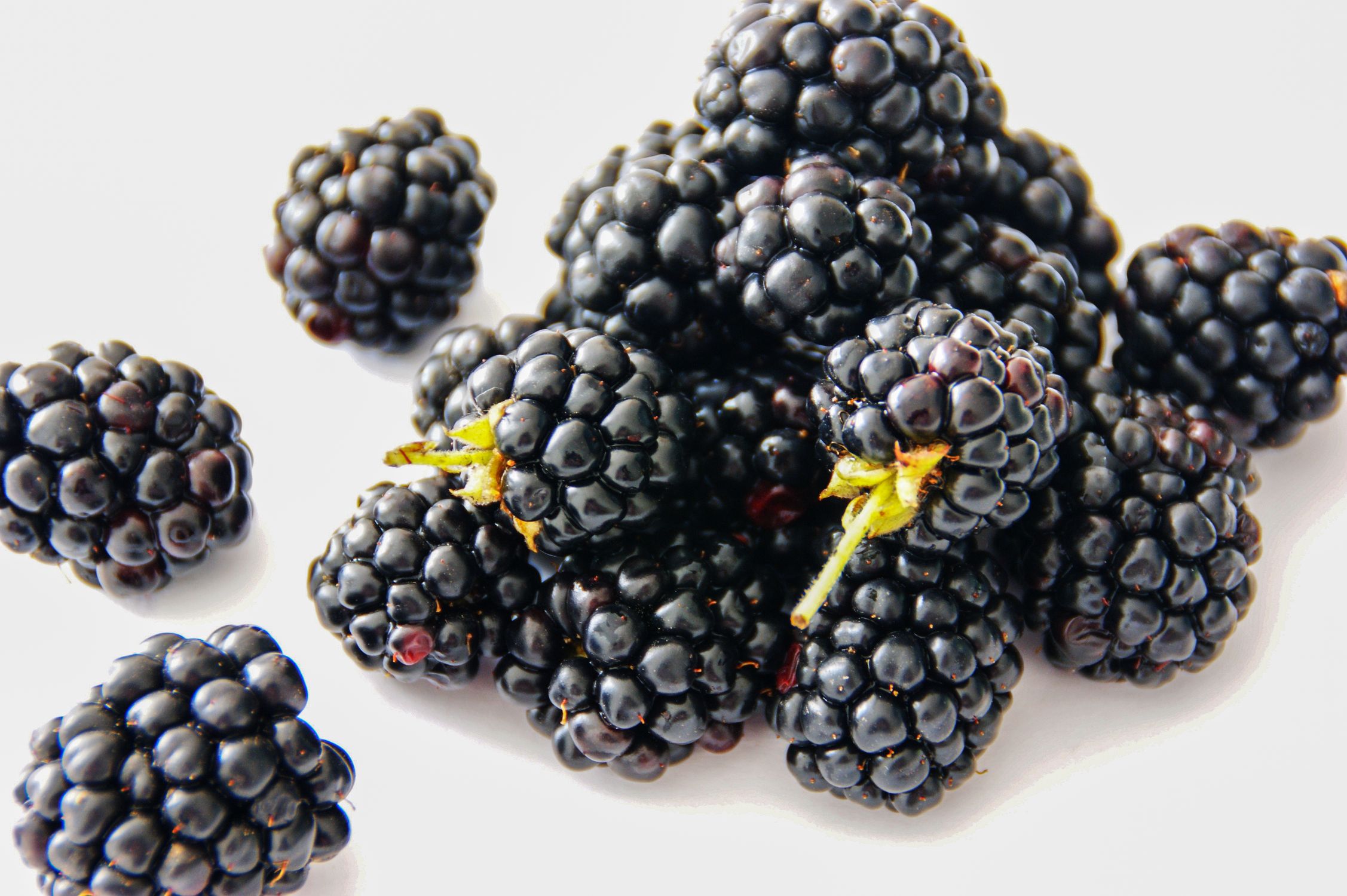
It's a properly tangled hybrid — a cross between the European raspberry, the common blackberry and the loganberry. What comes out the other end is a large, soft, maroon-purple berry that has the juiciness of a blackberry, the aromatic lift of a raspberry, and a wine-like depth that's all its own. Each one is roughly the size of a large blackberry but longer, with a dark colour that stains absolutely everything it touches (you have been warned about the worktop). The flavour is rich, sweet and tangy with floral overtones that don't belong to any single parent.
History of the boysenberry
This berry has one of the better origin stories in the fruit world. In the late 1920s a Californian farmer and parks superintendent named Rudolph Boysen created the hybrid on his farm in Anaheim. Trouble was, he never managed to commercialise it, and by the early 1930s his experimental vines were abandoned and all but dead.
Then in stepped Walter Knott, a berry farmer from nearby Buena Park. He heard about these unusual berries, tracked down the dying vines and nursed them back to life. He started selling the fruit at his roadside stand, and his wife Cordelia turned them into pies and preserves so good they grew into Knott's Berry Farm — now one of California's major theme parks. Not a bad return on a few half-dead canes.
By the 1950s boysenberries were hugely popular across America and New Zealand. What did them in commercially was their own softness — too delicate for mechanical harvesting and long-distance shipping. But that's precisely why they suit the home garden, where gentle hand-picking is no hardship at all.
Why grow them in the UK?
The flavour alone is reason enough. That complex, wine-like taste is richer and far more interesting than an ordinary blackberry, and plenty of growers, myself included, rate it the finest-flavoured cane berry going. They crop heavily too — a single mature plant can give you 3 to 5 kilograms of fruit in a season. They're fully hardy right across the UK, shrugging off temperatures down to minus 20 degrees Celsius while dormant, and they're no trickier to manage than a blackberry or loganberry. And here's the clincher: you'll almost never find fresh boysenberries for sale in Britain, so growing your own is genuinely the only reliable way to get them.
Choosing a variety
There are far fewer named boysenberries than blackberries, so the real decision is simply thorny versus thornless. The thorny type is the original, with vigorous, prickly canes; many growers reckon it carries slightly better-flavoured fruit, and it's certainly the heavier cropper. The thornless type is a sport of the original that makes pruning and picking a far more civilised affair — the fruit is the same size and very nearly the same flavour, though yields can be a shade lower. My advice for most gardens is thornless, but if you've the space and you don't mind the scratches, the thorny one will reward you. Both are available from specialist fruit nurseries here; look for certified virus-free stock.
Planting and training
Put in bare-root canes between November and March, or container-grown plants at any time of year. Choose a sunny, sheltered spot with well-drained soil that you've enriched with plenty of organic matter. Like other hybrid berries, boysenberries need something to climb on — a simple post-and-wire system does the job nicely. Set posts 2 metres tall, run horizontal wires at 60-centimetre intervals, and space your canes 2.5 to 3 metres apart along the run.
The trick I'd urge you to adopt is the fan method: train this season's new growth out to one side while last year's fruiting canes occupy the other. Come harvest time you'll know in an instant which canes have done their job and can be cut away, with no untangling required.
Container growing
Boysenberries can be grown in pots, though they produce a little less than they would in the ground. The container needs to be large — a minimum of 45 litres and at least 50cm deep to give the roots enough room to establish. Terracotta looks good but dries out fast; a large plastic or fibreglass pot with good drainage holes is more forgiving through summer.
Fill with John Innes No. 3 mixed with a third peat-free multipurpose. Train a single cane up a central stake or around a hoop of wire, cut it out after it has fruited, and let one new cane take its place the following season. The technique is almost identical to growing loganberries in containers, and the results are similarly good for the effort. Feed weekly with a high-potassium liquid feed from flowering until harvest and water consistently — a pot in full sun can dry out completely within a day in warm weather.
Care through the season
Through spring, tie in the new canes as they grow and lay a thick mulch of well-rotted compost or bark chips around the base to hold moisture and keep the weeds down. In summer, water regularly in dry spells — especially while the fruit is forming — and give a fortnightly feed of high-potash liquid fertiliser from flowering onwards to swell the berries. Once you've harvested, cut every fruited cane right out at ground level and tie in the new season's canes to take their place. Winter is the easy bit: the plants are dormant and want nothing from you. Whatever you do, don't prune in winter, as the cut ends can let fungal infections in.
Harvesting
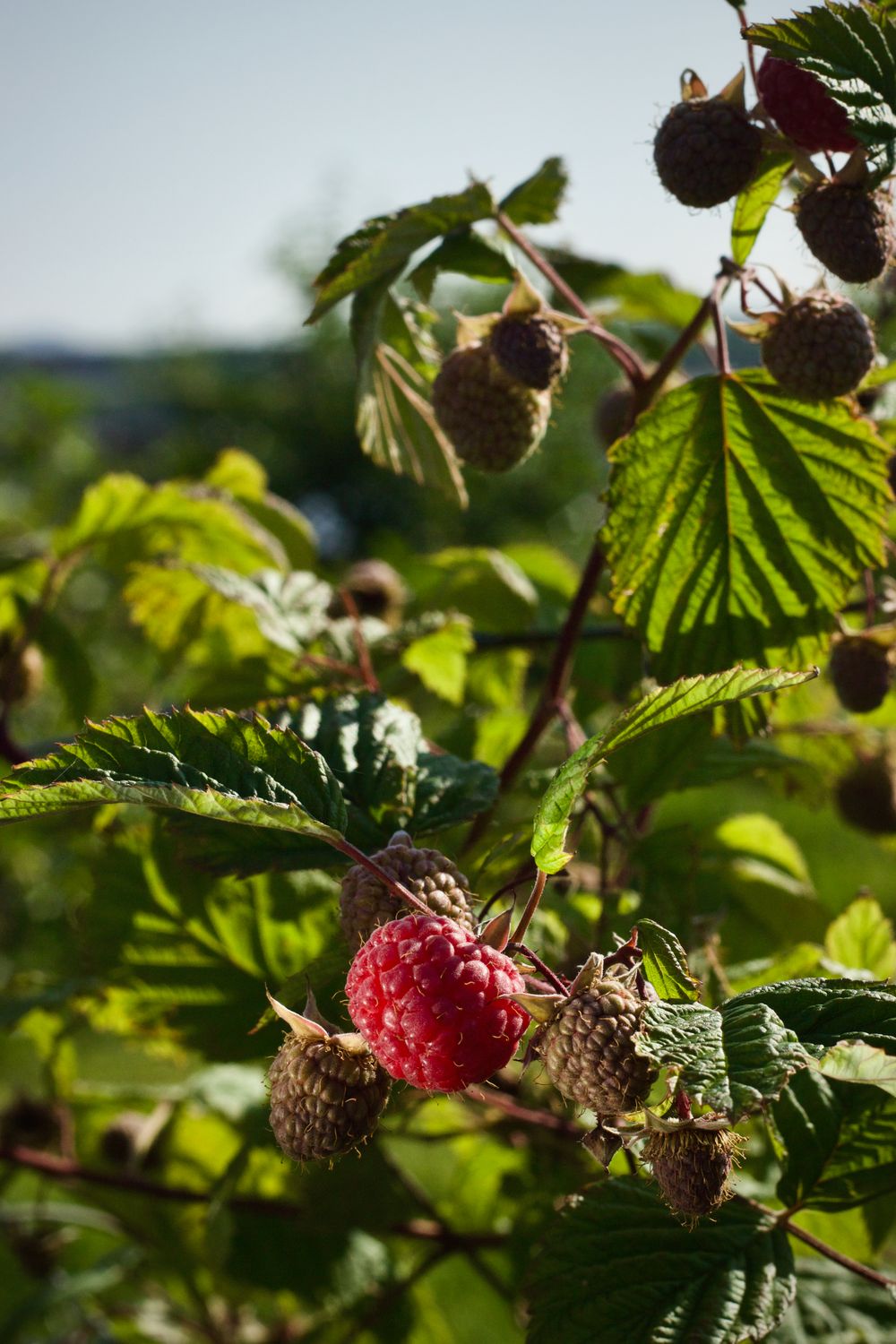
Boysenberries ripen from mid-July through August in most of the UK. You'll know they're ready when they've turned a deep, dark maroon-purple and come away at the gentlest tug — and unlike a blackberry, the plug comes with the fruit. Pick every two or three days at the peak. They're soft and bruise at the slightest provocation, so handle them like the delicate things they are and eat or process them within a day or two. That fragility is exactly what banished them from commercial production, but in your own garden it's barely worth a second thought.
In the kitchen
This is where they really shine, fresh or cooked, because the bold flavour stands up to heat without losing its character. Straight from the bush they're superb — on their own, with cream, or scattered over breakfast granola, more perfumed and complex than any blackberry. In a pie or crumble they're an American classic for good reason, the rich jammy filling needing very little added sugar. The jam has an extraordinary depth; a squeeze of lemon and the natural pectin sets it well. They freeze beautifully too — spread them in a single layer on a tray, freeze them solid, then bag them up and they'll keep their flavour. And for something a little more indulgent, a boysenberry syrup over pancakes or stirred into sparkling water is a treat, while the deep colour and rich taste make a lovely country wine or an infusion in vodka or gin.
Common problems
They're generally a trouble-free crop, but a few things are worth watching. Birds are the big one — net the plants as soon as the fruit starts to colour or you'll hand half your crop to the blackbirds and thrushes. Botrytis, or grey mould, can take hold in a wet summer, so keep the air moving around the canes and whip off any mouldy berries promptly. Raspberry beetle grubs occasionally turn up inside the fruit; pheromone traps hung nearby help keep the numbers down. And don't underestimate the sheer vigour — the canes can romp away to 3 or 4 metres in a season, so stay on top of tying them in or you'll end up with a glorious tangle.
Propagation
Boysenberries propagate readily by tip layering, the standard method for hybrid cane fruits. In late summer, bend a vigorous cane tip down to the soil about 30cm from the end, bury it 10 to 15cm deep, firm it in and peg it to keep the tip in contact with the ground. By the following spring it will have rooted and can be severed from the parent plant and moved to its permanent position. A healthy plant will give you three or four new plants this way each season.
Hardwood cuttings taken in late autumn also work: cut 20 to 25cm sections of the current season’s growth, push them vertically into gritty compost with the top bud just above the surface, and overwinter them in a sheltered spot. They root slowly but reliably. My guide to propagating berry bushes from cuttings covers both methods across different types of cane fruit.
Frequently asked questions
Can you grow boysenberries in the UK?
Yes, and they do well here. Boysenberries are fully hardy right across the UK, tolerating temperatures down to minus 20 degrees Celsius while dormant, and no more demanding to grow than a blackberry or loganberry. Give them a sunny, sheltered spot with well-drained, reasonably fertile soil, a post-and-wire system to climb on, and they'll crop reliably every summer.
What do boysenberries taste like?
Rich, sweet and tangy, with a wine-like depth and floral overtones that don't belong to any single parent plant. They're larger and juicier than a blackberry, with a more complex, aromatic quality than a raspberry, and a less sharp edge than a loganberry. Of all the hybrid cane berries, they're consistently rated among the finest for eating fresh — and particularly good in jam, crumble, and pie, where the bold flavour survives cooking without losing its character.
How long do boysenberry plants take to fruit?
Expect your first real crop in year two. Canes planted in the first year will grow but won't fruit — the plant is putting its energy into establishing roots. Second-year canes fruit in summer, and by year three the plant is properly established and producing a full crop of three to five kilograms a season.
Are boysenberries the same as blackberries?
No. Boysenberries contain blackberry genetics, but they're a distinct hybrid — a cross of European raspberry, common blackberry, and loganberry. The result is larger, softer, and darker than a blackberry, with a richer, more complex flavour and a wine-like depth that a blackberry doesn't have. The plug also comes away with the fruit when you pick, unlike a blackberry, which leaves the plug behind on the cane.
Where can I buy boysenberry plants in the UK?
Not at most garden centres — you'll need a specialist fruit nursery. Chris Bowers and Sons, Blackmoor Nurseries, and R.V. Roger all stock boysenberries in thornless and thorny forms. Look for certified virus-free stock. Bare-root canes are the most economical option and go in between November and March.
How does it compare?
The boysenberry sits in a group of hybrid cane fruits that can seem similar until you taste them side by side. Against a loganberry, it is noticeably sweeter and less sharp — the loganberry has a stronger acid backbone that makes it better for cooking; the boysenberry is delicious eaten straight from the cane. Growing requirements and pruning are almost identical for both.
Against a tayberry, the boysenberry is darker, jammier and richer where the tayberry is brighter and more aromatic. If you are choosing between them, the full comparison of loganberry, tayberry and boysenberry is worth reading first. And if you want to go further, the olallieberry is the boysenberry’s closest relative — slightly larger, similar flavour profile, and equally hard to find in UK nurseries.
A berry worth rediscovering
The boysenberry may have vanished from supermarket shelves, but that says more about supermarkets than about the berry. Too soft to ship, too dark to look pretty under fluorescent lights, too short-lived on the counter — it failed every commercial test going. None of those things matter in the slightest if you're growing it for yourself. What you get instead is the finest-flavoured cane berry most people have never tasted, cropping reliably every summer from a plant that needs no more fuss than a blackberry. If there's a corner of your garden with a fence and some sun, this is a berry worth putting in it.