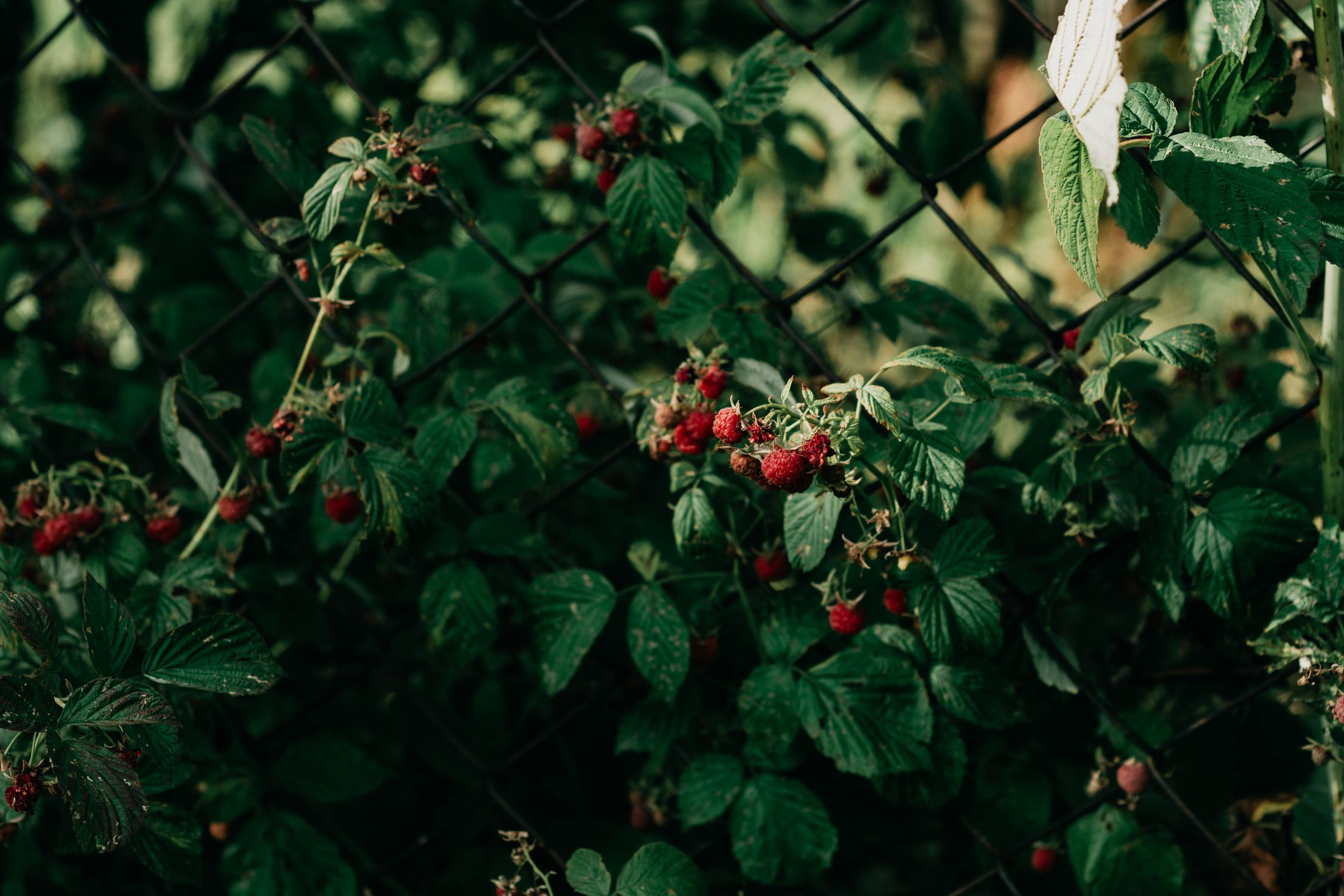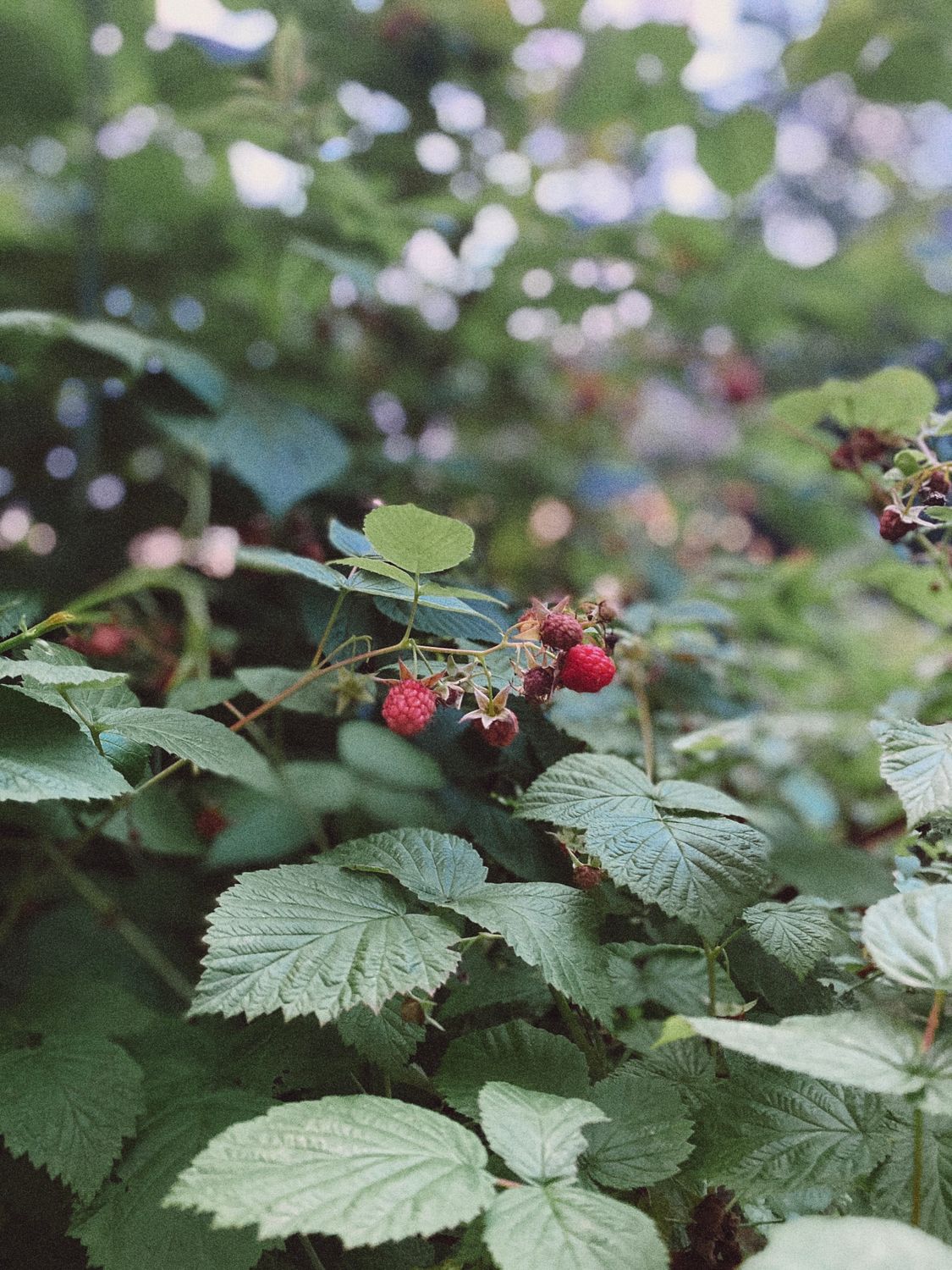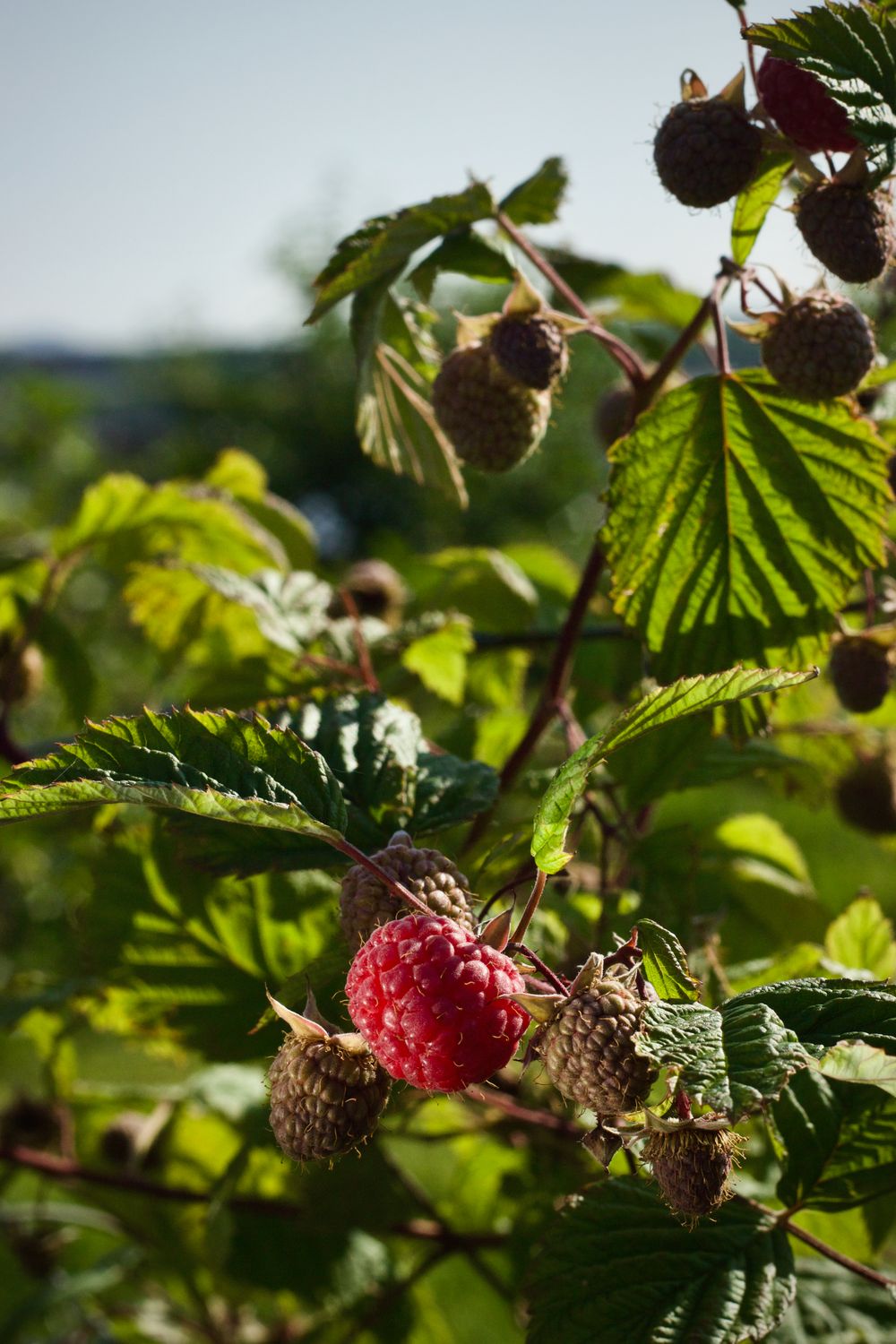
Raspberries are the one cane fruit you genuinely can't struggle to find — every garden centre stocks them in season, and the range online is huge. The real decision isn't where to buy, it's which type: summer-fruiting or autumn-fruiting, because they crop at completely different times and need completely different pruning. Get that choice right before you order, and the rest is easy. My complete raspberry growing guide covers the growing side in full; this one's about the plant itself.
Summer or Autumn: Decide This First
This matters more than the variety name on the label. Summer-fruiting canes crop in one concentrated flush from late June to August, need a proper post-and-wire support system, and are the traditional raspberry most people picture. Autumn-fruiting canes crop from August into October, are shorter and more self-supporting, and are pruned by simply cutting everything to the ground each February — genuinely the easier of the two to look after. Plenty of gardeners, myself included, grow both for the longest possible picking season, from midsummer to the first frosts.
Popular Varieties to Ask For
- Summer-fruiting: Glen Ample (the standard, reliable, spine-free canes), Glen Moy (early, compact, good for smaller gardens), Tulameen (large, excellent flavour, a favourite among growers who prioritise taste over yield).
- Autumn-fruiting: Autumn Bliss (the old reliable, widely stocked), Polka (heavier cropping, my pick if you're only growing one autumn variety), Joan J (early autumn, spine-free, good disease resistance).
Any of these will do well in an ordinary UK garden. If you want colour beyond the standard red, my guide to coloured raspberries covers gold, black and white varieties, most of which are available from the same nurseries listed below.
Buying Raspberry Canes
Garden centres are a genuinely reliable source for raspberries, unlike most of the hybrid and hedgerow fruit I cover — you'll find at least one summer and one autumn variety in stock through the bare-root season, usually Autumn Bliss and a Glen variety. For a wider choice, particularly Tulameen or the coloured varieties, specialist fruit nurseries are worth the extra step: Chris Bowers & Sons, Pomona Fruits, Ashridge Nurseries and Blackmoor Nurseries all carry a broad raspberry range, and the bigger mail-order houses (Thompson & Morgan, Suttons, YouGarden) stock the popular names reliably too.
Raspberries are typically sold as bundles of canes rather than single plants — five or ten to a bundle is standard — which makes sense given how quickly a row establishes and how much a handful of canes eventually spreads.
Bare-Root or Potted?
Bare-root canes (November to March) are the cheaper and, in my experience, better-establishing option — the same logic as loganberries and tayberries. Potted canes cost more but can go in through spring and summer if you don't want to wait for the dormant season. Expect to pay roughly £15–£25 for a bundle of five bare-root canes, or a few pounds more per cane potted.
Checklist Before You Buy
- Confirm summer or autumn on the label — this is the single most important thing to get right, since it decides your pruning routine for the plant's whole life.
- Certified virus-free stock, standard from reputable nurseries and worth insisting on, since raspberry viruses are incurable and reduce vigour for good.
- Firm, plump canes with no shrivelling, and healthy white roots rather than dry, brittle ones on bare-root bundles.
- A named variety rather than an unlabelled bundle — you want to know exactly what you're planting and when to expect it to fruit.
Frequently Asked Questions
How much do raspberry canes cost in the UK?
Around £15–£25 for a bundle of five bare-root canes from a specialist nursery or garden centre, a little more for potted canes. It's one of the most affordable ways to start a fruit garden, especially given how long a well-kept row keeps cropping.
Should I buy summer or autumn raspberries?
Both, if you have the room — they crop at different times, so growing one of each stretches your picking season from late June right through to the first frosts. If you can only choose one, autumn-fruiting varieties are easier for a beginner: no support structure needed and pruning is a single cut-everything-down job each February.
How many raspberry canes should I buy to start?
A bundle of five to ten canes is the usual starting point and gives a genuinely useful harvest within a couple of seasons, since raspberries spread and fill in a row on their own. You can always propagate more from suckers later rather than buying extra.
When should I plant raspberry canes?
Bare-root canes go in between November and March while dormant; potted canes can be planted any time the ground isn't frozen or waterlogged. Autumn-fruiting types can give a light crop in their first year; summer-fruiting types won't fruit properly until their second year.
Once your canes are in, my raspberry pruning guide covers exactly how to cut back each type, and the complete growing guide has the rest — soil, support, feeding and harvest.