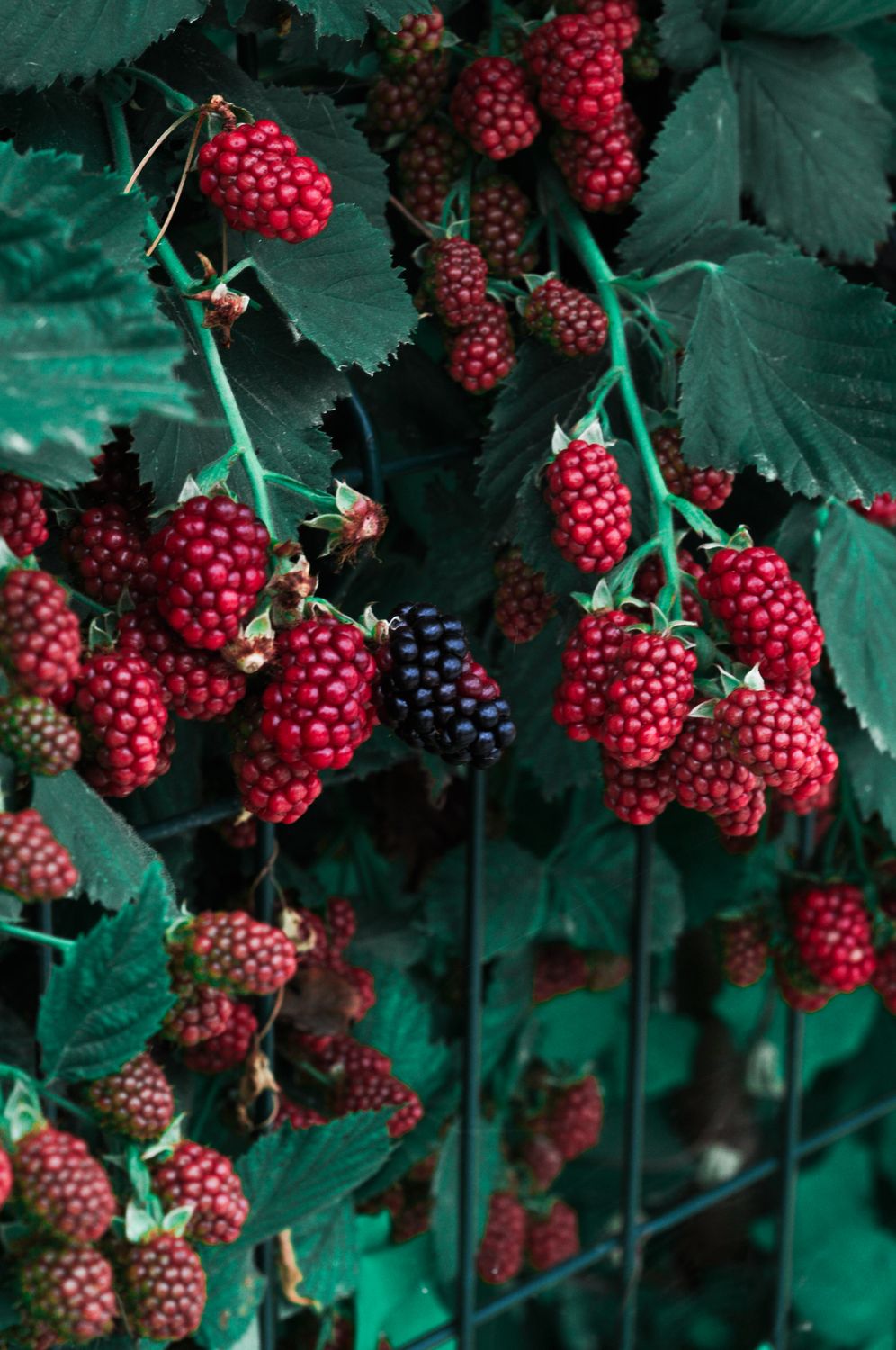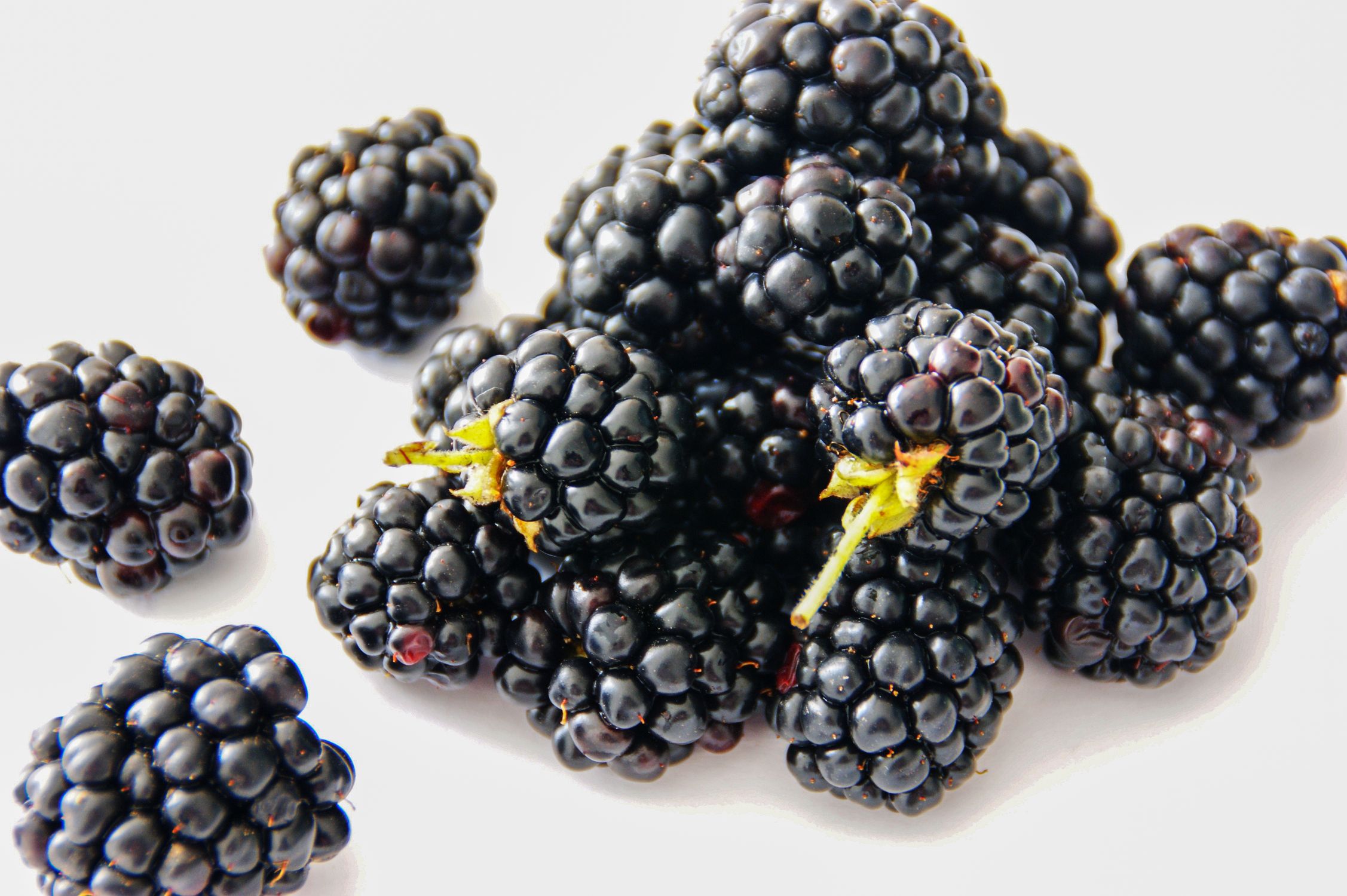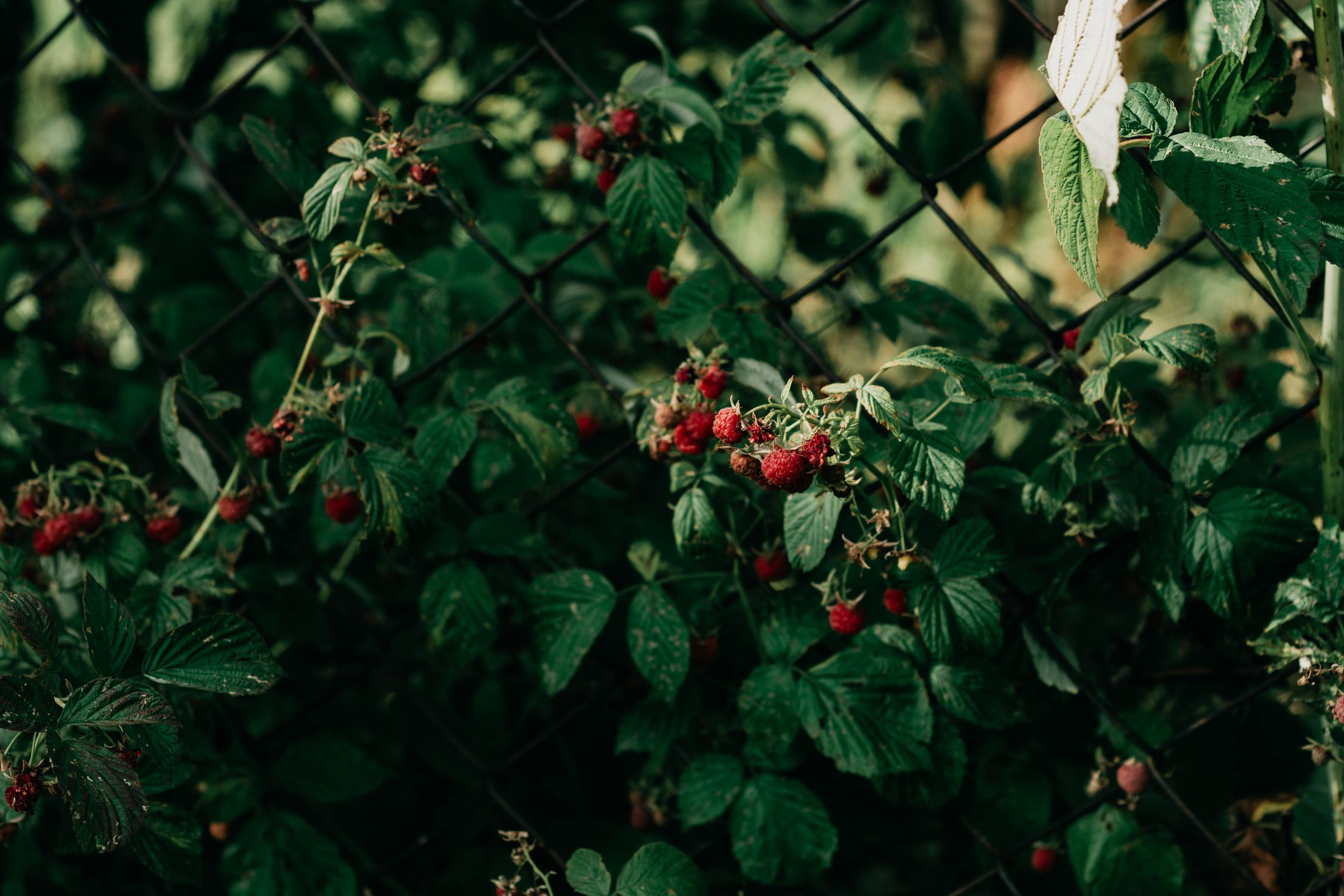
The tayberry is half raspberry by parentage, so the comparison is a family affair — but anyone deciding which deserves the sunny fence needs real answers, not just "they're related". I grow both, and they're genuinely different propositions: different flavour, different size, different picking, and one important difference in how forgiving they are. Here's the honest side-by-side.
Tayberry vs Raspberry at a Glance
| Tayberry | Summer raspberry | |
|---|---|---|
| What it is | Blackberry × raspberry hybrid (Scotland, 1979) | The classic Rubus idaeus |
| Fruit size | Large — up to 4–5cm long | 2–3cm |
| Flavour | Rich, aromatic, sweet-sharp — deeper and winier than either parent | Bright, sweet, familiar |
| Picks with core? | Yes — the plug stays in the fruit | No — hollow when picked |
| Season | Early July to mid-August (~4 weeks) | Late June to early August by variety; autumn types to October |
| Yield (mature plant) | 3–5kg from one plant | 1–1.5kg per metre of row |
| Eating fresh | Excellent fully ripe; sharp before that | Excellent, more forgiving |
| Cooking | Outstanding — holds flavour and colour | Good, but fades in long cooking |
| Availability in shops | Effectively never sold fresh | Everywhere |
Flavour: The Real Difference
A good raspberry is a wonderful thing, but its flavour is a known quantity — bright, clean, sweet. A fully ripe tayberry is doing something more complicated: raspberry sweetness layered over blackberry depth with an aromatic, almost winey quality that neither parent has alone. In a straight tasting, most people pick the tayberry, and plenty of growers (me included) rate it the best-flavoured cane fruit you can grow in Britain.
The catch is the word fully. An underripe tayberry is noticeably sharp, and the fruit only reaches its full deep purple-red sweetness right at the end of ripening — where a raspberry is pleasant across a wider ripeness window. Raspberries forgive an impatient picker; tayberries don't.
Growing: Almost Identical, With One Catch
Both fruit on last year's canes, both want sun and decent soil, both get the same prune — cut fruited canes to the ground after harvest, tie in the new ones. The practical differences: a tayberry is one sprawling plant needing two to three metres of fence or wires (raspberries stand more upright in a row and suit open beds), and the standard tayberry is thornier than any raspberry — though the thornless Buckingham variety removes that problem entirely (my tayberry buying guide covers it). Raspberries, meanwhile, offer something no hybrid can: autumn-fruiting varieties that crop from August to October on this year's canes.
Picking and Kitchen Behaviour
The core matters more than you'd think. A raspberry pulls off hollow and collapses within a day or two; a tayberry keeps its plug, holding shape better in the bowl, the freezer and the pan. Combined with its size — one tayberry is two or three raspberries' worth of fruit — a tayberry crumble or jam session takes noticeably less picking. In cooking the tayberry is simply the better berry: the sharpness and colour survive sugar and heat where raspberry flavour softens and fades. Raspberry jam is nice; tayberry jam is an event.
Which Should You Grow?
If you have room for only one: grow the raspberry if fresh eating across a long season is the goal — especially if you plant both summer and autumn types for three months of fruit. Grow the tayberry if flavour is the priority, if you cook and preserve, or if you want the thing money can't buy — fresh tayberries essentially don't exist in shops, while decent raspberries cost £2 a punnet all summer.
If you have a fence and a bed, grow both — their seasons overlap but the fruit does different jobs. And if the tayberry has caught your interest, see how it stacks against its other relatives in loganberry vs tayberry vs boysenberry, or trace where the whole family came from in the hybrid berry family tree.
Frequently Asked Questions
Is a tayberry sweeter than a raspberry?
At full ripeness, a tayberry is comparably sweet but with more acidity and far more aromatic depth — it tastes "bigger" rather than sweeter. Underripe tayberries are markedly sharper than underripe raspberries, which is where the berry's tart reputation comes from: most people who found tayberries sour picked them too early.
Can you substitute tayberries for raspberries in recipes?
Yes, and usually to the recipe's benefit — jams, crumbles, summer puddings and sauces all gain depth from the swap. Reduce added sugar slightly only if your tayberries were picked very ripe. The one direction that doesn't quite work is delicate fresh desserts where the raspberry's lightness is the point.
Do tayberries and raspberries cross-pollinate?
They don't need to — both are self-fertile, so each crops fully on its own. Growing them side by side causes no problems and no strange hybrid fruit; the tayberry's parentage was fixed by its breeders and doesn't change with its neighbours.
Are tayberries harder to grow than raspberries?
No — if anything the single sprawling plant is simpler to manage than a raspberry row once its support wires are up, and tayberries suffer fewer virus problems than old raspberry stock. The only real added demand is patience at picking time: wait for the full deep-red colour or you'll be eating them sharp.