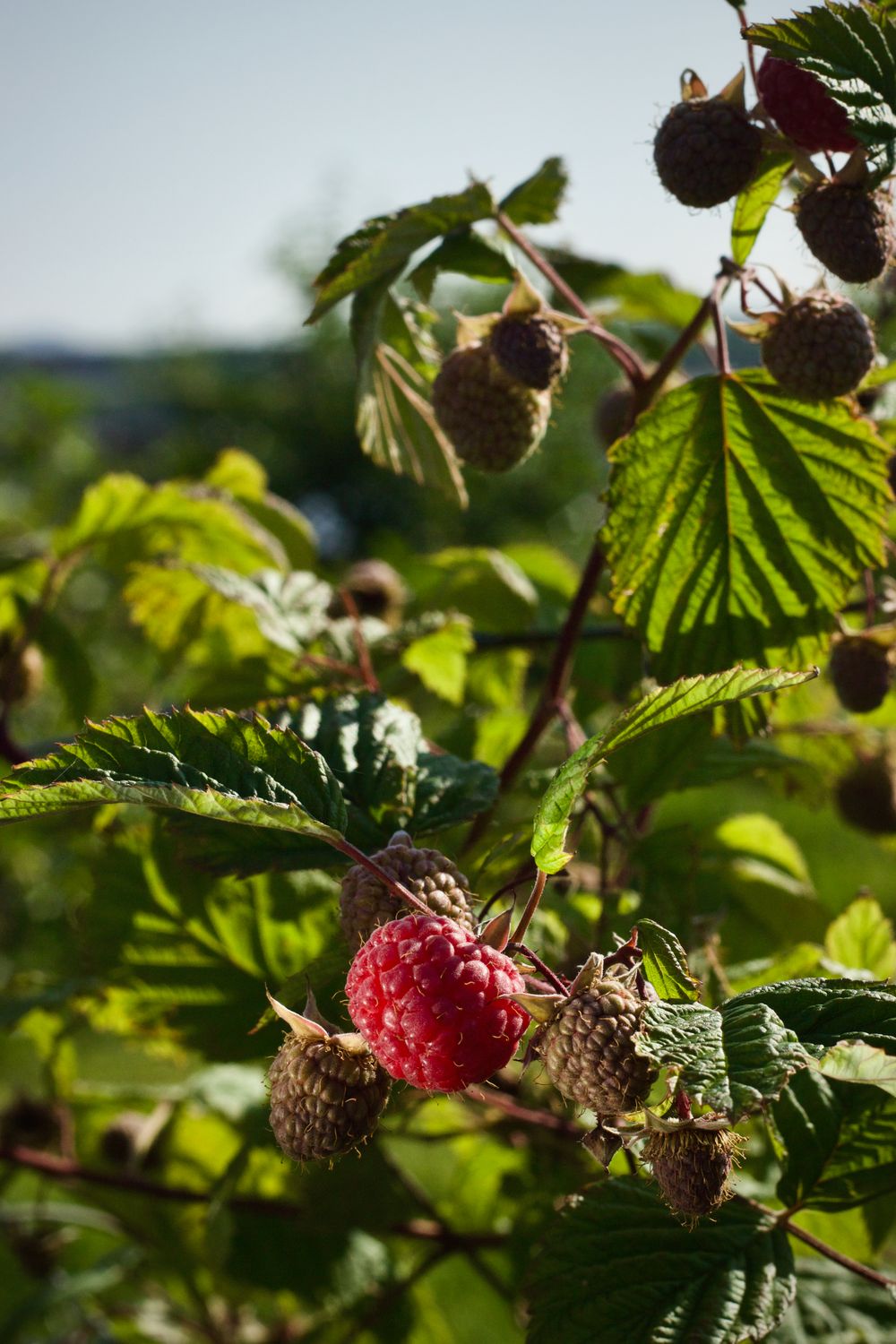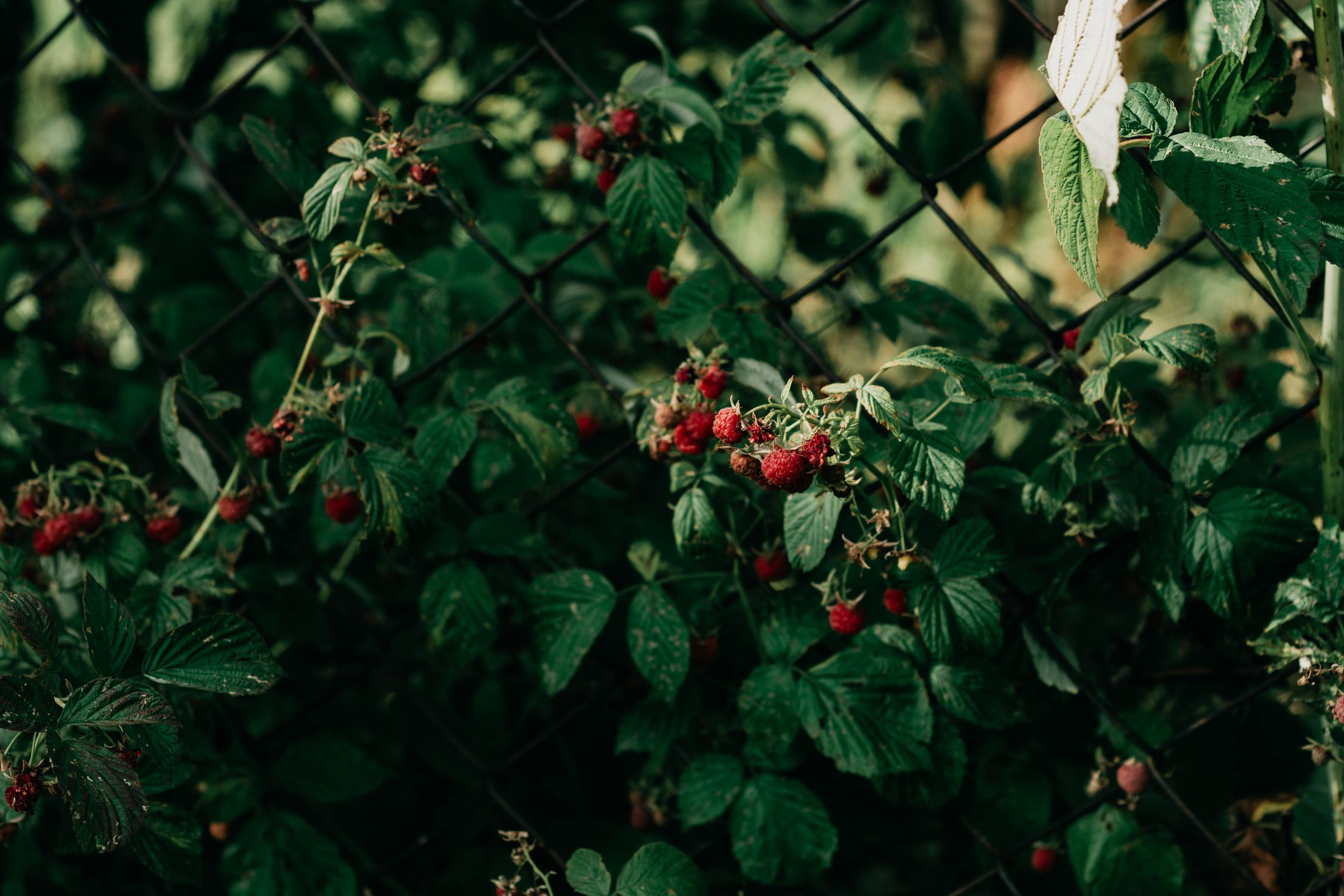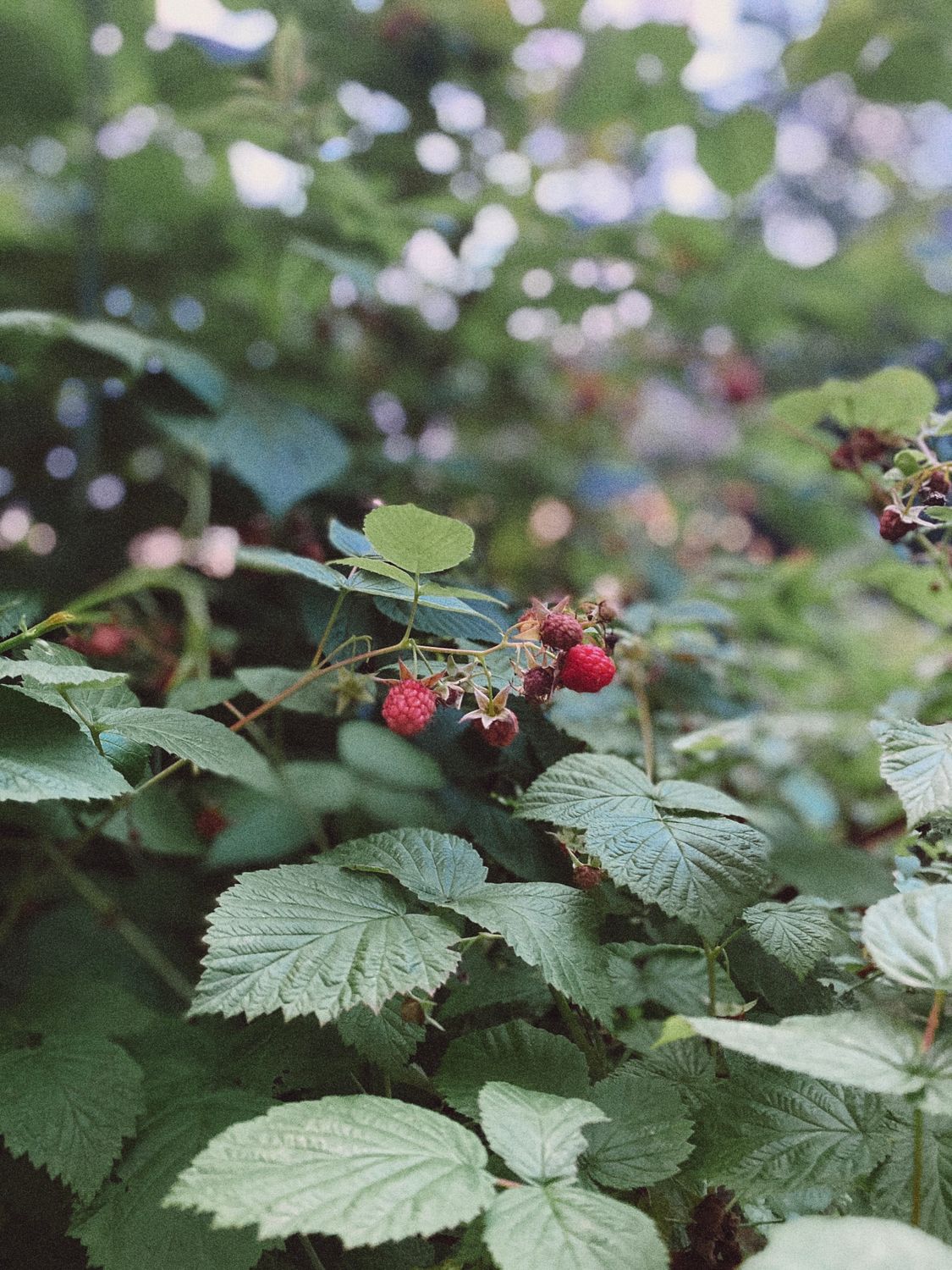
Summer-fruiting and autumn-fruiting raspberries need completely different pruning, so the first step is knowing which type you have. Cut out the spent canes on summer varieties straight after harvest; cut everything to the ground on autumn varieties in late winter. Get the two mixed up and you can lose an entire season’s crop in one afternoon.
What's the difference between summer and autumn raspberries?
It all comes down to which canes carry the fruit. A raspberry plant throws up new green canes from the ground each spring. The crucial question is: does it fruit on those canes this year, or wait until next?
Summer-fruiting raspberries fruit on canes that grew the previous year. So the cane comes up green one summer, sits dormant over winter, and then fruits the following summer — usually around midsummer — before dying off. They give you one concentrated, generous flush, and they're the traditional raspberry most of us picture.
Autumn-fruiting raspberries (sometimes called primocane or everbearing types) fruit on the current season's canes. The cane grows up from the ground in spring and fruits at the top of that same cane from late summer into autumn, often carrying on until the first frosts. This single fact is the key to everything that follows — because it dictates entirely how and when you prune.
How do I tell which type I have?
The easiest tell is timing. If your raspberries crop around June and July, they're summer-fruiting. If they crop from late August through to October, they're autumn-fruiting. If you've inherited an overgrown patch and genuinely can't tell, watch it for a season and note when the berries appear — it's worth the wait, because pruning blind is how the wrong canes get cut. As a rough guide, summer types tend to grow taller and need proper support; autumn types are generally shorter and more self-supporting.
How do I prune summer-fruiting raspberries?
Here's the rule, and it's the bit people get wrong: after they've finished fruiting, you cut out only the canes that just fruited, and you keep this year's new green canes for next year. The canes that bore fruit will look older, browner and woodier; the new ones are fresh, green and pliable. Those new green canes are next summer's entire crop, so they are precious. Whatever you do, don't cut them.
So, once fruiting finishes in summer:
- Cut the old fruited canes right down to ground level. They've done their job and will never fruit again.
- Keep the strongest new green canes — they'll fruit next year.
- Thin those new canes if they're crowded, leaving roughly the strongest six to eight per plant, and pull out any straying too far from the row.
- Tie the keepers in to your wires or framework so winter winds don't whip them about.
And that brings me to my one ongoing grumble with summer raspberries: the tying in. Those canes get tall, they flop, they catch the wind, and they need a proper support system of posts and horizontal wires to keep them upright. I seem to be forever out there with a ball of twine, securing the new growth, then snipping out the spent canes, then tying in again. It's not hard work, but it's persistent work. The reward, of course, is that glorious midsummer glut — so I forgive them.
How do I prune autumn-fruiting raspberries?
And now the easy one — the variety I quietly love for this very reason. Because autumn raspberries fruit on the current season's canes, you don't need to preserve anything over winter. In late winter, before the new growth starts, you simply cut every single cane down to ground level. All of them. The whole lot.
That's it. One chop and you're done. No squinting at canes trying to work out which is old and which is new, no agonising decisions, no tying in floppy growth through the summer. The plant sends up a fresh batch of canes in spring and fruits on them that same autumn. After a fiddly afternoon with the summer row, getting to the autumn row and just shearing the whole thing to the ground is honestly one of the most satisfying jobs in the fruit garden.
The timing matters: do it in late winter, around February, rather than autumn. Leaving the old canes standing over winter gives a little frost protection to the crowns and, if you've a mild spot, the canes sometimes carry a few late berries. Cut too early and you gain nothing; cut in late winter and you've timed it perfectly.
When exactly should I prune each type?
To keep it crystal clear:
| Type | Fruits on | When to prune | What to cut |
|---|---|---|---|
| Summer-fruiting | Last year's canes | After fruiting (summer) | Only the old fruited canes; keep new green ones |
| Autumn-fruiting | This year's canes | Late winter (Feb) | All canes, to ground level |
What are the most common mistakes?
By far the biggest is cutting the wrong canes on summer raspberries — taking out the fresh green canes instead of the spent ones, which sacrifices the whole of next year's crop. If you remember nothing else, remember that on summer types the green canes stay and the brown fruited ones go.
The second classic error is treating autumn raspberries like summer ones, leaving the canes standing and only half-pruning them. You'll still get a crop, but it shifts to a poorer, messier summer flush and the plants become a congested thicket. If you've got autumn types, be bold and cut the lot.
A few other things worth avoiding: letting the patch get overcrowded (thin ruthlessly, because crowded canes mean poor airflow and disease), skimping on support for summer types, and letting raspberries run riot — they sucker enthusiastically, and a row left unchecked will march across your veg patch given half a chance. Pull up stray suckers as you see them.
That, truly, is all there is to it. Two types, two opposite approaches: keep the new canes and ditch the old on summer raspberries, or chop everything to the ground in late winter on autumn ones. Once you can tell which you've got, the rest is genuinely simple. Get it right and you can have raspberries from midsummer all the way to the first frosts — and that, to my mind, is the whole point of growing both. Now go and check your canes. Happy growing.
Frequently Asked Questions
What happens if I skip pruning raspberries for a year?
Neither type suffers irreversible harm from one missed year, but the consequences differ. On summer varieties, the old spent canes remain in the row, crowding new growth and reducing airflow, which raises disease risk and reduces the following year’s crop. On autumn varieties, unpruned canes can still produce some fruit but yields drop and the plants become congested. Getting back on track the following year is straightforward.
Can I grow summer and autumn raspberries in the same bed?
You can, but it makes pruning much harder since the two types need opposite treatment at different times of year. Keeping them in clearly labelled separate rows is the simplest approach. My complete raspberry growing guide covers layout, variety selection, and getting started from scratch.
Do coloured raspberries need different pruning from red ones?
No — the same summer vs autumn distinction applies to gold, black, white and purple raspberries. Identify whether your variety is summer or autumn-fruiting and prune accordingly. If you’re curious about which coloured varieties are worth growing, my guide to unusual and coloured raspberries covers the main options.
Do I need any special tools to prune raspberries?
A pair of clean, sharp secateurs is all you need. Loppers help if canes are thick and woody. Disinfect your tools between plants if any canes show signs of cane blight or spur blight to avoid spreading disease through the row. Gloves are useful too — some varieties have thorns.
More in this series: How to Grow Raspberries in Your British Garden • Beyond Red: The Surprising World of White, Gold, and Black Raspberries
Getting pruning right depends on knowing exactly when your canes fruited, and my month-by-month calendar of UK berries in season is a useful companion for keeping track of summer and autumn raspberries alongside everything else ripening at the same time.