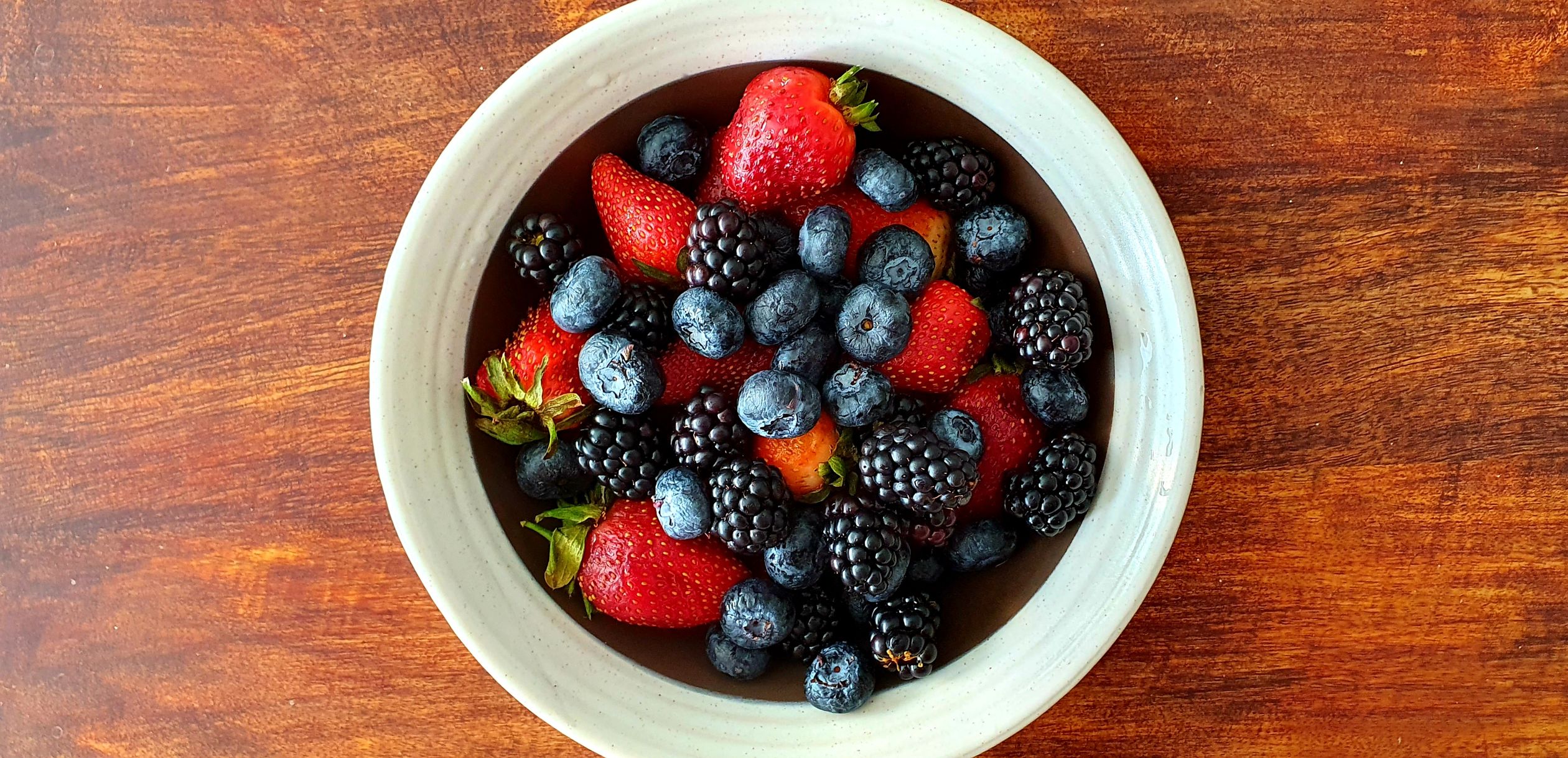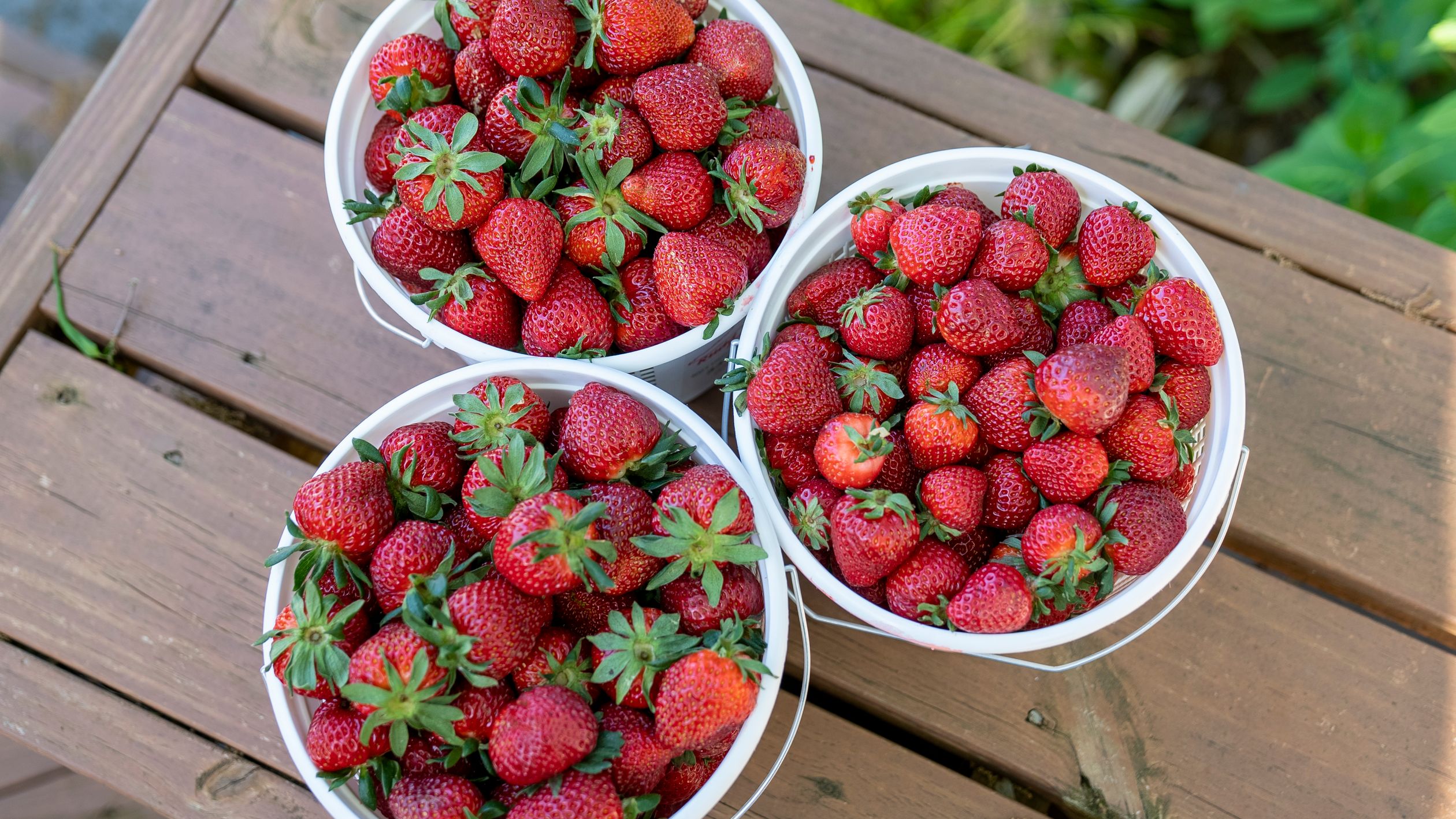
If you have ever spotted a strawberry that looks like it is doing its best impression of a raspberry, you have met a strasberry. These bumpy, dimpled little berries have become one of the most talked-about oddities in recent years, getting people excited on social media and selling out at garden centres almost as fast as they arrive. I get asked about them a lot, so let me clear a few things up.
What Is a Strasberry?
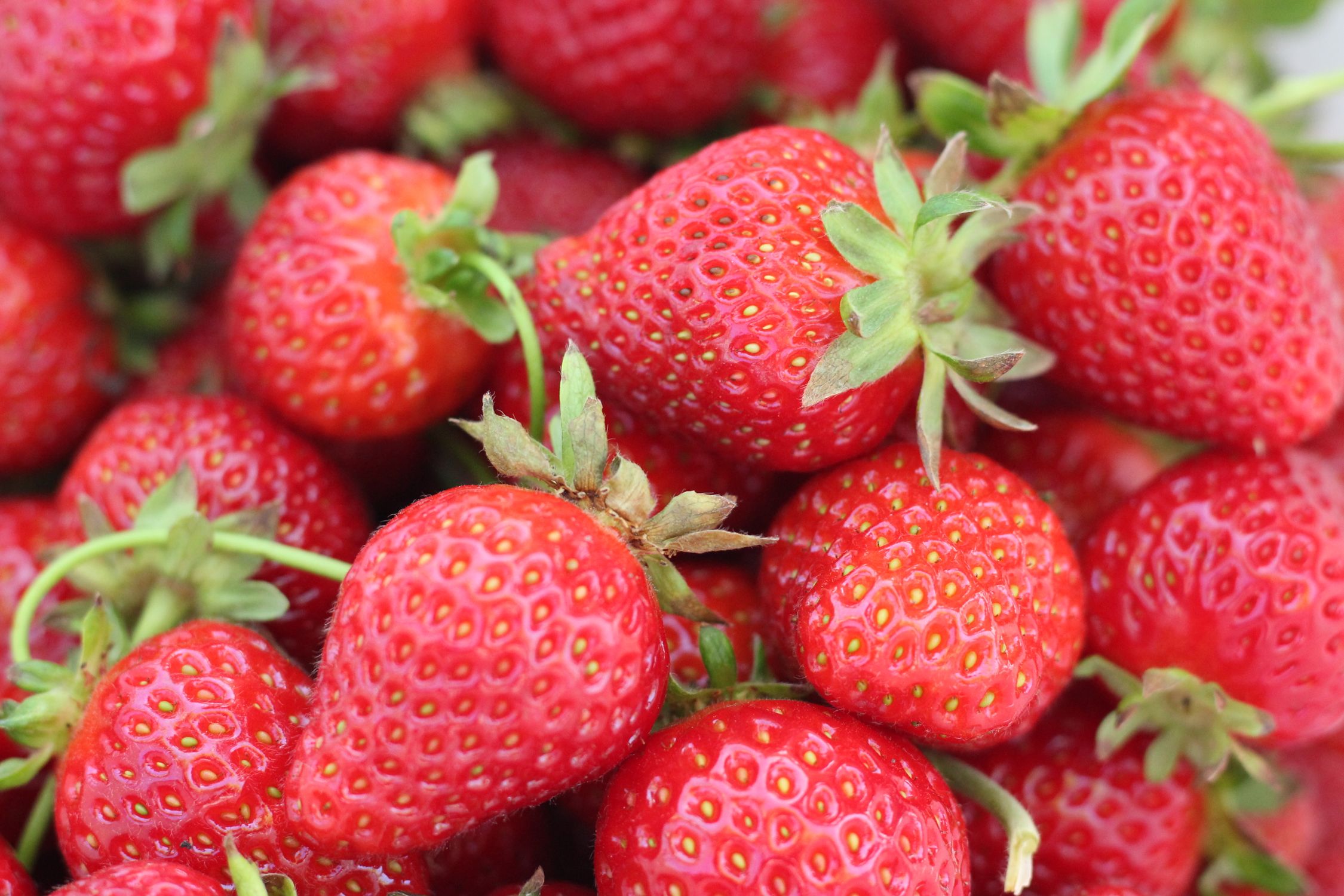
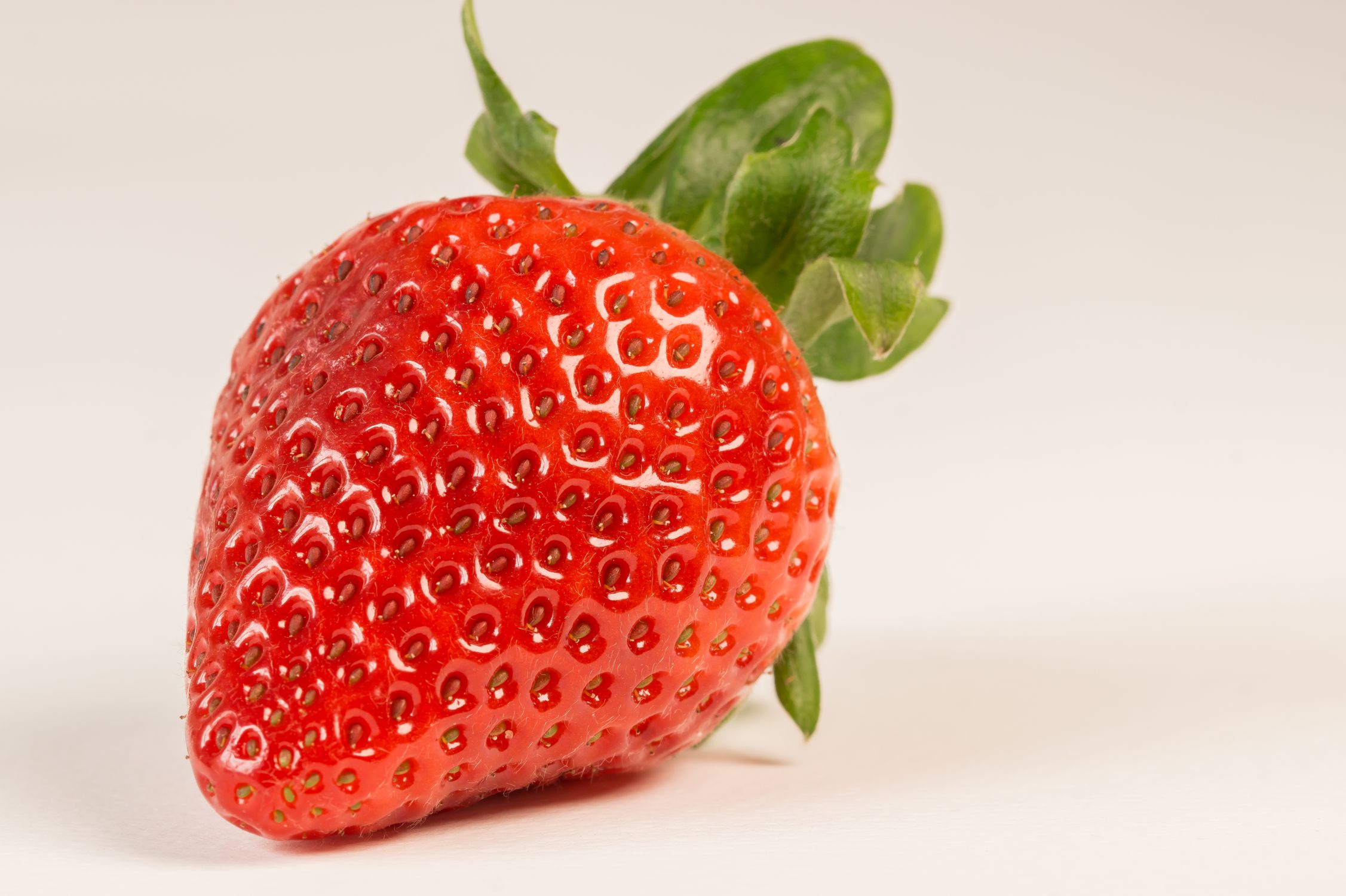
First, let us put one myth to bed. Despite the name, a strasberry is not a cross between a strawberry and a raspberry. It simply cannot be: strawberries and raspberries belong to entirely different genera (Fragaria and Rubus) and will not cross-pollinate. What you are actually looking at is an ordinary garden strawberry with an unusually bumpy, dimpled surface that happens to resemble a raspberry. Those bumps are just the individual seeds sitting more prominently than they do on smooth-skinned types.
The one you will most often see for sale is Fragaria x ananassa 'Framberry' or 'Strasberry', a standard garden strawberry with that distinctive texture. Just to muddy the waters, some sellers also market Fragaria moschata, the musk strawberry, as a strasberry. The musk strawberry is a genuinely different species with a lovely wine-like flavour, well worth growing in its own right, but it is not the same thing at all.
How It Looks
Let us be honest, the looks are the whole point. The berries are small to medium, around 2 to 3 centimetres, with a deeply textured surface covered in pronounced bumps. When ripe they turn bright red and take on a slightly elongated shape, and from a few feet away they really do read as large raspberries rather than strawberries. It is a proper double-take of a fruit.
How It Tastes
Here I have to be straight with you. Most growers, myself included, find the flavour pleasant but not dramatically different from a good ordinary strawberry. It is sweet, mildly fragrant, with decent acidity, and the texture has a touch more crunch from those prominent seeds. Set it against the truly great-flavoured varieties like Mara des Bois and it is good rather than outstanding. You grow a strasberry for the look and the novelty, not for a flavour revelation.
Growing Strasberries
The reassuring part is that there is nothing clever to learn. Strasberries grow exactly like any other garden strawberry, with no special demands whatsoever. Give them full sun, at least six hours a day, in fertile, well-drained, slightly acidic soil. Plant them 30cm apart, or pop them in containers and hanging baskets, which is what I tend to do given they are such a talking point. Keep the soil consistently moist and water at the base rather than over the leaves. Feed with a general fertiliser in spring, then switch to a high-potash feed once flowering begins, and they will get on with it.
Fruiting Season
Most strasberries are June-bearing, so you can expect fruit through June and July. Do not pin your hopes on a huge crop, mind: the berries are smaller than something like Cambridge Favourite, and a mature plant might give you 200 to 300 grams across the season. They are a treat, not a staple.
Where to Buy
You can find them from UK suppliers, but be quick because they vanish fast. Look for bare-root plants in February to March, or potted plants from spring onwards. One word of caution from me: be wary of anything sold as strasberry seeds. Strawberry seeds do not breed true to type, so you simply will not get what is on the packet. Always buy plants.
Is It Worth Growing?
If you have a soft spot for the unusual, then absolutely, yes. The visual impact is genuine and children adore them, which counts for a lot. But if space is tight and flavour is what you are chasing, I would honestly spend it on Mara des Bois or some alpine strawberries instead. If you can spare a pot or two, though, a strasberry is a thoroughly fun thing to have on the go. I would not be without a couple.
Strasberries vs Other Unusual Strawberries
If a strasberry catches your eye, it's worth knowing what else is out there before you commit a container to it. My tour of Britain's most unusual strawberries covers Purple Wonder, the historic musk strawberry, and a few others — several of which offer a genuinely different flavour rather than just a different shape. If flavour is what you're after rather than novelty, Mara des Bois is the variety I'd point you towards instead.
Caring for Strasberries Through the Season
Beyond the basic planting instructions, a few seasonal habits keep strasberries productive. Remove runners promptly unless you want to propagate more plants, since a strasberry left to its own devices will pour energy into runners at the expense of fruit. Deadhead spent flower trusses once cropping finishes to tidy the plant and encourage strong crowns for next year. And because the berries are small and hang close to the compost or soil surface in a container, a layer of straw or a strawberry mat underneath keeps them clean and reduces slug damage — slugs find strasberries just as appealing as any other strawberry, bumps or no bumps.
Frequently Asked Questions
Is a strasberry a real hybrid between a strawberry and a raspberry?
No. Strawberries and raspberries belong to entirely different plant genera and cannot cross-pollinate. A strasberry is simply a garden strawberry cultivar with an unusually bumpy, textured surface caused by more prominent seeds — the raspberry resemblance is visual only, not genetic.
Do strasberries taste like raspberries?
No — they taste like a pleasant, mildly sweet garden strawberry. The texture has slightly more crunch from the prominent seeds, but there's no real raspberry flavour note. Grow them for the novelty and the look, not for a flavour that matches their appearance.
Are strasberries difficult to grow?
Not at all. They grow exactly like any standard garden strawberry, with full sun, well-drained soil and regular watering. There's no special technique required — the only real difference from an ordinary strawberry is what the finished fruit looks like.