The strawberry shelf at a garden centre paints a comforting but rather misleading picture: rows of near-identical plants that go on to produce rows of near-identical red berries. The truth is that the strawberry family is full of weirdness — colours, shapes and flavours that range from the sublime to the frankly bizarre. There are purple-skinned berries, fruits that taste of roses, and varieties that look like someone shrank a raspberry. Here's my tour of the most unusual strawberries you can actually grow in a British garden, not just read about.
Purple Wonder
Purple Wonder earns its name. The berries are a deep, wine-purple on the outside with rich red flesh inside, looking nothing like the strawberry you have in your head. That colour comes from exceptionally high levels of anthocyanin pigments — the same antioxidant compounds you'll find in blueberries and blackcurrants — and they make this one of the most antioxidant-rich strawberries you can grow. Research has linked anthocyanin to cardiovascular benefits and reduced inflammation, so there's a bit of substance behind the showmanship.
The flavour is sweet and full, with a complexity I'd happily rate above a lot of standard reds, and a slight wine-like quality that suits the dramatic colour. The berries are medium-sized and, handily, they hold that colour when cooked, so they look striking in jam and baking. It's a June-bearing variety that fruits in early to mid-summer, grows like any ordinary strawberry, and throws runners freely. Yields are moderate rather than generous. One tip: give it full sun, because the purple develops best there — fruit grown in shade comes out more red than purple, and where's the fun in that?
Musk Strawberry (Fragaria moschata)
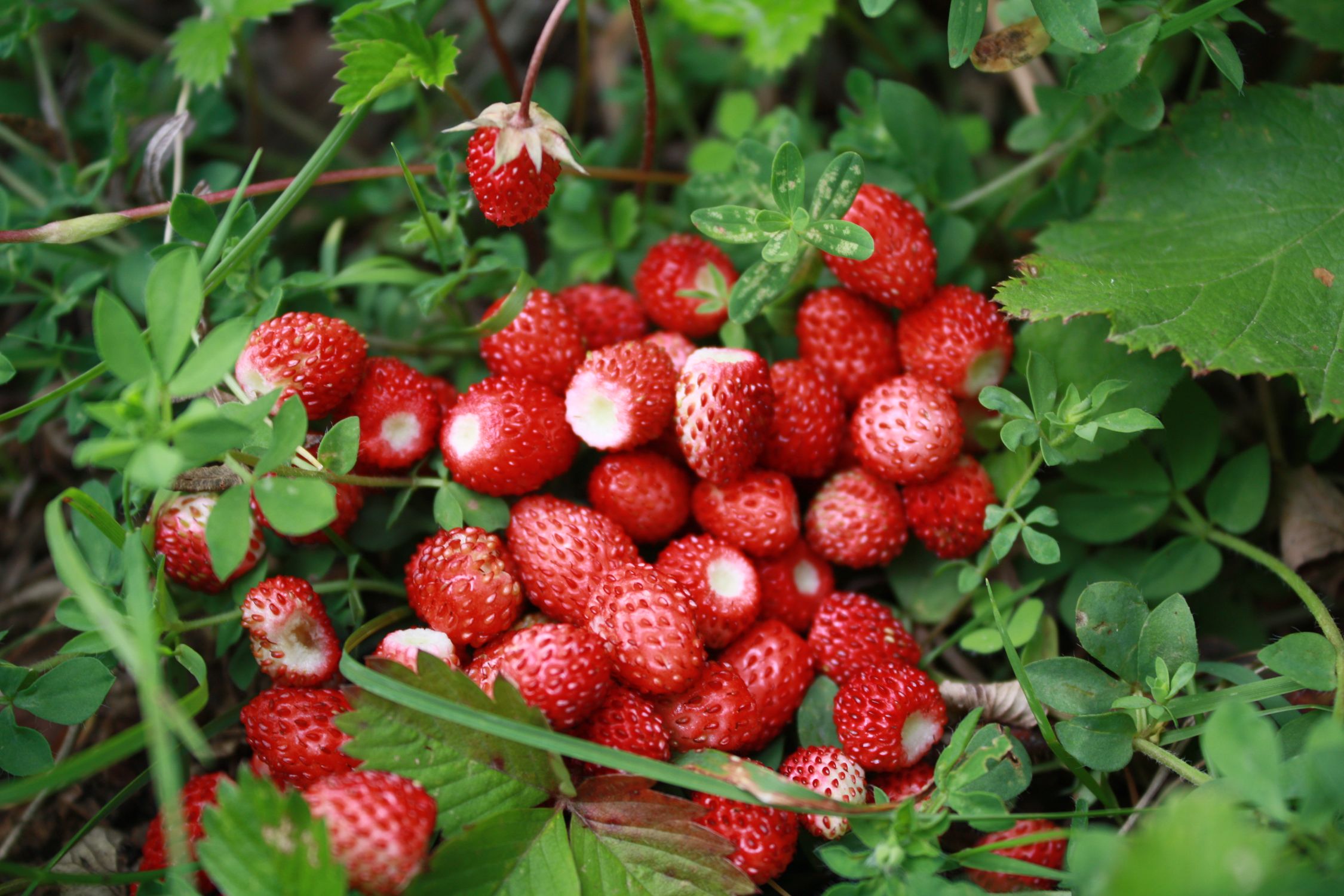
If I had to crown one forgotten aristocrat of the strawberry world, it's the musk strawberry, or hautbois. This is a separate species from the garden strawberry, once hugely fashionable in European courts and still grown by a devoted handful of enthusiasts who'll tell you, quite seriously, that it's the finest-flavoured strawberry in existence. Having tasted one, I find it hard to argue.
The berries are small, about the size of a large marble, softening to a deep purplish-red when ripe. The flavour is like nothing else in the genus — intensely aromatic, with strong notes of rose water, mulberry, honey and sweet wine. The scent alone is extraordinary; a bowl of ripe musk strawberries will perfume an entire room. They were the most popular strawberry in European cuisine from the 16th to the 18th century, prized by French and Italian chefs above all others, and they only fell from favour when the larger, firmer garden strawberry arrived from the Americas and proved easier to grow commercially. By the 20th century they'd all but vanished from cultivation.
Growing them does take patience. The plants are vigorous but the berries are small and the yields low next to modern varieties. Many cultivars are dioecious, too, meaning you need both male and female plants to get fruit — a detail that catches people out. The variety to start with is Capron: it's the most commonly available and, being self-fertile, it's by far the easiest for a beginner. Find yourself a plant, give it a warm, sheltered spot, and you'll taste something British gardening has largely been missing for over a century.
Strasberry (Fragaria x Framberry)
The strasberry looks for all the world like someone tried to cross a strawberry with a raspberry and very nearly pulled it off. The berries are small and conical, covered in pronounced bumps that give them a distinctly raspberry-ish texture, and you'll sometimes see them sold as Framberry or Raspberry Strawberry.
Here's the honest bit, though: despite the look and the marketing, strasberries aren't actually strawberry-raspberry hybrids at all. They're simply an unusual cultivar of the garden strawberry with an exaggerated bumpy surface. The flavour is sweet and mild, with a faint something that the more optimistic tasters call raspberry-like — in truth it tastes mostly like a pleasant, slightly aromatic strawberry. The plants are compact, well suited to containers and hanging baskets, and they fruit over a long season from June to September. Easy to grow, small berries, modest yields. I'd grow them for the novelty and the conversation more than the harvest — and children, I've noticed, are absolutely fascinated by them.
A word on "black strawberries"
I need to wave a flag here. If you've seen seeds advertised online for black strawberries, purple strawberries or blue strawberries at suspiciously low prices, they are almost certainly a scam. The seeds are typically dyed, or they're an entirely different plant that will never produce anything resembling a strawberry. There is no true black strawberry cultivar — Purple Wonder and some very dark red Japanese varieties are as close as genuine strawberry genetics will get you. Treat any listing for black or blue strawberry seeds, especially from overseas sellers on marketplace sites, with real scepticism. My standing advice: buy strawberry plants as potted runners from reputable UK nurseries, not seeds from unknown sources.
Toscana
Toscana is an ornamental-edible hybrid that does something most strawberries don't — it produces deep pink flowers rather than the usual white. The berries are medium-sized, conical and dark red, with a sweet, aromatic flavour, and the pairing of pink blooms with red fruit makes it one of the prettiest strawberry plants you can buy. It's an everbearing type, fruiting from late spring right through autumn, and its trailing habit and constant flowering make it a natural for hanging baskets, window boxes and decorative pots. The flavour is good and sweeter than many standard sorts, though the yield is lower than a dedicated cropper. I'd think of it as a genuinely beautiful ornamental that happens to feed you, rather than a serious fruiting plant.
Japanese varieties: Benihoppe and Tochiotome
Japan takes strawberry breeding to a level the rest of us can only gawp at. Varieties there are selected first and foremost for flavour and looks, with sweetness, size and aroma pushed to heights European breeders rarely even attempt. Benihoppe gives large, perfectly conical berries of an intense, honeyed sweetness, while Tochiotome is prized for its balanced sweet-tart flavour and firm texture. Both will grow well here, though sourcing them is the hard part — you're usually looking at specialist importers or dedicated enthusiasts. In Japan, individual perfect strawberries from premium varieties sell for extraordinary prices in department stores, treated as luxury gifts rather than everyday fruit. We're a long way from that here, thankfully, but the underlying obsession — flavour over yield — is something I think British growers could happily borrow.
Building a collection
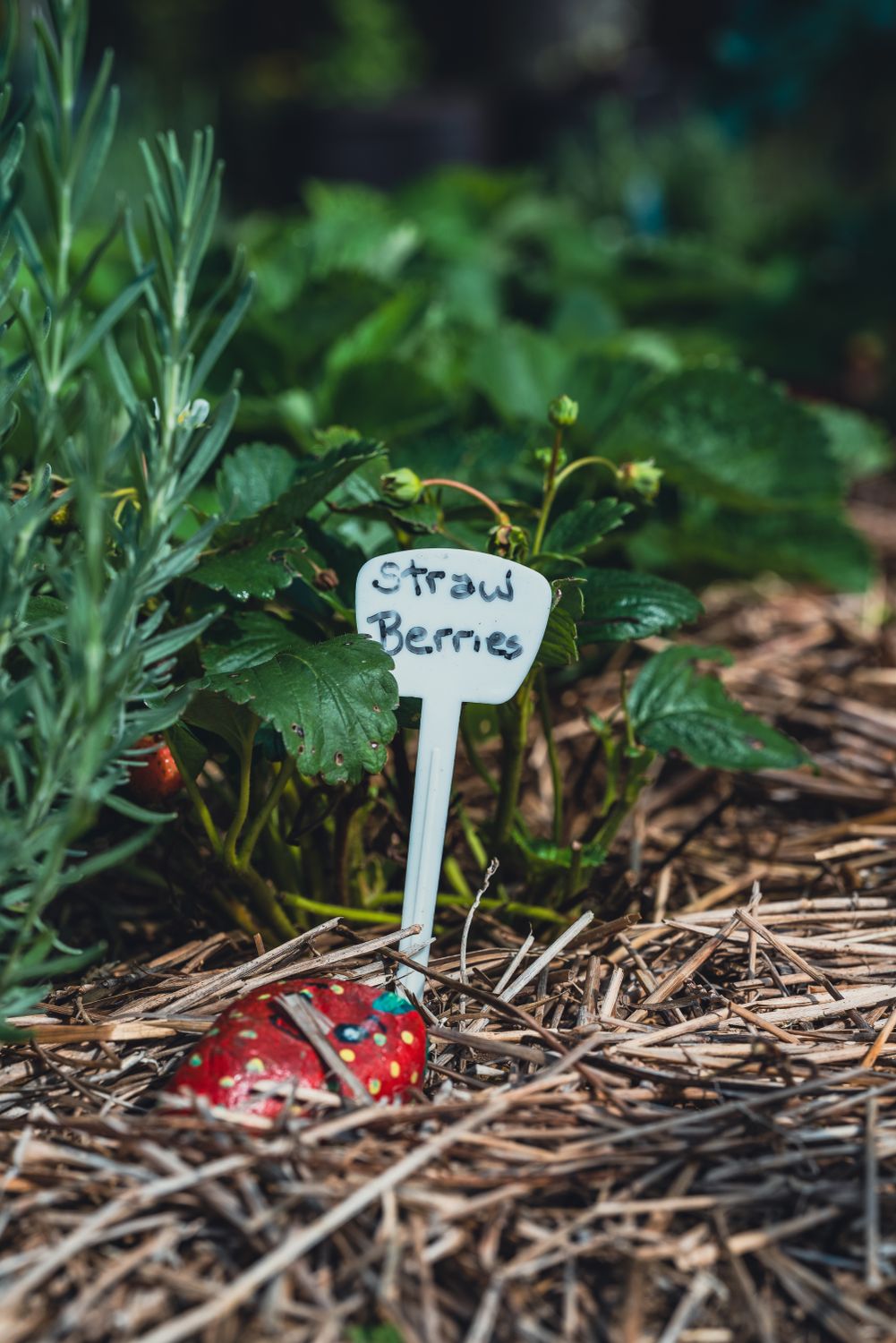
The real joy of unusual strawberries is in the collecting. A bed with Purple Wonder, a musk strawberry, a strasberry, a pineberry and a few alpines alongside your standard crop stops being a fruit patch and becomes a tasting garden. Most of these want the same basic conditions as any strawberry — full sun, well-drained soil, regular watering and protection from birds — so the only real trick is to plant them in their own section where the vigorous standard varieties won't bully them, and to label everything clearly so you can compare flavours come harvest.
Yields from the unusual ones are almost always lower than from commercial cultivars, but that rather misses the point. You grow these for flavour, for beauty, for history, and for the simple pleasure of eating something nobody else on your street has ever tasted. In a world of uniform supermarket strawberries, raising a musk strawberry that once graced the French court, or a Purple Wonder that looks like it wandered out of a fairy tale, feels like a small but real act of horticultural rebellion. I'm all for it — Ash.
Frequently Asked Questions
What is the rarest strawberry variety?
The musk strawberry (Fragaria moschata) is among the rarest in UK cultivation — a separate species that was Europe's favourite strawberry for two centuries before all but disappearing once the larger, more productive garden strawberry took over commercially. It's now grown only by specialist nurseries and dedicated enthusiasts. True black or blue strawberries, sold as seeds online, don't genuinely exist — Purple Wonder is the closest a real cultivar gets to that colour.
Do purple strawberries taste different from red ones?
Yes, noticeably. Purple Wonder has a fuller, slightly wine-like flavour alongside the usual strawberry sweetness, a result of the same anthocyanin pigments that give it its colour. It's not simply a red strawberry with different skin — the flavour profile is genuinely its own, closer in complexity to a dark-skinned grape crossed with a strawberry than to a standard red variety.
Can you buy musk strawberry plants in the UK?
Yes, though only from specialist fruit nurseries rather than general garden centres. Look for the variety Capron, which is self-fertile and the easiest of the musk strawberries for a beginner — many musk strawberry cultivars need both a male and a female plant to fruit, which catches new growers out.