Cambridge Favourite is a reliable, disease-resistant strawberry that has been among Britain’s most widely grown varieties since the 1960s. It is not the sweetest or the most complex in flavour, but it crops consistently in most garden conditions, is widely available, and is a solid choice for anyone growing strawberries for the first time.
Where did it come from?
Cambridge Favourite was bred at the Plant Breeding Institute in Cambridge and released in 1947, developed from a cross between two earlier varieties and selected for a combination of reliable cropping, disease resistance and a knack for coping with British conditions. That last part mattered enormously. At the time, most garden strawberries were fussy, disease-prone and maddeningly inconsistent. Cambridge Favourite was none of those things — it grew well in most soils, resisted the common diseases, cropped steadily, and took our unpredictable summers in its stride without sulking. Gardeners seized on it, and for the next fifty years it was simply the strawberry to recommend.
What does it taste like?
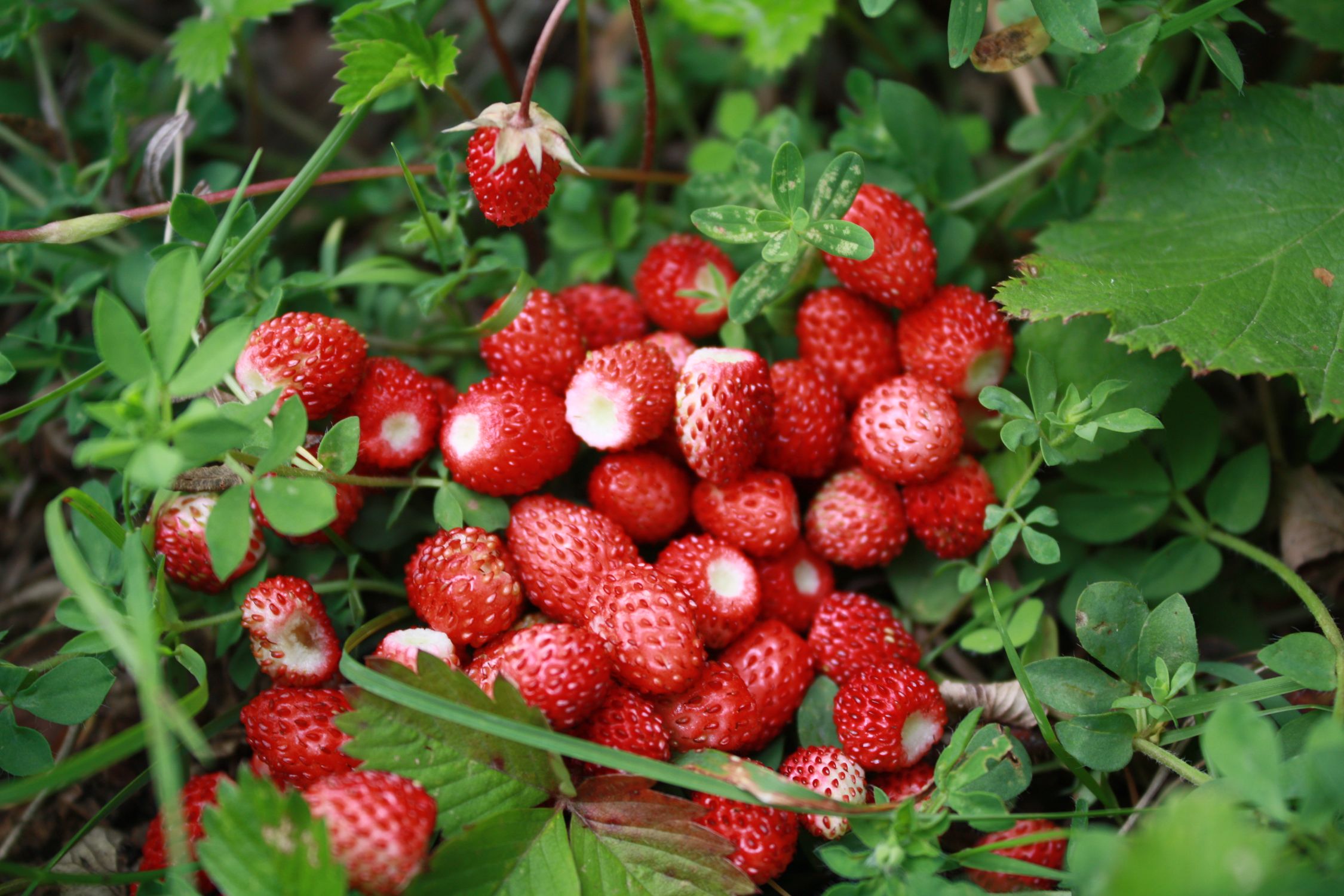
Now here's where I have to be honest with you, because this is where Cambridge Favourite gets a mixed report. The flavour is pleasant but not exceptional. The berries are sweet enough to eat fresh and have a mild strawberry taste that won't offend anyone — but it won't make anyone close their eyes in delight either. Set it beside a modern variety bred specifically for flavour, or an intensely fragrant alpine or musk strawberry, and it comes off a little ordinary. That's not a failing so much as its origins showing: it was bred in an age when reliability and yield mattered more than flavour. On the plus side, the texture is properly firm, which makes the berries good travellers and excellent for jam, holding their shape in cooking far better than the softer sorts.
So why do people still grow it?
Despite being knocking on eighty and outclassed on flavour, Cambridge Favourite hangs on for thoroughly good reasons. The main one is that it's very nearly foolproof. A complete beginner who has never grown a strawberry in their life can plant it and expect a decent crop, which is no small thing. It tolerates the heavier soils that defeat other varieties, it resists most common diseases well enough that you'll rarely reach for a sprayer, and it throws runners so freely that you can expand your strawberry bed for nothing. On top of all that, it carries a fair bit of nostalgia — plenty of us grew up eating it from a parent's or grandparent's garden, and it has an emotional tie to the British summer that the newer varieties simply haven't had time to earn.
Growing Cambridge Favourite
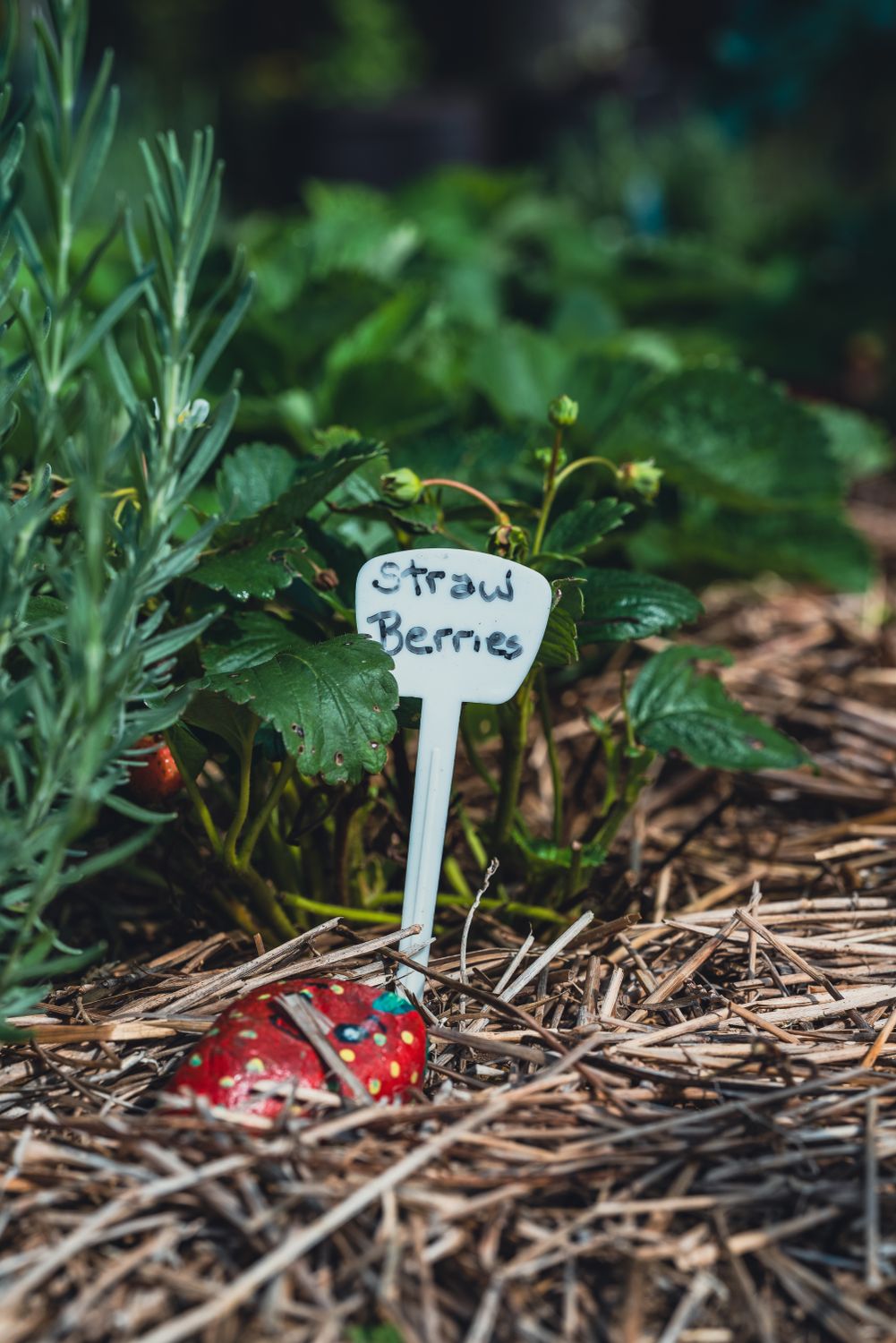
The requirements are standard for any June-bearing strawberry, with a couple of points worth flagging. Plant bare-root runners in autumn or potted plants in spring, spacing them 35 to 40cm apart in rows 75cm apart. It'll grow in any reasonable garden soil that doesn't waterlog, and it's notably more forgiving of heavier ground than most strawberries — one of its real strengths. Give it full sun for the best crops; it'll cope with light shade but the berries come fewer and less sweet. Feed with a balanced fertiliser in early spring and steer clear of high-nitrogen feeds, which just give you lush leaves at the expense of fruit. Tuck straw or strawberry mats under the developing berries to keep them clean and out of reach of slugs. And about those runners — it produces them generously, so snip them off during the fruiting season to keep the plant's energy in the fruit, then in late summer peg a few down into small pots to raise free plants for next year.
Harvest and yield
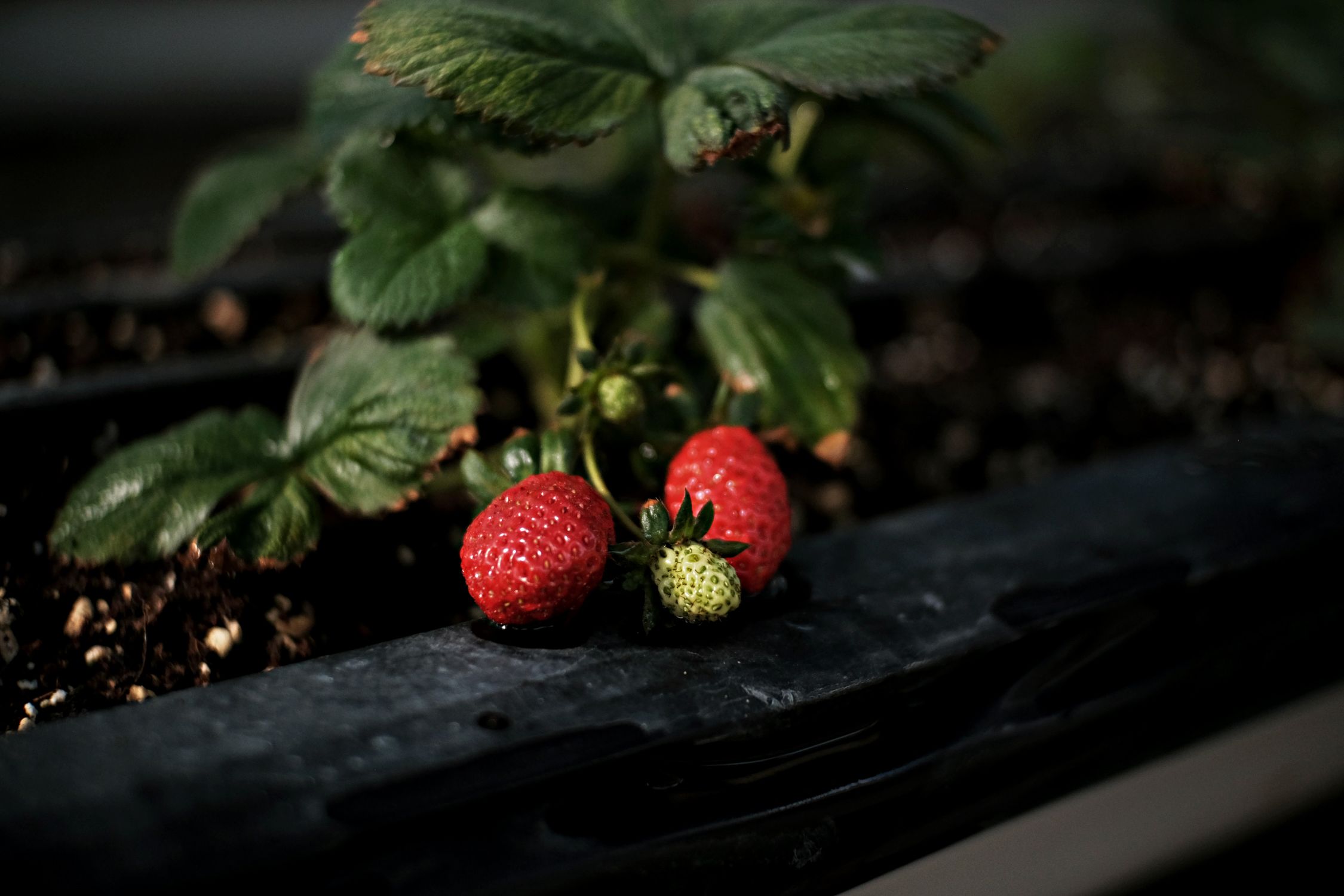
Cambridge Favourite is a mid-season variety, usually fruiting in June and early July. The berries are medium-sized, conical and a glossy red when ripe, and from established plants in a good year you can expect somewhere around 400 to 500 grams each. The cropping window is about three weeks, which is fairly typical for a June-bearer. If you'd like a longer run of fruit, do what I do and bracket it with an early variety like Honeoye and a late one like Florence.
Should you still plant it?
If your heart is set on the best-tasting strawberry, there are better options now — Malling Centenary has excellent flavour and large berries, Florence brings rich, aromatic fruit and good disease resistance, and Hapil is sweet and juicy. Any of those will out-flavour Cambridge Favourite. But if what you want is a dependable, low-maintenance strawberry that'll give you a decent crop in almost any garden, Cambridge Favourite still earns its spot — especially for beginners, for awkward heavy soils, and for anyone who values reliability over peak flavour. It stayed popular for more than half a century, and the qualities that made it so haven't changed one bit. Happy growing — Ash.
Frequently Asked Questions
Is Cambridge Favourite still worth growing?
It depends on your priorities. For reliability, disease resistance, and ease of growing, it is hard to beat. For flavour, newer varieties like Mara des Bois or those in my guide to the six sweetest varieties are noticeably better. Many growers keep a row of Cambridge Favourite for the reliable bulk crop and a smaller patch of a flavour variety alongside it.
What does Cambridge Favourite taste like?
Pleasant but mild — sweet with a moderate strawberry flavour that is better fresh from the garden than anything a supermarket offers, but not in the top tier for intensity. It is far more consistent than many varieties with more dramatic flavour potential, which is a genuine advantage in unpredictable British summers.
How much does Cambridge Favourite yield?
A healthy established plant produces around 400 to 500g per season. It is a mid-range yielder rather than one of the heaviest croppers. If maximising fruit volume is the goal, my guide to the highest-yielding varieties compares the options that consistently outperform it.
What are the best growing conditions for Cambridge Favourite?
Full sun, free-draining soil, and a sheltered spot are ideal. It handles heavier soils better than many varieties, which partly explains its popularity on allotments. My guide to strawberry soil preparation covers how to get the conditions right, and my complete growing guide covers planting, care, and harvesting from start to finish.
More in this series: The Complete Guide to Growing Strawberries in the UK • Why Alpine Strawberries Taste Like No Strawberry You've Ever Bought • The Best Soil for Strawberries: Getting Your Mix Right • Growing Strawberries Indoors: The Best Varieties for Windowsills and Conservatories • Slugs, Birds, and Aphids: How to Keep Every Pest Off Your Strawberries • The 6 Best Strawberry Varieties for Hanging Baskets • Mara des Bois: A Strawberry That Actually Tastes of Strawberry • Top 6 Sweetest Strawberry Varieties to Grow in the UK • Top 7 Highest-Yielding Strawberry Varieties for British Gardens