Strawberries grow well across the UK and will fruit reliably in a sunny border, a raised bed, or a container on a patio. The main decisions are which variety to grow and whether you want a single summer flush or a continuous supply of berries from June through to October.
Why Grow Strawberries in the UK?
We've a long and proud history of growing strawberries in this country, and for good reason. Our temperate maritime climate strikes exactly the balance of warmth and moisture that strawberries love. The season runs from late May through to September, and homegrown berries have a depth of flavour the shop-bought ones simply can't touch — once you've tasted your own, the punnets in the supermarket never look quite the same again.
Growing your own also opens up dozens of heritage and modern varieties you'll never see on a shop shelf. And it pays its way over time, too: a single plant will keep cropping for three to four years.
Choosing the Right Varieties
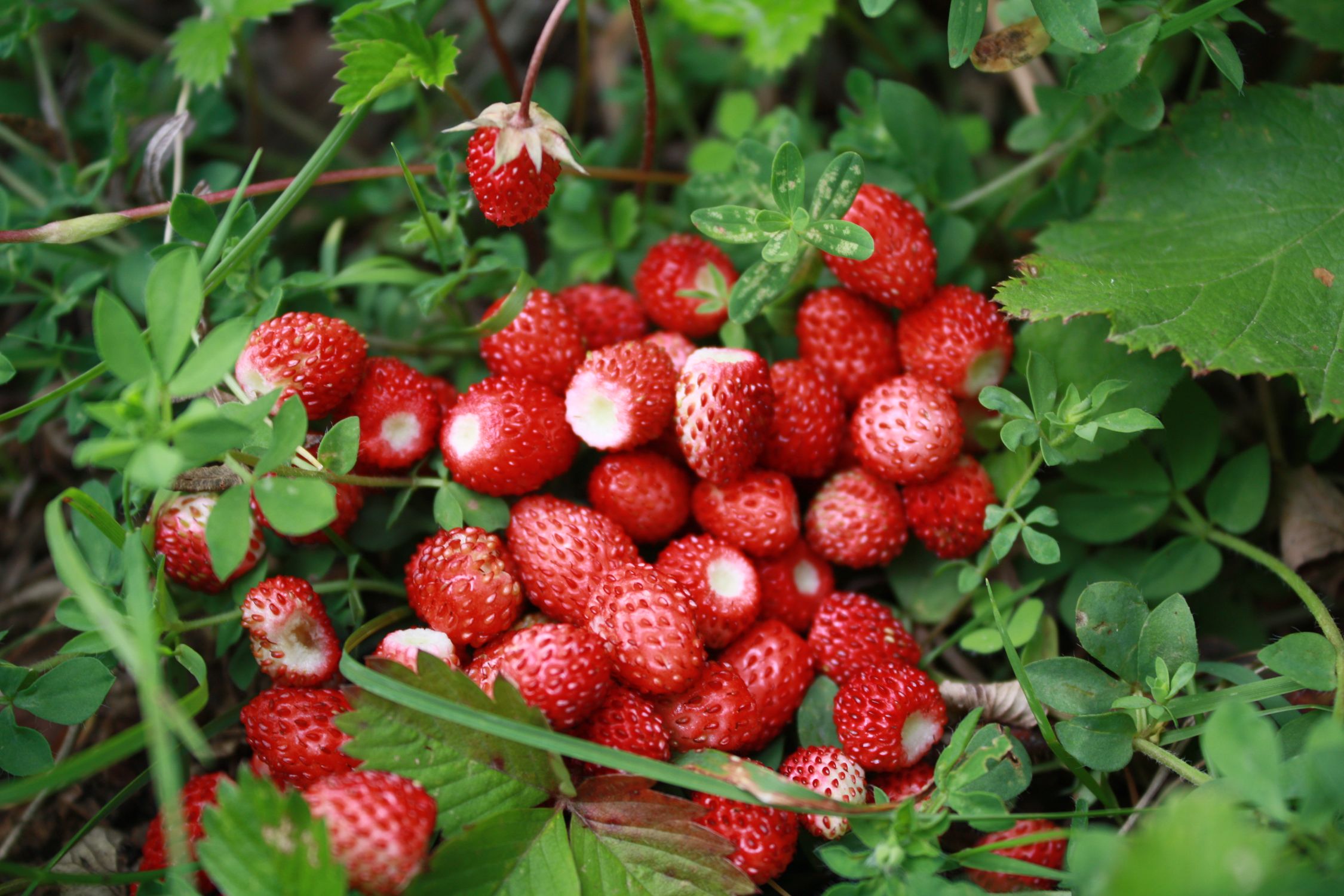
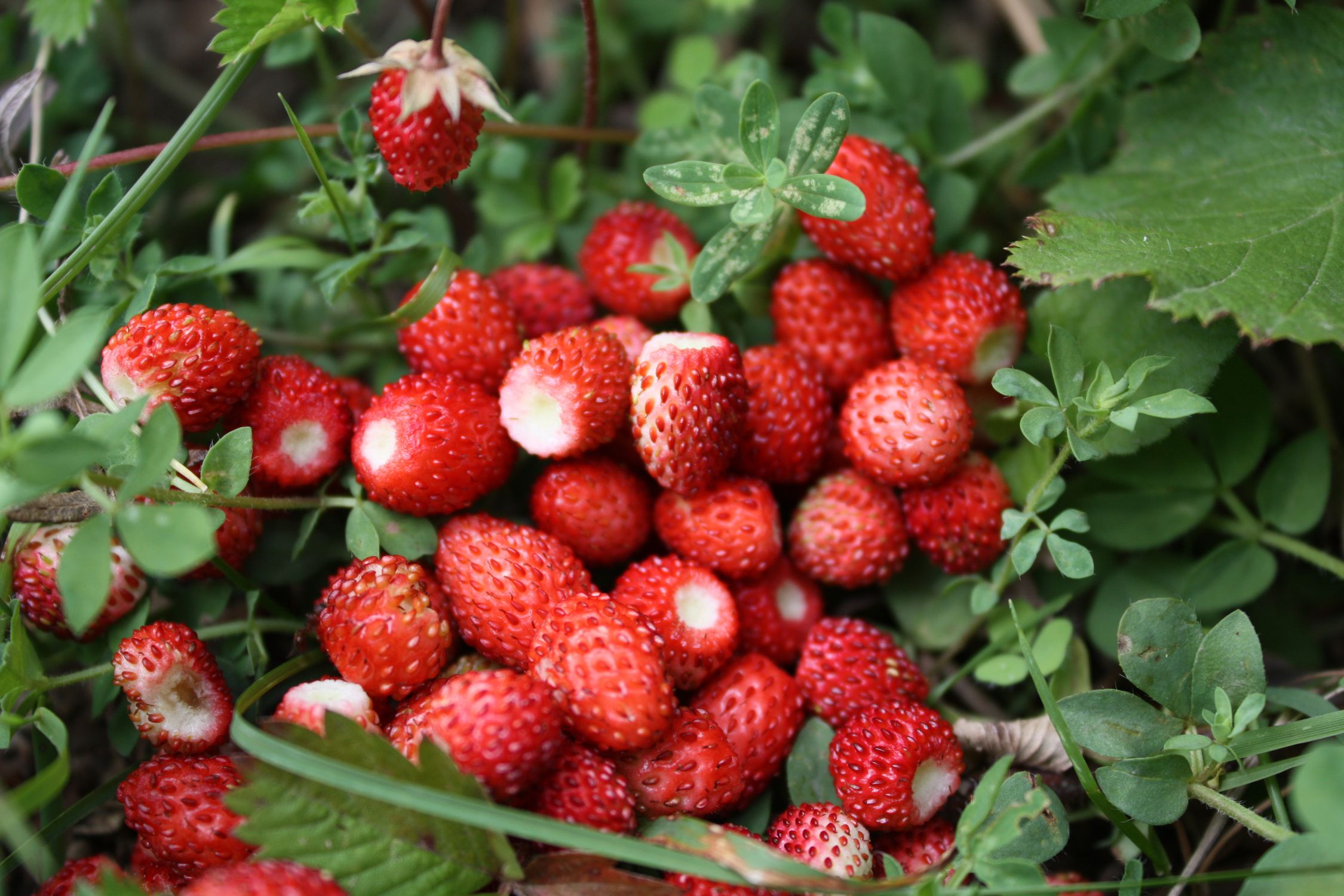
Strawberries fall into three main camps, and getting to grips with them is the key to stretching your harvest right across the season. June-bearers give you one big crop in early to midsummer — Elsanta, Cambridge Favourite and Honeoye are all excellent here. Everbearers (sometimes called perpetual) produce smaller flushes from summer into autumn, and Mara des Bois and Flamenco are the ones I'd reach for. Then there are the alpine strawberries, which yield tiny, intensely flavoured berries on and off from June to October; they're happy in partial shade and make charming edging plants.
My advice? Plant a mix of early, mid and late-season varieties, and you'll be picking fresh strawberries for as long as the season allows.
When and How to Plant
Bare-root plants go in best in early autumn (September to October) or early spring (March to April). Container-grown ones can be planted almost any time, though spring and autumn are still the sweet spots.
Pick a sunny, sheltered spot with well-drained soil. Strawberries like a slightly acidic to neutral pH of around 6.0 to 6.5, and it's well worth digging in plenty of well-rotted compost or manure beforehand to give them a rich start. Space the plants about 35 to 45 centimetres apart, in rows 75 centimetres apart, and set each one so the crown sits right at soil level — bury it and it'll rot, leave it too proud and it'll dry out. Water them in well once they're planted.
Care and Maintenance
Strawberries aren't demanding, but a little attention through the season pays off handsomely. Keep them well watered, particularly during flowering and fruiting; a drip line or soaker hose does the job best, keeping water off the fruit. Once flowering begins, give a high-potash liquid feed every couple of weeks to fuel all that cropping.
As the fruit starts to form, tuck straw or special strawberry mats around each plant to keep the berries clean and off the wet soil. Remove any runners as they appear — unless you want new plants, they only sap energy that should be going into fruit. And do net the plants, or grow them in a fruit cage, because the birds will happily strip every last ripe berry before you get a look in.
Harvesting and Storage
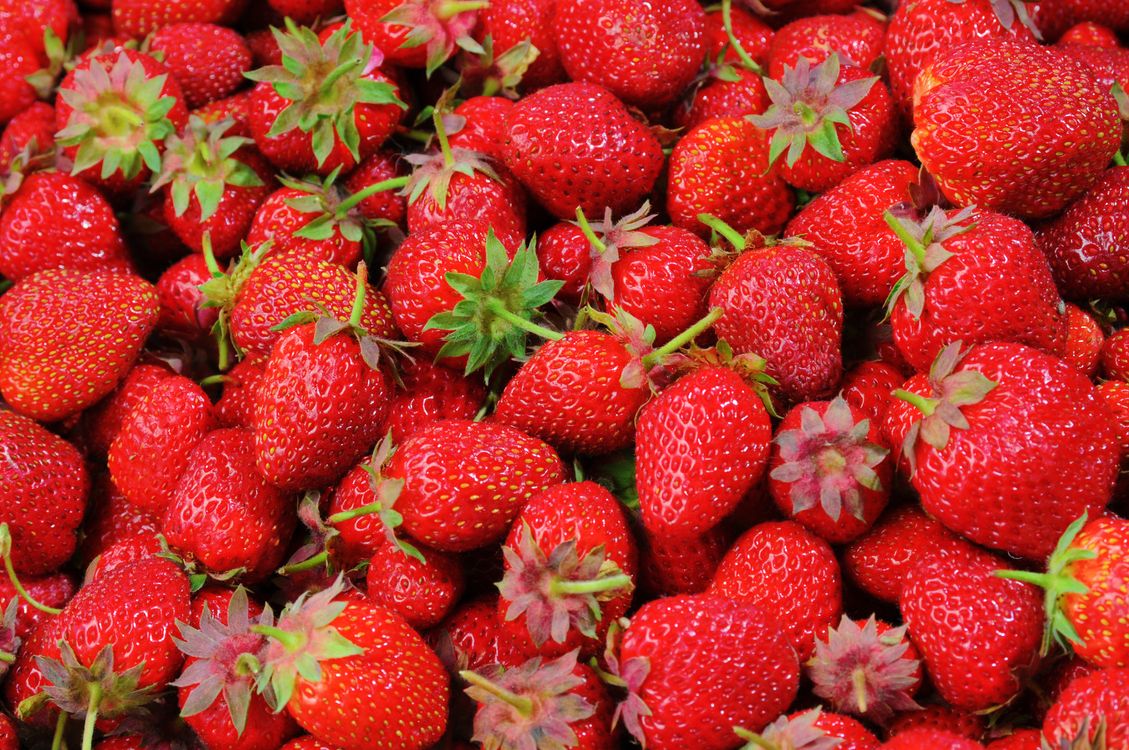
Pick your strawberries when they're fully red and just slightly soft to the touch. I always try to harvest in the morning while the berries are still cool, which gives them the best shelf life. Handle them gently, and eat or refrigerate them within a day or two — they don't hang about.
For keeping a glut, strawberries freeze well, and of course they make exceptional jam. A pot of homemade British strawberry jam is, to my mind, one of the finest treats summer has to offer.
Common Problems
The trouble you're most likely to meet is grey mould (botrytis), especially in a wet summer. Good air circulation, a layer of straw mulch and whipping away any rotting fruit the moment you spot it all keep it in check. Slugs and snails can be a nuisance too, so stay watchful.
Bear in mind, as well, that after three to four years plants lose their vigour. When that happens, replace them with fresh stock — ideally in a different part of the garden — to stop soil-borne diseases building up in one spot.
Final Thoughts
Growing strawberries in the UK is, quite simply, a delight. For very little effort and hardly any space, you can pick a bountiful crop of the freshest, most flavoursome berries imaginable. Put in just a few plants this season and I'd wager you'll soon understand why British gardeners have been growing them for centuries.
Frequently Asked Questions
Do strawberry plants come back every year?
Yes — strawberries are perennial plants and the same crowns will fruit for several years. Yields tend to drop after year three or four, so most growers replace plants every three to four years using runners taken from the strongest plants. One good parent plant can produce several runners in a single season.
Which strawberry varieties produce the most fruit?
Florence, Elsanta, and Sonata are among the heaviest croppers in UK conditions. My guide to the highest-yielding strawberry varieties compares the top seven in detail. If flavour matters as much as quantity, my guide to the six sweetest varieties covers the options that prioritise taste.
How do I protect strawberries from slugs, birds, and aphids?
Prevention works better than cure. Keep the bed weed-free, remove old leaves after fruiting, and use straw or a membrane under the fruit to keep it off the soil. My guide to keeping pests off strawberries covers all the main threats and what to do about each. And if space is short, strawberries in hanging baskets stay out of reach of slugs entirely.
What soil do strawberries need?
Strawberries prefer slightly acidic, free-draining soil — a pH of 6.0 to 6.5 is ideal. Dig in plenty of organic matter before planting and avoid waterlogged ground. My guide to strawberry soil covers preparation for garden beds, raised beds, and containers in detail.
More in this series: Why Alpine Strawberries Taste Like No Strawberry You've Ever Bought • The Best Soil for Strawberries: Getting Your Mix Right • Growing Strawberries Indoors: The Best Varieties for Windowsills and Conservatories • Slugs, Birds, and Aphids: How to Keep Every Pest Off Your Strawberries • The 6 Best Strawberry Varieties for Hanging Baskets • Cambridge Favourite: Britain's Most Popular Strawberry • Mara des Bois: A Strawberry That Actually Tastes of Strawberry • Top 6 Sweetest Strawberry Varieties to Grow in the UK • Top 7 Highest-Yielding Strawberry Varieties for British Gardens
Strawberries kick off the whole British berry year, and if you'd like to see exactly where they fit alongside everything else ripening through the season, my month-by-month calendar of UK berries in season maps out when to expect each fruit from May right through to November.