Strawberries grow best in slightly acidic, free-draining soil with a pH between 6.0 and 6.5 and plenty of organic matter worked in before planting. Get the soil conditions right and the plants establish quickly, crop heavily, and need far less attention through the season.
What Strawberries Want
Get four things in order and the plants will reward you. The first is drainage, because strawberry roots rot quickly in waterlogged ground; they want moisture, certainly, but never sogginess. The second is fertility. These are hungry plants, and a rich soil with plenty of organic matter is what supports a heavy crop. Third, they like things slightly acidic, with an ideal pH of 5.5 to 6.5. The good news is that most British garden soil sits comfortably in that range, and unlike blueberries, strawberries are forgiving of a wider band. And finally, they want a loose, friable texture. Their roots are shallow, and they spread far more happily through open soil than through compacted ground.
Testing Your Soil
A simple pH test is worth the few pounds it costs. If your soil reads between 5.5 and 6.5, you're laughing. Anything above 7.0 and you'll need to bring it down or, frankly, just grow in containers and save yourself the bother.
Preparing Garden Beds
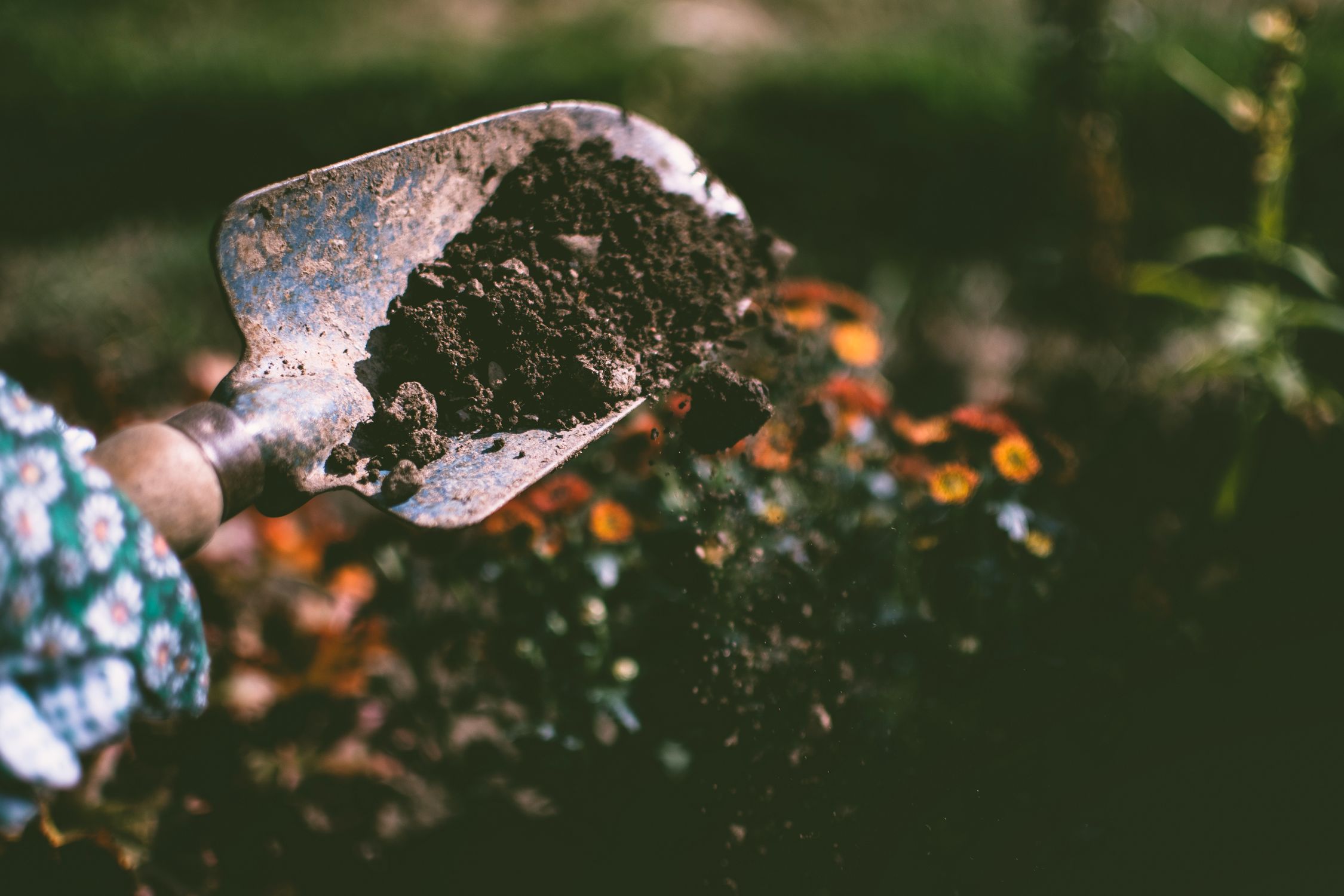
Start by clearing every weed, paying particular attention to the perennial troublemakers like couch grass and bindweed; leave their roots in and you'll regret it. Then spread a 5cm layer of well-rotted compost and fork it into the top 20cm of soil. If you're on clay, fork in a 2cm layer of horticultural grit as well to open up the drainage. One word of caution from experience: never use fresh manure on a strawberry bed. It must be well-rotted, at least a year old, or you'll do more harm than good.
Raised Bed Soil Mix
For a raised bed I'd aim for roughly 60 percent topsoil, 30 percent well-rotted compost, and 10 percent grit or perlite. Top it up with fresh compost each spring and the bed will keep giving you good years.
Container Compost
Containers want a different recipe: about 80 percent multipurpose compost, 15 percent perlite, and 5 percent grit, with a handful of slow-release fertiliser granules mixed through. Whatever you do, don't be tempted to use garden soil in a pot. It compacts, drains poorly, and brings problems you don't need.
Adjusting pH
If your soil is too alkaline, above 7.0, you can bring it down with sulphur chips, ericaceous compost, or acidic mulches such as pine needles. The opposite problem, soil that's too acidic below 5.0, is rare in UK gardens, but if you do hit it a dose of garden lime will sort it out.
What Not to Do
A few hard-won don'ts. Don't plant where potatoes or tomatoes have grown, because they harbour verticillium wilt, which goes after strawberries too. Don't replant in the same spot for more than three years running, or soil-borne diseases will quietly build up and catch you out. Don't compact the soil; keep off the bed and resist walking on it. And don't get carried away with nitrogen, which gives you lush leaves at the expense of fruit. Switch to a high-potash feed once flowering begins.
Mulching
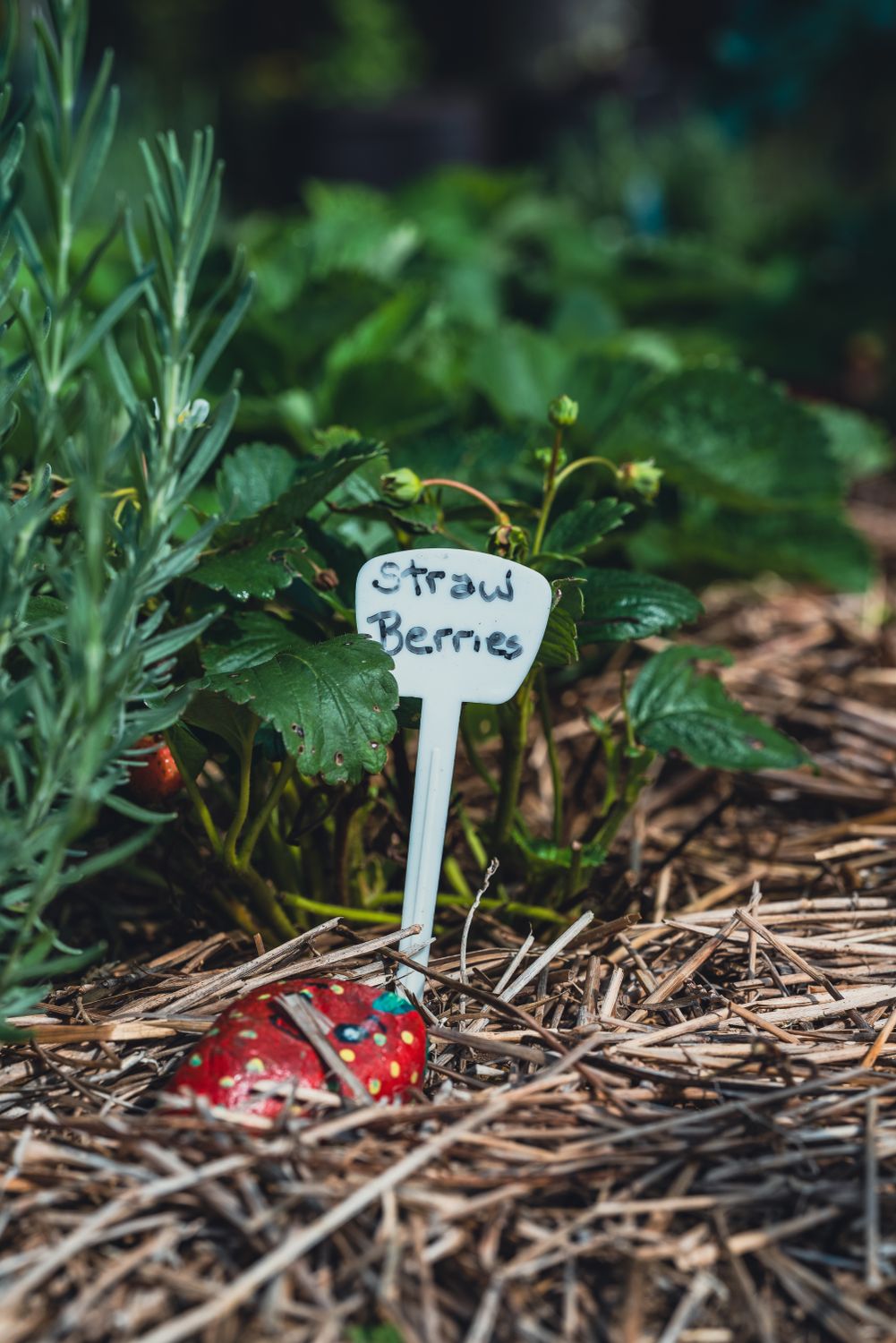
Once your plants are in, mulching isn't optional, it's essential. Straw is the classic choice and the one that gave the strawberry its name, but bark chips, black landscape fabric, and pine needles all do the job. Get it down as the fruit starts to develop. It keeps the berries clean off the soil, holds in moisture, and gives the slugs one more obstacle to grumble about.
Frequently Asked Questions
Does the soil pH really matter for strawberries?
Yes. Below 5.5 the plants struggle to absorb nutrients even when those nutrients are present; above 7.0 the same problem occurs from the alkaline side. A simple soil test costs very little and removes the guesswork. If your soil is too alkaline, sulphur chips or ericaceous compost in a raised bed or container will bring it down. My complete strawberry growing guide covers variety choice, planting, and care alongside the soil advice.
What compost should I use for strawberries in pots?
A mix of peat-free multipurpose and perlite or sharp sand works well — the perlite keeps the mix open and draining, which is the critical thing. Avoid heavy clay-based potting mixes or pure loam, which compact over time and hold too much moisture around the roots. For indoor growing, the same mix applies; top-dress with fresh compost each spring.
How often should I feed strawberries?
A high-potassium feed (tomato fertiliser works well) applied every seven to ten days from the point flower buds appear until the end of fruiting gives the best results. Avoid high-nitrogen feeds during fruiting — they push leafy growth at the expense of berries. In winter, stop feeding entirely and let the plants rest.
Do strawberries grown in good soil need less pest treatment?
Yes — plants under stress from poor soil or waterlogging are more vulnerable to aphid attack and botrytis. Healthy soil is the foundation of healthy plants, and healthy plants shrug off trouble far better. That said, slugs will target any strawberry regardless of soil quality. My guide to strawberry pests covers all the main threats.
More in this series: The Complete Guide to Growing Strawberries in the UK • Why Alpine Strawberries Taste Like No Strawberry You've Ever Bought • Growing Strawberries Indoors: The Best Varieties for Windowsills and Conservatories • Slugs, Birds, and Aphids: How to Keep Every Pest Off Your Strawberries • The 6 Best Strawberry Varieties for Hanging Baskets • Cambridge Favourite: Britain's Most Popular Strawberry • Mara des Bois: A Strawberry That Actually Tastes of Strawberry • Top 6 Sweetest Strawberry Varieties to Grow in the UK • Top 7 Highest-Yielding Strawberry Varieties for British Gardens