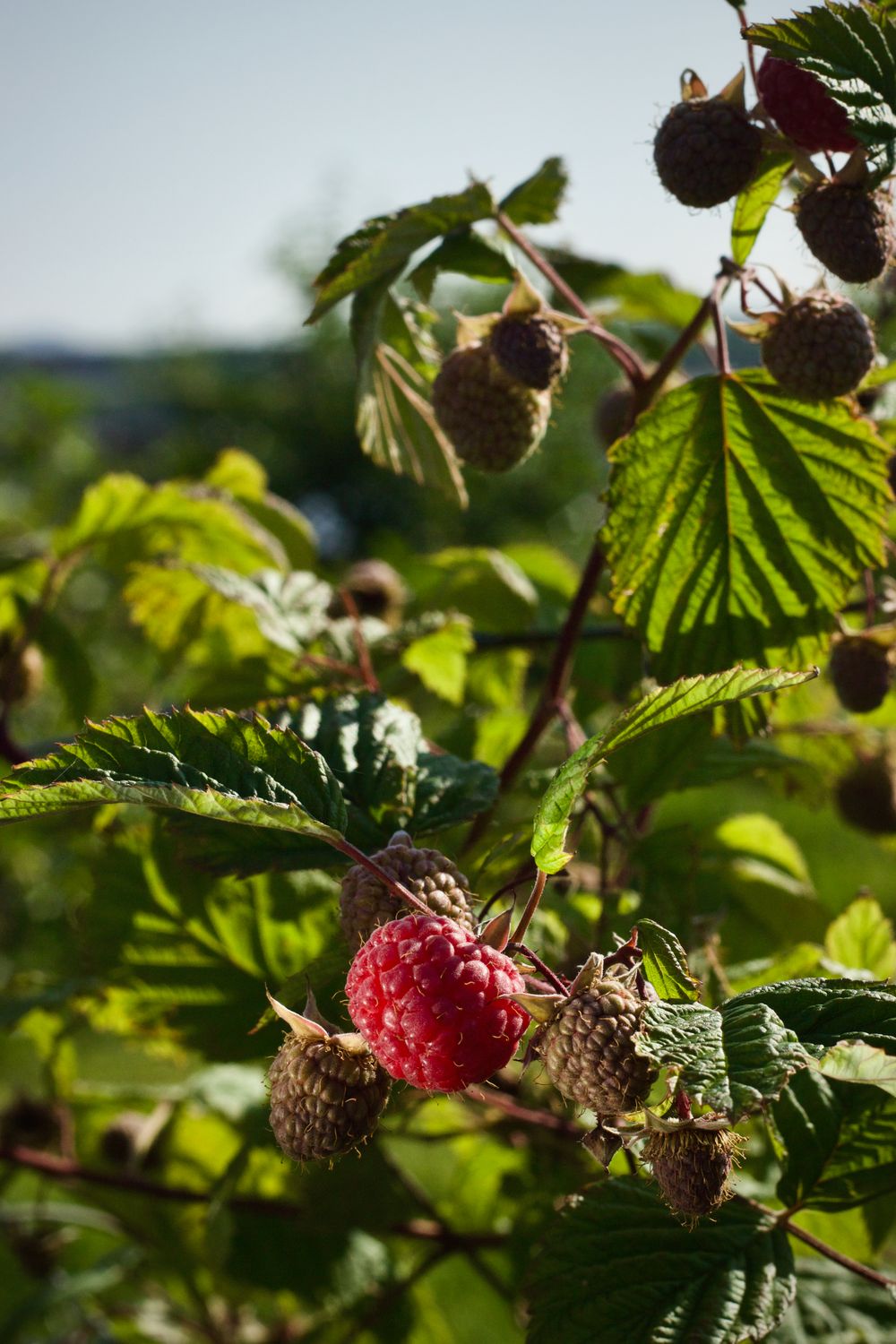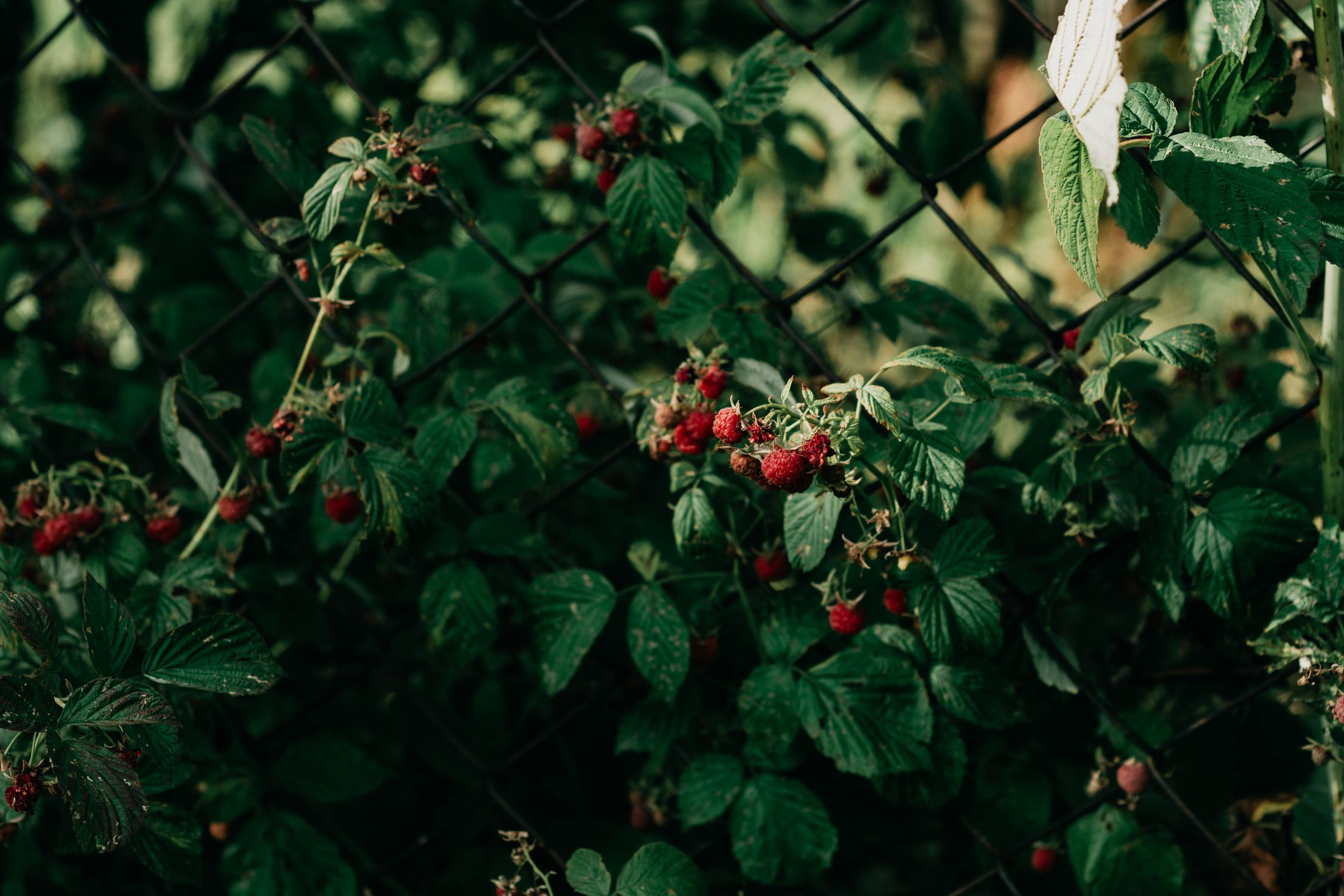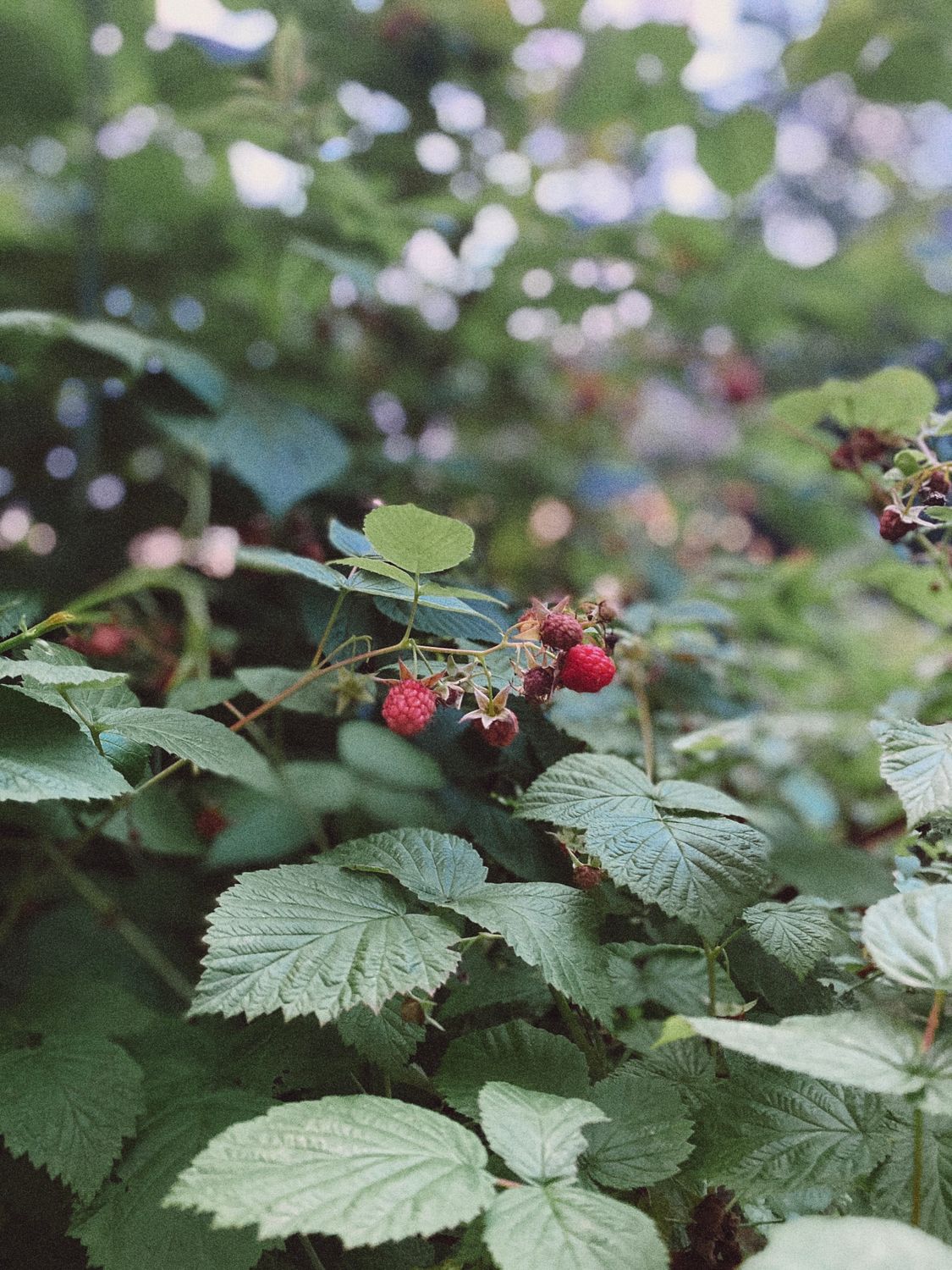
Raspberries grow well across most of the UK and, once established, a healthy cane patch crops reliably for a decade or more. The main thing to understand before you start is that there are two distinct types — summer-fruiting and autumn-fruiting — and they need different pruning, so getting that distinction clear early saves a lot of confusion later.
Summer vs Autumn Raspberries
The first thing worth understanding is that raspberries come in two camps, and the difference shapes everything else. Summer-fruiting varieties carry their fruit on canes that grew the previous year, cropping from late June to August — Glen Ample, Glen Moy, and Tulameen are the popular UK names. Autumn-fruiting types, on the other hand, fruit on the current season's growth and crop from August to October; Autumn Bliss, Polka, and Joan J are all excellent choices.
My advice? Plant some of each. Do that and you'll be picking fresh raspberries from late June right through to the first frosts, which is about as long a season as any fruit in the garden will give you.
Choosing the Right Site
Raspberries are happiest in a sunny or partially shaded spot with some shelter from strong winds. They like slightly acidic, well-drained soil that's rich in organic matter, and the one thing they really won't forgive is waterlogged ground — sit them in a puddle and root rot will see them off.
If you're on heavy clay, as so many of us are, raise the bed or plant in raised rows to get the drainage moving. And don't write off containers: raspberries do surprisingly well in a large pot of ericaceous or multipurpose compost, which is handy if space is tight.
Planting and Support
Plant bare-root canes between November and March, while they're dormant. Space them 40 to 50 centimetres apart in rows at least 1.8 metres apart, set the canes about 5 centimetres deep, and then — this bit always feels brutal — cut them back to around 25 centimetres after planting. Trust me, it's the right thing to do.
Summer-fruiting raspberries will need something to lean on — mine flop all over the place the moment I leave them to their own devices. The simplest setup is a post-and-wire framework: drive sturdy posts in at each end of the row and stretch horizontal wires at 60 centimetres, 1 metre, and 1.5 metres high. Autumn types are tidier and can often get by without it.
Pruning Made Simple
Pruning sounds like the scary part, but it really comes down to two simple rules depending on your type. For summer-fruiting canes, once you've finished harvesting, cut the canes that fruited right down to ground level and tie in the strongest new canes to your support wires — those are next year's crop. For autumn-fruiting canes, it's even easier: in February, simply cut everything to the ground. Fresh canes grow up and fruit the same year. Switching more of my own canes over to autumn-fruiting was the best lazy-gardener decision I ever made — one chop and you're done, no agonising over which canes to keep.
Feeding and Watering
In early spring, give them a general-purpose fertiliser and a thick mulch of well-rotted compost or bark chippings. After that, water regularly through dry spells, paying particular attention when the fruits are forming — that's when a little thirst really tells on the harvest.
Harvesting Your Crop
You'll know a raspberry is ready when it slips away easily from its central plug with a gentle tug. During peak season, pick every two or three days — they wait for no one. And the reward is real: a mature row of just three metres can give you five kilograms or more of fruit in a season, which is a remarkable return on a strip of ground that narrow.
Common Issues
It's not all plain sailing, though raspberries give little trouble overall. Raspberry beetle is the usual culprit, leaving small grubs inside the fruit, and on older plantings you may meet cane blight and spur blight. And then there's the suckering: I'm forever yanking stray canes out of the lawn, the path, and next door's border, because raspberries spread wherever they please. The biggest nuisance, in my experience, is the birds — they adore raspberries every bit as much as we do, so netting really is essential if you want any for yourself.
Getting Started
So there it is. A row of canes planted this winter will reward you with abundant harvests for ten years and more — few things in the garden offer that kind of return for so little effort. Choose a mix of summer and autumn varieties for the longest possible picking season, and you'll wonder why you ever bought a punnet. Happy growing.
Don't have canes yet? My guide to where to buy raspberry canes covers summer vs autumn varieties and what a bundle should cost.
Frequently Asked Questions
How long do raspberry canes take to produce fruit?
Autumn-fruiting raspberries can produce a small crop in their first year. Summer-fruiting varieties produce nothing in year one, then crop reliably from year two onwards. After that, a well-fed and properly pruned patch will keep fruiting for ten years or more without needing to be replanted.
Do summer and autumn raspberries need different pruning?
Yes, and getting this wrong is the most common raspberry mistake. Summer varieties fruit on last year’s canes, so you cut those out after harvest and keep the new green growth. Autumn varieties fruit on this year’s canes, so you cut everything to the ground in late winter. My raspberry pruning guide walks through both methods step by step.
Can I grow coloured raspberries in the UK?
Yes — gold, amber, white, purple and black raspberries all grow in the same conditions as standard red varieties, with no special treatment needed. Many people find the flavour noticeably different from red types. My guide to coloured and unusual raspberries covers the main varieties worth growing.
Can I grow raspberries in a small garden?
Yes. Autumn-fruiting varieties in a large container or raised bed work well if space is limited. A single row of six canes takes up very little ground and will still give a useful harvest each season. Good drainage and consistent watering matter more than ground space.
More in this series: Pruning Raspberries: Summer vs Autumn Varieties Explained • Beyond Red: The Surprising World of White, Gold, and Black Raspberries
Raspberries span a good chunk of the calendar themselves, with summer and autumn-fruiting types between them covering months of picking. My month-by-month guide to what's in season shows exactly how they overlap with everything else in a British fruit garden.