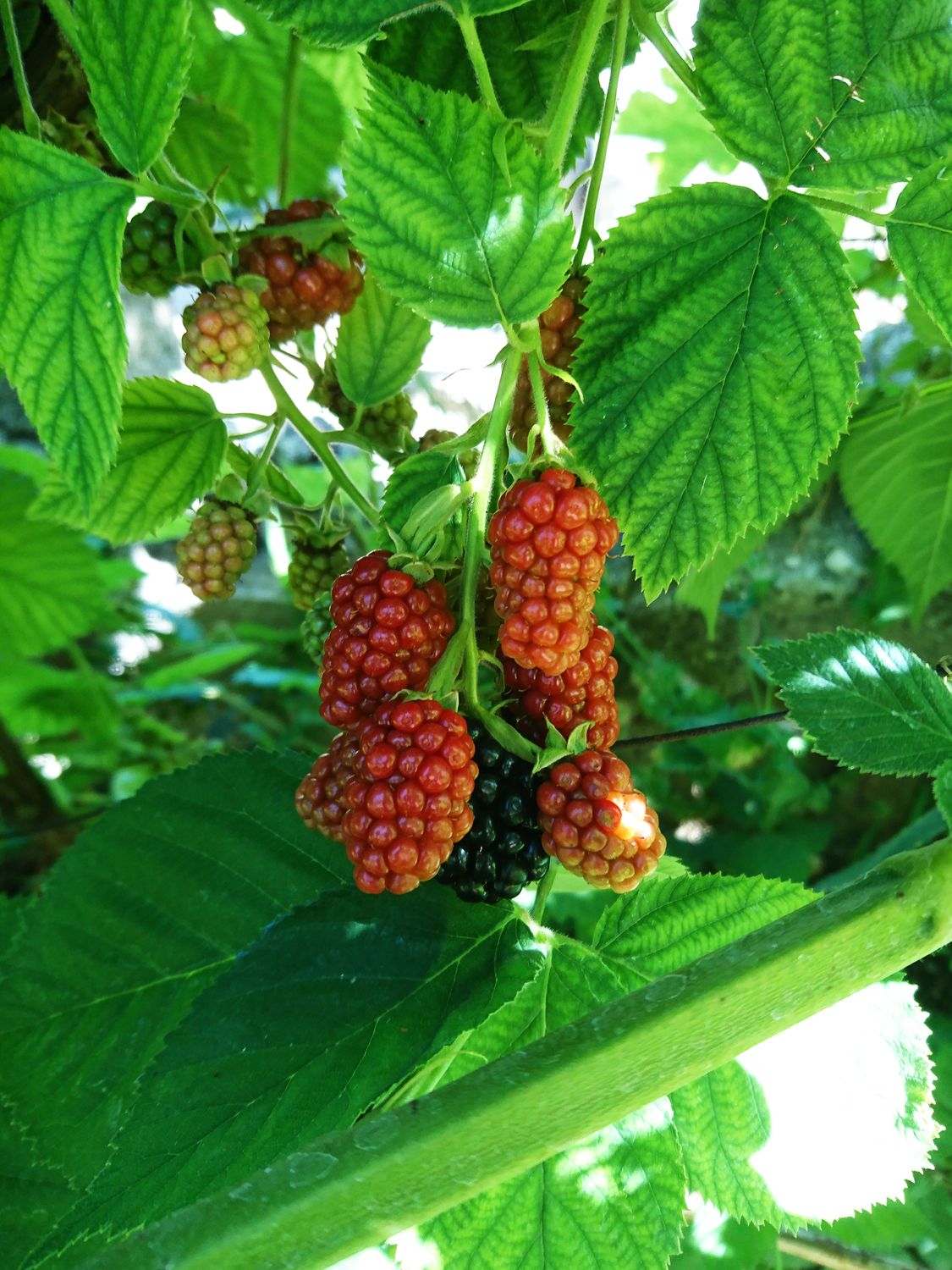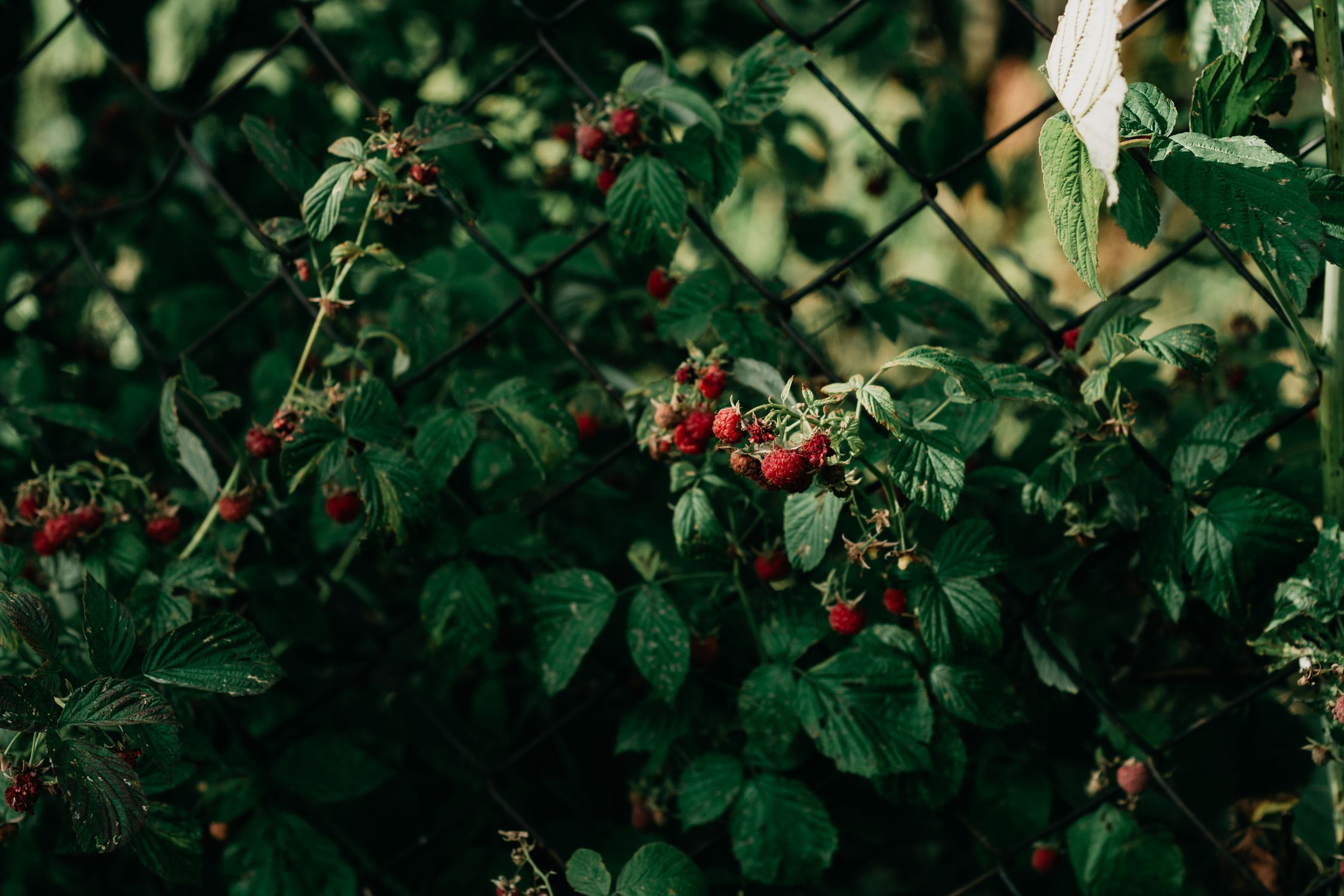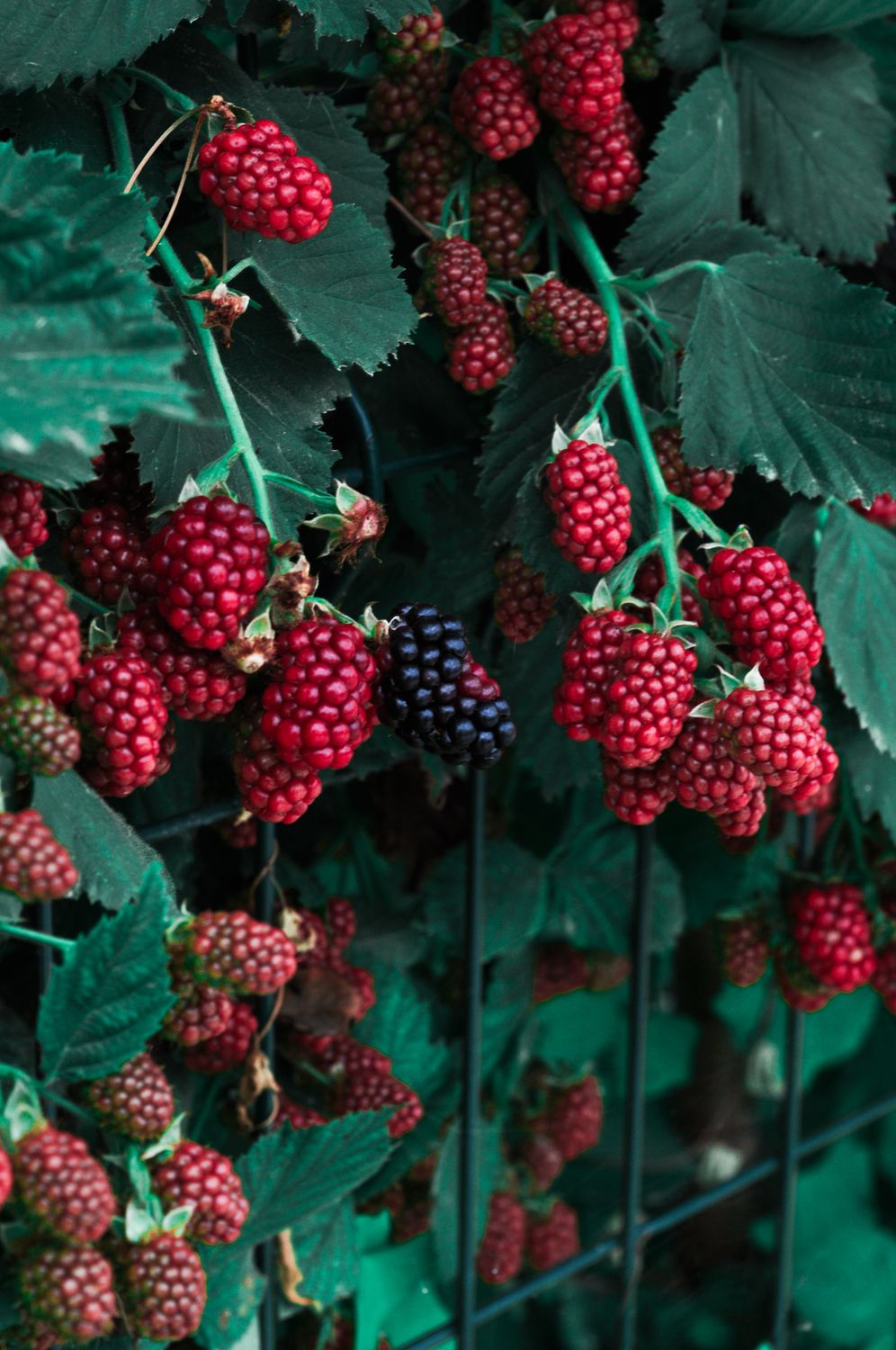
The tayberry has a fair claim to being the best-flavoured cane fruit you can grow in Britain — and you will almost never find one in a supermarket, because the ripe fruit is far too soft to transport. Growing your own is essentially the only way to eat them, which makes the first question the practical one: where do you actually buy a tayberry plant, what should it cost, and which variety should you ask for? Having been through this myself (and covered the growing side in my complete tayberry guide), here are the honest answers.
Which Tayberry Variety Should You Buy?
There are only two names you'll realistically encounter, and the choice between them matters more than where you shop:
- Buckingham Tayberry — the thornless one, and the variety I'd point most gardeners toward. Completely smooth canes with the full tayberry flavour, discovered as a thornless sport of the original. Tayberries need constant handling — tying in, pruning, picking — and after one season you'll understand why thornless is worth seeking out. It's sometimes listed simply as "Tayberry Buckingham" or "thornless tayberry".
- Medana Tayberry — the original clone from the Scottish Crop Research Institute, sold under the Medana trade name. Thorny, vigorous, very slightly heavier-cropping by reputation. If a listing just says "tayberry" with no variety name, this is almost certainly what you're getting.
Both are self-fertile — one plant fruits perfectly well alone — and both need the same fence or wire support and the same prune-after-fruiting routine as a summer raspberry.
Where to Buy Tayberry Plants
Garden centres stock tayberries only sporadically — you might strike lucky in the bare-root season, but don't count on it. The reliable sources are the specialist mail-order fruit nurseries: the long-established names like Blackmoor Nurseries, Pomona Fruits, Ashridge Nurseries and Chris Bowers & Sons list tayberries most seasons, usually in both thorny and Buckingham forms, and the RHS plant shop and larger houses like Thompson & Morgan and Suttons carry them intermittently. Ordering from a fruit specialist gets you a properly grown, virus-free cane at the right planting time — worth more than any garden-centre convenience.
As with all cane fruit, one plant is genuinely enough to start: a mature tayberry covers two to three metres of fence and yields 3–5kg in a good year.
Bare-Root or Potted?
The same logic applies here as in my loganberry buying guide, so briefly: bare-root canes (November–March) are cheaper, establish faster and offer the better variety choice; potted plants cost a few pounds more but can go in almost year-round. Expect to pay roughly £12–£16 for a bare-root tayberry and £16–£25 potted, with Buckingham sometimes carrying a small thornless premium. Either way, the first proper crop comes in the second summer — tayberries fruit on the previous year's canes, so year one is all growth.
What to Check Before You Buy
- A named variety — "Buckingham" or "Medana" on the label, not just "tayberry".
- Certified virus-free stock — standard from reputable fruit nurseries, not guaranteed from marketplace sellers. Cane fruit viruses are incurable and arrive with the plant.
- Two or three fat buds at the base of a bare-root cane — that's where next year's growth comes from. A long whippy top matters far less.
- Realistic pricing — very cheap tayberries from auction sites are usually tiny plugs or, worse, mislabelled brambles. One good cane from a specialist beats three mystery plants.
Can You Buy Tayberry Fruit Instead?
Barely. Fresh tayberries appear fleetingly at farm shops and pick-your-own farms in July, and that's about it — the softness that makes them magnificent to eat makes them impossible to distribute. Even frozen tayberries are a rare find. This is the whole argument for the plant: £15 once, a bit of fence, and from the second July onward you'll pick kilos of a fruit that effectively cannot be bought. If you're still weighing a tayberry against its relatives before ordering, loganberry vs tayberry vs boysenberry compares all three, and the hybrid berry family tree explains where each one came from.
Frequently Asked Questions
How much does a tayberry plant cost in the UK?
Around £12–£16 for a bare-root cane from a specialist fruit nursery, or £16–£25 for a potted plant, with the thornless Buckingham form sometimes a pound or two more. Delivery typically adds £5–£7, so pairing it with a second fruit plant in the same order makes sense.
Is the Buckingham tayberry as good as the original?
Yes — flavour and cropping are effectively identical to the thorny Medana original; Buckingham arose as a natural thornless sport rather than a re-bred variety, so the fruit is the same berry on friendlier canes. Unless you're deliberately growing a barrier hedge, the thornless form is the sensible buy.
Do you need two tayberry plants to get fruit?
No — tayberries are fully self-fertile, so a single plant crops well alone. Buy two only if you want more than one fence-length of fruit, and space them at least two metres apart.
When should I order a tayberry plant?
Pre-order from a fruit nursery in early autumn for bare-root delivery from November — thornless stock in particular can sell through by mid-winter. Plant any time between November and March when the ground isn't frozen, and expect the first real harvest the second July after planting.