You've decided to grow a loganberry — good decision, and my complete growing guide will take you from planting hole to first harvest. But first you need an actual plant, and this is where most people stall. You won't find loganberry canes sitting next to the strawberries in the supermarket, and even big garden centres treat them as an occasional novelty. Here's where to actually buy one, what you should pay, and the one decision (thorned or thornless) to make before you spend anything.
Can You Buy Loganberry Plants in Garden Centres?
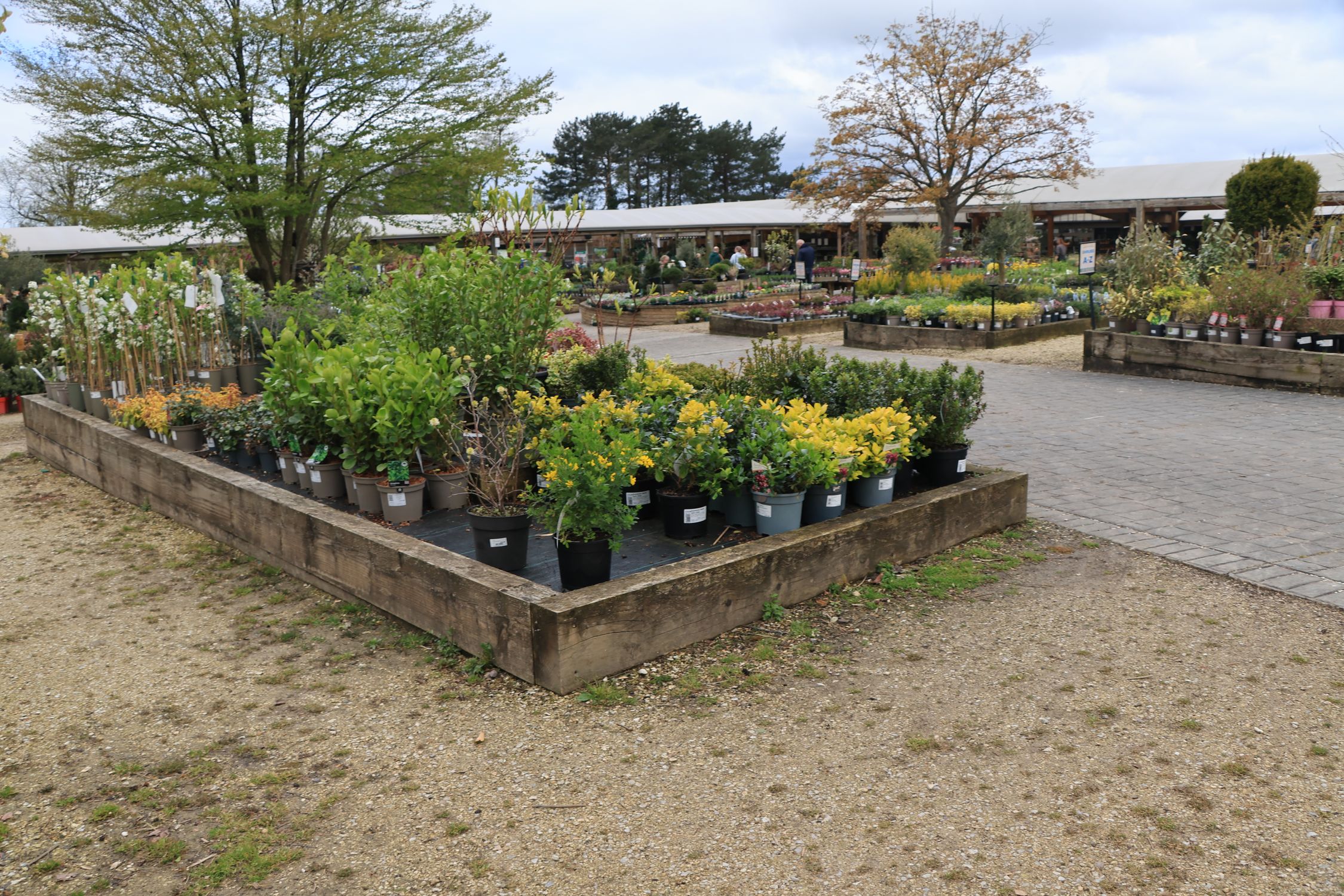
Sometimes — but don't build your weekend around it. The larger chains stock cane fruit in two windows: bare-root season (roughly November to March) and a smaller spring delivery of potted canes. Even then, loganberries are a maybe. You'll reliably find raspberries and blackberries; the hybrid berries come and go depending on what the buyer ordered that year.
If you do spot one in a garden centre, check the label carefully. You want a named variety (more on that below), not just "loganberry", and a cane with two or three strong buds at the base rather than one long whip that's been in the pot too long.
Where Are the Best Places to Buy Loganberry Plants Online?
Specialist fruit nurseries are the honest answer. They graft, propagate and cold-store their own stock, the plants arrive at the right time for planting, and the varieties are true to name. In the UK, the names worth knowing are the long-established mail-order fruit specialists — the likes of Blackmoor Nurseries, Pomona Fruits, Ashridge Nurseries and Chris Bowers & Sons all list loganberries most seasons, and the RHS's own plant shop usually carries the thornless form.
The bigger seed-and-plant houses (Thompson & Morgan, Suttons, YouGarden and similar) also sell loganberry canes in season, usually as potted plants. They're perfectly decent, though the canes tend to be smaller than specialist stock — expect an extra year before full cropping.
Whoever you buy from, one plant is genuinely enough. A mature loganberry covers three metres of fence and gives 4–5kg of fruit — and it's self-fertile, so it needs no pollination partner.
Should You Buy Bare-Root or Potted Canes?
Bare-root, if the calendar lets you. Bare-root canes are sold while dormant (November to March), cost noticeably less than potted plants, establish faster because the roots grow straight into your soil rather than circling a pot, and the range of varieties is wider. The only downside is the planting window — they must go in while dormant.
Potted canes are available for a longer stretch of the year, can be planted any time the ground isn't frozen or baked, and are the right call if you're reading this in May and don't want to wait until November. You pay a little more for the convenience.
| Bare-root | Potted | |
|---|---|---|
| When to buy | November–March | Most of the year |
| Typical price | £10–£15 per cane | £15–£25 per cane |
| Establishment | Fast — roots straight into soil | Slower if pot-bound |
| First proper crop | Second summer | Second summer |
Which Loganberry Variety Should You Buy?
There are really only two choices, and one of them wins for almost everybody:
- LY654 (Thornless Loganberry) — the one to buy. Completely smooth canes, full loganberry flavour, and every bit as productive as the thorned form. Picking, pruning and tying-in a loganberry means handling the canes constantly; after one season with a thorned plant you will understand why this variety exists. It holds the RHS Award of Garden Merit, and it's the form most nurseries now sell by default.
- LY59 — the original clone, thorned, and by reputation very slightly heavier-cropping. Some old hands swear the flavour is a shade better. Unless you're sentimental about provenance or building a security hedge, the extra scratches aren't worth it.
If a listing just says "loganberry" with no variety name, ask — or shop elsewhere. And if you're still weighing a loganberry against its cousins, my loganberry vs tayberry vs boysenberry comparison settles which hybrid berry earns the fence space.
How Much Do Loganberry Plants Cost?
As of this season: £10–£15 for a bare-root cane from a specialist nursery, £15–£25 for a potted plant, with the thornless form sometimes carrying a pound or two of premium. Delivery on plants typically adds £5–£7, so it's worth adding a second fruit plant to the order to earn the postage.
Treat anything much cheaper with suspicion — very cheap canes are usually tiny plugs that need two years of nursing before they resemble a plant. One good cane beats three cheap ones every time.
Can You Buy Loganberry Fruit Instead of Growing It?
Barely — and this is the quiet truth behind the whole question. Fresh loganberries are almost never sold in shops because the ripe fruit is too soft to transport. Your realistic options are a farm shop or pick-your-own in July if you're lucky enough to live near one that grows them, the occasional tinned loganberries from specialist grocers, or frozen from a handful of online fruit suppliers.
Which is exactly why the plant is worth buying. One £12 cane, one sunny fence, and from the second summer onward you'll pick kilos of a fruit that money mostly can't buy. Follow the planting guide, prune once a year, and the plant will outlast most of the fence panels behind it.
When Is the Best Time to Order?
Order bare-root canes in early autumn for November delivery — specialist nurseries take pre-orders from late summer, and the thornless loganberry sells through most years. Plant between November and March, and the cane fruits properly from its second July. If it's spring or summer now, either order a potted plant for immediate planting or set a reminder for September and get the better bare-root cane. Either way, the sooner it's in the ground, the sooner you're picking.