Ask what a boysenberry actually is and most people — including plenty who grow them — can't tell you. The hybrid berries are a tangled family of crosses and back-crosses stretching over 140 years, and the internet is full of half-right answers about what crossed with what. Having grown most of this family and written full guides on each member, here's the complete, accurate family tree in one place: every raspberry-blackberry hybrid you can grow in Britain, what it came from, and how they differ.
Where It All Started: The Loganberry (1881)
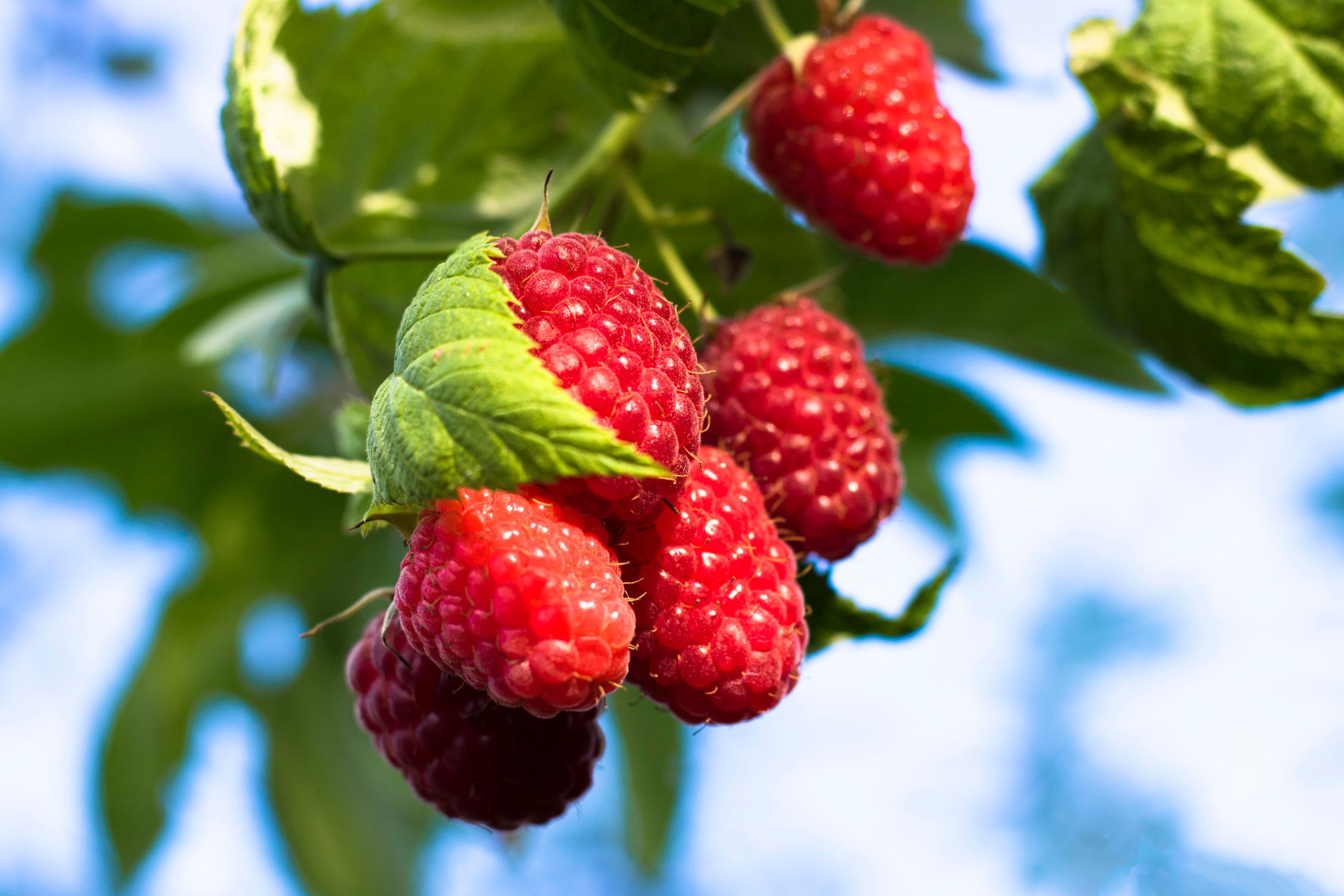
Every berry on this page descends, one way or another, from a happy accident in a California garden. In 1881, Judge James Harvey Logan of Santa Cruz planted raspberries next to a blackberry variety called 'Aughinbaugh', and the seedlings that came up between the rows were something new: the loganberry (Rubus × loganobaccus) — a cross between the European raspberry and a wild American blackberry. Long, wine-red, tart and superb for cooking, it reached Britain within a decade and has been a garden staple ever since. My complete loganberry guide covers growing it.
The Family Tree at a Glance
| Berry | What it actually is | Origin |
|---|---|---|
| Loganberry | Raspberry × blackberry ('Aughinbaugh') | California, 1881 |
| Youngberry | Blackberry-dewberry cross × loganberry | Louisiana, 1905 |
| Boysenberry | Complex cross — generally accepted as loganberry × blackberry × raspberry (with dewberry in the mix) | California, 1920s |
| Olallieberry | Youngberry × loganberry descendant ('Black Logan') | Oregon, 1937 |
| Marionberry | 'Chehalem' × 'Olallie' blackberries (loganberry in its ancestry) | Oregon, 1956 |
| Silvanberry | Boysenberry-youngberry cross × marionberry parentage | Australia, 1975 |
| Tayberry | Blackberry ('Aurora') × raspberry (a fresh cross, not a loganberry descendant) | Scotland, 1979 |
| Tummelberry | Tayberry × tayberry sibling seedling | Scotland, 1980s |
The American Line: Youngberry, Boysenberry, Olallieberry, Marionberry
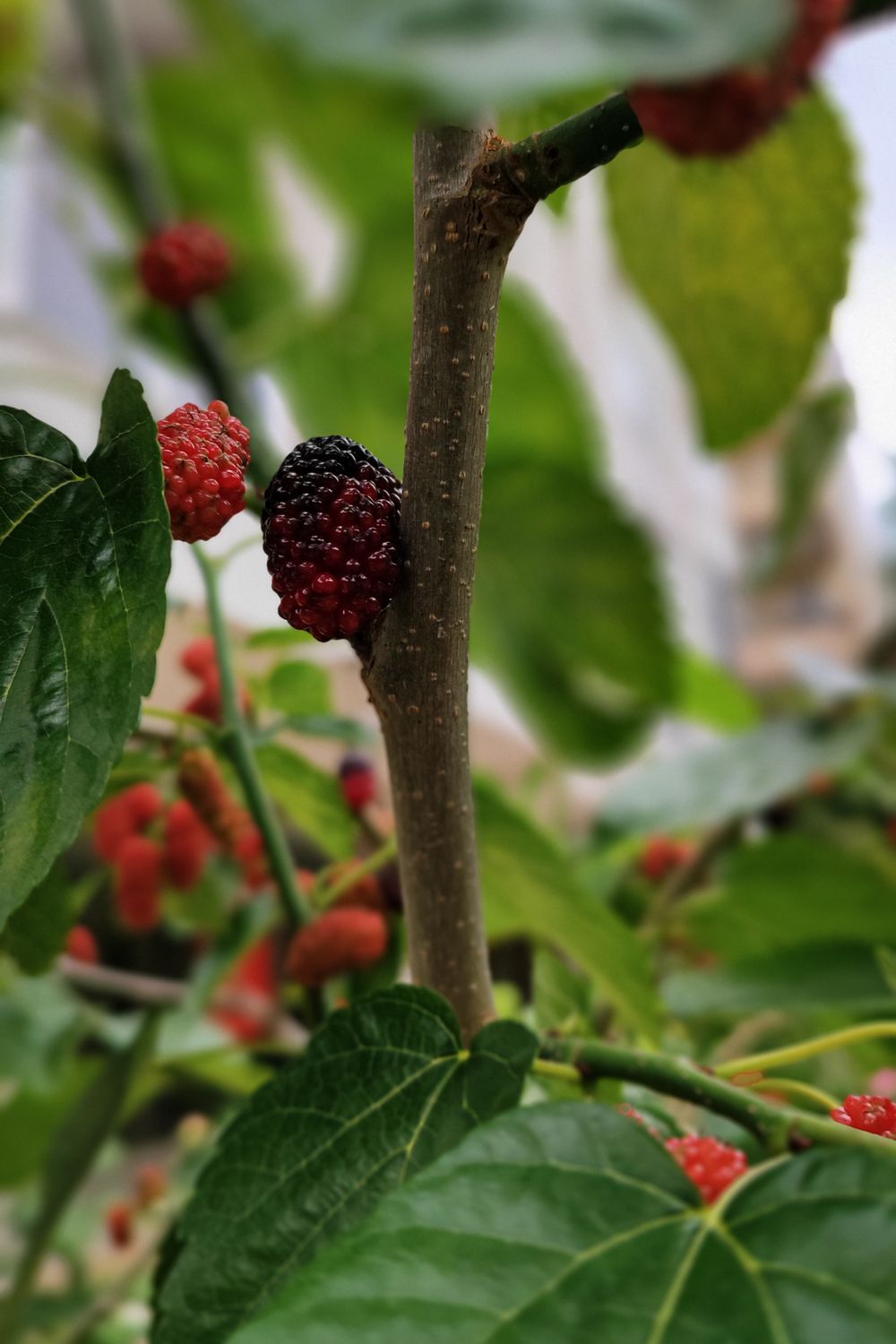
The half-century after Logan's discovery was spent recrossing his berry with everything to hand. The youngberry (1905) crossed a blackberry-dewberry hybrid with the loganberry, producing a sweeter, darker fruit. The boysenberry — the most famous of the lot — emerged from Rudolph Boysen's California orchard in the 1920s; its exact parentage was never recorded, but the accepted answer is a cross involving loganberry, blackberry, raspberry and dewberry. Large, deep maroon, sweet-sharp and aromatic, it's the one hybrid with genuine name recognition thanks to Knott's Berry Farm, which rescued Boysen's dying vines and named the berry after him. My boysenberry guide covers its British comeback.
The olallieberry (1937) crossed a youngberry with a loganberry descendant, and the marionberry (1956) — today around half of Oregon's entire blackberry harvest — carries olallieberry, and therefore loganberry, in its ancestry. Australia joined in with the silvanberry in 1975, one of the largest cane fruits you can grow.
The Scottish Line: Tayberry and Tummelberry
Nearly a century after Logan, the Scottish Crop Research Institute went back to first principles and made a fresh raspberry × blackberry cross using modern parents — and arguably beat the original. The tayberry (1979, named for the River Tay) is sweeter and more aromatic than the loganberry, and many growers — me included — rate it the finest-flavoured hybrid of all. Its sibling the tummelberry followed in the 1980s, trading a little flavour for better disease resistance in wet summers. The tayberry guide and tummelberry comparison cover both.
Which Hybrid Should You Actually Grow?
They all grow the same way — long canes on a fence or wires, fruiting on last year's growth, pruned like a summer raspberry — so the choice comes down to flavour and conditions. My detailed three-way comparison, loganberry vs tayberry vs boysenberry, settles the main event, but in one line each: loganberry for cooking and jam, tayberry for the best all-round flavour, boysenberry for sweetness, tummelberry for wet gardens, and the American rarities (olallieberry, marionberry, silvanberry) for collectors who want something almost nobody in Britain grows.
And if this whole family appeals, the unusual berries roundup maps everything beyond it — from wineberries to jostaberries.
Frequently Asked Questions
What is a boysenberry a hybrid of?
The exact cross was never recorded by Rudolph Boysen, but the generally accepted parentage is a complex hybrid of loganberry, blackberry, raspberry and dewberry. In practice it behaves like a large, sweet, aromatic loganberry — which reflects the loganberry parent that almost certainly anchors its ancestry.
What is a loganberry a cross between?
A raspberry and a blackberry — specifically a European red raspberry and the American blackberry variety 'Aughinbaugh', crossed accidentally in Judge James Logan's Santa Cruz garden in 1881. It was the first recorded raspberry-blackberry hybrid and the ancestor of most that followed.
Are hybrid berries genetically modified?
No — every berry on this page is a traditional cross, made either by bees (the loganberry and boysenberry were both garden accidents) or by plant breeders hand-pollinating one parent with the other. It's the same process that gave us nearly every apple and rose variety, just applied within the Rubus family.
Can you cross a raspberry and a blackberry yourself?
In principle yes — they're closely related enough to hybridise, which is how this whole family exists. In practice the seedlings take years to fruit and the odds of beating a century of selective breeding are slim. Growing a tayberry gets you the best result of that experiment without waiting five years to taste your own.