The olallieberry is a blackberry hybrid bred in Oregon in the 1940s — a cross between a youngberry and a Chehalem blackberry — that produces large, jet-black fruit with a deep, sweet flavour and little of the tartness of a standard blackberry. It is fully hardy across most of the UK and grows in exactly the same conditions as an ordinary blackberry.
What Is an Olallieberry?
The olallieberry, pronounced oh-LA-lee-berry, was developed at Oregon State University in the 1950s by crossing a loganberry with a youngberry. Work out the genetics and it lands at roughly two-thirds blackberry and one-third raspberry. The name comes from the Chinook word olallie, meaning berry.
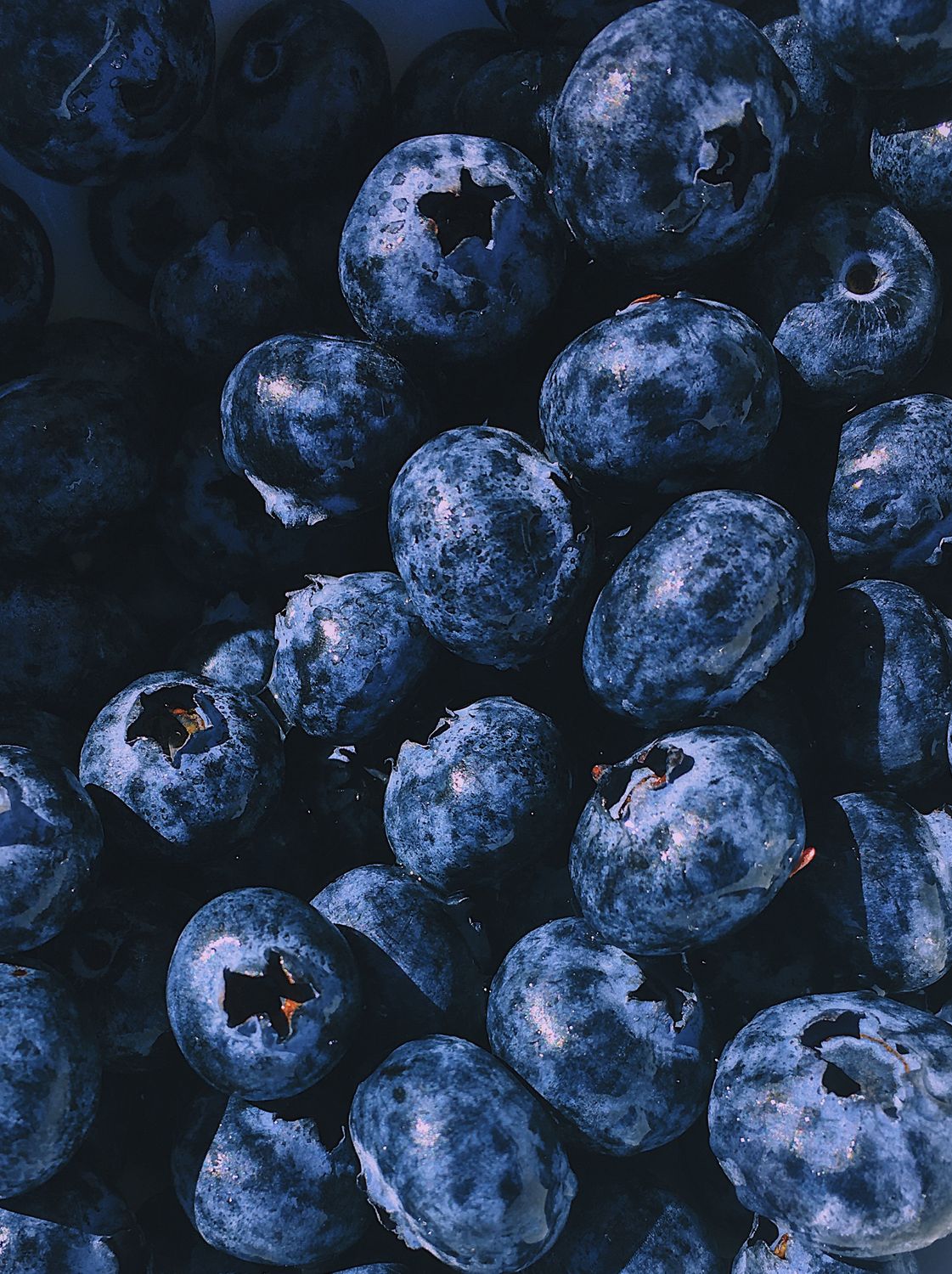
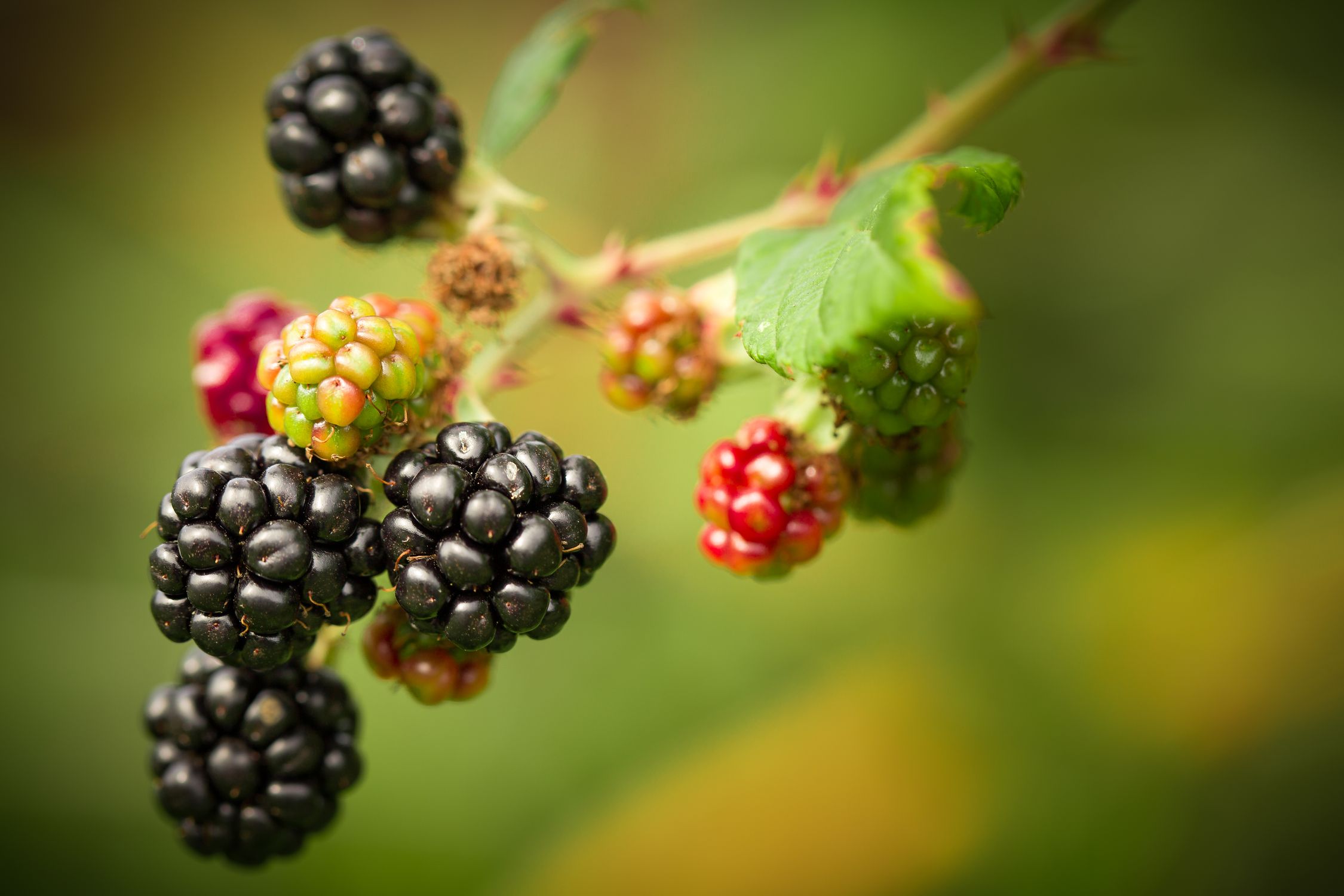
The fruit is large, elongated and a striking glossy black when ripe, like a blackberry but noticeably longer and more tapered. It's the flavour, though, where the olallieberry really sets itself apart: intensely sweet with a bright acidity, more complex than a blackberry, and with a juiciness that makes it superb both fresh and cooked.
From Oregon Labs to California Coast
Although it was bred in Oregon, the olallieberry found its spiritual home down the Californian coast between San Luis Obispo and Santa Cruz. That moderate maritime climate suited it perfectly, and by the 1970s the region's olallieberry farms were pulling in visitors from across the state.
Linn's in Cambria and Gizdich Ranch in Watsonville became legendary for their olallieberry pies. The berry's regional fame runs so deep that the San Luis Obispo area sometimes bills itself as the olallieberry capital of the world.
And here's the encouraging part for us: Britain's maritime climate, especially in the milder south and west, shares a great deal with that Californian coast the olallieberry loves. Cool, moist summers and mild winters suit it down to the ground.
Growing Olallieberries in the UK
Olallieberries grow on trailing canes very much like blackberries. They're fully hardy here and need the same basic support and training as any hybrid berry. Full sun gives you the best flavour and the heaviest crops, so a south or southwest-facing wall or fence is ideal, though they'll still crop in partial shade. They aren't picky about soil; any reasonably fertile, well-drained ground will do, with some compost or well-rotted manure dug in before planting. For support, use a post-and-wire system or train them against a fence, with wires at 60, 120 and 180 centimetres above the ground. Space the plants 3 metres apart, and don't worry about the gaps, because the vigorous canes will close them up within two seasons.
Planting and Training
Plant bare-root canes from November to March, or pot-grown plants whenever suits you. Once they're in, cut the canes back to about 25 centimetres to push strong new growth from the base.
I'd train them by the weaving method: thread the new canes along the bottom wire in their first year, then take them up through the higher wires the following spring. Fruiting happens on the previous year's wood, so the golden rule is to keep new and old canes separated, which makes the whole business far easier to manage.
Seasonal Care
In spring, mulch heavily with compost, tie in the new canes as they emerge, and give a general-purpose feed. Through summer, water deeply during dry spells while the fruit is swelling, and switch to a high-potash feed once flowering starts. Harvest comes from mid-July to late August, when the berries are fully black and pull away easily; pick every two to three days to keep on top of it. As soon as the last berries are off, cut the fruited canes down to ground level and tie in the new ones to take their place. Winter asks nothing of you at all, the plants being fully dormant and completely hardy.
Harvesting and Handling
Olallieberries ripen over a six to eight week stretch from mid-July. A ripe one is completely black with a high gloss and comes away with a gentle pull. They're a touch firmer than boysenberries, but still want careful handling.
Use or process them within a day or two of picking. I'd spread the fresh berries on a tea towel and refrigerate them unwashed. They also freeze well by the tray method: spread them on a baking sheet, freeze solid, then tip them into bags.
Culinary Uses
That balance of sweetness and acidity makes the olallieberry one of the most versatile berries you can bring into the kitchen. Pies and tarts are the Californian classic, and the filling holds its shape beautifully while needing less sugar than blackberry. The jam is gorgeous, a deep, jewel-coloured preserve with a complex flavour, though the natural pectin is only moderate, so add lemon juice or a little commercial pectin for a firm set. A quick sauce, the berries simmered with a splash of red wine and a spoonful of honey, is outstanding with duck, pork or venison. They hold up better than most blackberry hybrids in baking, so they're excellent in muffins, scones and crumbles, and they're simply superb eaten fresh, the sweetness and juiciness putting them among the best berries to graze straight off the plant. And if you want to go further, olallieberry vinegar, syrup, or shrub, a drinking vinegar, all show off that deep colour and balanced flavour beautifully.
How Does It Compare?
Anyone already growing blackberries or other hybrid berries tends to ask how the olallieberry measures up. On flavour, most people rate it above an ordinary blackberry and alongside or just below tayberry and boysenberry. Where it really wins is in its balance: sweeter than a loganberry, juicier than a blackberry, and more productive than a good many hybrid berries.
The canes are less thorny than wild blackberry, though not completely thornless, and the growth is vigorous without being as rampant as some blackberry varieties, which makes it a more manageable choice for a smaller garden.
Where to Source Plants
You won't find olallieberry plants on every garden centre shelf, but several specialist fruit nurseries either carry them or can track them down for you. Online suppliers sometimes list them under their synonym, olallie blackberry, so it's worth a search. My tip is to ask the nurseries that specialise in unusual and heritage fruit varieties.
A Taste of the Californian Coast
Growing olallieberries in Britain is a quiet little act of horticultural adventure, and I rather like that about it. This is a berry with a devoted following on the other side of the Atlantic, a rich history rooted in university breeding programmes and Californian coastal farms, and a flavour that genuinely earns its cult status. Give it a sunny British garden and it'll crop generously, ask for very little, and hand you one of the finest hybrid berries ever created.
Frequently Asked Questions
What does an olallieberry taste like?
Sweet, deep and slightly winey — often described as a richer, sweeter blackberry with more flavour length. It has less sharpness than a standard blackberry and more of the jammy complexity you find in a boysenberry. Eaten fresh it is one of the best blackberry-type fruits available; it also makes outstanding jam and pies.
How does the olallieberry compare to a boysenberry?
They are closely related and taste similar — both dark, sweet and richly flavoured — but the olallieberry tends to be slightly larger and more productive. The boysenberry has a faint raspberry note in the background and a slightly more complex flavour; the olallieberry leans more purely blackberry. Growing requirements are almost identical. If you can only grow one, availability will likely make the decision for you: boysenberries are marginally easier to source in the UK.
Can you grow olallieberries in the UK?
Yes. They are fully hardy across most of the UK and need the same conditions as a blackberry: a sunny or partly shaded spot, reasonable soil, and support for the long canes. The main challenge is sourcing plants. If you cannot find one, a boysenberry or tayberry will give you a very similar experience from plants that are far easier to find. For growing advice that applies to all of these hybrids, my loganberry growing guide covers conditions, training, pruning and care in detail.
Where can I buy olallieberry plants in the UK?
Specialist online fruit nurseries are the most reliable source — search specifically for "olallieberry plant UK" as garden centres rarely stock them. If you draw a blank, a loganberry or tayberry is a well-stocked alternative that any good fruit nursery will carry.