What Are Japanese Wineberries?
Japanese wineberries (Rubus phoenicolasius) are a species of cane fruit native to Japan, China and Korea that grows exceptionally well in UK gardens. The canes are covered in distinctive sticky red hairs, the fruit is small, intensely sweet and orange-red in colour, and the autumn foliage turns vivid shades of orange and red — making this one of the most ornamental fruiting plants you can grow alongside one of the most rewarding to eat.
Native to Japan, Korea, and northern China, it was brought to Europe in the 1890s as an ornamental, and one look tells you why. The arching canes are clothed in distinctive red bristly hairs that catch the sun and glow like burnished copper. Even in the depths of winter, when little else is doing anything, those ruby-red stems give the garden real structure and colour. Then summer comes and the canes hang with clusters of small, jewel-like orange-red berries, each one tucked inside a sticky calyx that peels back as the fruit ripens.
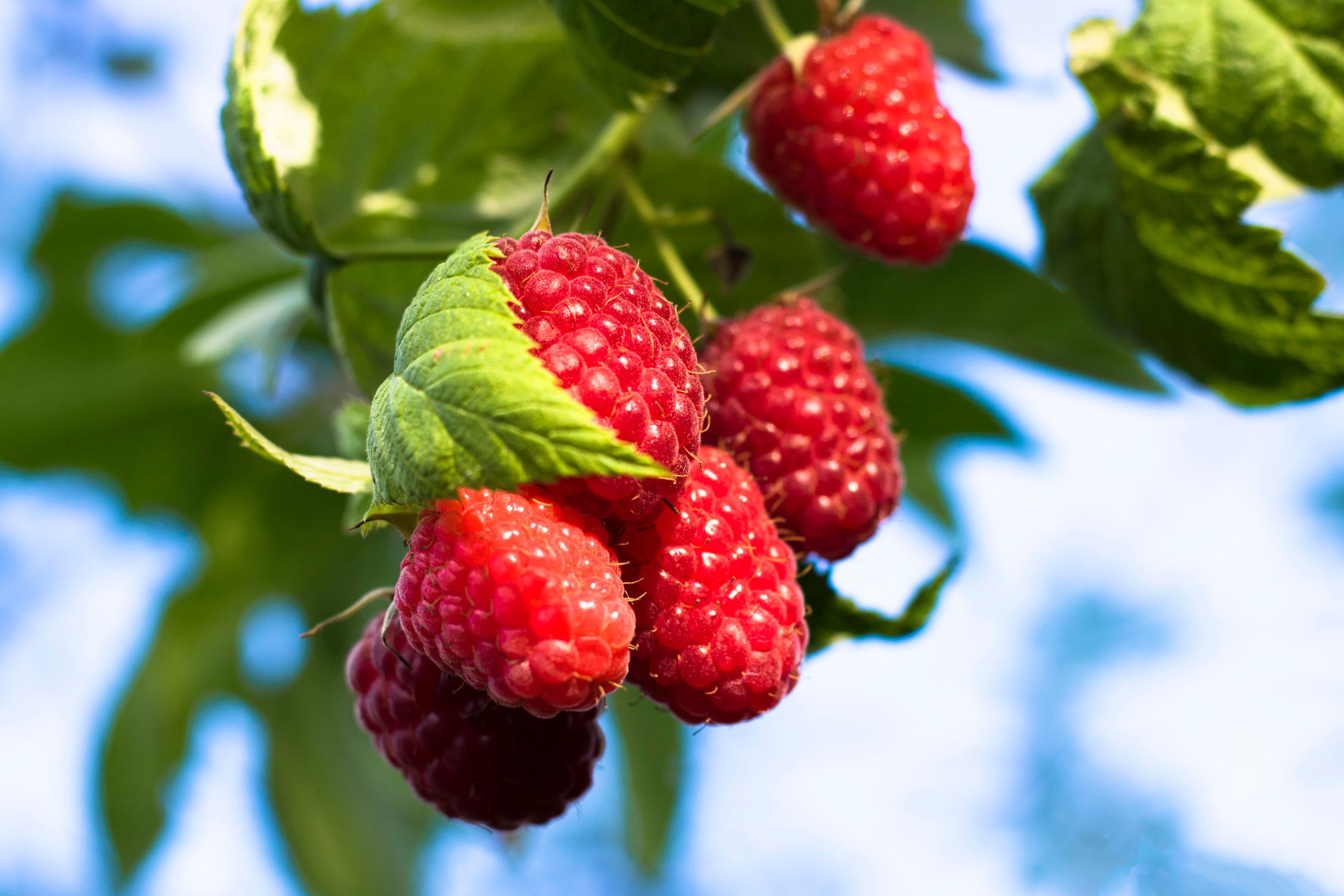
The berries are smaller than raspberries but sweeter and more delicate, with a gentle wine-like quality that gives the plant its name. Eaten warm, straight off the cane, they're a genuine joy.
How to Grow Japanese Wineberries in the UK
Site and Soil
Wineberries are about as accommodating as fruiting plants come. They'll take full sun or partial shade, and will even give you a reasonable crop in quite shady spots — which makes them perfect for that awkward north-facing fence, or the dappled ground beneath trees where most berries would only sulk. As for soil, they prefer something well-drained and moderately fertile with a neutral to slightly alkaline pH of 6.5 to 7.5, but in truth they'll grow happily in almost any reasonable garden soil. Just steer clear of ground that's permanently waterlogged, though I'll admit established plants are surprisingly forgiving of damp.
Planting
Plant bare-root canes between November and March, or pop in container-grown plants whenever you like. If you're after a hedge or screen, space them 45cm to 1m apart; for individual specimens, allow 1.5 to 2m. Clear out the perennial weeds first, work in plenty of well-rotted compost or manure, set the plant at the same depth as the nursery mark on the stem, and water it in well.
Training and Support
Like the rest of the Rubus clan, wineberries throw out arching canes that appreciate some support. You can train them along horizontal wires on a fence or wall, tie them to a simple post-and-wire system, or let them scramble through a hedge or over an arch — and they make a handsome informal hedge in their own right. The canes typically reach 2 to 3 metres and are moderately thorny, though those soft bristly hairs are nothing like as vicious as blackberry thorns.
Container Growing
If you're short on ground, a large container of 40 litres or more with an obelisk or small trellis works nicely. Use a good multipurpose compost and keep up the watering through the growing season. You won't get the crop you would from an open-ground plant, but it'll still be worthwhile — and honestly, the thing looks absolutely stunning on a patio.
Shade Tolerance
This is the wineberry's superpower, and worth dwelling on. Most berries demand full sun; wineberries will crop in partial shade and even light full shade. The harvest shrinks, yes, but the ornamental value of those glowing red stems doesn't dim one bit. For a shady garden, that alone makes them invaluable.
Best Varieties for UK Gardens
You won't find much fuss over named cultivars here — wineberries are almost always sold as the straight species, and the standard Rubus phoenicolasius is widely available and performs beautifully in UK conditions.
| Source | Notes | Supplier |
|---|---|---|
| Rubus phoenicolasius | The standard species. Vigorous, hardy, beautiful red stems, sweet orange-red berries in late summer. Widely available and very reliable in the UK. | Crocus, Victoriana Nursery, Chris Bowers, specialist nurseries |
Because this is a wild species rather than a bred cultivar, there's far less choice than with raspberries — but the species itself is so good that named varieties are really beside the point.
Care and Maintenance
Pruning
Wineberries fruit on two-year-old canes, the floricanes, exactly as raspberries do. So after you've harvested in late summer, cut every cane that fruited back to ground level and tie in the fresh new canes that grew this season — those carry next summer's crop. It's a once-a-year job that takes minutes, and I rather enjoy it.
Feeding and Mulching
Give them a balanced general-purpose fertiliser in early spring and a generous mulch of well-rotted compost or bark chippings around the base. They're not greedy plants, mind — in good garden soil they'll often thrive with little or no extra feeding at all.
Propagation
Wineberries multiply themselves with almost alarming ease through tip layering. The arching canes naturally bow down to touch the ground, root at the tip, and form new plants. If you want more, just let it happen and lift the rooted tips in autumn. If you'd rather keep things in check, cut the cane tips before they reach the soil. You can also propagate from root cuttings or by dividing established clumps in winter.
Pests and Diseases
One of the real pleasures of growing wineberries is how little bothers them. They shrug off nearly all the troubles that plague raspberries and blackberries. Raspberry beetle rarely touches them, and they're very resistant to the cane diseases — spur blight, cane blight, and cane spot. Slugs and snails seldom get a look in either, since the fruit is held well off the ground. Best of all, that sticky calyx wrapped around each berry until it ripens is a natural defence against birds, which means you may not even need netting — a genuine advantage over almost everything else in the fruit garden.
The one thing to keep an eye on is spread. Wineberries self-layer with great enthusiasm and will colonise ground if you let them, so trim those arching canes before they touch down if you want to keep them where you put them.
Harvesting, Storage, and Preserving
Wineberries ripen from late July to September here. They're ready when they turn a glossy orange-red and the sticky calyx peels back from the fruit, at which point a ripe berry comes away with the gentlest tug. The picking season is more drawn-out than raspberries, with berries ripening gradually over several weeks — a steady trickle rather than a glut.
They are delicate, though, and best eaten within a day of picking. That's reason enough to grow your own, because you certainly won't find them in the shops. When you do have a surplus, they freeze beautifully — spread them on a flat tray, then bag them up, and they'll keep for up to a year. Wineberry jam is a delight, with that delicate wine-like flavour; add a little lemon juice for pectin. And, true to the name, they make excellent homemade wine with a lovely rose colour, or stew gently with sugar for a gorgeous sauce to pour over ice cream or panna cotta.
Eating and Recipes
The flavour is sweet, mild, and delicate, noticeably less tart than a raspberry, with a subtle wine-like complexity — slightly floral, gently sweet, and free of the sharpness you get in loganberries or tayberries. The texture is much like a small raspberry, the tiny seeds barely noticeable. Fresh eating is where they truly come into their own: pick them warm from the garden and eat them on the spot. Children, in my experience, adore them.
Beyond that, scatter them over yoghurt, porridge, or granola for a beautiful and unusual breakfast topping, or fold them into summer puddings, trifles, and fruit salads alongside raspberries and strawberries, where their colour and gentle flavour set off the other berries a treat. Nutritionally they're a good source of vitamin C, antioxidants, and dietary fibre, too.
Foraging for Japanese Wineberries
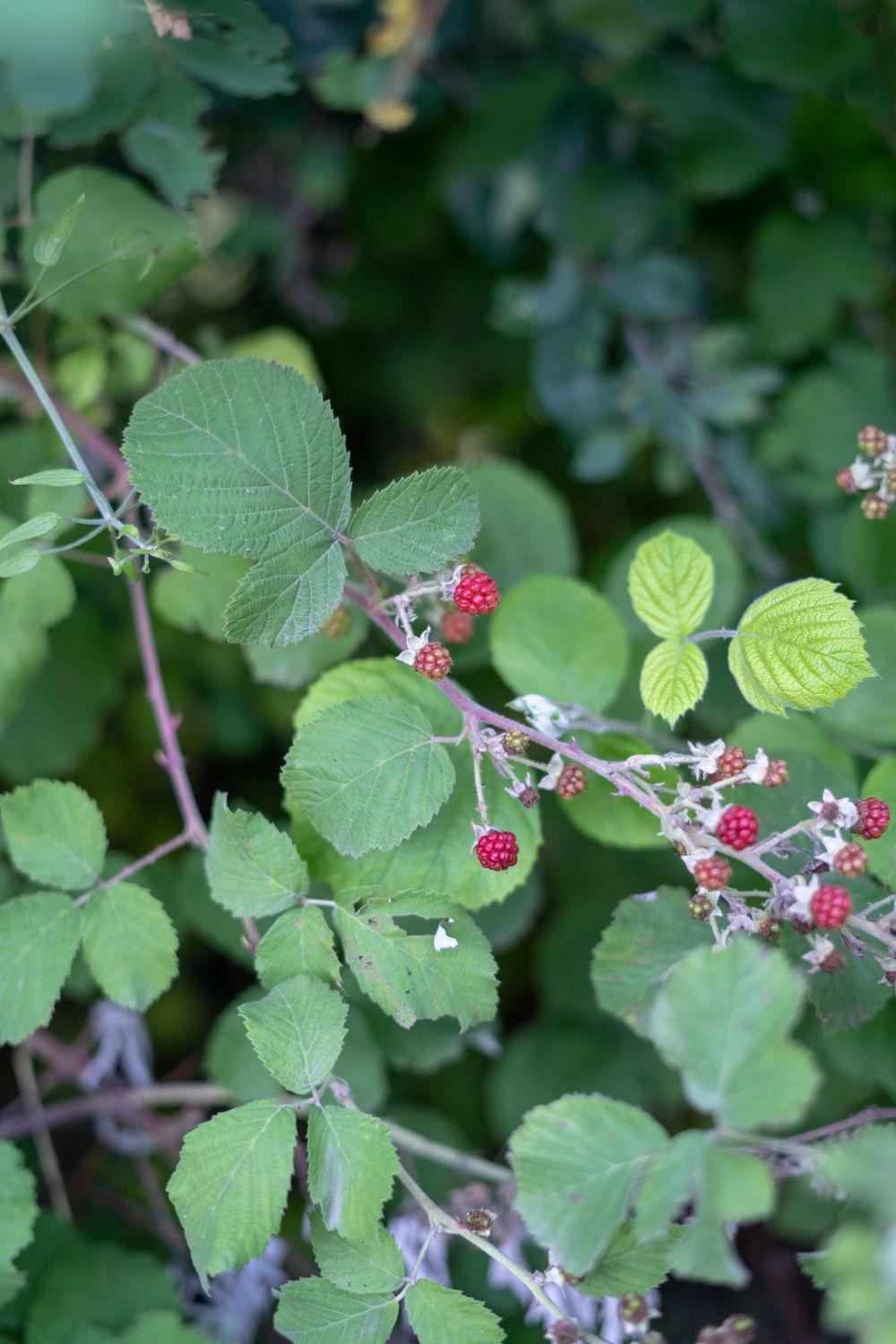
Wineberries have naturalised in parts of southern England and Wales, where you can sometimes find them growing wild in hedgerows, along woodland edges, and on waste ground. They're more common than people realise, often overlooked simply because they're less famous than wild blackberries or raspberries. Identification is easy: look for the distinctive red, bristly-haired stems, quite unlike any other wild Rubus, and those unmistakable orange-red berries in their sticky calyces.
A word of caution all the same: always forage responsibly. Only pick where you have permission, take only what you need, and be absolutely certain of what you're picking. Japanese wineberries have no dangerous lookalikes in the UK, but it's still good practice to keep a reliable field guide to hand.
Frequently Asked Questions
Are Japanese wineberries invasive in the UK?
They spread through self-layering and are considered invasive in parts of North America, but in the UK they're vigorous rather than troublesome and stay manageable in a garden setting. Cut the cane tips before they touch the ground and you'll prevent unwanted spread. They are not listed as an invasive species in the UK.
Can you grow Japanese wineberries in shade?
Yes — this is one of the best berries going for a shady garden. They'll crop in partial shade and even tolerate fairly deep shade, though yields drop accordingly. Those ornamental red stems look wonderful in shaded corners where they catch the winter light.
What do Japanese wineberries taste like?
Like a sweeter, milder raspberry with a subtle wine-like note. They're less tart than most berries and lovely eaten fresh, and children in particular tend to love them for that gentle sweetness.
Do Japanese wineberries need netting?
Often not. Each berry sits inside a sticky calyx until it ripens, which puts birds off the fruit, so many growers find they can do without netting altogether — a real bonus compared with most other berries.
When do Japanese wineberries fruit in the UK?
Typically from late July through September. The harvest is extended, with berries ripening gradually over several weeks rather than all in one rush.
How do you prune Japanese wineberries?
Simply. After harvesting, cut all the canes that fruited back to ground level and tie in the fresh new canes that grew during the current year — those will produce next year's fruit. The whole job takes just a few minutes once a year.
Frequently Asked Questions
Are Japanese wineberries the same as raspberries?
Not exactly — they are in the same genus (Rubus) and grow in a similar way, but they are a distinct wild species rather than a cultivated raspberry variety. The fruit resembles a small orange-red raspberry and the flavour is sweeter and more concentrated, with a distinctive sheen from the sticky calyx that opens as the berry ripens. Pruning, training and harvesting follow the same approach as for summer-fruiting raspberries. For the full picture on raspberry growing, my raspberry growing guide covers conditions and care that apply equally here.
When do Japanese wineberries ripen in the UK?
Typically July to August, making them mid-season between summer-fruiting and autumn-fruiting raspberries. The sticky red calyxes are visible for several weeks before the berries are ready — the fruit is ripe when the calyx opens and the berry inside turns a vivid orange-red. Once ripe they do not keep for more than a day or two, so pick and eat promptly or freeze immediately after picking.
Can I grow Japanese wineberries in a container?
Yes — they adapt well to large pots and the ornamental canes look good on a patio or courtyard wall. Use a 40-litre or larger container with John Innes No. 3 and train the canes against a wall or trellis. Feed weekly with a high-potassium liquid fertiliser from flowering to harvest and water consistently. They tolerate partial shade in containers better than most cane fruits, which makes them useful in spots where raspberries would struggle.
Are Japanese wineberries invasive in the UK?
Potentially, if unmanaged. They spread by tip layering (cane tips root where they touch the ground) and can self-seed in warm conditions. In practice this is easily controlled: cut back any cane tips touching the soil and remove unwanted seedlings as they appear. They are listed as invasive in parts of North America, but the UK climate is generally cool enough that uncontrolled spread is uncommon in garden conditions. They are far less problematic than nettles or brambles in a typical British garden.
More in this series: Boysenberries: The Forgotten Berry Making a Comeback in British Gardens • Olallieberries: California's Prized Berry You Can Grow in Britain • Tayberries: The Complete UK Growing Guide • Tummelberries vs Tayberries: Which Hybrid Berry Should You Grow?
Wineberries are one of the prettiest plants on my list of unusual berries worth growing in a UK garden, and if their bristled canes have caught your eye, that guide rounds up the other hybrids and exotic fruit that thrive alongside them here.