One of the questions I'm asked most often is some version of "I haven't really got a garden, can I still grow my own fruit?" And the answer, happily, is yes, far more than you'd ever expect. A paved yard, a balcony, a couple of pots by the back door, even a sunny windowsill ledge can produce a genuinely worthwhile harvest of berries. I've grown a good few of mine in containers over the years, partly for the convenience and partly because pots give you a level of control over soil and watering that you simply can't get in open ground. So if space is tight, don't write off the idea of homegrown fruit. Let me take you through the berries I'd actually reach for in a small space, and how to keep them happy in a pot.
Which berry should I start with in a small garden?
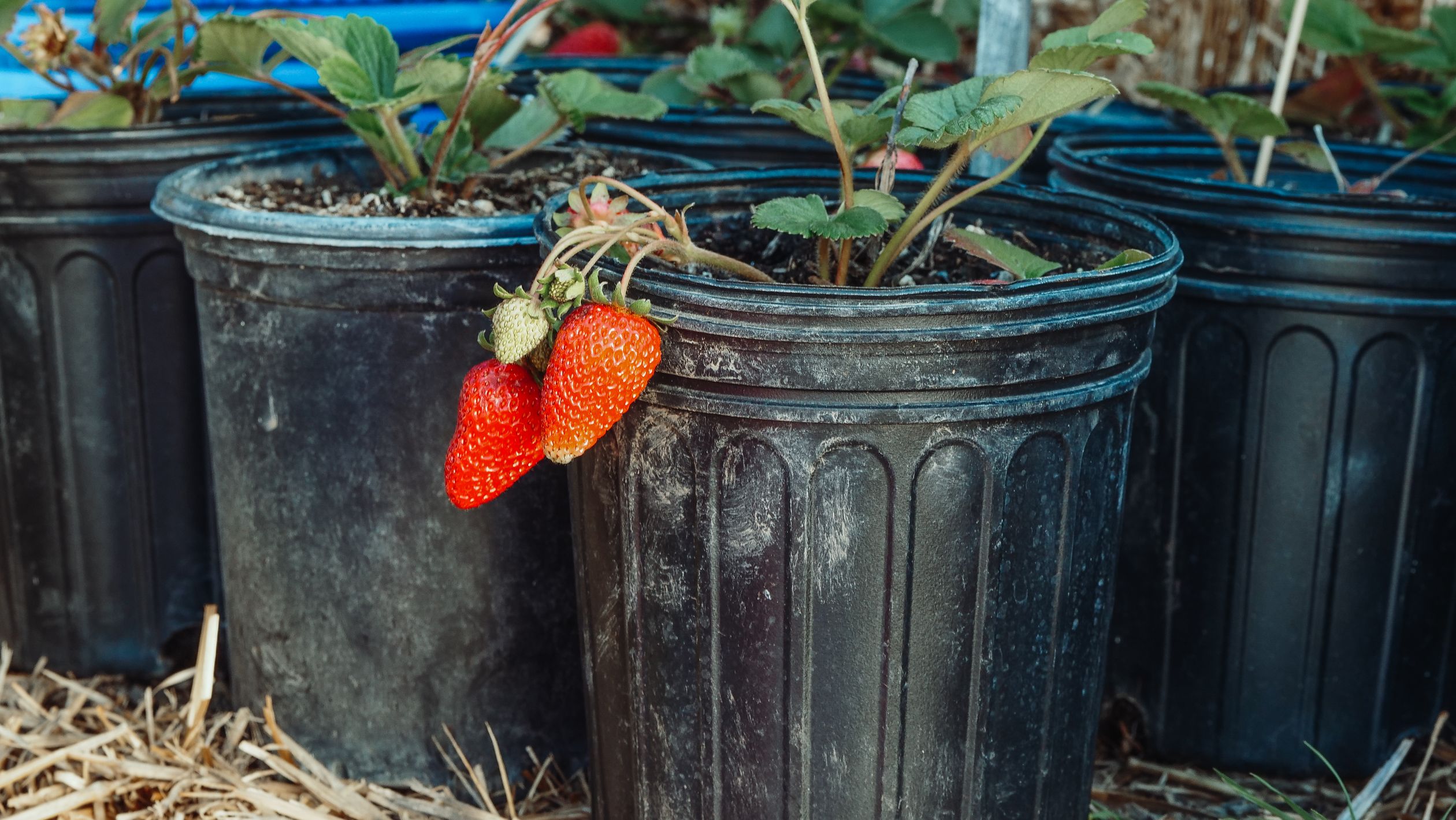
If you're new to this, start with strawberries. They are, without much competition, the most forgiving and rewarding fruit for small spaces, and they seem almost designed for container life. You can grow them in ordinary pots, in hanging baskets where the fruit dangles cleanly away from the soil, in window boxes, or in those tiered strawberry towers and planters that pack a lot of plants into a tiny footprint. They don't need much depth, they crop generously for the room they take, and there's something irresistible about picking a warm, ripe strawberry from a basket right outside the kitchen.
The one thing strawberries ask for is sun and steady watering. In a basket or shallow pot they dry out fast, so in the height of summer you may well be watering daily. Feed them with a high-potash tomato feed once they start flowering and you'll be well rewarded. Plants do tire after a few seasons, so it's worth refreshing them periodically, but for sheer bang-for-your-buck in a small space, nothing beats them.
Can you really grow blueberries in pots?
You absolutely can, and in many ways a pot is the ideal way to grow them. Blueberries need acidic soil, a pH of roughly 4.5 to 5.5, which most gardens simply don't offer. A container lets you give them exactly the conditions they crave by filling it with ericaceous (lime-free, acidic) compost. That control is a real gift, and it's why I'd happily recommend a potted blueberry even to someone with a full-sized garden.
For small spaces, look for the compact and patio varieties bred to stay neat. Top Hat is the classic dwarf example, a tidy little bush that's perfectly at home in a pot and won't outgrow a patio. Keep it in ericaceous compost, water with rainwater rather than tap where you can (tap water is often limey and slowly pushes the pH the wrong way), and feed with an ericaceous feed through the growing season. Give it a sunny, sheltered spot. Many blueberries crop better with a second variety nearby for pollination, so if you've room for two pots, you'll usually get more fruit for it.
What about raspberries and other cane fruit?
Traditional raspberries, with their tall canes and spreading habit, aren't the obvious choice for a balcony, but plant breeders have done small-space growers a real favour here. There are now dwarf and thornless patio raspberries bred specifically for containers, staying compact and manageable while still giving you a handful of that incomparable fresh-picked flavour. The thornless types are especially welcome when the plant is sitting right by a doorway or seating area where you'd otherwise be snagging yourself every time you passed.
Autumn-fruiting raspberries are particularly forgiving in pots because you cut all the canes down each winter, which keeps the whole thing tidy and removes any guesswork about pruning. Give them a decent-sized container, keep them well watered, and don't let them dry out while they're fruiting.
Are there berries for the more adventurous container grower?
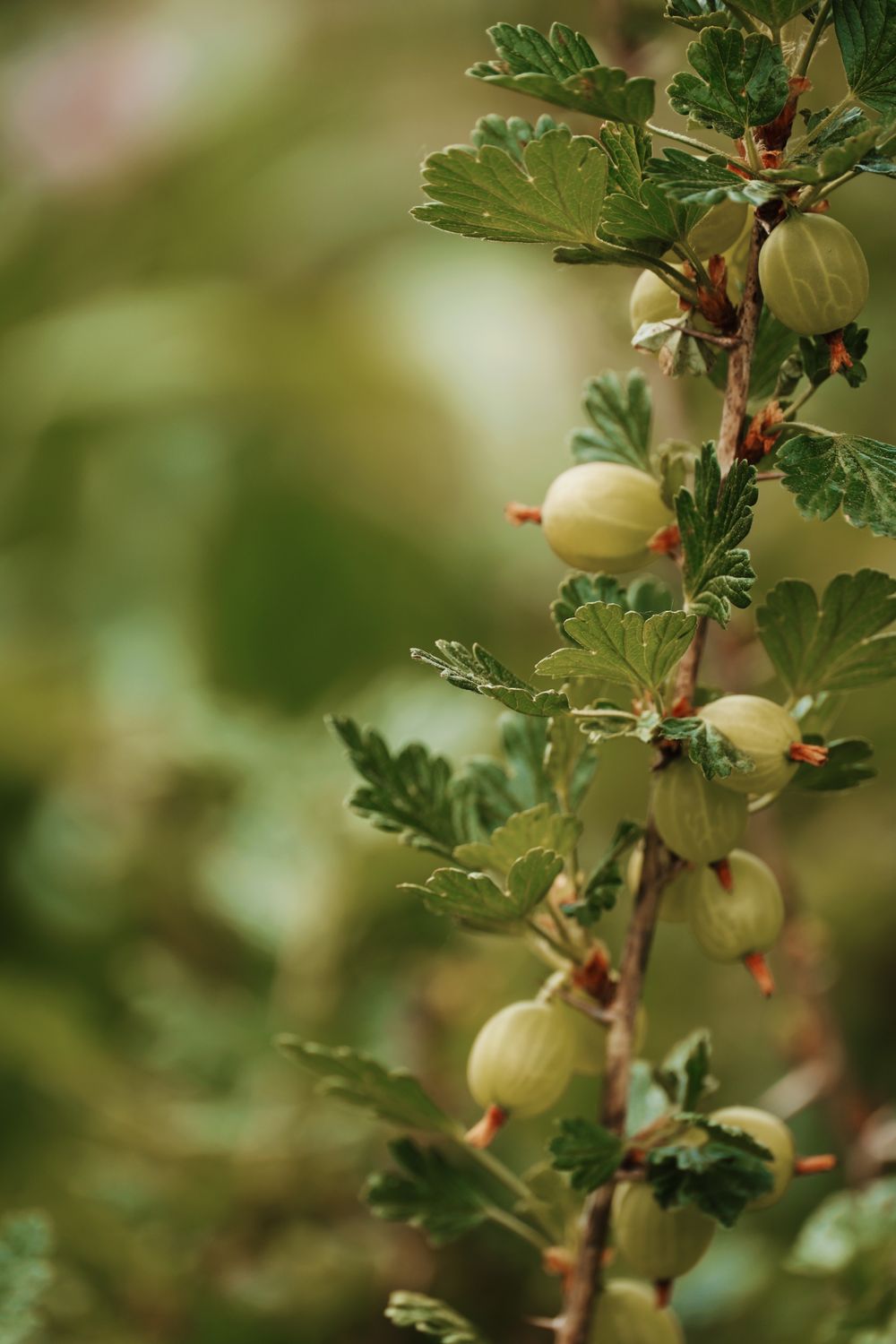
Once you've got the basics going, there are some lovely options to widen the range. Blackcurrants and gooseberries both grow perfectly well in large pots, the key word being large, as these are proper shrubs that resent being cramped. Give them a good-sized container of multipurpose compost, keep them fed and watered, and a single well-tended bush can produce a surprising amount. Gooseberries can be trained into neat standards too, which looks rather smart on a patio and lifts the fruit to easy picking height.
The berry I'd nudge the curious towards, though, is the honeyberry. It's compact, exceptionally hardy, and one of the very earliest fruits of the year, cropping before almost anything else. The berries are a bit like an elongated blueberry in look and taste. Like blueberries, honeyberries usually fruit far better with a compatible partner nearby for pollination, so plan for a pair. For a small, cold, or exposed garden they're a brilliant and still rather underused choice.
How do I keep container berries thriving?
Growing fruit in pots is genuinely easy, but containers are less forgiving than open ground, so a few habits make all the difference. The biggest one is watering. Pots dry out far faster than borders, especially in summer and especially small or hanging ones, and inconsistent watering is behind most disappointments, from split fruit to poor crops. In hot spells you may be watering daily. Self-watering planters or a simple drip system can take the worry out of it if you're away a lot.
A few other things I'd hold to:
- Pot size matters. Err on the larger side. A bigger volume of compost holds moisture more steadily and gives roots room. Strawberries are happy in something modest, but blackcurrants, gooseberries and blueberries all want a generous container.
- Match the compost to the plant. Ericaceous compost for blueberries and honeyberries, good multipurpose for everything else. Refresh the top layer each year and repot into fresh compost every few years.
- Feed through the season. Pot compost runs out of nutrients faster than soil, so a regular liquid feed pays off. High-potash (tomato) feed encourages flowering and fruiting; use an ericaceous feed for the acid-lovers.
- Think vertically. In a tight spot, go upward. Hanging baskets, wall-mounted planters, tiered towers and shelving multiply your growing space without taking another inch of floor.
That's really the heart of it. You don't need a sprawling plot or a fruit cage to grow your own berries, just a sunny corner, the right pot, the right compost, and a watering can you're willing to pick up regularly. Start with a couple of strawberry baskets and a patio blueberry, get a feel for the rhythm of it, and I'd wager you'll be eyeing up space for a honeyberry or a potted gooseberry before the season's out. Small space, real harvest. It's one of the most satisfying things you can do with a few square feet.
Once you know which berries you want to grow, the next question is how to actually grow them well in a pot. My container gardening guide for fruit picks up from here, covering pot sizing, compost, watering and winter protection in proper depth for whichever berry you've settled on.