A berry patch that hums with bees, fends off the usual pests without a single spray, and hands you heavier harvests into the bargain — that's not wishful thinking, it's companion planting. The idea is simple enough: grow complementary plants together so each one earns its keep alongside the other. Pick the right neighbours for your berry bushes and you can improve pollination, see off pests, build healthier soil, and arguably even lift the flavour of the fruit.
Why Companion Planting Works
Let me be clear: there's no magic to it. Companion planting is just applied ecology. Plants are constantly interacting with their surroundings — releasing chemical compounds from roots and leaves, drawing in or repelling particular insects, shifting the conditions in the soil around them. Pair up plants whose traits complement one another and you build a small, resilient ecosystem that outperforms a bare monoculture every time.
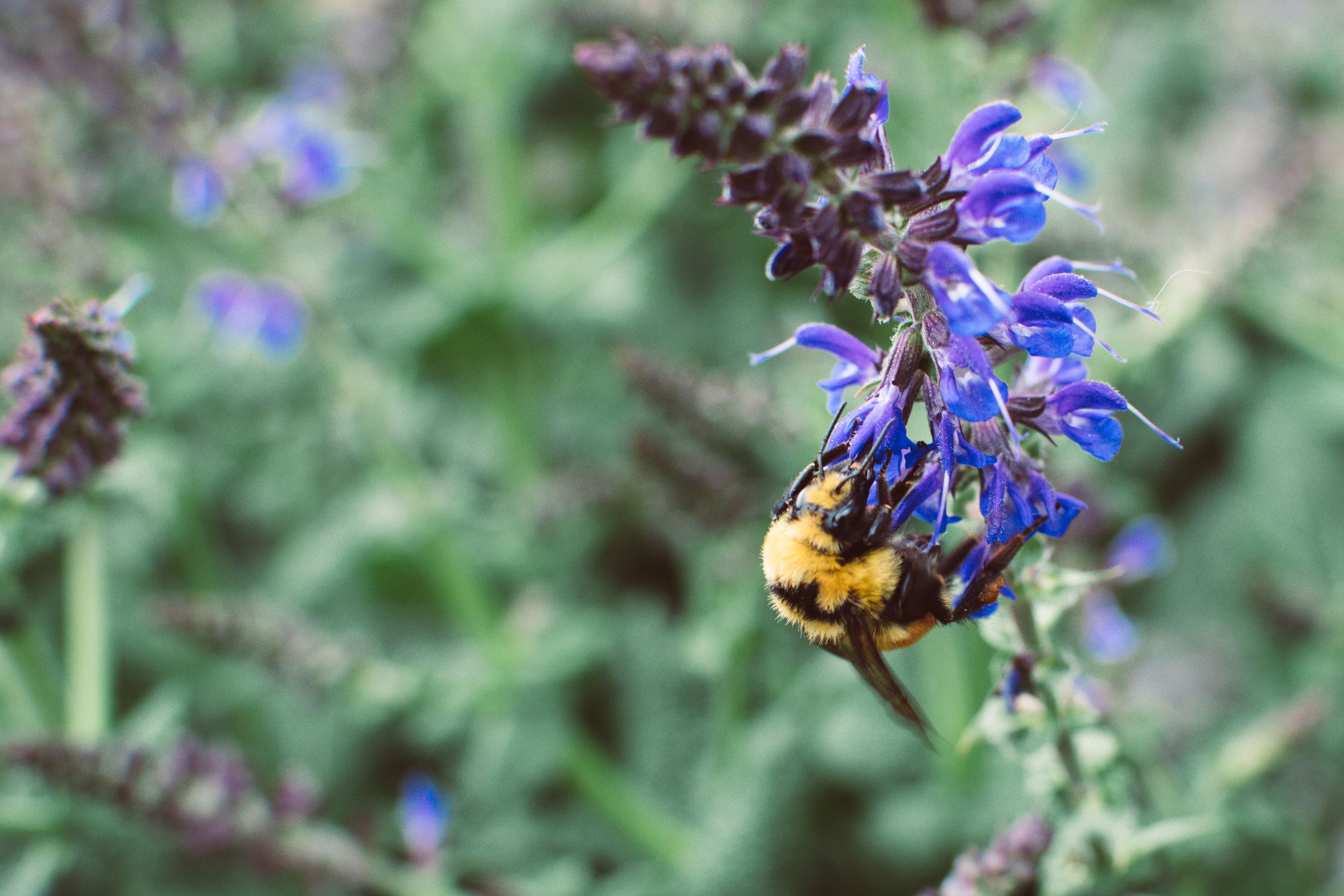
For us berry growers, that translates into some very practical wins: pollinators turning up right when the flowers need them, predatory insects arriving to deal with aphids, ground cover smothering the weeds, and nitrogen being fixed into the soil to feed these hungry plants.
Best Companions for Blueberries
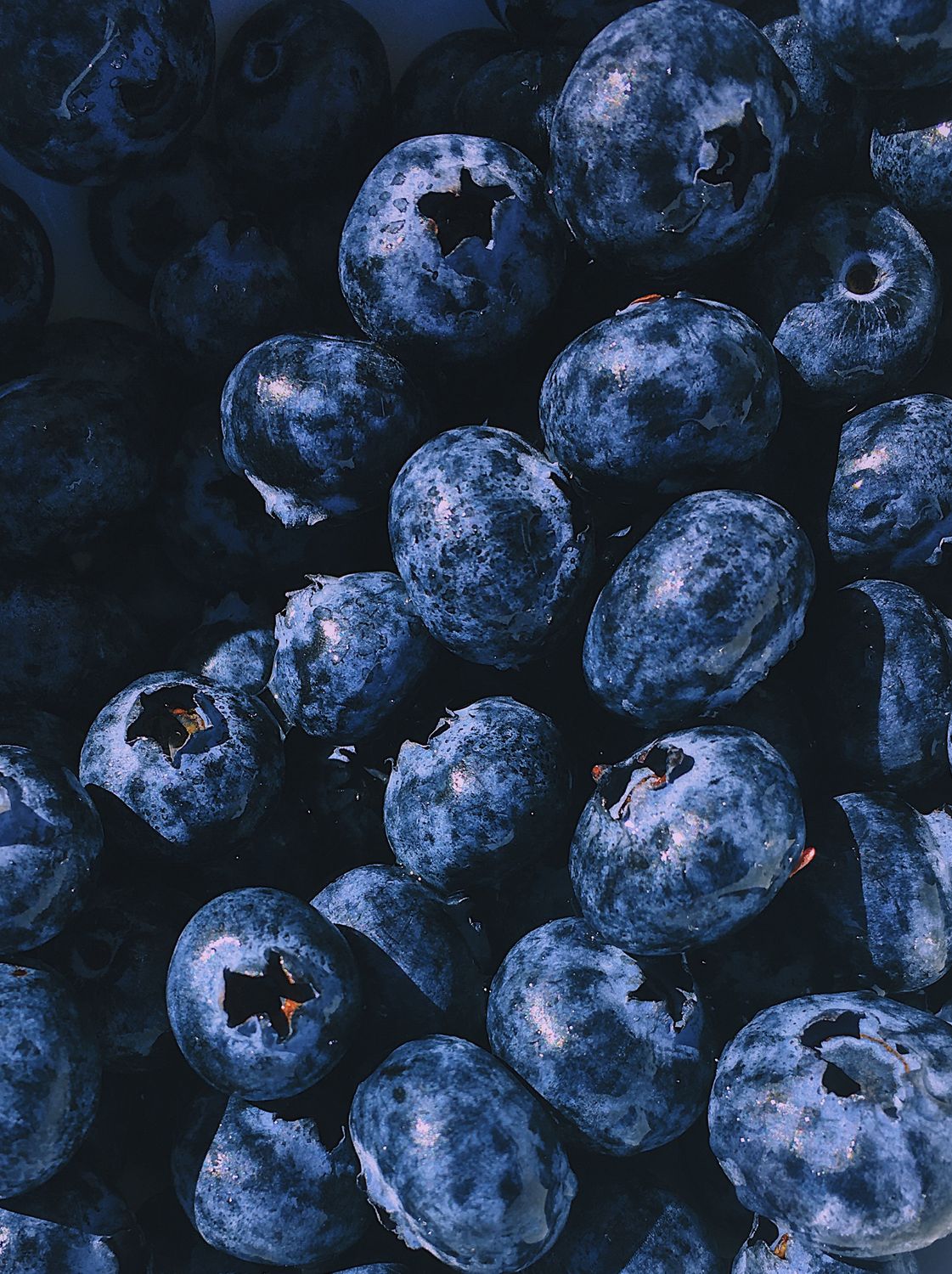
Blueberries need acidic soil, so their companions have to share that taste — or at the very least tolerate it. Heathers (Calluna and Erica) are a natural fit, thriving in the same acidic ground while their low growth smothers weeds and their flowers pull in bees during early spring, exactly when blueberry blossom needs the attention. Azaleas and rhododendrons are fellow ericaceous shrubs that enjoy identical conditions, make a handsome backdrop, and flower around the same window to keep the pollinators coming.
Lower down, lingonberries are about the perfect ground-cover partner: identical soil requirements, low and tidy, and a tart red crop of their own into the bargain. Alpine strawberries do a similar job, happily tolerating the partial shade beneath the bushes and acting as a living mulch.
Best Companions for Raspberries
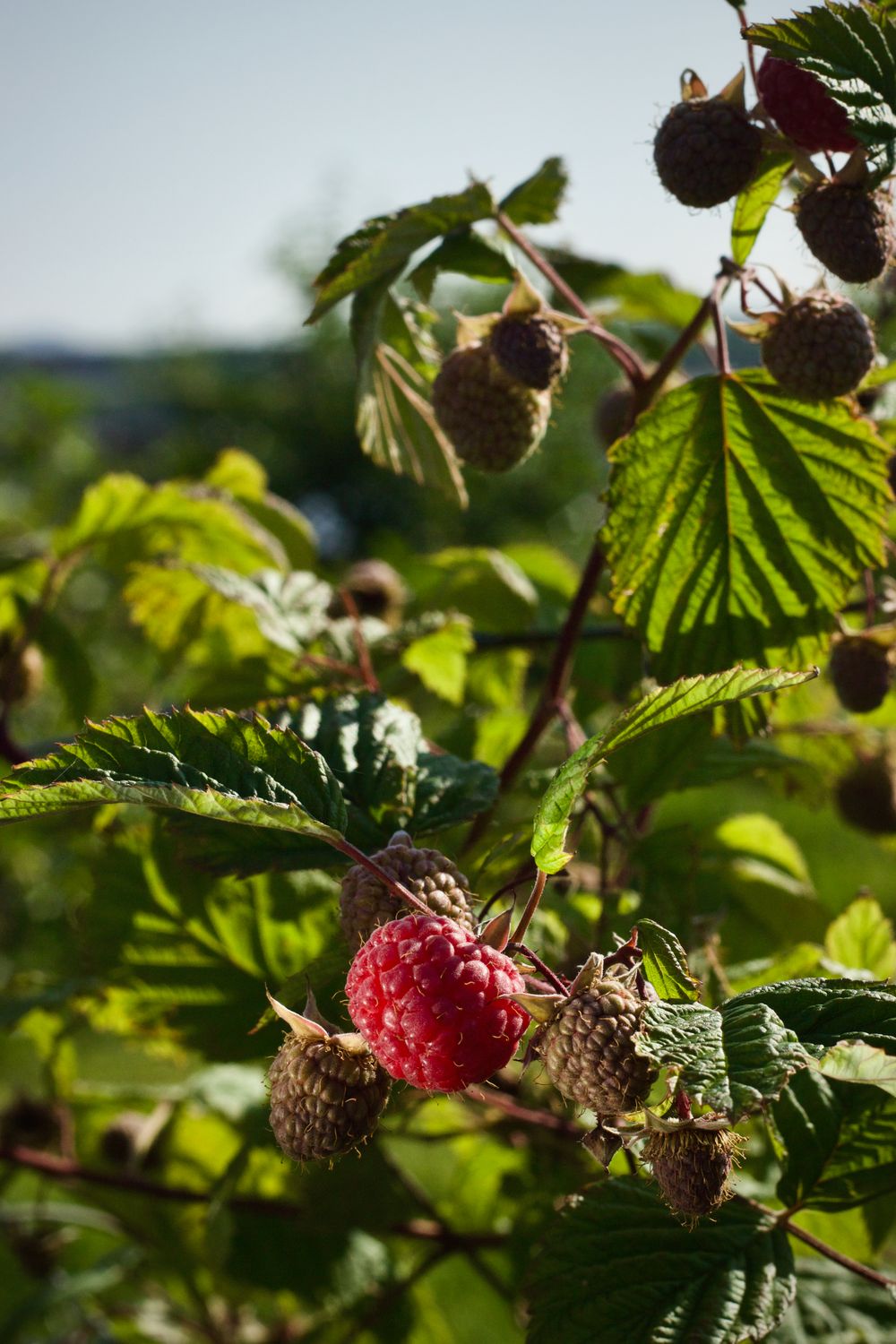
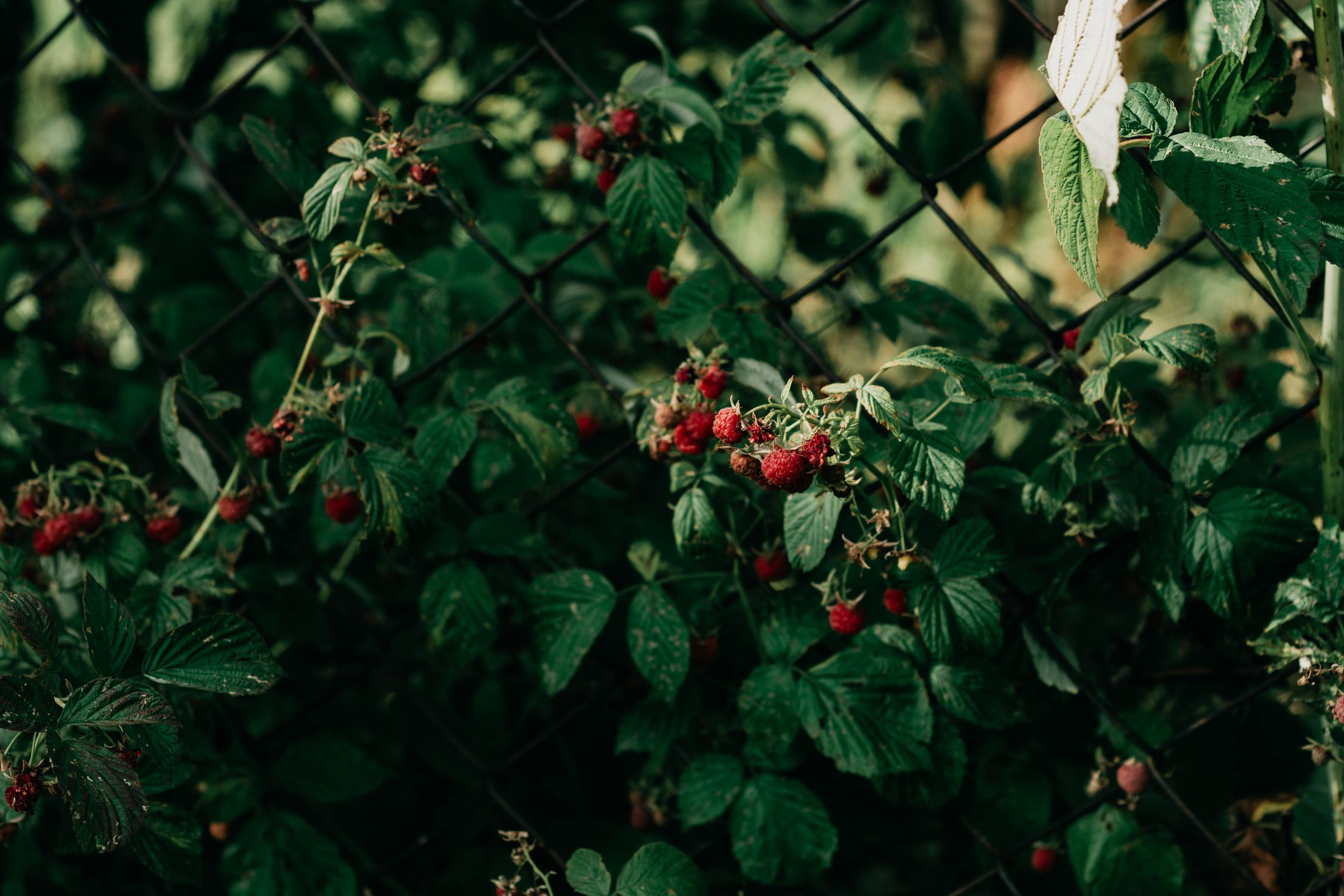
Raspberries are greedy feeders with shallow roots, so the best neighbours either fix nitrogen, see off pests, or draw in helpful insects — all without scrapping too hard for root space. Garlic and chives are my go-to here: planted around the canes, these alliums help repel aphids and Japanese beetles, their strong scent masking the chemical signals that would otherwise call the pests in. Chive flowers have the bonus of attracting hoverflies, whose larvae make short work of aphids.
Tansy is a traditional cottage-garden companion for raspberries, its strong-scented foliage deterring raspberry beetles and ants — just be warned it spreads with real determination, so keep it in a sunk pot or at the very end of a row. White clover, grown as a living mulch between the rows, is one of the most useful companions for any berry at all: it fixes nitrogen, suppresses weeds, stays low and feeds the pollinators. And a few French marigolds (Tagetes) at the ends of the rows help repel nematodes and whitefly while their bright flowers bring in hoverflies and parasitic wasps.
Best Companions for Blackberries
Blackberries are so vigorous and tough that companion planting here is less about helping the blackberry and more about making good use of the space around it. Comfrey is the king of the lot — its deep roots mine minerals from the subsoil and pack them into nutrient-rich leaves, which you can chop for mulch or steep into a liquid feed, and the bumblebees love it. Borage is another bee magnet at the base of the plants, producing nectar continuously and self-seeding freely so it returns year after year with no effort from you.
Nasturtiums act as a trap crop, luring aphids away from the fruit, and their peppery flowers and leaves are a welcome extra in a salad. Mint will deter flea beetles and ants with its strong scent — but for goodness' sake plant it in a pot sunk into the ground, or it'll take over the entire patch before you've turned your back.
Best Companions for Strawberries
Strawberries respond especially well to good company, being low-growing, slug-prone and hugely grateful for any pollinator activity. Borage is a favourite pairing: research from various horticultural institutions has suggested it may improve both pollination and fruit flavour when grown alongside strawberries. Whether or not it truly changes the taste, the pollinator benefits are beyond doubt. Creeping thyme between the rows makes a fragrant, weed-suppressing carpet; its scent may help put slugs off, and its flowers are a tonic for beneficial insects.
Garlic interplanted among the rows helps fend off red spider mite and fungal disease, and plenty of organic growers rate it the single best companion for strawberries. To fill the gaps while young plants are still spreading, sow quick crops of lettuce and spinach between them — they use up bare ground before the runners take over and keep a little moisture in the soil while they're at it.
Best Companions for Gooseberries and Currants
For gooseberries and currants, broad beans grown nearby fix nitrogen and bring pollinators to their flowers, and conveniently they finish cropping before the currant harvest gets going, so the space does double duty. Wormwood (Artemisia) is a traditional companion whose aromatic foliage is believed to deter currant aphid and sawfly — plant it around the edges rather than in among the bushes. Chives earn their place again here, the allium scent helping to deter gooseberry sawfly, one of the most destructive pests these plants face. And comfrey is every bit as valuable as it is with blackberries, both as a mulch and as a liquid feed.
Plants to Avoid Near Berries
Not every neighbour is a welcome one, and a few can do real harm. Fennel releases allelopathic compounds that stunt the growth of many plants, berries included, so keep it well away from the fruit patch. Potatoes and tomatoes are worth a particular warning — as members of the Solanaceae family they can harbour Verticillium wilt, a soil-borne fungus that also attacks raspberries and strawberries, so never plant berries where potatoes or tomatoes grew in the previous three years.
Walnut trees are another to steer clear of: their roots release juglone, a chemical toxic to many plants, so don't plant berries within 15 metres of one. And don't underestimate plain grass, which competes hard for water and nutrients, especially against shallow-rooted strawberries and raspberries. Keep a grass-free zone around your berries and they'll thank you for it.
Creating a Companion Planting Plan
The single best piece of advice I can give is to start simple. You don't need to tear up the whole garden — just pick one or two companions for your main berry crop and watch what happens over a season. Here's the approach I'd suggest:
- Work out your main berry crops and their biggest headache. Are you losing fruit to poor pollination? Fighting aphids? Forever weeding?
- Choose one companion that tackles that biggest issue. For pollination, start with borage or comfrey; for aphids, try chives or garlic; for weeds, lay down white clover as a living mulch.
- Plant it a sensible distance away — most companions want to be within 1 to 2 metres of the berries they're supporting, but not so close that they fight over root space.
- Then observe, adjust and expand. If your first companion earns its place, add another the following season.
The Bigger Picture
Companion planting is really part of a wider way of gardening that works with nature rather than against it. A berry patch underplanted with clover, edged with chives and dotted with borage isn't merely more productive — it's more beautiful, more interesting, more alive. You'll hear more bees, see more butterflies, and reach for the spray bottle far less often. Your berries stop being lonely plants stranded in bare earth and become part of a thriving community, and in my experience they're all the better for it.