If you've ever had Swedish meatballs with that sharp, jewel-red sauce on the side, then you've already tasted lingonberries, even if you didn't know it. These small, bright-red berries are the backbone of Scandinavian cooking, and to my mind they're one of the most underappreciated fruits you could put in a British garden. Hardy, shade-tolerant and evergreen, they deserve a place in far more UK plots than they currently get.
What Are Lingonberries?
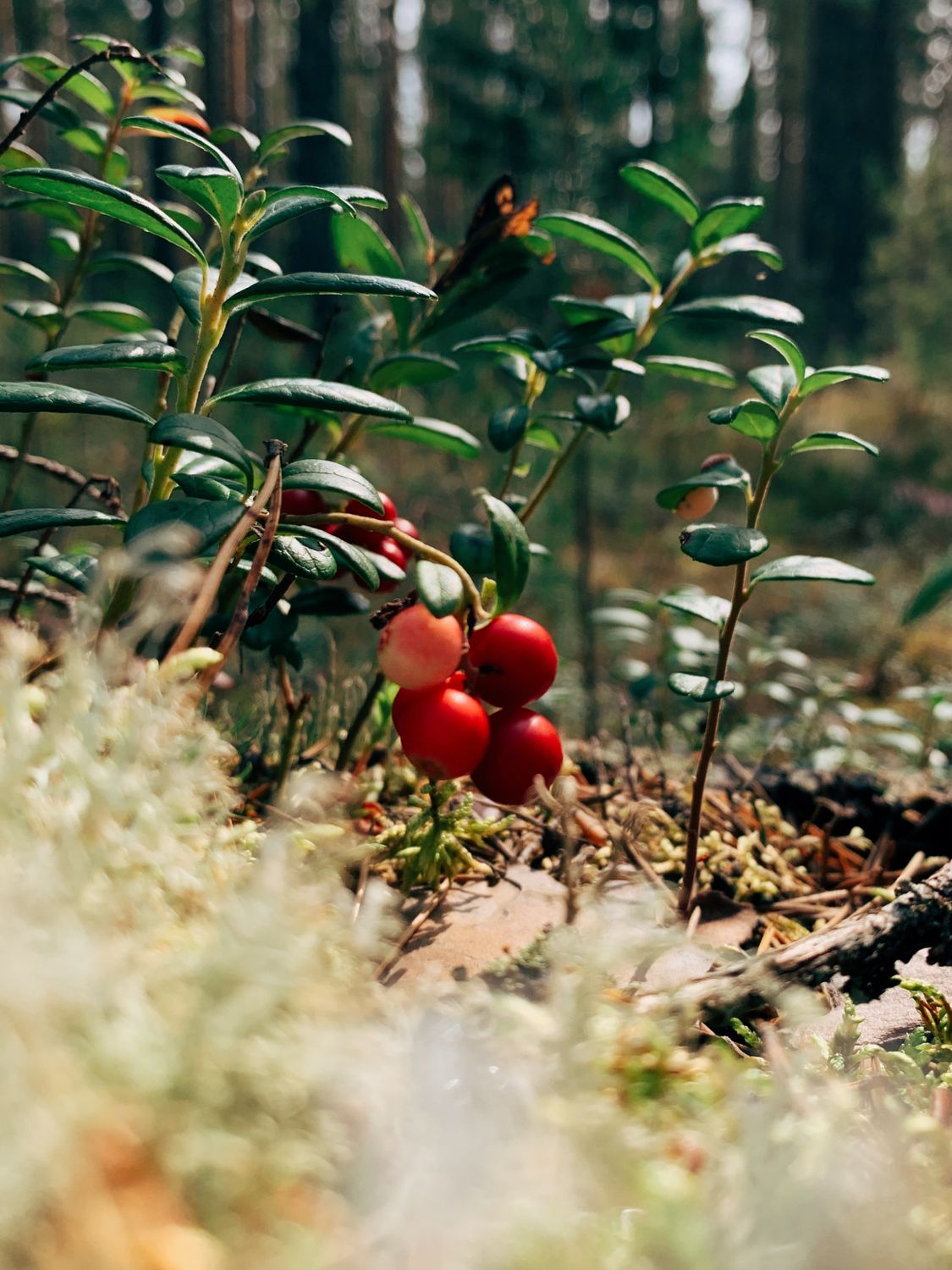
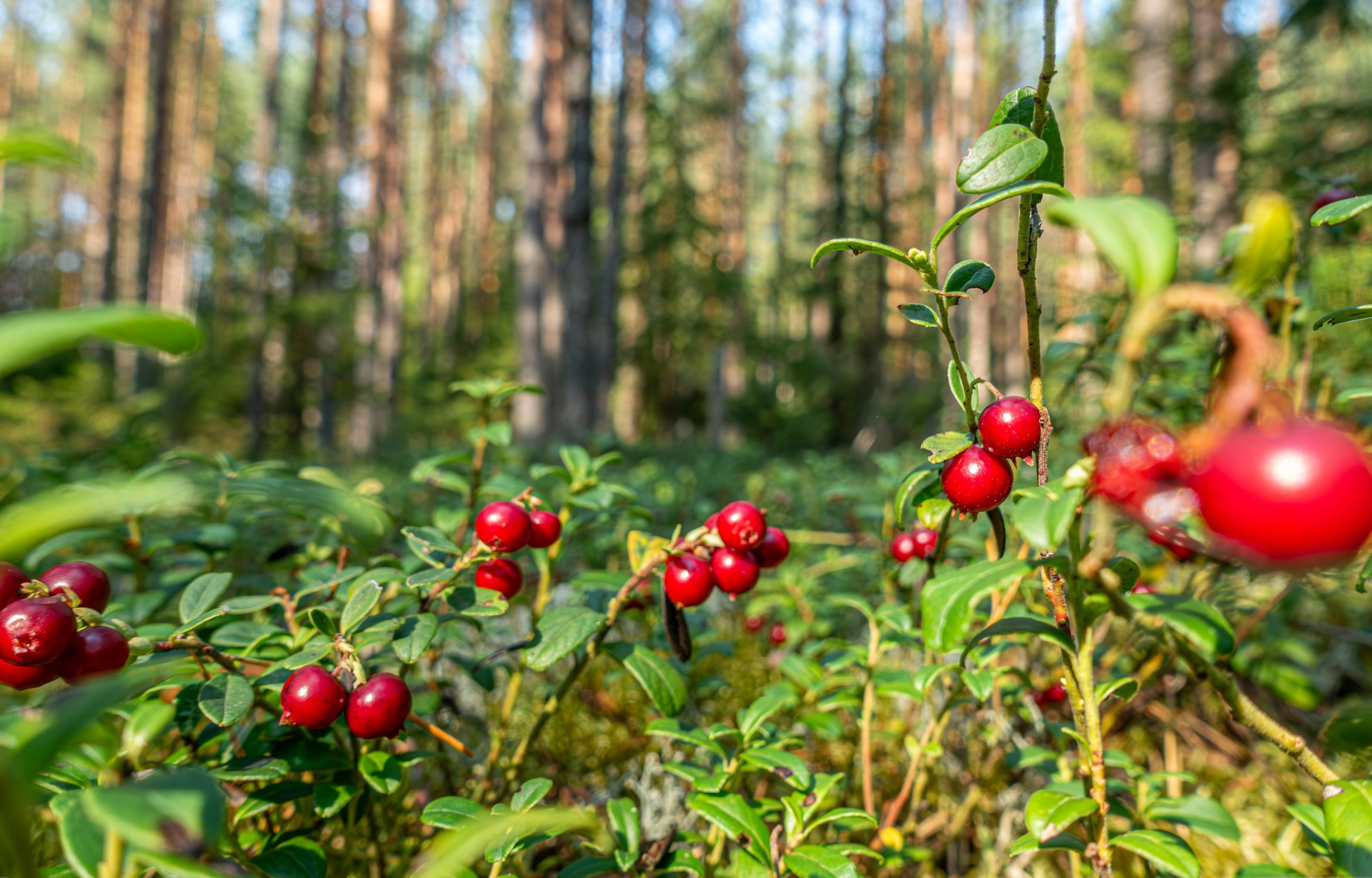
Lingonberries (Vaccinium vitis-idaea) are low-growing evergreen shrubs in the heather family, close cousins to blueberries and cranberries. They rarely top 30 centimetres and spread slowly on underground runners to form dense, rather handsome mats of glossy dark-green leaves.
The berries are small, round and bright red, usually 6 to 10 millimetres across. What I love is that they ripen in two flushes: the first in late July, then a heavier crop in September and October. The flavour is tart and complex, sharper than a cranberry, but with a depth to it that sweetens beautifully the moment you cook it.
Lingonberries in the British Isles
Here's the thing most gardeners don't realise: the lingonberry is actually a native British plant. It grows wild in the Scottish Highlands, parts of northern England and the uplands of Wales, though you'd easily walk past it among the heather on acidic moorland. That native status is wonderful news for us, because it means our climate and our daylight patterns already suit the plant down to the ground.
In Scandinavia they take it far more seriously than we do. Whole families head into the forests each autumn to pick them by the bucketful, and the Swedish word for the tradition, barplockning, is a cherished fixture of the cultural calendar.
Why Grow Lingonberries?
The first reason, and the one that wins me over every time, is shade tolerance. Unlike most fruit, lingonberries actually thrive in partial shade, which makes them perfect for that awkward north-facing border or the ground beneath deciduous trees where almost nothing else will fruit. On top of that they're evergreen, so those glossy, leathery leaves look smart all year round, with pretty bell-shaped pink-white flowers arriving in May and June. They're extraordinarily hardy too, native as they are to the Arctic Circle, so British winters and late frosts don't trouble them in the slightest. Once established they ask for almost nothing, and that double harvest in summer and autumn stretches your picking season nicely. What's not to like?
Choosing Varieties
The cultivated varieties give you bigger berries and heavier crops than the wild plants, and there are a few I'd happily recommend. Koralle is the one to start with: the most widely available and reliable choice for UK gardens, compact, heavy-cropping, with good-sized berries. Red Pearl carries slightly larger berries than Koralle and a milder flavour, and it spreads vigorously. Sanna is a Swedish selection prized for its sweet, full-flavoured fruit, with a compact habit that makes it excellent in containers. And Ida ripens early, throws a strong second crop in autumn, and has good disease resistance.
Lingonberries are self-fertile, so a single plant will fruit perfectly well on its own. That said, I'd always plant two or more varieties if you can, because it improves pollination and lifts your yields noticeably.
Planting and Soil Requirements
Like their blueberry relatives, lingonberries need acidic soil, a pH between 4.0 and 5.5. If your garden soil is neutral or alkaline, don't fight it; just grow them in a container of ericaceous compost and save yourself the headache.
For open ground, prepare the site by digging in generous amounts of peat-free ericaceous compost, composted pine bark or leaf mould. The roots are shallow, so it's the top 20 centimetres of soil that really matters. Plant in spring or autumn, spacing the plants 30 to 40 centimetres apart, and they'll gradually knit together to fill the gaps. A mulch of pine needles, composted bark or wood chips on top helps hold moisture, keeps weeds down and maintains that all-important acidity.
Growing in Containers
I think lingonberries make superb container plants. Use a wide, shallow pot at least 30 centimetres across, fill it with ericaceous compost and stir in a handful of perlite for drainage. Stand it somewhere semi-shaded and, where you can, water with rainwater, because in hard-water areas tap water will slowly creep the soil pH upwards and undo all your good work.
Container plants need regular watering right through summer, but they should never sit in soggy, waterlogged compost. One feed in spring with an ericaceous fertiliser is all they need.
Care and Maintenance
They're about as low-maintenance as fruit gets. Keep the soil consistently moist but never waterlogged, and bear in mind they're sensitive to drought when they're fruiting. Feeding is a light touch: a small amount of ericaceous fertiliser in early spring is plenty, and I'd steer clear of high-nitrogen feeds. Pruning barely registers as a job; just trim back any straggly growth in early spring to keep things tidy. As for pests and diseases, you'll have very little trouble in the UK. The main nuisance is birds going after the ripe fruit, and a bit of netting in autumn puts a stop to that.
Harvesting
The first small crop turns up in late July, then the main harvest follows in September and October, when the berries deepen to a glossy red. Unlike a lot of soft fruit, lingonberries hold well on the plant for several weeks after ripening, so there's no mad scramble to pick the lot at once.
They've got a useful trick up their sleeve, too: the berries contain natural benzoic acid, which acts as a preservative. That means fresh lingonberries will keep in the fridge for several weeks, far longer than most berries manage.
Culinary Uses
They're really too tart to eat raw by the handful, but that sharp, clean flavour makes them wonderfully versatile once you get them into the kitchen. The classic is lingonberry jam, the Swedish staple served with meatballs, pancakes and porridge; just simmer equal weights of berries and sugar until it thickens. A quick lingonberry sauce is lovely with roast game, venison, turkey or pork. They lift muffins, scones and crumbles with a sharp counterpoint to all that sweetness, and a raw-stirred compote, raporsmelk in Swedish, keeps for months in the fridge thanks to that natural benzoic acid. And if you fancy something different, lingonberry cordial and lingonberry-infused gin are both well worth a try.
Nutritional Benefits
Lingonberries are rich in vitamins C and E, manganese, and a good haul of antioxidant compounds including quercetin and proanthocyanidins. Research from Scandinavian universities has linked regular lingonberry eating to reduced inflammation and better gut health, and they're naturally low in sugar compared with most fruits, which never hurts.
A Taste of Scandinavia in Your Garden
Lingonberries give you something genuinely rare in the fruit garden: a properly shade-tolerant, evergreen, ultra-hardy berry that hands you two crops a year for next to no effort. Tuck them under a blueberry bush, run them as ground cover along a woodland path, or stand a pot on a shady patio, and you'll have a little corner of the Scandinavian forest growing in your own British garden. I can't think of many plants that ask so little and give so much.
Lingonberries take their place among the other unusual fruit in my guide to unusual berries to grow in the UK, right alongside honeyberries and cranberries as acid-soil specialists that reward gardeners willing to look beyond the usual strawberry patch.