Cranberries and lingonberries are related but not the same plant. Both belong to the Vaccinium family — the same genus as blueberries and bilberries — but they are distinct species with different growing habits and different needs. The cranberry (Vaccinium macrocarpon) is the larger, sharper, and more demanding of the two, insisting on bog-like moisture and very acidic soil. The lingonberry (Vaccinium vitis-idaea) is smaller, a touch milder in flavour, and considerably easier to please in a British garden. Both are tart enough to need cooking, and both end up as a sauce at the festive table — but knowing which is which matters when you're choosing what to grow. Here's how they compare.
Are cranberries and lingonberries the same thing?
No, though I understand the confusion. They are cousins, not twins. The cranberry we grow for sauce is usually the American cranberry, Vaccinium macrocarpon, while the lingonberry is Vaccinium vitis-idaea, a plant Scandinavians treasure and turn into the famous lingonberry jam served alongside meatballs.
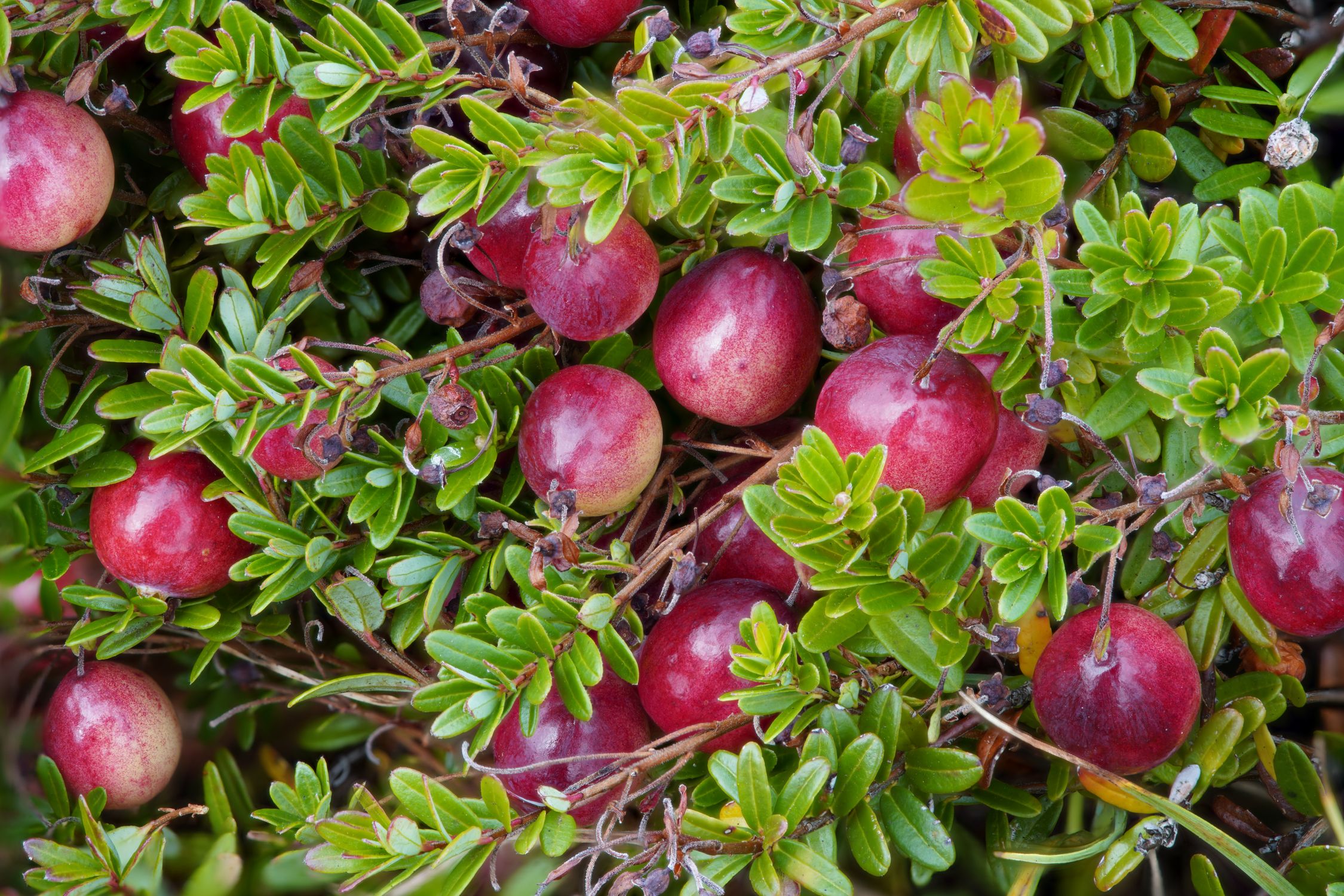
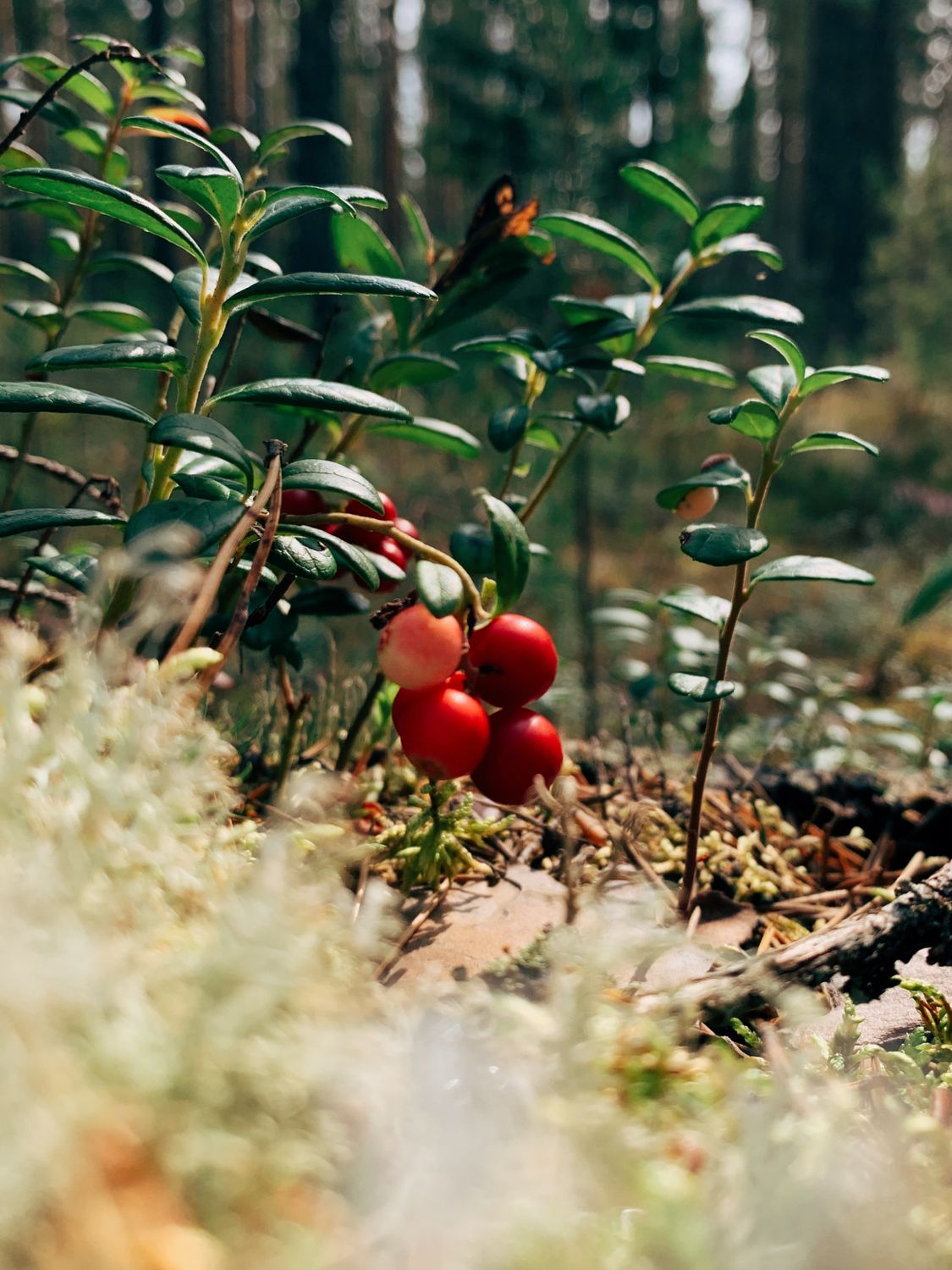
The first thing you notice in the hand is size. Cranberries are the larger of the two, plump and firm, while lingonberries are noticeably smaller, more like a redcurrant in scale. Then there's the way the plants grow. A cranberry is a low, creeping, trailing evergreen that sends out long runners and hugs the ground, almost like a living mat. A lingonberry, by contrast, is an upright, compact little evergreen shrub, neat and tidy, with small glossy leaves that look rather like a miniature box hedge. That difference in habit tells you a great deal about how each behaves in the garden.
Do they need different soil and growing conditions?
This is where the two part company most clearly, and it's the single most important thing to understand before you buy. Both demand acidic, ericaceous conditions; neither will tolerate lime or alkaline soil, so a chalky garden means growing them in pots of ericaceous compost. So far, so similar. The crucial difference is moisture.
The cranberry is, at heart, a bog plant. In the wild it grows in acidic peat bogs and wetlands, and it wants constant, reliable moisture around its roots; it genuinely dislikes drying out. To grow it well in a British garden you usually need to recreate something of that boggy, ever-damp environment, which is why I always tell people that growing cranberries in the UK is a more deliberate project than most berries. It can absolutely be done, and rewardingly so, but you have to commit to keeping it wet.
The lingonberry is far more forgiving. It still wants acidic, moist soil, but it doesn't insist on standing in a bog. Ordinary moist, well-drained, ericaceous ground suits it perfectly, which makes it considerably easier to please for the average gardener. If you've read my notes on growing lingonberries, you'll know I'm rather fond of them precisely because they ask so little fuss for what they give back.
How do cranberries and lingonberries compare at a glance?
Sometimes a table sorts things out faster than any amount of prose. Here's how the two stack up across the points that matter when you're choosing:
| Feature | Cranberry (V. macrocarpon) | Lingonberry (V. vitis-idaea) |
|---|---|---|
| Plant habit | Low, creeping, trailing evergreen mat | Upright, compact, neat evergreen shrub |
| Berry size | Larger, plump | Smaller, redcurrant-sized |
| Soil & moisture | Acidic; wants constant moisture, a bog plant | Acidic; happy in ordinary moist soil, no bog needed |
| Crops per year | One main crop, harvested in autumn | Two crops, in summer and again in autumn |
| Flavour | Very tart and sharp | Tart but slightly sweeter and milder |
| Main use | Sauce and juice | Jam (the Scandinavian staple) |
| Ease in the UK | More demanding; needs wet, acidic conditions | Easier and more forgiving for most gardens |
Which tastes better, and when do they crop?
Both are tart; let's not pretend otherwise. Neither is a berry you'll graze on by the handful straight off the plant the way you might a strawberry. But there's a real difference in degree. The cranberry is the sharper, more aggressively sour of the pair, which is exactly why it works so well cooked down with sugar into a sauce or pressed into juice; that bracing acidity is the whole point. The lingonberry is tart too, but a touch sweeter and milder, with a slightly more rounded flavour that the Scandinavians celebrate in their jam.
Cropping is another genuine point of difference, and one that often surprises people. The cranberry gives you a single main crop, gathered in autumn somewhere between September and November. The lingonberry is more generous, producing two flushes of fruit in a good year, one in summer and a second in autumn. Two harvests from one tidy little shrub is no small thing.
Frequently asked questions
Is lingonberry the same as cranberry?
No. They are closely related — both are members of the Vaccinium genus — but they are distinct species. The cranberry is Vaccinium macrocarpon, native to North American bogs. The lingonberry is Vaccinium vitis-idaea, native to European and Scandinavian forests and moorland, including our own British uplands. They look similar in the punnet but differ in plant habit, moisture requirements, berry size, and when they crop.
Which is easier to grow in the UK, cranberry or lingonberry?
Lingonberry, by a clear margin. It tolerates ordinary moist, acidic soil and doesn't need a bog; it crops twice a year rather than once; and its compact, upright habit suits containers, edging, and ground cover. Cranberries can absolutely be grown here — I've written a full guide to growing cranberries in Britain and another on growing them in pots — but they insist on conditions most gardeners have to engineer deliberately.
Can I substitute lingonberries for cranberries in a recipe?
Yes, in most cases. Both are tart, high-pectin berries that work well cooked down with sugar into sauce, jam, or compote. Lingonberry sauce is slightly less sharp than cranberry sauce, so you may want a touch less sugar. For juice they're less interchangeable, as the flavour profiles differ noticeably — cranberry juice has a distinctive sharp character that lingonberry doesn't quite replicate.
Do lingonberries and cranberries need the same soil?
Both need acidic, ericaceous conditions and neither will tolerate lime or alkaline soil. The key difference is moisture. Cranberries want constant, bog-like dampness and sulk if they dry out even briefly. Lingonberries prefer moist, well-drained acidic soil — damp but not waterlogged — which describes a far easier target to hit for most UK gardeners.
Which should you grow in a UK garden?
Here's the verdict I'd give a friend leaning over the fence. For most British gardeners, I'd steer you towards the lingonberry. It's the easier plant by some margin: it doesn't need a bog, it copes with ordinary moist acidic soil, it crops twice a year, and that upright, evergreen, box-like habit makes it genuinely ornamental. It earns its place as ground cover, as edging, or sitting pretty in a pot by the door, looking smart even in the depths of winter.
That said, I'd never talk you out of a cranberry if you can give it what it wants. If you have a reliably wet, acidic corner, a boggy patch, the edge of a pond, or simply the willingness to keep a container permanently moist, then a cranberry is a wonderful and slightly unusual thing to grow, and there's real satisfaction in harvesting your own for the Christmas sauce. It's a question of conditions, not of merit. Give it the wet, peaty home it craves and it will thank you.
Both, happily, take well to containers, which is the great leveller for anyone gardening on chalk or clay. A pot of ericaceous compost lets you control the acidity completely, and for the cranberry it lets you control the moisture too. Sit them in a sunny or lightly shaded spot, water with rainwater rather than hard tap water where you can, and feed sparingly with an ericaceous feed.
My short version: grow a lingonberry if you want a handsome, easy-going little evergreen that quietly hands you two crops a year, and grow a cranberry if you can offer it the wet, acidic bog it dreams of. Different berries, different needs, both well worth knowing.
If you've come here because you're planning to cook with cranberries, my homemade cranberry sauce guide covers the recipe in full. So the next time someone points at a red berry and asks which is which, you'll have the answer ready. They may look like siblings in the punnet, but in the garden they live quite different lives, and choosing the one that matches your plot is the surest path to a crop you'll actually enjoy.