There are a handful of jobs I look forward to every Christmas, and making the cranberry sauce is one of them. It takes about fifteen minutes, fills the kitchen with the smell of orange and spice, and quietly outshines anything you can buy in a jar. If you've only ever spooned cranberry sauce out of a tin, I promise the homemade version is a revelation — brighter, fresher, and tart in a way that cuts beautifully through a rich roast dinner.
The best part is that cranberries do most of the work for you. They're naturally very high in pectin, the setting agent, so a good homemade cranberry sauce thickens and sets all by itself as it cools. No jam thermometer, no sachets of pectin, no fuss.
Why make your own cranberry sauce?
Shop-bought cranberry sauce tends to be very sweet and a little flat — a lot of sugar, not much of the sharp, almost wine-like character that makes cranberries special. When you make it yourself you control the sweetness, you can dial the orange or spice up and down, and you can leave it as loose or as thick as you like. It also costs very little, especially if you've a bag of frozen cranberries waiting in the freezer.
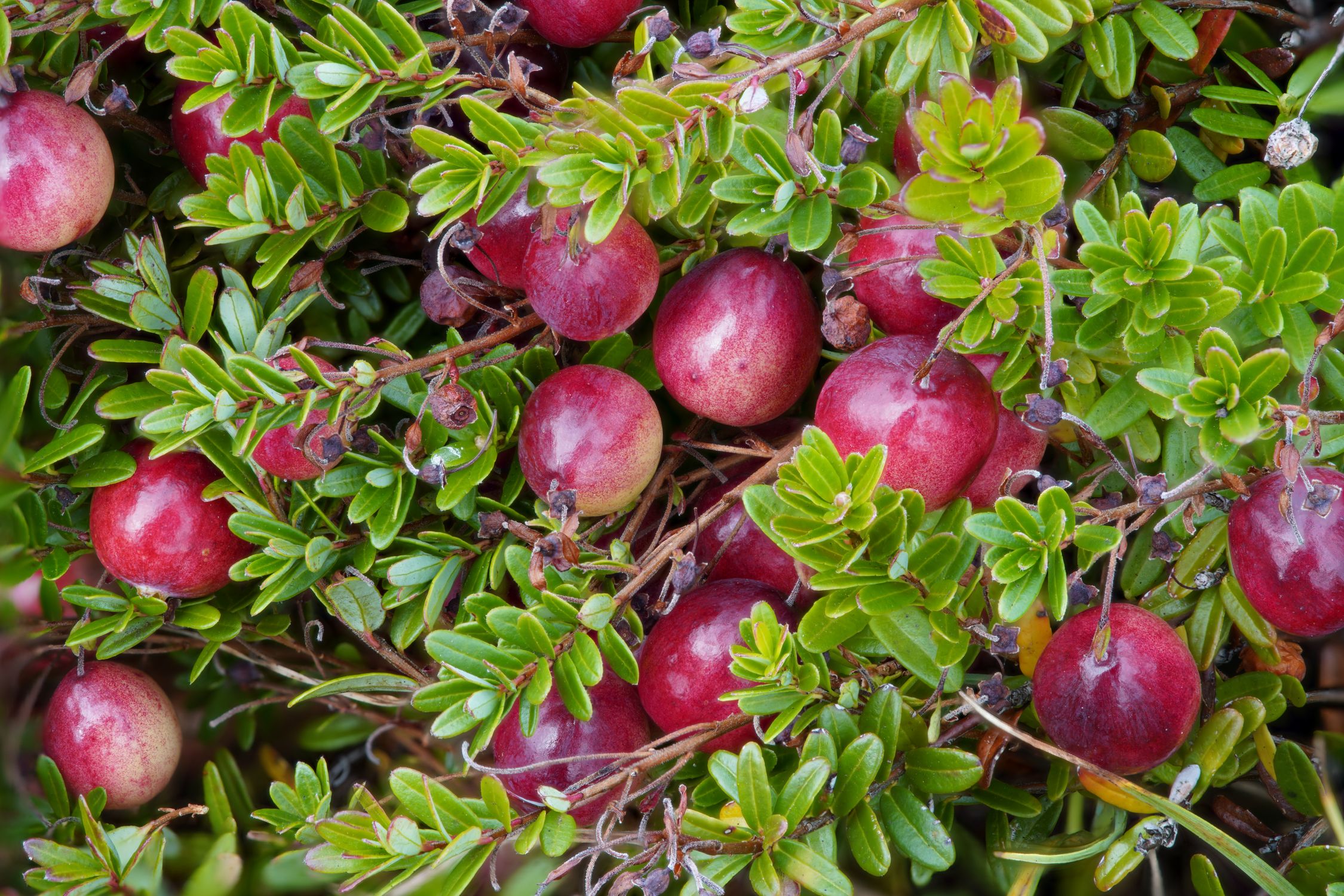
Fresh British cranberries (Vaccinium macrocarpon) tend to turn up in the shops around late autumn and into December, right when you want them. They're a bog-loving plant, and if you fancy a project you can grow your own cranberries here in Britain — even on a patio, as I've written about in my guide to growing cranberries in pots.
Ingredients
This is the ratio I come back to every year. It makes a generous bowlful — plenty for the Christmas table with leftovers for the days after.
| Ingredient | Amount | Notes |
|---|---|---|
| Cranberries (fresh or frozen) | 300g | No need to defrost frozen ones |
| Sugar | 100–150g | Caster or light brown; start low, taste later |
| Liquid | 100ml | Water, or orange juice for more depth |
| Orange zest | 1 orange (optional) | Lovely with the juice above |
| Cinnamon stick | 1 (optional) | Or a pinch of ground |
| Port | A splash (optional) | Stir in near the end |
Start with the lower amount of sugar — you can always stir in more, but you can't take it out. The sauce should stay pleasantly tart, not jammy-sweet.
How to make cranberry sauce: step by step
- Combine and dissolve. Tip the cranberries, sugar and your liquid into a medium saucepan. Add the orange zest and cinnamon stick now if you're using them. Set over a medium heat and stir until the sugar dissolves.
- Simmer until they pop. Bring it to a gentle simmer. Over the next 10–15 minutes the cranberries will soften, swell and start to burst with a satisfying little pop — that's the sound you're listening for. Give it an occasional stir.
- Help it along. Once most of the berries have burst, press a few against the side of the pan with your spoon to break them down. Leave some whole if you like a bit of texture; mash more if you prefer it smooth.
- Taste and adjust. Have a careful taste (it's hot). Too sharp? Add a little more sugar and stir until dissolved. This is also the moment for a splash of port if you fancy it.
- Cool and let it set. Take it off the heat. It will look quite loose and runny in the pan — don't panic. As it cools, the natural pectin does its thing and the sauce thickens to a soft, spoonable set. Fish out the cinnamon stick before serving.
How thick should cranberry sauce be?
You're aiming for something that holds its shape softly on a spoon but still slides off — looser than jam, thicker than a coulis. Remember it always looks too thin while hot and firms up considerably as it cools, so judge it cold rather than in the pan. If it ends up firmer than you'd like, simply beat in a spoonful of water or orange juice to loosen it.
Can you make cranberry sauce ahead of time?
Happily, yes — and I'd encourage it, because Christmas morning is busy enough. Cranberry sauce keeps in a covered container in the fridge for around two weeks, and the flavour only deepens over the first few days. It also freezes beautifully: pop it into a tub, leave a little headroom, and defrost overnight in the fridge when you need it. A quick stir brings it back together.
Making it a few days ahead is my favourite small Christmas win — one less thing to think about, and a sauce that tastes all the better for the rest.
Fresh, frozen or dried cranberries?
Fresh and frozen are interchangeable here, and frozen are wonderfully convenient — no need to defrost, just tip them straight into the pan and add a minute or two to the cooking time. Frozen berries are picked and frozen quickly, so they make a sauce every bit as good as fresh. Dried cranberries are a different beast: they've had their moisture and most of their pectin removed, so they won't burst and set in the same way. If dried is all you have, soak them and treat the result more as a compote — but for a proper sauce, reach for fresh or frozen.
Variations to try
- Orange: the classic. Use orange juice as your liquid and add plenty of zest for a fragrant, festive lift.
- Port or red wine: a splash stirred in near the end gives a grown-up, mulled-wine richness that's lovely with cold meats.
- Spiced: a cinnamon stick, a star anise, or a few cloves turn it warmly Christmassy. Remove whole spices before serving.
- A little heat: a small knob of grated fresh ginger adds a gentle warmth that plays nicely against the tartness.
What to serve cranberry sauce with
The obvious home is alongside roast turkey, where its sharpness cuts through the richness of the bird and the gravy. But don't let it disappear after the main event. It's wonderful with a wedge of mature cheddar or a creamy brie on the cheeseboard, and it earns its keep in the days after Christmas — spooned into a turkey sandwich, dolloped beside cold ham, or stirred through leftover stuffing. A jar of homemade cranberry sauce also makes a thoughtful little gift if you've made a big batch.
Give it a go this December. Once you've made your own, I suspect the jarred stuff won't get a look in again.
Frequently asked questions
Can you make cranberry sauce with frozen cranberries?
Yes — frozen cranberries work just as well as fresh and there's no need to defrost them first. Tip them straight into the pan from frozen and add a minute or two to the simmering time. Cranberries are picked and frozen quickly, so the flavour and pectin content are fully preserved; the finished sauce is just as good as one made with fresh berries.
How long does homemade cranberry sauce keep?
Up to a week in the fridge in a sealed jar or container. It also freezes very well for up to three months — spoon it into a freezer-proof container, leave a little headroom for expansion, and defrost overnight in the fridge before serving. Making a large batch and freezing portions is genuinely practical: the flavour survives freezing perfectly well.
Why isn't my cranberry sauce thickening?
Almost always because the berries haven't fully burst yet. The thickening comes from pectin released when the cranberry skins split, so if the sauce looks too thin, keep simmering and press a few berries against the side of the pan to help them along. It will also thicken noticeably as it cools — a sauce that looks a little runny in the pan often sets to exactly the right consistency once it's cold. Don't add pectin; the cranberries provide all you need.
Can I make cranberry sauce weeks in advance?
Yes. Make it up to a week ahead and store it in the fridge, or make it months in advance and freeze it. The flavour actually improves after a day or two in the fridge as the orange and spice notes mellow and deepen. For Christmas, making a batch in late November and freezing it takes all the pressure off the day itself.