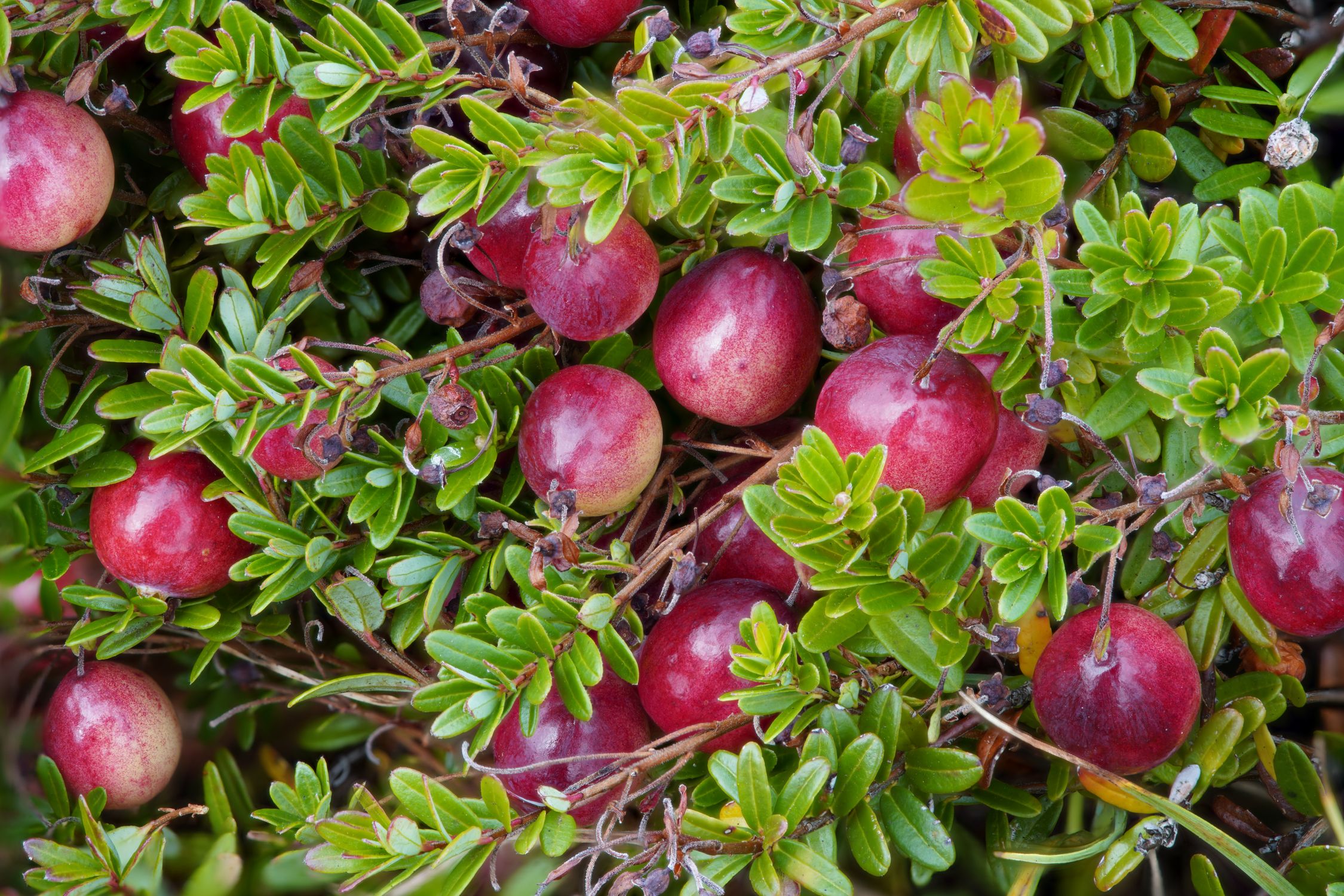
Yes, cranberries are good for you. They are low in calories, high in vitamin C, and packed with antioxidants — in particular a group of plant compounds called proanthocyanidins (PACs) that are the subject of genuine scientific interest. There is credible research linking cranberries to urinary tract health and cardiovascular wellbeing, though the evidence is encouraging rather than conclusive. The form you eat them in matters enormously: fresh or frozen cranberries are a genuinely nutritious food, while heavily sweetened shop-bought juice can quietly undo much of that benefit. Here is an honest look at what the science actually says.
What nutrients do cranberries contain?
For such a small, sharp berry, cranberries carry a respectable nutritional load. They're low in calories yet a decent source of vitamin C, which supports the immune system and helps your body absorb iron. You'll also find vitamin E, vitamin K1 (important for blood clotting and bone health) and manganese, a mineral involved in metabolism and the body's own antioxidant defences. On top of that, raw cranberries bring a useful amount of fibre, which is good news for digestion and for keeping you feeling full.
Where cranberries really shine, though, is in their plant compounds. They're especially rich in polyphenols and, in particular, a group of antioxidants called proanthocyanidins, often shortened to PACs. These are the compounds behind much of the interest in cranberries' potential health effects, and they're a big part of why the berry has earned its slightly outsized reputation.
Are cranberries good for your bladder?
This is far and away the most common question I'm asked, and it's the one that needs the most careful answer. Cranberries have a long-standing association with urinary tract health, and there's a plausible mechanism behind it. The proanthocyanidins in cranberries are thought to make it harder for certain bacteria, chiefly E. coli, to stick to the wall of the bladder and urinary tract. If bacteria can't adhere, the theory goes, they're more likely to be flushed away before they cause trouble.
That said, I want to be straight with you: the evidence here is genuinely mixed. Some studies suggest cranberry products may help reduce the likelihood of recurrent urinary tract infections in certain people, particularly women who are prone to them. Other well-conducted trials have found little or no benefit. So cranberries may help as a gentle, preventative measure for some, but they are absolutely not a treatment or a cure. If you have a urinary tract infection or any ongoing symptoms, please see your GP rather than reaching for the cranberry juice. It's food, not medicine.
Are cranberries good for your heart?
Beyond the bladder, the antioxidant content of cranberries has drawn attention for heart health. The polyphenols may support healthy blood vessels, and some research points to possible benefits for blood pressure and cholesterol balance, though again the findings aren't uniform and most studies are small or short. The general thinking is that the anti-inflammatory and antioxidant effects of compounds like PACs could contribute, alongside a balanced diet, to cardiovascular wellbeing over time.
I'd frame all of this the way I frame most berries: a varied diet rich in colourful fruit and veg is good for you, and cranberries are a perfectly worthy member of that line-up. They may support heart health as part of the bigger picture, but no single food carries a diet on its own.
Is cranberry juice healthy?
Here's the caveat I promised, and it's an important one. Raw cranberries are extremely tart, almost mouth-puckeringly so, which is precisely why you so rarely eat them on their own. To make them palatable, manufacturers add sugar, and often a great deal of it. This is where the health story can quietly unravel.
Most shop-bought cranberry juice is heavily sweetened, sometimes diluted and sweetened to the point where it's closer to a soft drink than a health tonic. Likewise, the dried cranberries you'll find in cereals and salads are usually coated in added sugar, because the unsweetened version is simply too sharp for most palates. The frustrating irony is that all that lovely polyphenol content can be more or less cancelled out by the sugar that's been bolted on to make the product sellable.
So my honest advice is to be a label-reader. The best forms of cranberry, nutritionally speaking, are:
- Fresh or frozen whole cranberries, which you can cook down yourself and sweeten lightly to taste.
- Unsweetened (100%) cranberry juice, which is bracingly tart but free of added sugar. Many people dilute it with water.
- Unsweetened dried cranberries, if you can find them, or sweetened ones used sparingly.
If you cook with them, you control the sugar, which is exactly why I'm so fond of making my own homemade cranberry sauce. It's a lower-sugar option than most shop-bought jars, and you can dial the sweetness right down while keeping that gorgeous tang. A little sugar to balance the tartness is fine; it's the heavy-handed sweetening of commercial products that's worth watching.
Frequently asked questions
Are dried cranberries as healthy as fresh?
Usually no, because most dried cranberries have significant added sugar. Fresh cranberries are too sharp for most palates to enjoy dried without sweetening, so manufacturers add it liberally. Unsweetened dried cranberries exist but are hard to find. Fresh or frozen cranberries that you sweeten yourself when cooking give you far more control and preserve the full nutritional profile. Dried cranberries used sparingly in oats or salads are fine; eating a large portion of sweetened ones regularly is a different matter.
Can you eat cranberries raw?
Yes, though most people find the tartness too intense on its own. A raw cranberry is sharper than almost any other fresh fruit — the intensity comes from a high tannin content and very low natural sugar. Some people add a handful to a smoothie or blitz them with orange and apple to soften the edge. The nutritional content is at its highest eaten raw, but cooking them gently with a small amount of sugar into a sauce or compote is how most people make them palatable.
Do cranberries have a lot of sugar?
No — raw cranberries are one of the lower-sugar fruits. The sweetness problem comes from how they are processed. A fresh cranberry is so tart it is almost inedible without added sugar, so manufacturers add it heavily to juice, dried products, and sauces. The berry itself is low in natural sugar; the commercial products made from it often are not. Fresh or frozen cranberries cooked at home with minimal added sugar are by far the best option if you are watching your intake.
Can cranberries interact with medications?
Possibly, and this is worth knowing. There is some evidence that large quantities of cranberry juice may interact with warfarin (a blood-thinning medication), potentially increasing its effects. The interaction appears more significant with juice consumed in large amounts than with whole cranberries or modest portions of sauce. If you are on warfarin or any anticoagulant, mention your cranberry consumption to your GP or pharmacist. For most people on other medications, cranberries in normal food quantities are not a concern.
So, are cranberries good for you?
On balance, yes. They're a low-calorie, nutrient-dense berry with an impressive antioxidant profile, and there's reasonable scientific interest in their potential roles in urinary and heart health. But I'd ask you to hold those benefits lightly: the evidence is encouraging rather than conclusive, the language should always be "may support" rather than "will fix", and the form you eat them in matters enormously. A glass of sugar-laden cranberry cordial is a very different thing from a spoonful of tart, home-cooked cranberries.
If you're really keen, you might even try growing your own. It surprises people, but it is possible to grow your own cranberries here in Britain given the right conditions — growing them in a pot is usually the most practical route, and there's something deeply satisfying about harvesting a berry you've nurtured yourself. If you're weighing up which acidic berry to grow alongside your cranberries, my cranberry vs lingonberry comparison covers the differences in both flavour and growing requirements. Enjoy them as the genuinely good food they are, keep an eye on the sugar, and remember that for any health concern your doctor remains the right first port of call.