Britain's hedgerows are generous things, and most foragers soon learn to spot the friendly faces: blackberries, sloes, elderberries, wild strawberries. But tucked in among those safe fruits are plants whose berries can make you seriously ill or, in rare cases, kill you. I'd argue that knowing what to leave well alone matters every bit as much as knowing what to gather, so let me walk you through the ones to recognise.
Deadly Nightshade (Atropa belladonna)
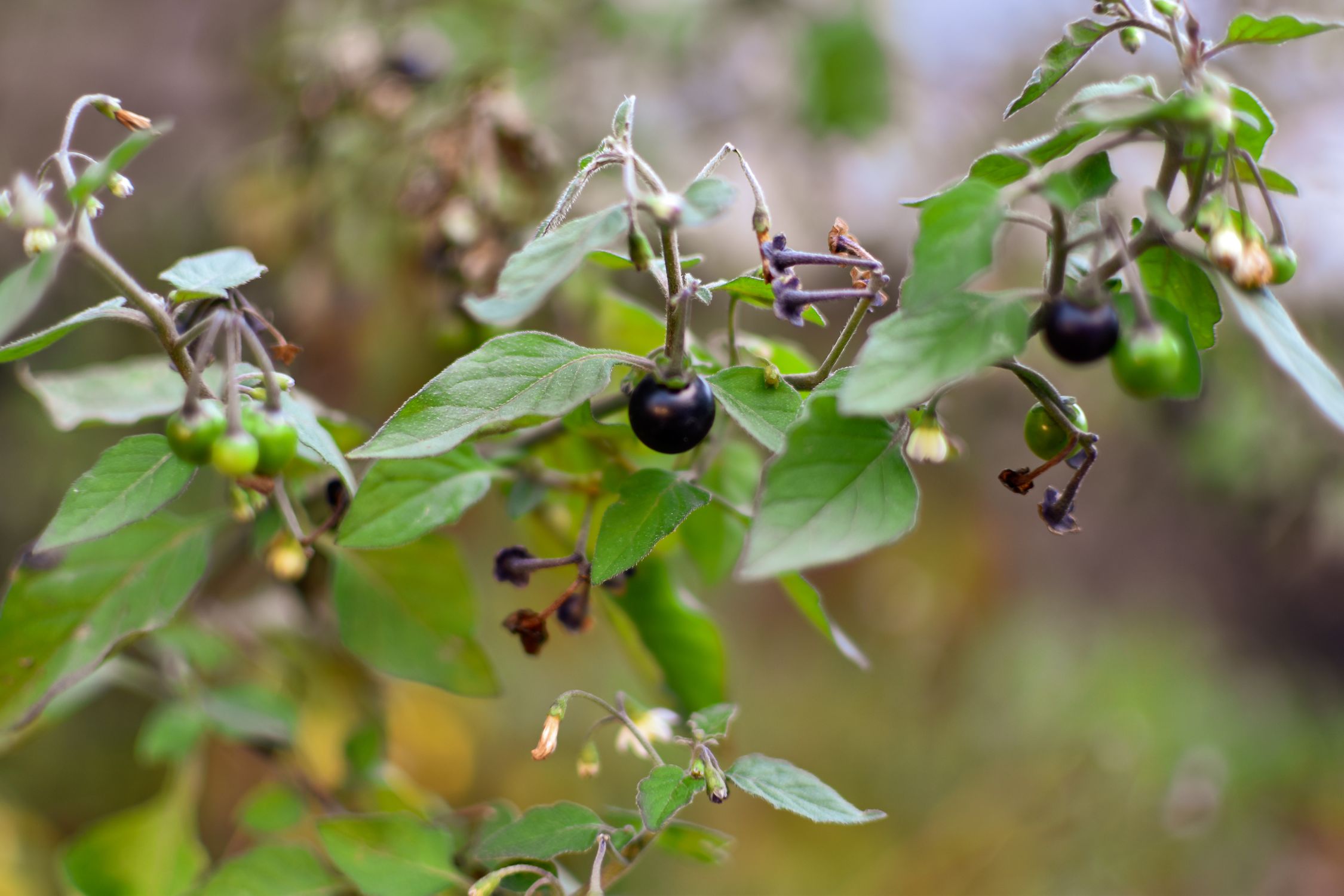
This is the most infamous poisonous berry in Britain, and it more than lives up to that dramatic name. Deadly nightshade is a bushy perennial growing up to 1.5 metres tall, with large oval leaves, dull purple bell-shaped flowers, and glossy black berries about the size of a cherry.
The berries are the most dangerous part, though make no mistake, the entire plant is toxic. They contain tropane alkaloids, chiefly atropine and scopolamine, which attack the nervous system. As few as two to five berries can be fatal to a child, and ten to twenty can kill an adult. The symptoms to be aware of are dilated pupils, a rapid heartbeat, confusion, hallucinations, and seizures.
It's not an especially common plant, thankfully. It favours chalky soils and turns up mainly in southern England, often near ruins, in churchyards, and on disturbed ground around old buildings. Rare enough that many people never lay eyes on it in the wild, yet common enough that any forager should be able to name it on sight.
What gives it away is the combination of those large leaves, the purple-brown bell flowers, and the shiny black berries sitting in a star-shaped green calyx. And here's the detail that chills me: the berries are said to taste sweet, which is exactly what makes them so lethal to a curious child.
Woody Nightshade (Solanum dulcamara)
Far more common than its deadly relative, woody nightshade is a scrambling plant you'll find in hedgerows, on waste ground, and along woodland edges right across Britain. Look for purple flowers with yellow centres, like tiny shooting stars, followed by clusters of oval berries that ripen from green through yellow to bright red.
It is toxic, but a good deal less dangerous than deadly nightshade. The berries contain solanine and related glycoalkaloids, and eating a handful would bring on nausea, vomiting, and stomach pain, though fatalities are extremely rare. As ever, it's children who are most at risk, because the bright red berries are both attractive and within easy reach.
Whatever you do, don't muddle woody nightshade with deadly nightshade. They're different plants in different genera. Woody nightshade has smaller leaves, purple and yellow flowers, and red berries. Deadly nightshade has larger leaves, dull purple bell flowers, and black berries. Fix that contrast in your mind and you won't go wrong.
Lords and Ladies (Arum maculatum)
Also called cuckoo pint or Jack-in-the-pulpit, this common woodland plant throws up a spike of bright orange-red berries in late summer that looks rather like a miniature corn cob. Those berries contain calcium oxalate crystals, which cause intense burning and swelling of the mouth and throat if eaten.
You'll meet lords and ladies in hedgerows and woodland all over Britain. The distinctive arrow-shaped leaves come up in spring, followed by the hooded flower spike, and by autumn only the berry cluster is left, standing upright on a bare stalk. Once again, it's the bright berries that tempt children, so it's a good one to point out to them.
Yew (Taxus baccata)
Yew trees are everywhere here, in churchyards, gardens, parks and hedges. Almost every part of the tree is highly toxic, packed with taxine alkaloids that can trigger fatal heart failure. The one exception is the fleshy red covering around the seed, called an aril, which is the only non-toxic part, but the seed inside that aril is extremely poisonous.
The danger falls mainly to children and animals. The bright red arils look appealing, and while the flesh is technically edible, the seed within most certainly is not. Horses and cattle have died from eating yew clippings. My firm advice is to treat every part of a yew as dangerous and have done with it.
Ivy (Hedera helix)
Common ivy carries small black berries in late winter and early spring. They're mildly toxic, causing nausea and stomach irritation if eaten, and while they're rarely dangerous in small amounts, they should never be eaten. Being hard and thoroughly unappetising, they're unlikely to tempt anyone, but a young child might give them a try, so they're worth a mention.
Spindle (Euonymus europaeus)
Spindle is a native hedgerow shrub bearing eye-catching pink and orange fruit capsules in autumn, some of the most striking wild fruits we have, which is exactly the problem, as it draws in curious children. All parts are toxic, bringing on violent vomiting and diarrhoea, and in severe cases liver and kidney damage.
Staying Safe While Foraging
The ground rules are simple, and they apply to all foraging, not just berries. This is the one place I'll give you a proper list, because these really are worth committing to memory:
- Never eat anything you cannot positively identify. A close match is not good enough. If you're not certain, leave it alone.
- Use more than one feature to identify a plant. Don't go on berry colour alone; check the leaves, the stem, the growth habit, and the habitat too.
- Teach children early. Most berry poisonings involve young children eating attractive-looking wild berries, so teach them never to eat anything from a plant without checking with an adult first.
- Carry a good field guide. A proper foraging or wildflower guide with clear photographs is worth its weight. Phone apps can help, but don't lean on them as your only reference.
- Start with the easy ones. Blackberries, elderberries and sloes are distinctive and hard to confuse with anything dangerous. Build your confidence on those before moving on to less familiar species.
Berry poisoning is rare in Britain, I'm glad to say, and most incidents involve children eating small amounts and suffering nothing worse than a bad tummy. But the potential for real harm is there, and a few minutes spent learning the dangerous species is time well spent for anyone who's out in the countryside or has children playing in gardens and hedgerows. Better safe than sorry has never been truer.
If you're building up a picture of what's safe in the hedgerow, it's worth reading alongside what is good to gather — my guides to foraging rosehips, wild damsons and dewberries cover exactly what to look for on the safe side of the hedge, and bilberries are a good beginner's berry for moorland foraging since nothing dangerous grows alongside them.
Frequently Asked Questions
What happens if you eat deadly nightshade berries?
Even a small number can cause dilated pupils, a racing heartbeat, dry mouth, confusion, hallucinations, and in serious cases seizures and death. As few as two to five berries can be fatal to a child, and ten to twenty can kill an adult. If you suspect anyone has eaten deadly nightshade berries, treat it as a medical emergency and call 999 or go to A&E immediately — do not wait for symptoms to develop.
How can you tell deadly nightshade from an edible berry?
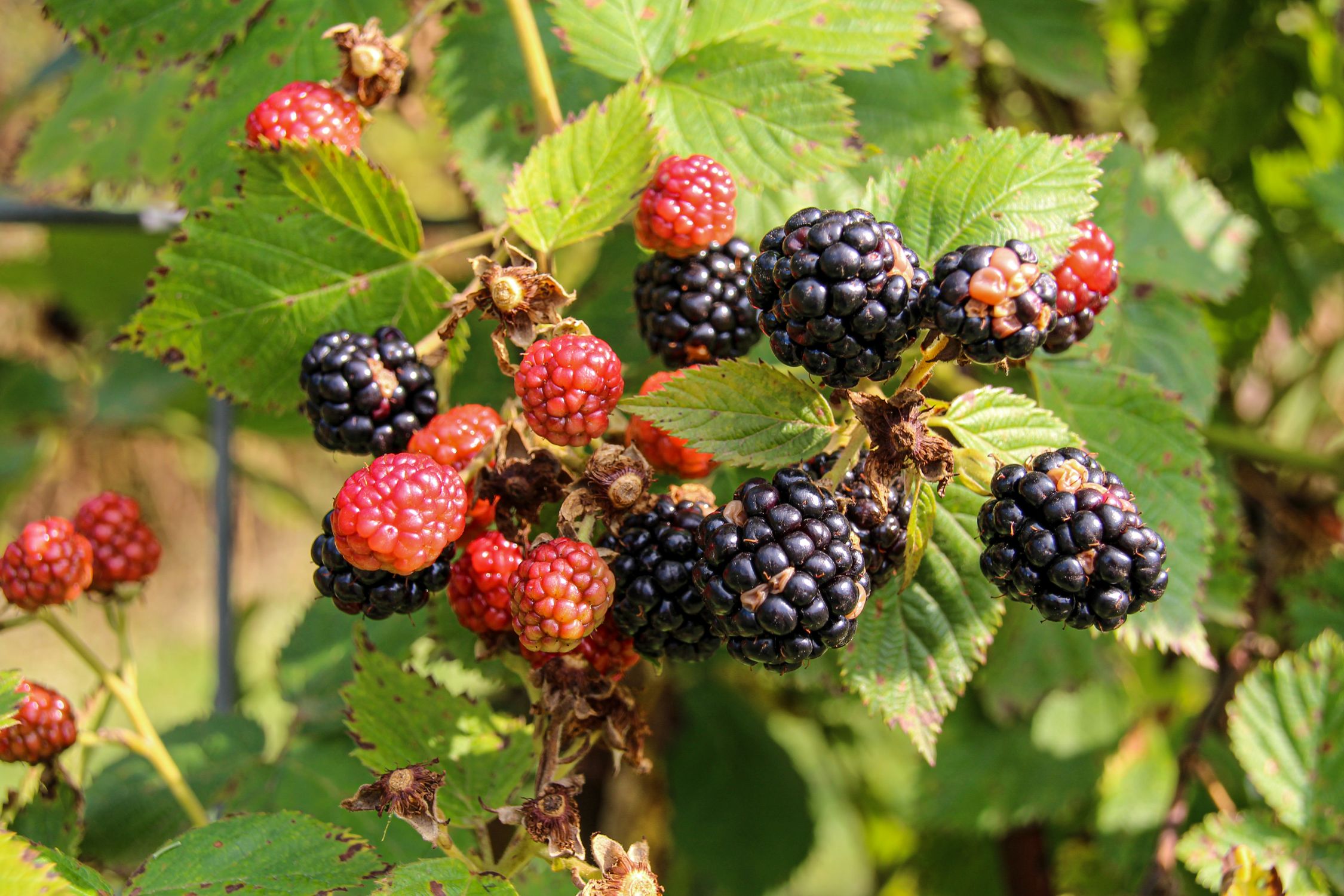
Deadly nightshade berries are glossy black, roughly cherry-sized, and sit inside a distinctive star-shaped green calyx on a bushy plant with large oval leaves and dull purple bell-shaped flowers. No common edible hedgerow berry shares that combination — blackberries grow in clustered drupelets rather than single round berries, and elderberries hang in flat-topped clusters rather than singly. If a black berry is growing alone on a stalk with a star-shaped green base, leave it well alone.
Are all black berries in UK hedgerows poisonous?
No — blackberries and elderberries, both black when ripe, are common and safe to eat. The poisonous ones (deadly nightshade, ivy berries) are identifiable by their growth habit and leaf shape rather than colour alone, which is exactly why colour is never a safe way to identify a wild berry. Always check the whole plant — leaves, stem, flower and growth habit — not just the fruit.