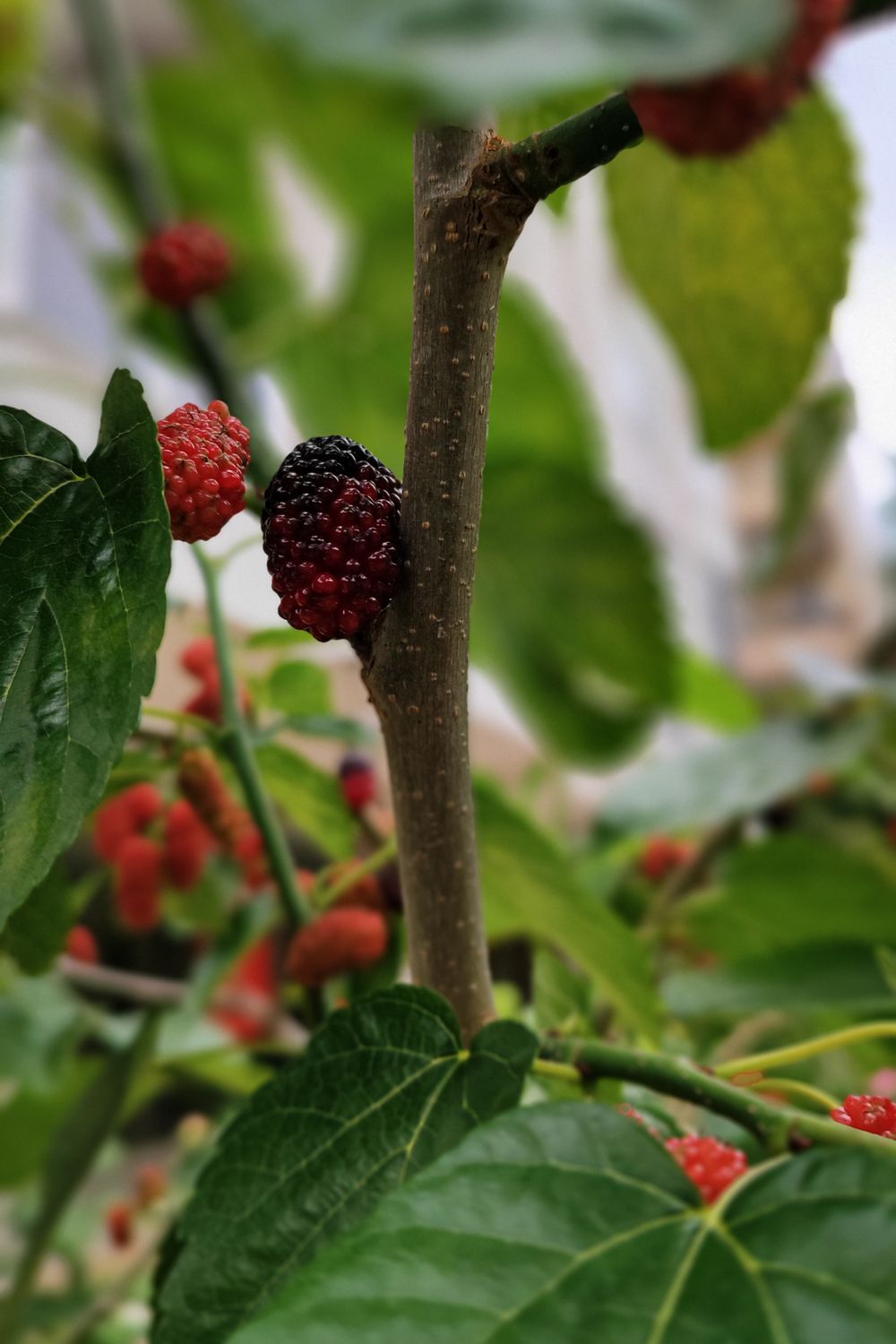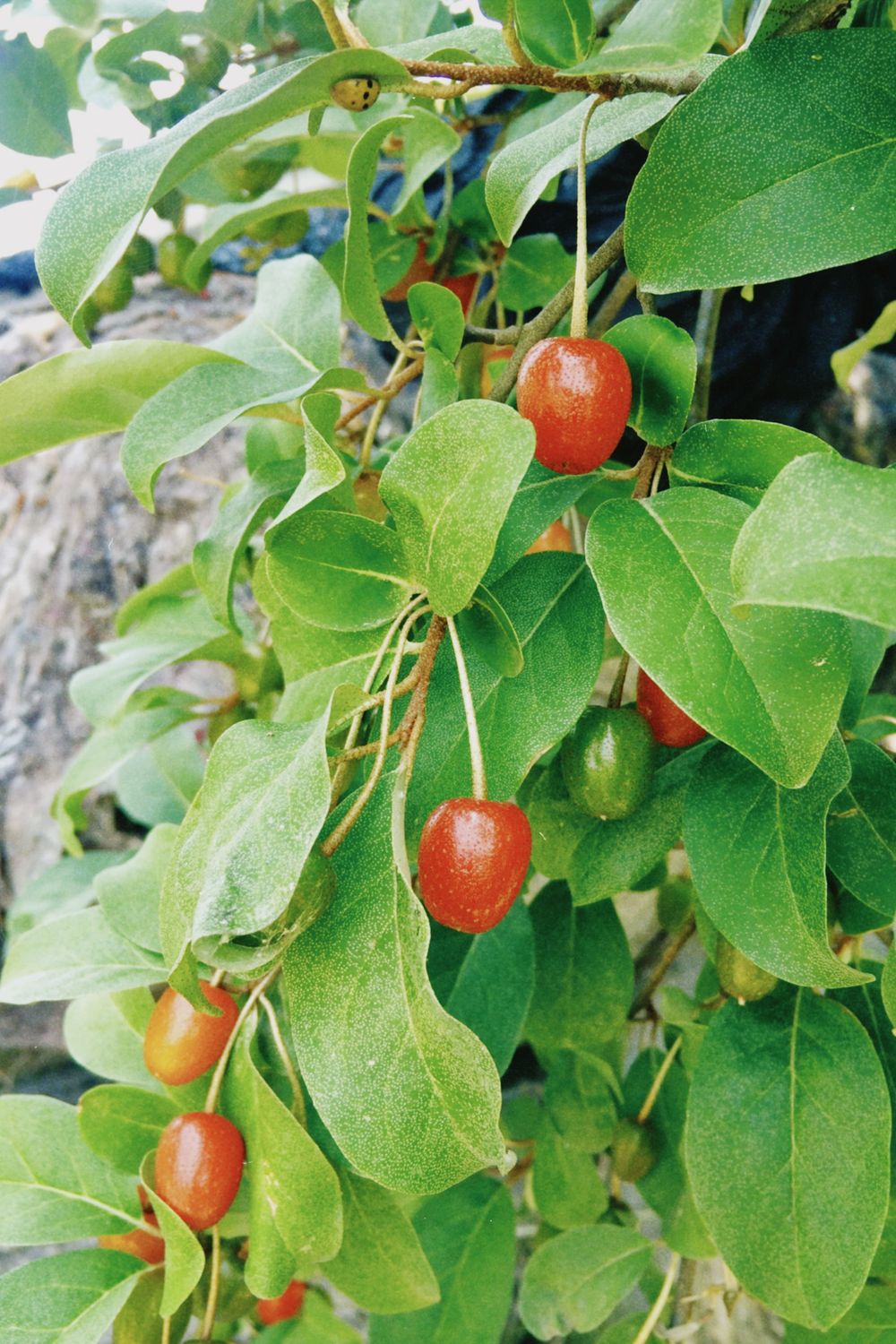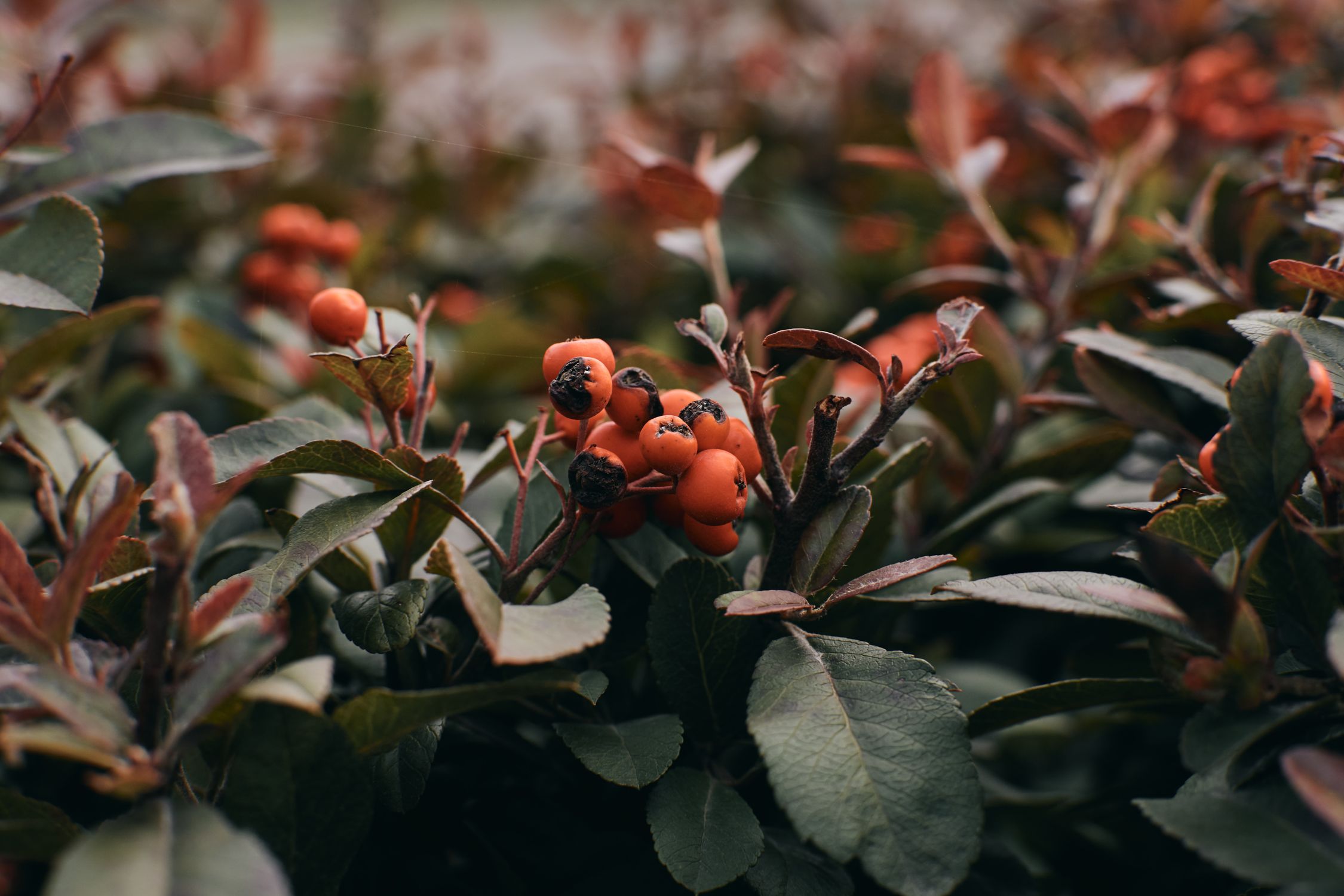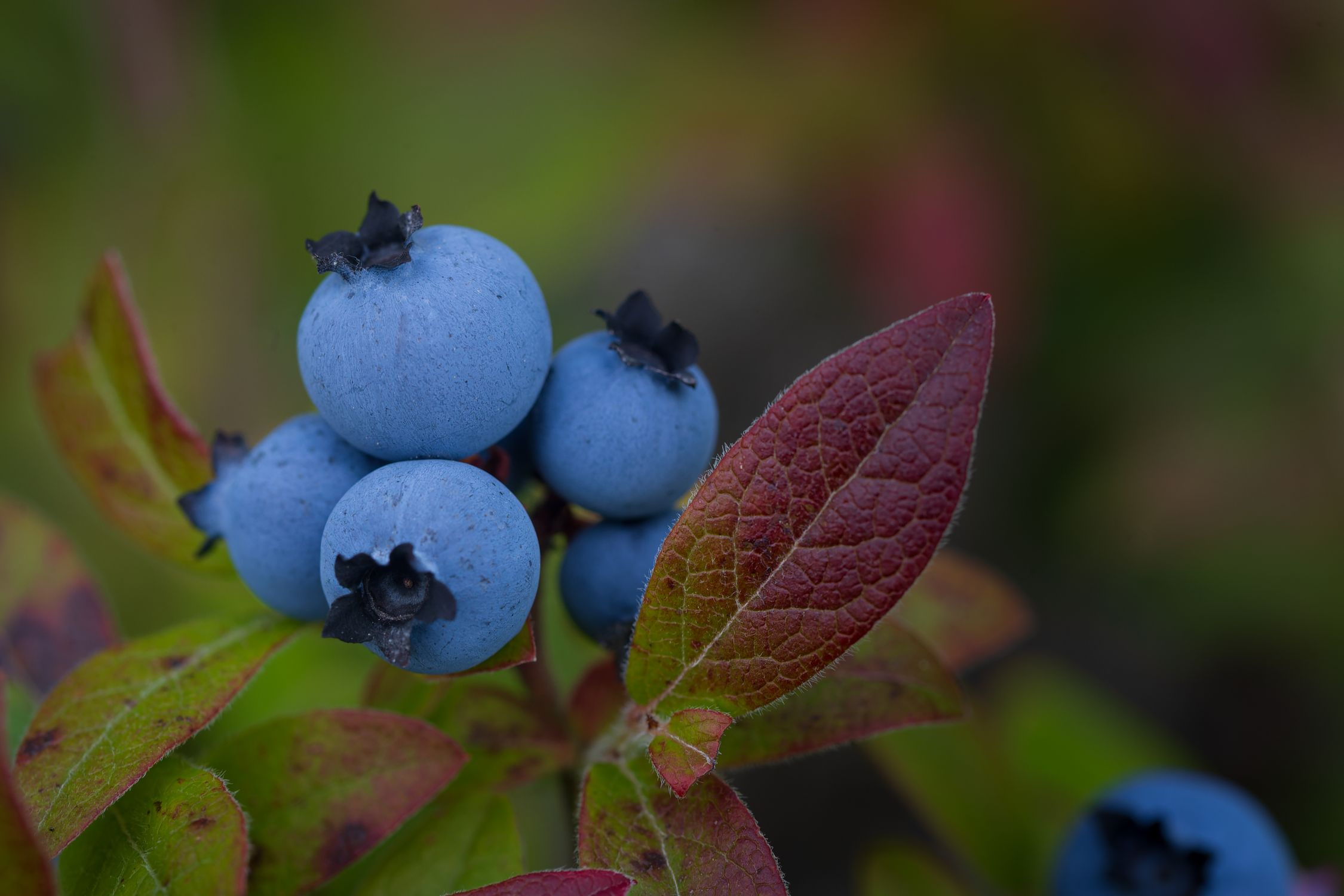
Huckleberries are one of those berries that sound impossibly romantic, aren't they? You picture bears ambling through Pacific Northwest forests and buckets of dark purple fruit picked on a mountain trail. And if you've ever actually tasted one, you'll know the flavour lives up to the legend: intense, sweet-tart and complex in a way cultivated blueberries rarely manage.
So of course British gardeners want to grow them. I get asked about huckleberries more than almost anything else. The honest answer, though, is complicated, so let me talk you through it before you spend money you needn't.
What Exactly Is a Huckleberry?
Here's where the confusion starts: "huckleberry" covers several different species across two genera. In North America, huckleberries include species from both Vaccinium (the same genus as blueberries and bilberries) and Gaylussacia (the true huckleberries). The two look much alike but differ in ways that matter.
The Vaccinium huckleberries, including the western huckleberry (Vaccinium membranaceum), are close cousins of the blueberry. They give you dark purple-black berries with soft seeds and that famous intense flavour, and these are the ones you'll find in American farmers' markets and speciality shops. The Gaylussacia huckleberries, such as the black huckleberry (Gaylussacia baccata), have harder seeds and a slightly different texture, and they're both less common and less prized for eating.
Then there's the garden huckleberry (Solanum melanocerasum), which, brace yourself, isn't a huckleberry at all. It's a member of the nightshade family, related to tomatoes and aubergines. Despite being sold under the huckleberry name, it tastes nothing like the real thing and is a completely different plant. If it's true huckleberry flavour you're chasing, give it a miss.
Can You Grow True Huckleberries in the UK?
The short version: with difficulty, and the results will let you down. Western huckleberries have very particular needs that are genuinely hard to recreate in a British garden, and there are four reasons it tends to end in tears.
First, altitude. Wild huckleberries grow at elevations between 600 and 2,000 metres, where they get cool nights and specific day-length patterns that a lowland British garden simply can't offer. Second, they're mycorrhizally dependent, relying on symbiotic fungi in the forest soil to take up nutrients, and those fungi are specific to Pacific Northwest forest ecosystems. Without the right partners, the plants barely establish. Third, their dormancy: they want long, cold winters with consistent snow cover, and our mild, wet winters throw that whole cycle out. And finally, they're painfully slow, taking five to ten years to crop meaningfully even in ideal conditions. In a British garden, you might wait longer still for a thoroughly disappointing harvest.
Here's the clincher for me. Commercial huckleberry growing hasn't really succeeded even in North America, where almost all huckleberries sold are wild-harvested. If the Americans can't farm them at scale in their own native habitat, your back garden in Britain is fighting a losing battle.
Garden Huckleberry: Not What You Think
The garden huckleberry (Solanum melanocerasum) is the plant most often sold as a "huckleberry" in UK garden centres and seed catalogues. It grows easily as an annual, throwing out clusters of small black berries by late summer. But calling it a huckleberry is, frankly, misleading.
The berries are bland raw and mildly toxic if you eat them unripe, so they need cooking with plenty of sugar to be worth eating at all. The flavour is nothing like a true huckleberry. Some gardeners do enjoy them in pies and jams, and that's fair enough, just go in with your eyes open. You're growing a nightshade relative, not a wild mountain berry.
If you do fancy a go, treat them exactly as you would tomatoes: start the seeds indoors in March, harden the plants off after the last frost, then plant in full sun in rich soil. They'll fruit from August to October.
Better Alternatives for British Gardens
Now for the good news. If it's that intense, wild berry flavour you're after, you've got several options that genuinely thrive in our climate, and I'd steer you to these every time.
Bilberries
Bilberries (Vaccinium myrtillus) are the closest thing we have to a native huckleberry. They grow wild on moorlands and heathlands across Scotland, Wales and northern England, and the flavour is intense, sweet-tart and deeply berry-like, very close indeed to a western huckleberry.
Growing them in a garden is possible but takes ericaceous (acidic) soil, partial shade and a good dose of patience. They're slow and crop lightly compared with cultivated blueberries, but the flavour is in another league. If huckleberry flavour is the goal, bilberries are your best bet, no question.
Half-High Blueberries
Half-high blueberry varieties such as Northblue, Northsky and Polaris were bred by crossing wild Vaccinium species with cultivated highbush blueberries. They're compact, extremely cold-hardy, and give you berries with a more complex, wild-like flavour than your standard blueberry.
They do well in containers of ericaceous compost and crop reliably across most of the UK. If you can't get hold of bilberry plants, these are the next best thing for that huckleberry-ish flavour.
Honeyberries
Honeyberries (Lonicera caerulea) produce elongated blue berries that people often describe as a cross between a blueberry and a grape. They're not identical to huckleberries, but they scratch a similar itch. Better still, they're incredibly cold-hardy, easy to grow, and they actually prefer the cool, damp conditions our gardens serve up.
Foraging: The Authentic Experience
If you want the closest thing to the real American huckleberry experience, honestly, go foraging for bilberries. They grow wild across upland Britain, typically on acidic heathland and moorland above 300 metres.
The season runs from late July through August. Bilberry picking is slow work, since the berries are small and grow low to the ground, but the flavour reward is enormous. A traditional bilberry comb, a wide-toothed scoop, speeds the harvest along no end.
Good spots include the Peak District, Snowdonia, the Scottish Highlands, Dartmoor and the North York Moors. Look for low-growing bushes with small, toothed leaves on acidic soil. The berries are darker than blueberries and will stain your fingers purple-black, which is half the fun.
The Verdict
True huckleberries are a plant to admire from afar rather than wrestle with at home. The garden huckleberry is easy enough to grow but a let-down on the plate. For genuine wild berry flavour, bilberries, half-high blueberries and honeyberries all beat it hands down and, crucially, they actually work in our climate.
Sometimes the best advice I can give is knowing when not to bother. Save your money, skip the huckleberry plants, and grow something that'll actually reward the effort.