Short answer: no. Bilberries are one of the safest wild fruits you can pick in Britain, and people have been eating them off the moors for centuries. The reason the question comes up so often is that a lot of poisonous berries are also small, dark and blue-black, so it pays to know exactly what a bilberry looks like before you put anything in your mouth.
What does a bilberry look like?
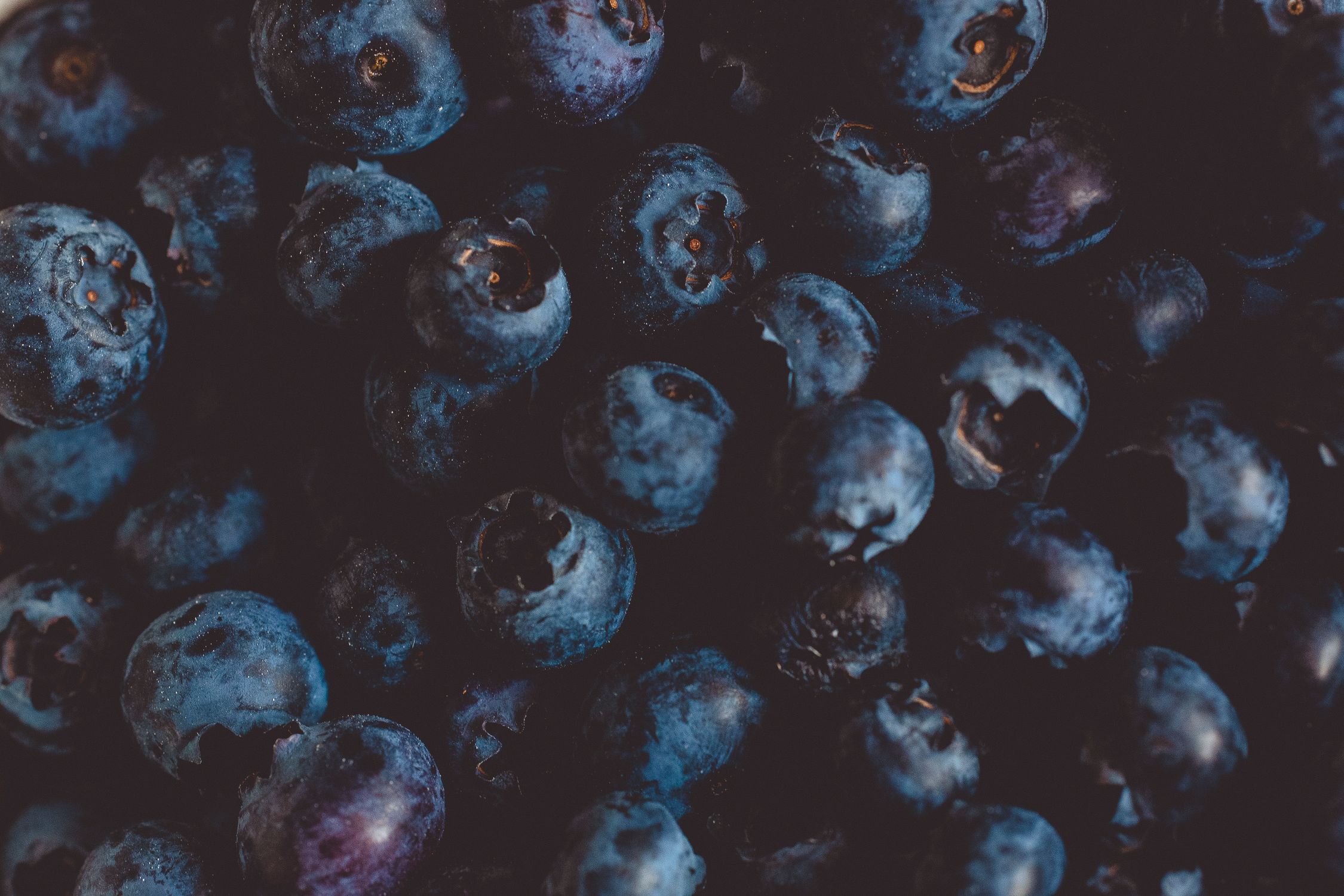
Bilberries grow on a low, twiggy shrub, usually knee height or less, with bright green, finely toothed oval leaves. The berries are round, blue-black with a dusty bloom, and they hang singly or in pairs from the leaf joints rather than in clusters. The tell-tale test is to squash one: the flesh is purple-red right through and it stains everything it touches. A cultivated blueberry, by contrast, is pale green-white inside.
Bilberry or blueberry?
They are close cousins, both in the Vaccinium genus, but the bilberry is the small native moorland plant and the blueberry is the larger garden bush. Bilberries have a more intense, slightly tart flavour and are harder to pick in quantity because the berries are small and scattered. If you want to grow the garden version, my complete guide to growing blueberries in Britain covers it, and there is more on the wild plant in my bilberries guide.
What could you confuse a bilberry with?
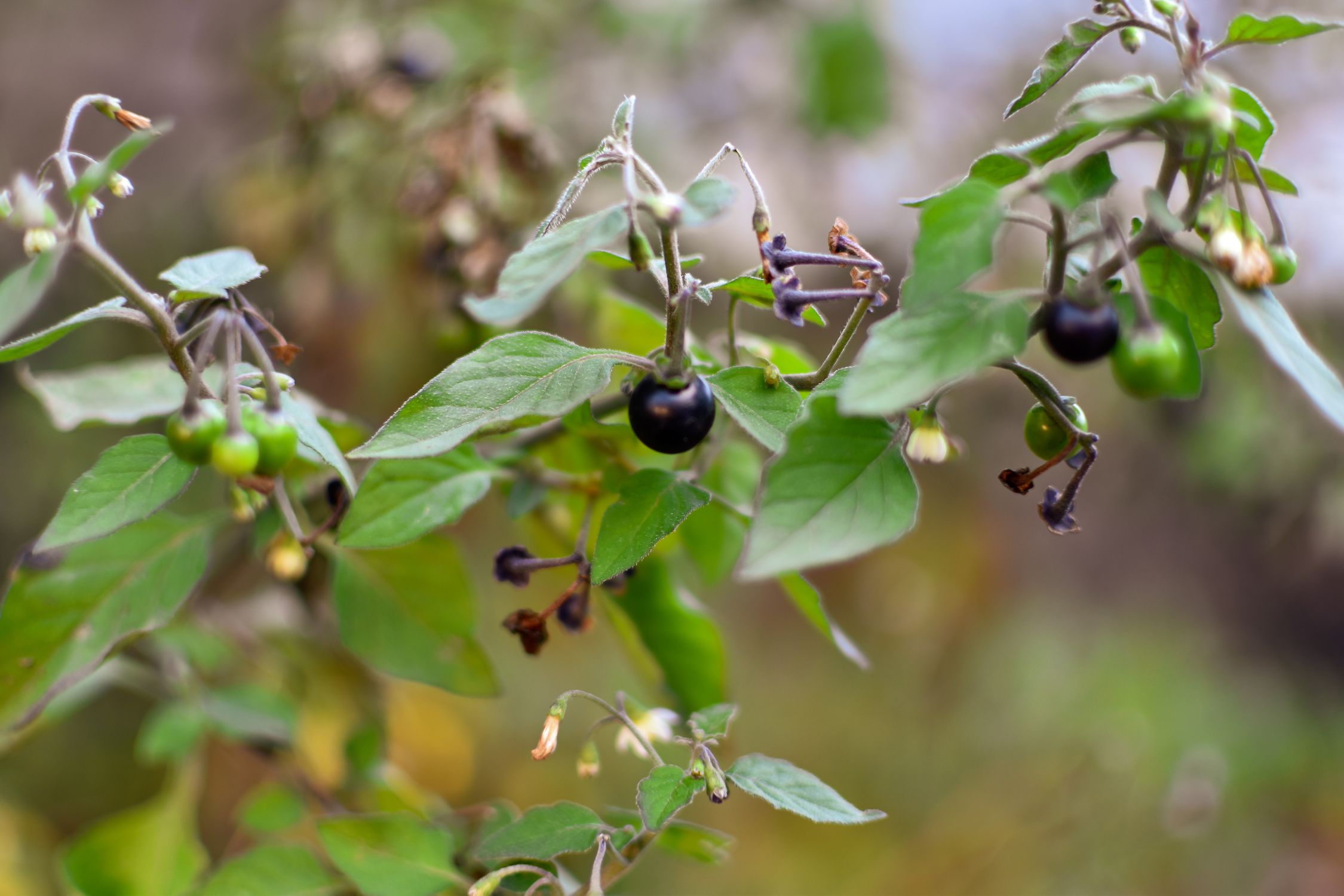
The one to know about is deadly nightshade. Its berries are glossy and black, but they grow singly on a taller, bushier plant with smooth oval leaves and a star-shaped green calyx at the base of each berry, usually in shady, disturbed ground rather than open heath. Bilberry plants stay low and grow on acidic heath and moor. If the plant, the habitat and the purple-staining flesh do not all match, leave it. My guide to deadly nightshade and other poisonous berries shows the differences in detail, and the UK wild berry identification guide puts every common hedgerow berry side by side.
Picking and eating bilberries
Pick them ripe, when they are fully dark and come away from the stalk easily. They are good eaten straight from the plant, and they cook well in pies, crumbles and jam. Take only what you will use and leave plenty for the wildlife that depends on them.
Frequently Asked Questions
Are bilberries poisonous?
No. Bilberries are safe to eat raw or cooked. The concern is mistaking them for a poisonous look-alike, so always confirm the plant, the habitat and the purple-staining flesh before you eat any wild berry.
Are bilberries the same as blueberries?
They are closely related but not the same. Bilberries are the small native wild plant with purple-red flesh; garden blueberries are larger bushes with pale flesh inside.
When are bilberries ripe in the UK?
Generally from July through to September, depending on how far north and how high up you are.