Every now and then I stumble across a fruit so obscure that I have to read about it twice just to convince myself it's real. Che is one of those. I don't grow it myself — not yet, anyway — but the more I dug into it, the more I became convinced that this is one of the most intriguing rare fruits a curious British gardener could chase down. It looks a little like a mulberry, tastes like nothing else in the garden, and almost nobody over here has heard of it. So let me make the case for che.
What exactly is che?
Che (botanically Maclura tricuspidata, and you may still see it listed under its older name Cudrania tricuspidata) goes by a handful of common names — Chinese mulberry and mandarin melonberry being the two you'll meet most often. The "Chinese mulberry" tag is a touch misleading, mind you. Che isn't a true mulberry at all, though it is a relative: both belong to the fig and mulberry family, Moraceae, so they're cousins of a sort rather than the same thing.
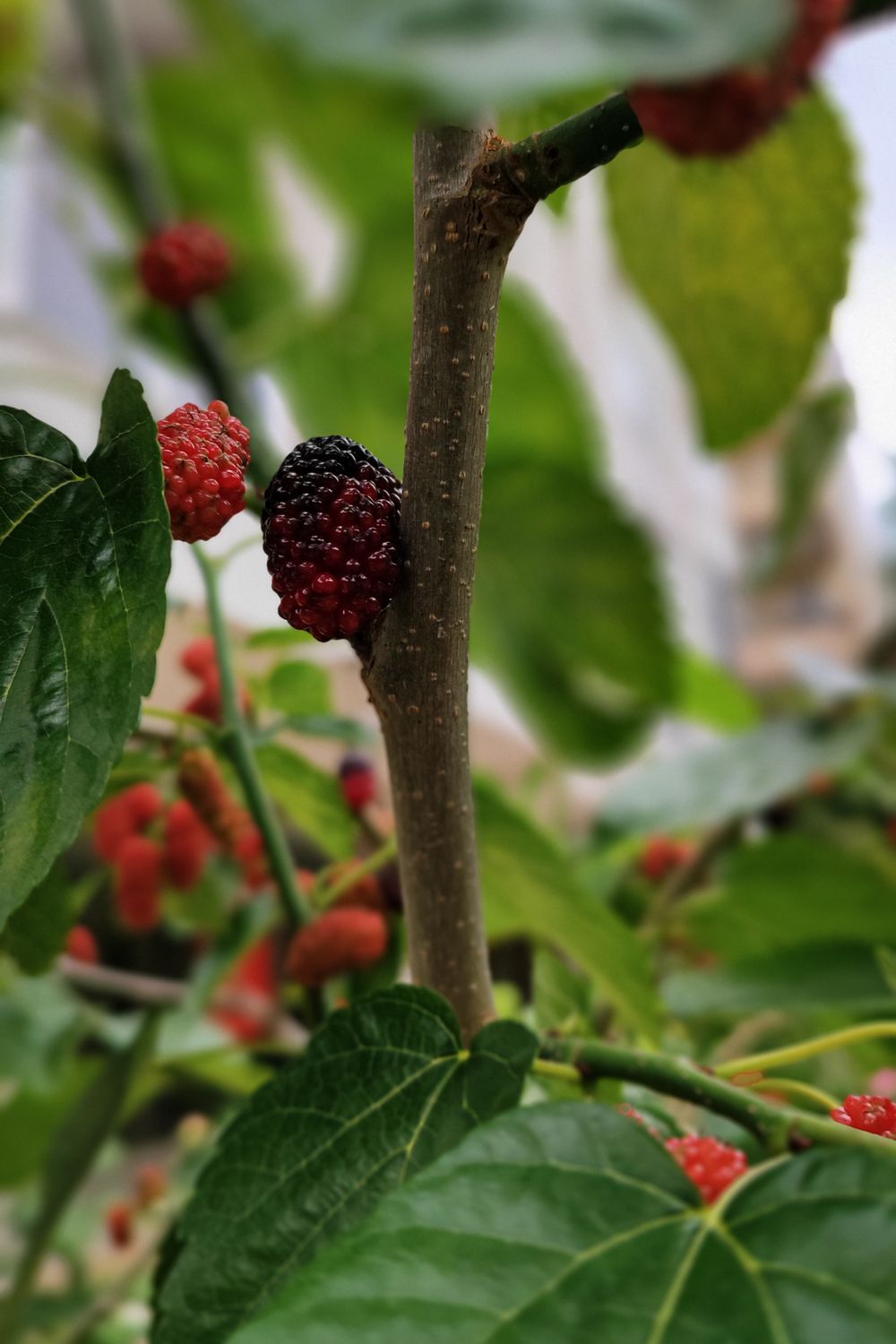
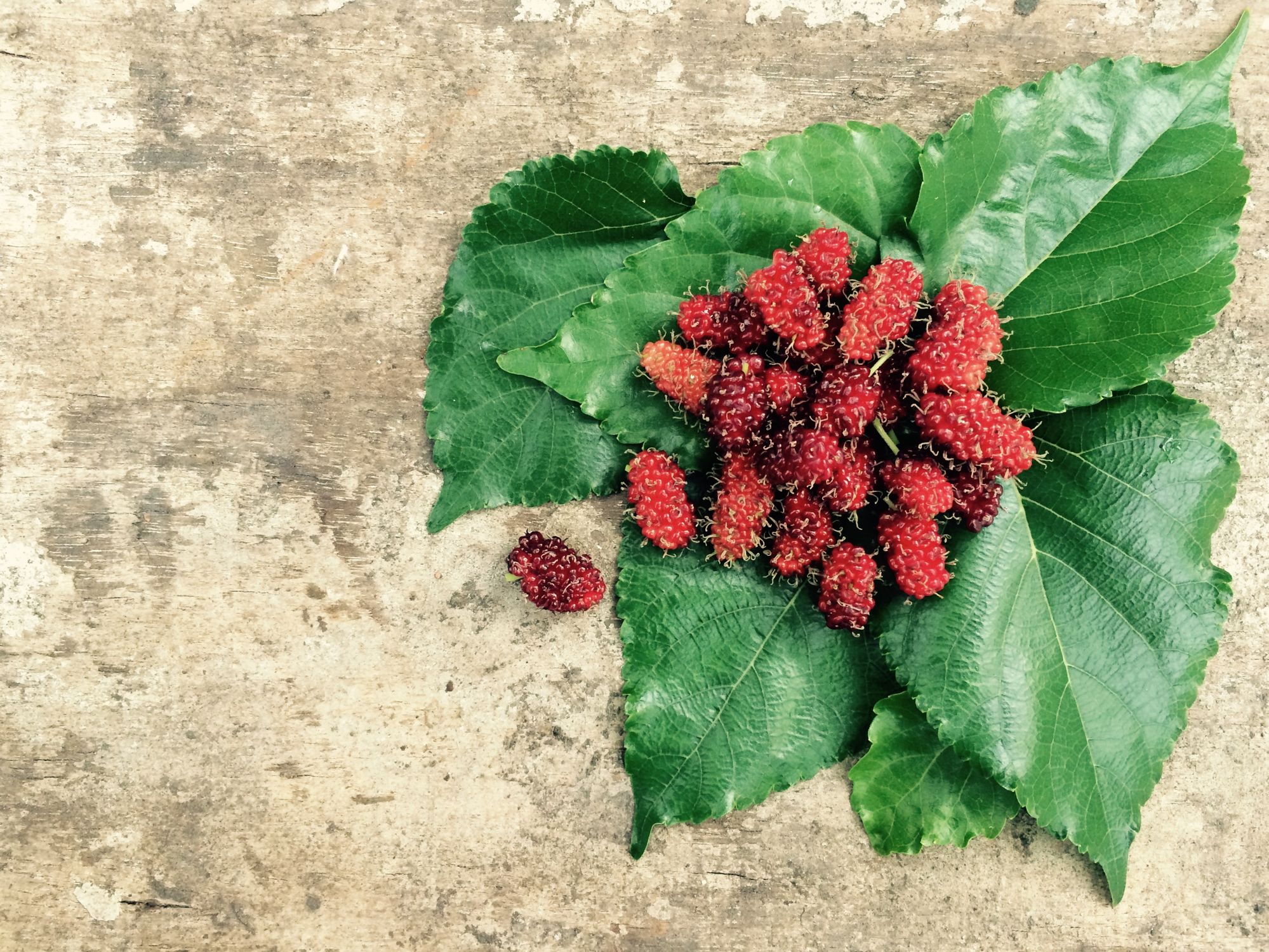
In growth it's a small deciduous tree or large shrub, settling somewhere around three to eight metres depending on how you treat it and how happy it is. The fruit is where it really earns its keep: round, red, and roughly 2.5cm across — about an inch — ripening in autumn. At a glance you might mistake it for a mulberry or a slightly lumpy lychee, but the eating experience is its own thing entirely.
What does che fruit taste like?
This is the question everyone asks, and the answer is genuinely lovely. Che is sweet and mild — not a sharp, tongue-tingling berry but a gentle, almost honeyed one. The description that comes up again and again, and the one I think captures it best, is fig crossed with watermelon. There's that soft, jammy, fig-like body to it, lifted by a clean, refreshing sweetness that does feel a bit like watermelon on a warm day.
It's a fruit for eating fresh, straight off the tree. That mildness means it won't dominate the way a blackcurrant or a gooseberry might, but for grazing in the garden in autumn it sounds like a real treat. If you enjoy the soft, mellow charm of mulberries, you'll likely get on well with che — think of it as the mulberry's stranger, more exotic relation.
Is che hardy in the UK?
Here's the part that surprised me most: che is properly hardy. It'll take temperatures down to around -15°C, which comfortably covers the great majority of British gardens. We're not talking about a tender thing that needs a heated greenhouse and constant fussing — this is a plant that should sail through an ordinary UK winter in most parts of the country.
What it does want is warmth and light at the right time of year. Give it full sun and a well-drained soil and you're giving it the conditions it likes. The autumn ripening is the one thing I'd keep an eye on; a sunny, sheltered spot will help the fruit finish properly, the same way it does for so many of our marginal fruits.
A word of honest warning, though, because I'd rather be straight with you than oversell it. Che is slow. Young plants can be a bit spiny — something to bear in mind if you've children or like to brush past your borders — and the tree is slow both to establish and to begin fruiting. This is a patience plant, not an instant-gratification one. If you want a quick win, look elsewhere; if you fancy a long, rewarding project, read on.
Do you need two plants to get fruit?
This is the bit that catches people out, so it's worth getting right. Che is usually dioecious, meaning the plants are either male or female. In the normal run of things you'd need both a male and a female to get any fruit at all, which is a tall order when you're already hunting down a rarity — finding one che is hard enough, let alone a matched pair.
Happily, there's a neat way around it. Certain female cultivars are seedless and parthenocarpic, which is a fancy way of saying they'll set fruit entirely on their own without any male plant nearby. The variety 'Norris' is the one most often named in this respect. For the average gardener, this is the sensible route by a mile.
If you only have room for one che, choose a self-fruiting, seedless female such as 'Norris'. One plant, no partner required, and no need to gamble on getting both sexes.
Where can you actually buy che in Britain?
It is, I'll be honest, genuinely rare over here — but not impossible. A few specialist nurseries do stock it, and the Agroforestry Research Trust is one of the best-known sources for unusual, useful plants of exactly this sort. That's the kind of place worth looking when you're after something off the beaten track rather than a high-street garden centre.
Before you commit, a few things are worth lining up in your head:
- Pick a self-fruiting, seedless variety unless you genuinely have space and appetite for two plants.
- Choose your spot carefully — full sun, free-draining soil, a little shelter for the autumn ripening.
- Make peace with the wait. This is a tree you plant for the gardener you'll be in several years' time.
Is che worth growing?
I think it depends entirely on what kind of grower you are. If you measure success by punnets in the first season, che will frustrate you. But if part of the joy of gardening, for you, is growing something almost nobody else has — a fruit your neighbours won't recognise, with a taste you can't buy in any shop — then che is a wonderful thing to have in the ground. It's the same impulse that draws me to other oddities, like the Chilean guava: the quiet pleasure of the unusual, well grown.
I haven't planted my own che yet, but writing this has more or less talked me into it. If you do beat me to it, I'd love to hear how you get on — and whether that fig-and-watermelon comparison lives up to the billing. Until then, happy hunting for the rare and the strange.
Warmly,
Ash
Related Guides
Che is usually discovered by gardeners who already grow its close cousin — the mulberry growing guide covers the family's better-known member, kiwiberries scratch the same rare-fruit itch on a faster timeline, and the unusual berries roundup maps everything else at this end of the spectrum.