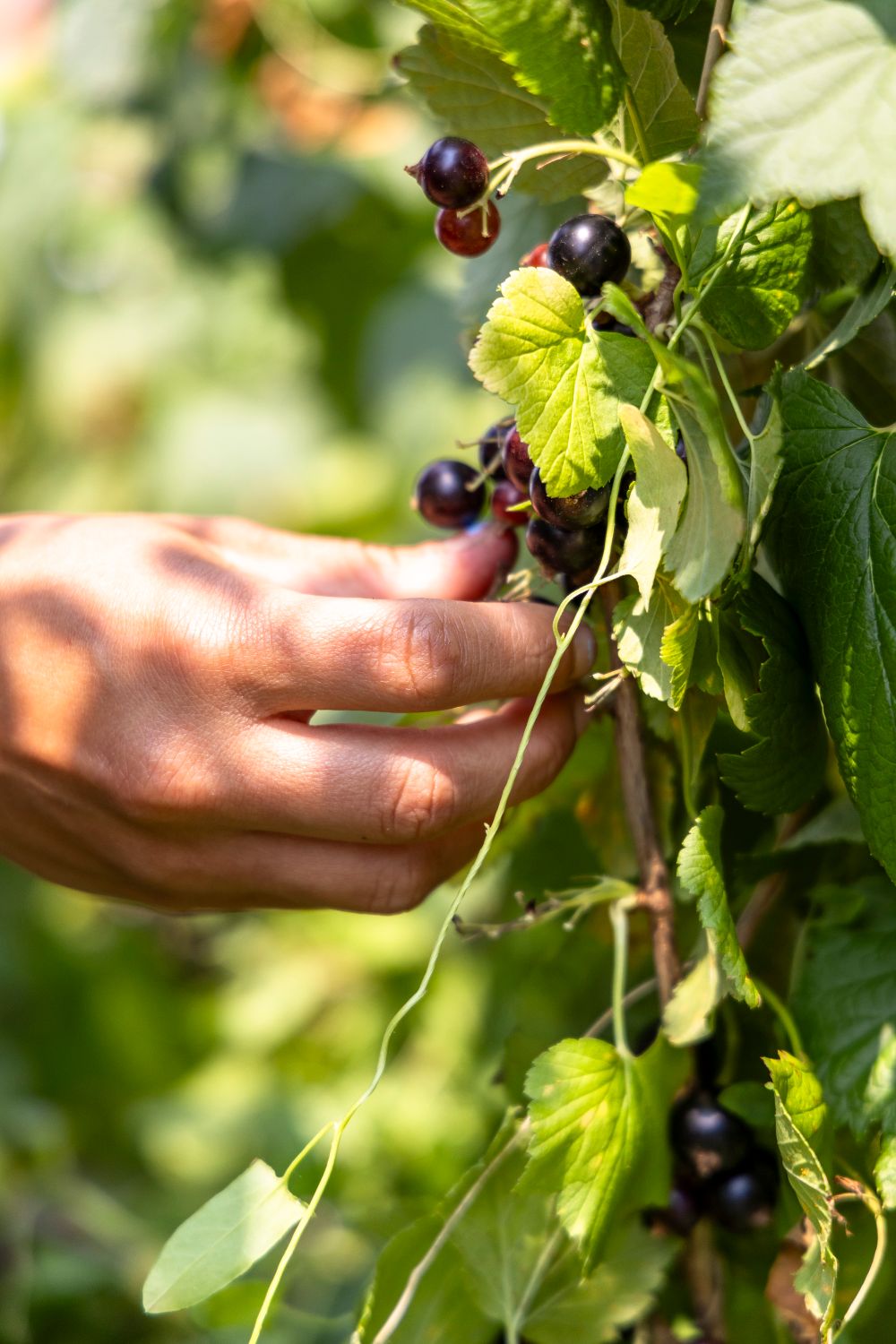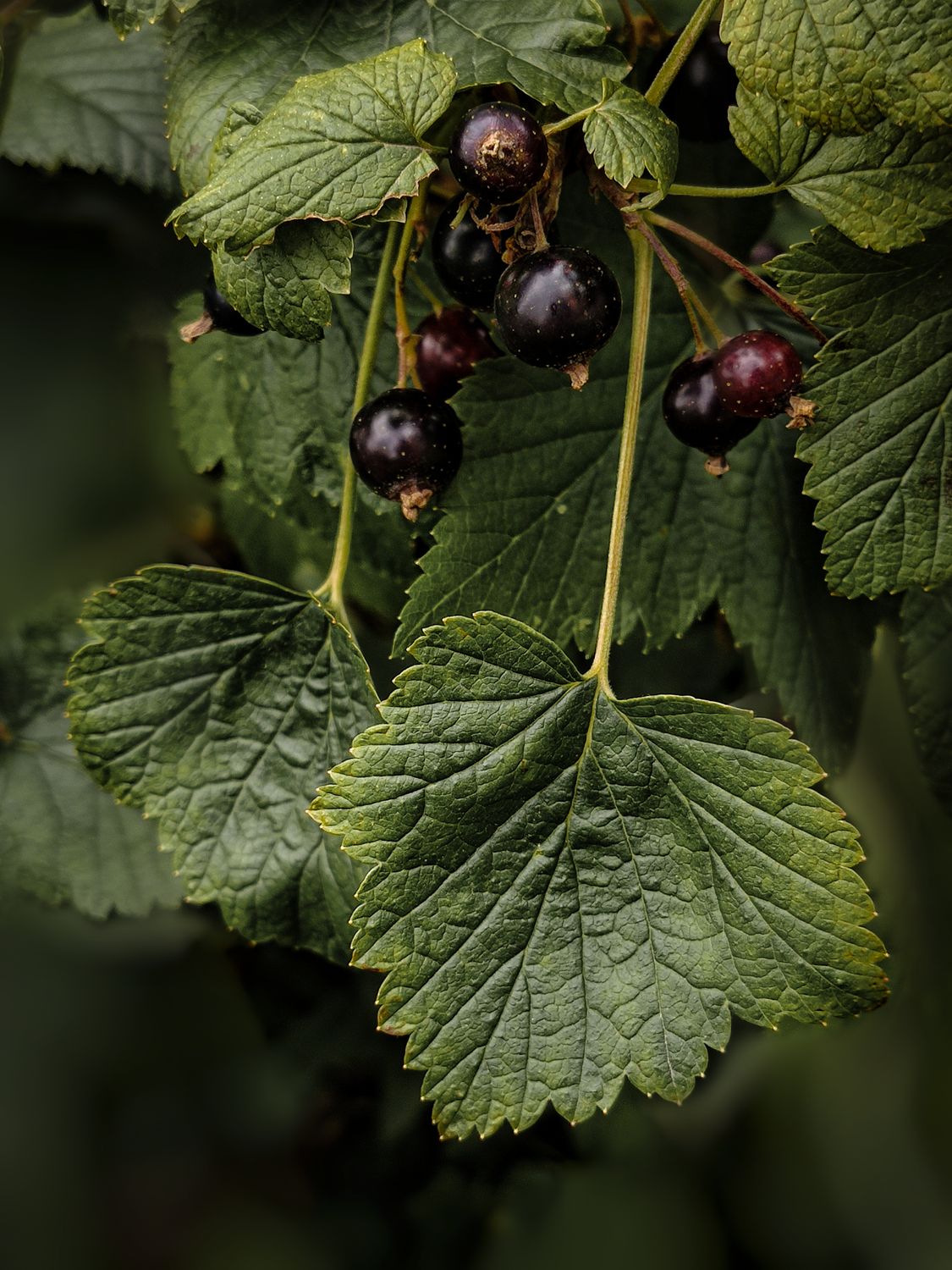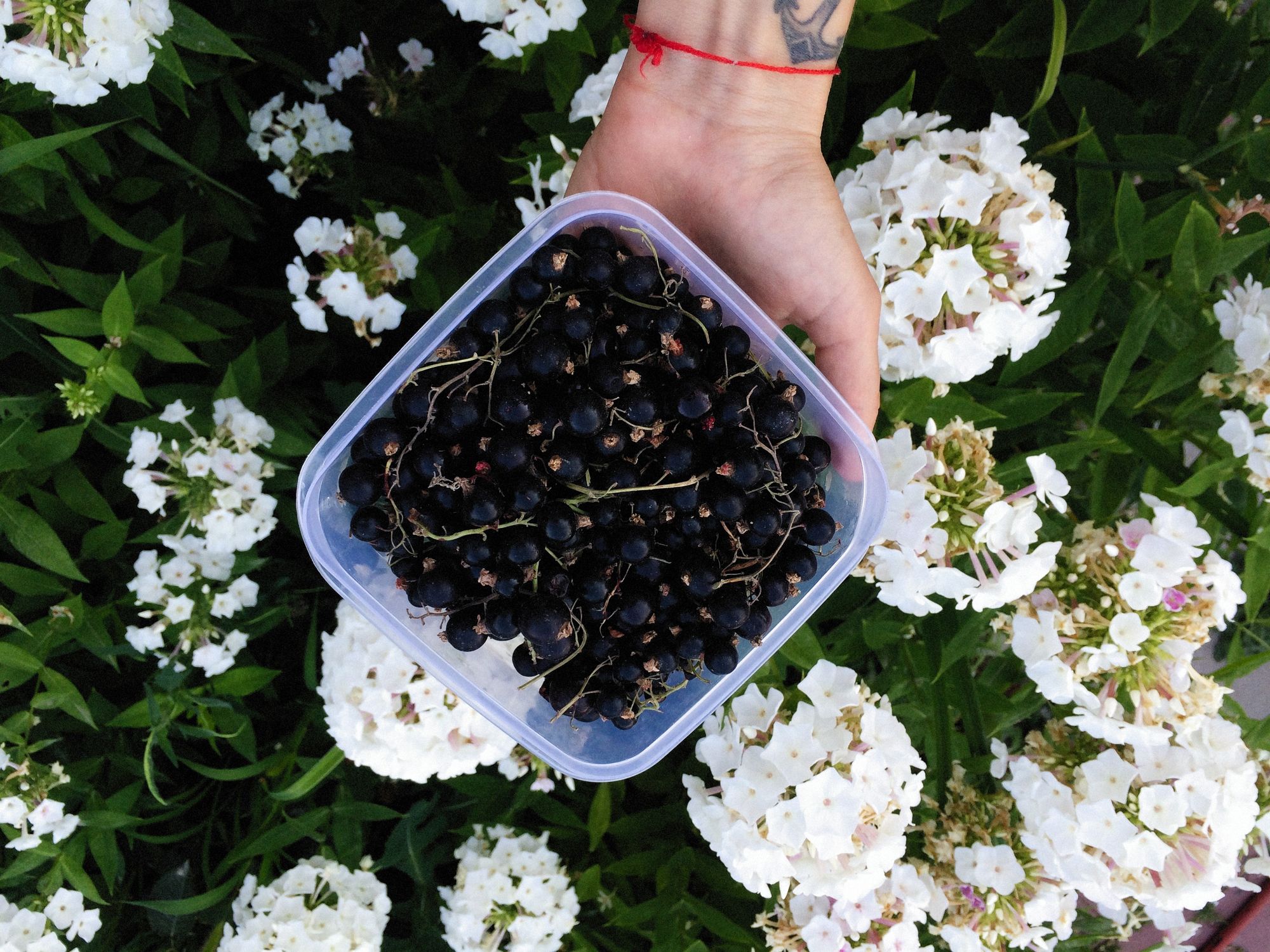
Unlike a lot of the hybrid berries I write about, blackcurrants are genuinely easy to buy — you'll find them at most garden centres as well as every specialist fruit nursery. The harder question isn't where, it's which. The UK's blackcurrant scene is dominated by the Ben series, bred at the James Hutton Institute in Scotland specifically for this climate, and picking the right one matters more than picking the right shop. I've covered growing them in full in my complete blackcurrant guide; this one's just about the buying decision.
Choosing a Blackcurrant Variety
Almost everything worth buying in the UK is one of the Ben series, and the differences between them are real enough to matter:
- Ben Lomond — the standard, sensible choice and what most nurseries will sell you if you don't specify. Late-flowering (so good frost protection), heavy mid-July crops, large berries. If in doubt, buy this.
- Ben Sarek — compact, staying under a metre, and the one to buy for a small garden or a large pot. Crops early and heavily for its size.
- Ben Hope — bred for resistance to big bud mite (gall mite), worth seeking out if you've had mite trouble before or you're buying for a plot with a known history of it.
- Ben Connan — the biggest berries of the series, compact, early-cropping. A good all-rounder if you can find it.
- Titania — a Swedish variety rather than a Ben, less commonly stocked but worth asking a specialist nursery for if you want something a little different, with good mildew resistance.
For most gardens, Ben Lomond is the safe default and Ben Sarek the one for limited space. If you're planting two for a longer harvest window, pairing an early variety (Ben Connan or Ben Sarek) with the mid-season Ben Lomond spreads the picking over three to four weeks rather than dumping it all on you at once.
Buying Blackcurrant Plants
This is the one currant where garden centres genuinely come through — blackcurrants are common enough stock that most decent-sized centres carry at least Ben Lomond in season, usually as a 2–3 litre potted plant. For the fuller variety range, particularly Ben Hope or Titania, you'll want a specialist fruit nursery: Chris Bowers & Sons, Pomona Fruits, Ashridge Nurseries and Blackmoor Nurseries all list the full Ben range most seasons, and the bigger mail-order houses (Thompson & Morgan, Suttons) carry Ben Lomond and Ben Sarek reliably.
One plant is a reasonable start — blackcurrants are self-fertile and don't need a pollination partner — but most gardeners end up wanting at least two or three bushes once they've tasted a proper harvest of their own fruit against anything from a shop.
Bare-Root or Potted?
Bare-root blackcurrants (sold November to March) are noticeably cheaper and establish just as well as potted stock, provided you follow the hard cutback at planting that blackcurrants specifically need. Potted plants, available most of the year, cost more but let you plant outside the dormant window if you're reading this in summer and don't want to wait. Expect to pay roughly £8–£14 for a bare-root bush and £12–£20 potted, making blackcurrants one of the more affordable fruit bushes to start a garden with.
Checklist Before You Buy
- A named Ben variety on the label — unnamed "blackcurrant" stock is usually fine but a lottery on cropping and frost-hardiness.
- Certified virus-free stock, standard from reputable nurseries. Reversion virus (spread by big bud mite) is incurable and arrives with the plant, so this matters more for blackcurrants than most soft fruit.
- A well-branched root system on bare-root stock, not a single thin taproot.
- No swollen, rounded "big buds" on the stems — that's the tell-tale sign of gall mite infestation, and you don't want to bring it into your garden.
Frequently Asked Questions
How much does a blackcurrant bush cost in the UK?
Roughly £8–£14 for a bare-root bush from a specialist nursery, or £12–£20 potted from a garden centre. It's one of the cheaper fruit bushes to buy, and a single plant will crop for ten to fifteen years or more.
Which Ben blackcurrant variety is best for a small garden?
Ben Sarek, without much competition — it stays under a metre tall and wide, making it the only Ben variety genuinely suited to a large container as well as a small border, without sacrificing much in cropping.
Do blackcurrants need a pollination partner?
No — blackcurrants are self-fertile, so a single bush will fruit well alone. Planting a second variety with different timing extends your picking season rather than being necessary for fruit to set.
When should I buy and plant a blackcurrant bush?
Order bare-root stock in autumn for planting between November and March while the bush is dormant. Potted plants can go in any time the ground isn't frozen, though autumn planting still gives the best root establishment before the following season.
Once you've got a bush in the ground, my complete growing guide covers soil, feeding and the pruning routine, and my dedicated blackcurrant pruning guide walks through the annual cut step by step.